Ultherapy Lifting in Pyeongchon, Korea: A Practical Guide for International Patients
Direct answer summary
Ultherapy in Pyeongchon is a non‑surgical lifting treatment that uses focused ultrasound energy to tighten skin on the face, jawline, and neck. It is suitable for people who notice mild to moderate sagging, jowls, or a double chin but are not ready for surgery. Most international patients can plan a short trip of 3–5 days to Korea for consultation, treatment, and an early follow‑up, then continue recovery at home with simple aftercare.
This guide explains how Ultherapy works, who it may help, what to expect during a visit to Pyeongchon, and how to prepare from overseas.
What is Ultherapy lifting?
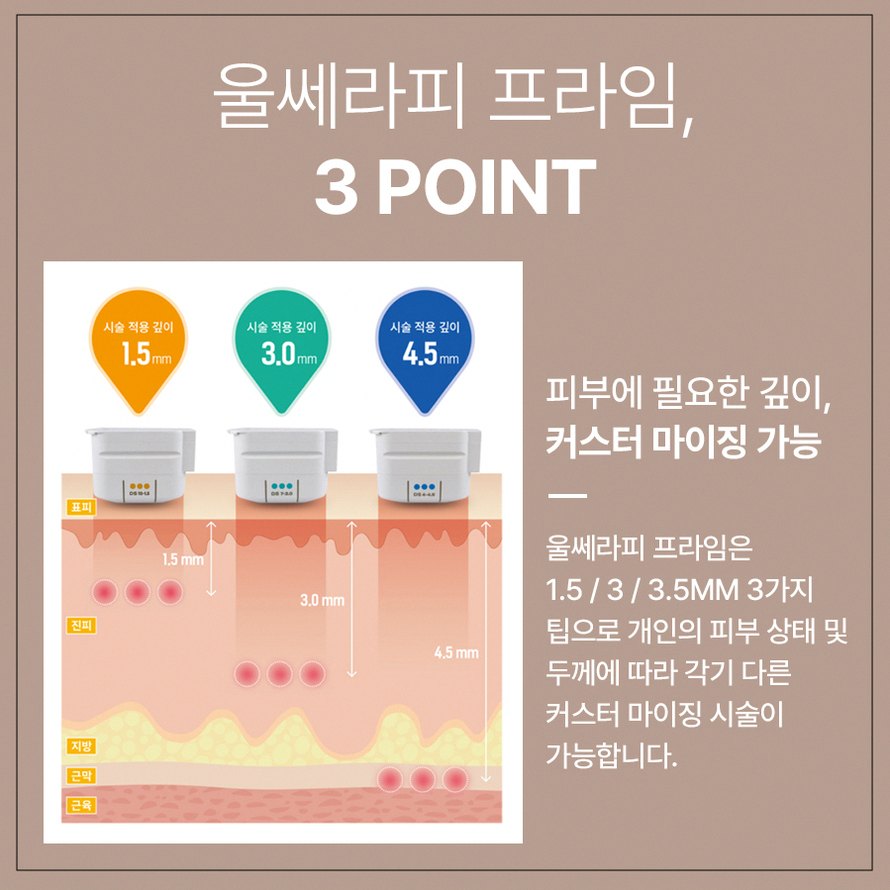
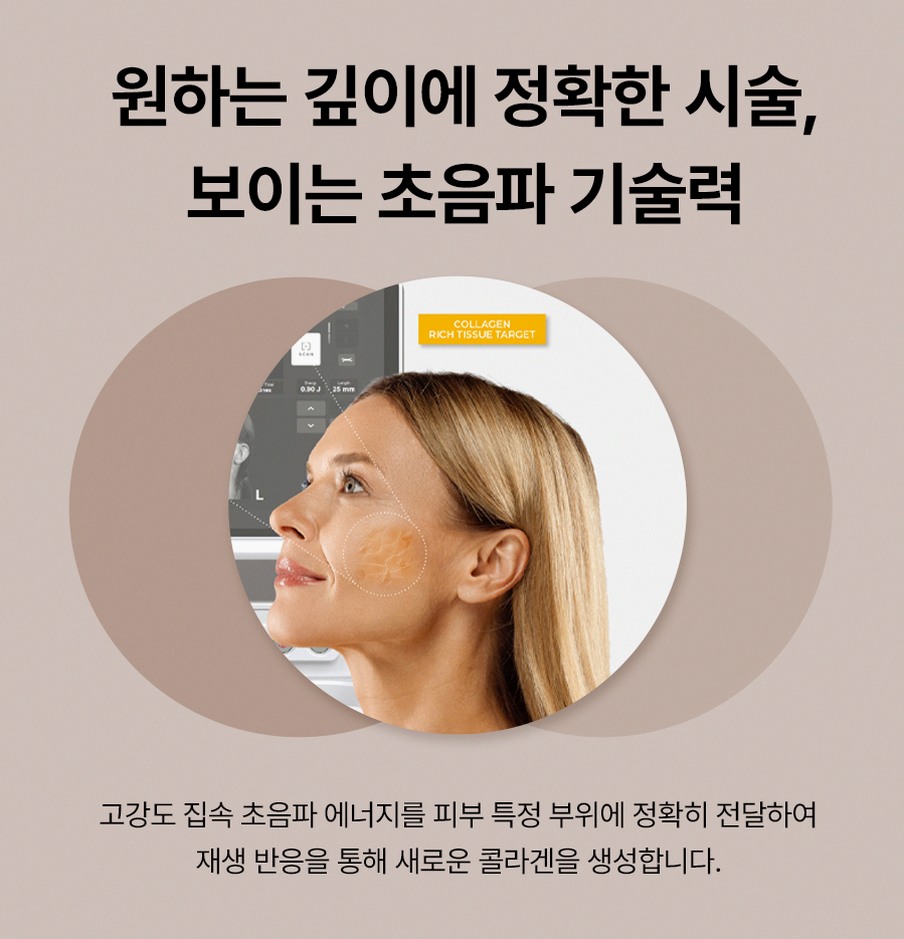
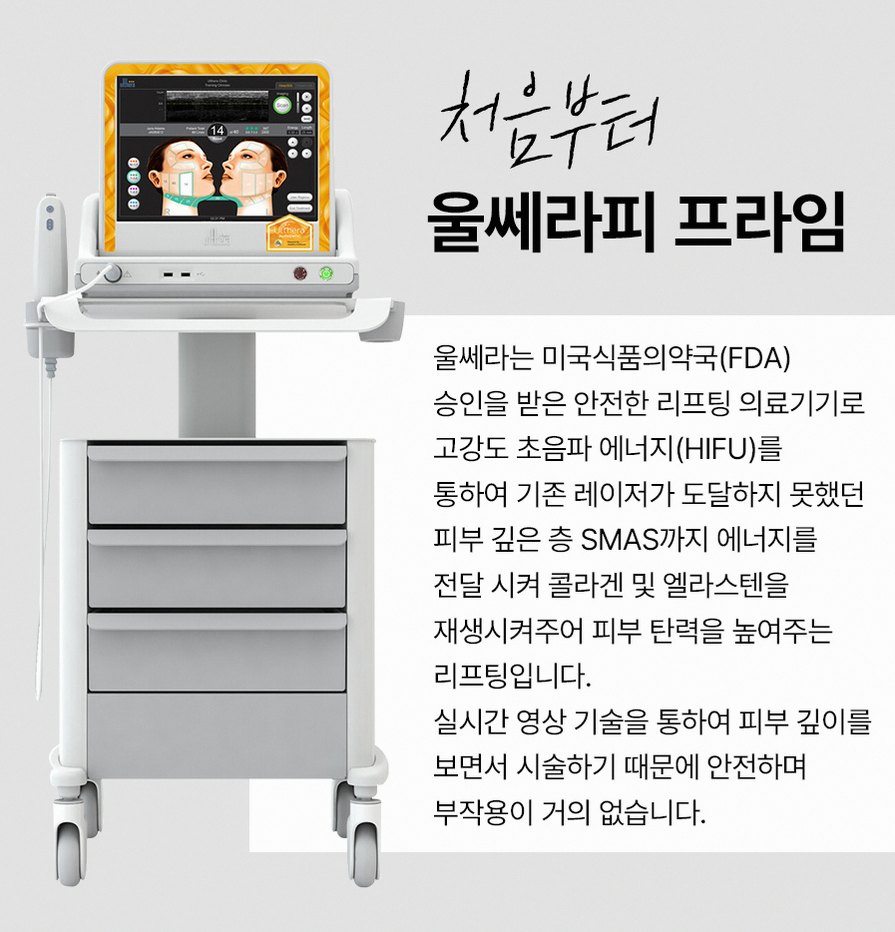
Ultherapy is a US FDA‑cleared treatment that uses micro‑focused ultrasound energy to heat precise layers under the skin. The energy reaches the same deep tissue layer that is tightened during a surgical facelift, but it does so from the outside without cuts.
The ultrasound energy creates controlled heat points that trigger your body to produce new collagen over several months. As this new collagen forms and tightens, the skin can look firmer and more lifted, especially around the cheeks, jawline, and neck.
Unlike laser or radiofrequency treatments that mainly work on the surface or mid‑dermis, Ultherapy can reach deeper layers while leaving the surface of the skin intact. This is why it is often chosen for lifting and contouring rather than only for texture or pigment.
Why many visitors choose Pyeongchon for Ultherapy
Pyeongchon is a convenient medical area in Korea with many clinics focused on skin and anti‑aging treatments. For international patients, it offers a combination of experienced doctors, modern devices, and relatively reasonable pricing compared to many Western countries.
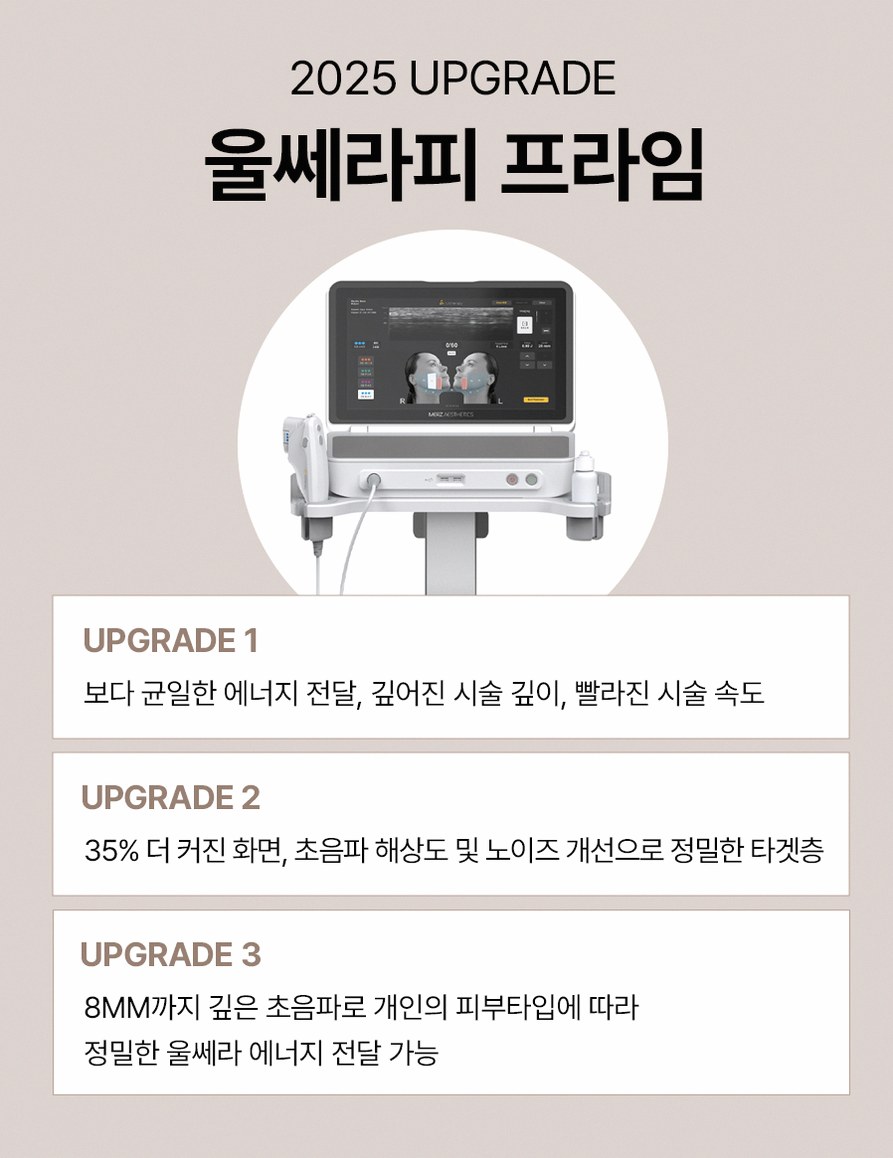
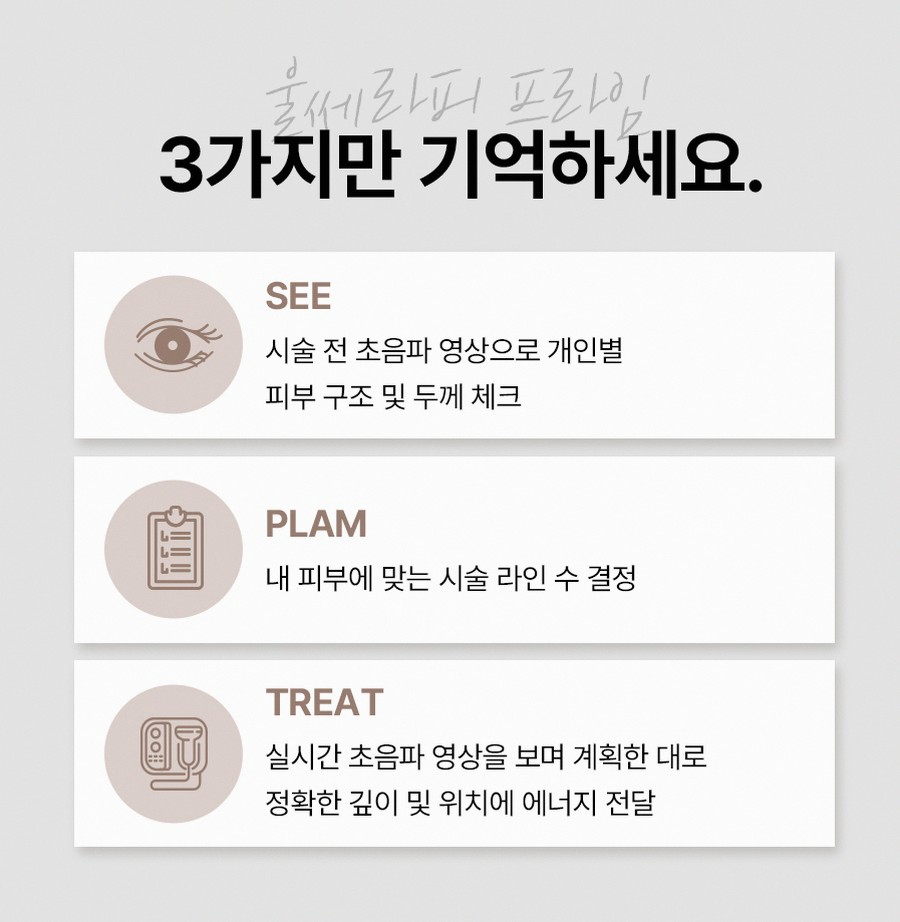
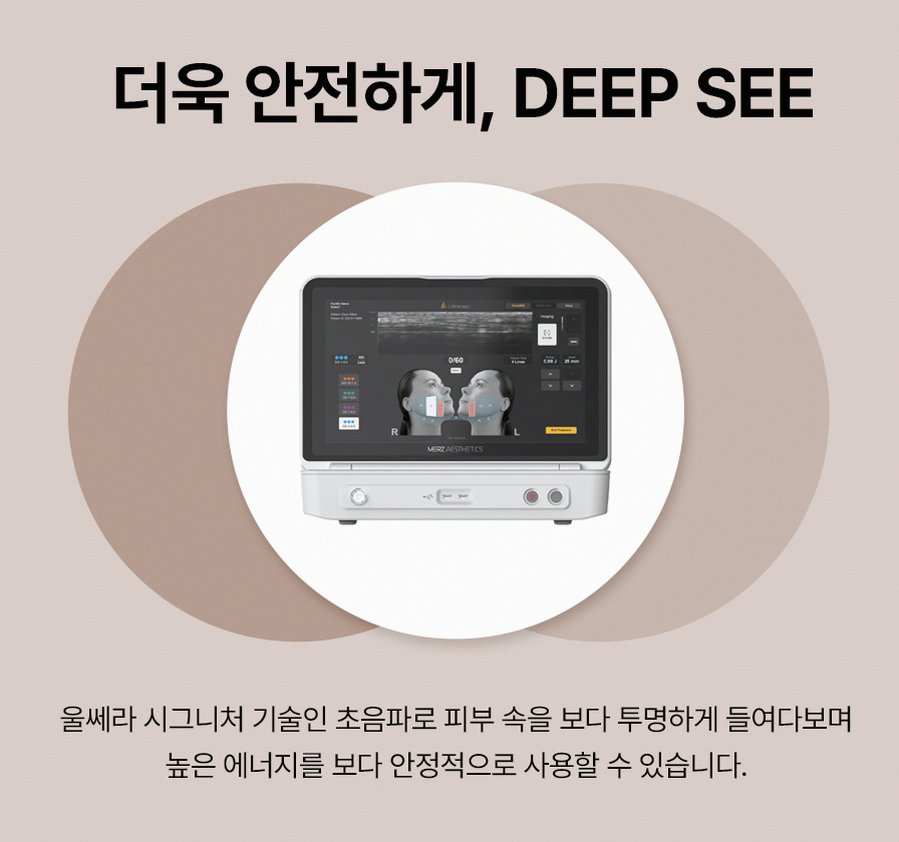
Clinics in this area commonly use genuine Ultherapy devices with ultrasound imaging. This imaging allows the doctor to see the layers of your skin in real time and place the energy precisely where it is needed. For overseas patients, this can add reassurance that the treatment is being performed carefully and accurately.
Who may consider Ultherapy in Pyeongchon
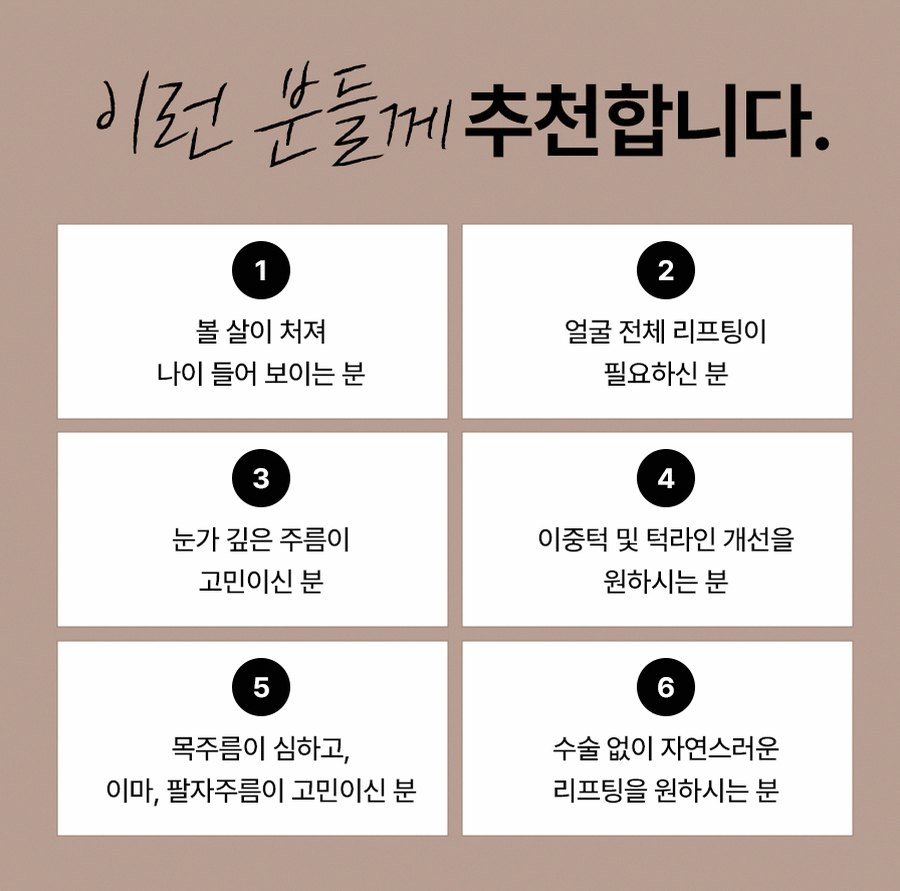
Ultherapy is usually recommended for adults with mild to moderate skin laxity. You may be a good candidate if you notice one or more of the following:
- A softer jawline or early jowls
- Mild sagging under the chin or a double chin
- Loose skin on the neck or slight neck banding
- Drooping in the mid‑face or around the mouth
- Slight hooding of the eyelids or lowered brows
The treatment is often chosen by people in their late 30s to 50s, but age alone is not the main factor. Skin quality, thickness, and overall health are more important.
You may especially consider Ultherapy in Pyeongchon if:
You want visible lifting but do not want surgery or general anesthesia.
You have a busy schedule and need minimal downtime.
You have tried other non‑invasive treatments and want a deeper lifting effect.
You want to combine your visit with other skin treatments in Korea.
Who may not be suitable
Ultherapy is not ideal for everyone. It may not be recommended if you have:
Very severe sagging or heavy jowls that would respond better to surgery.
Extremely thin or severely sun‑damaged skin with little collagen left.
Metal implants or active devices in the treatment area.
Open wounds, severe acne, or active skin infections on the face or neck.
Certain medical conditions or are pregnant or breastfeeding.
The final decision should be made after an in‑person consultation and skin evaluation. If Ultherapy is not suitable, the doctor may suggest alternatives such as thread lifting, radiofrequency tightening, or surgical options.
How Ultherapy compares with other lifting options
Many international patients compare Ultherapy with other non‑surgical lifting treatments before traveling to Korea.
Compared with radiofrequency lifting
Radiofrequency treatments use electrical energy to heat skin and are often more comfortable with less pain. They can be good for mild tightening and improving texture.
Ultherapy, using focused ultrasound, can reach deeper layers and may provide a more noticeable lifting effect for the jawline and neck. However, it can be more uncomfortable and may require stronger pain control.
Compared with thread lifting
Thread lifting uses dissolvable threads placed under the skin to physically lift sagging tissues. Results can be immediate, but there is minor invasiveness with needles and a higher chance of bruising or swelling.
Ultherapy is completely non‑invasive, with no threads or cuts. Results appear more gradually over two to three months, and the lifting effect is more subtle but natural.
Compared with surgical facelift
A surgical facelift provides the most dramatic and long‑lasting lifting, especially for severe sagging. However, it requires anesthesia, incisions, scars, and a longer recovery.
Ultherapy cannot replace a full facelift, but it can delay the need for surgery for some people or help maintain results after surgery.
What areas can be treated
Common treatment areas for Ultherapy in Pyeongchon include:
- Full face and jawline
- Cheeks and nasolabial fold area
- Under‑chin and jawline contour
- Neck and lower face
- Brow and upper face for a subtle eyebrow lift
During your consultation, the doctor will map the treatment areas based on your concerns, such as double chin, early jowls, or sagging neck.
What results you can expect
Ultherapy stimulates your own collagen, so results develop gradually. Many people notice:
A slight tightening and lifted feel within a few weeks.
More visible lifting and contouring from two to three months.
Continued improvement up to about six months.
The results are not permanent, because your skin continues to age. Many patients enjoy the lifting effect for about one to two years, depending on age, lifestyle, and skin condition. Maintenance sessions can be done when you feel the lifting effect has softened.
It is important to have realistic expectations. Ultherapy offers a natural, moderate lift, not a dramatic surgical change.
Pain, comfort, and pain control options
One of the most common questions about Ultherapy is pain. The ultrasound energy can create a sharp, deep heat sensation as it passes through the tissue. Some areas, such as the jawline and bony parts of the face, can feel more sensitive.
Pain tolerance varies widely. Some patients describe it as uncomfortable but tolerable, while others find it quite painful without proper preparation.
In Pyeongchon, clinics often offer several comfort options:
Topical numbing cream applied 30–40 minutes before treatment.
Oral pain relievers taken before the session.
Cold air or cooling packs during and after treatment.
Adjusting energy levels and shot density according to your tolerance.
During your online consultation, you can discuss your pain tolerance and any previous experience with similar treatments. This allows the clinic to plan appropriate pain control for your visit.
Online consultation and pre‑visit preparation
Before you travel to Korea, it is wise to arrange an online consultation with a Pyeongchon clinic. This helps you confirm whether Ultherapy is suitable and how to plan your schedule.
For an effective online consultation, prepare the following:
Clear photos of your face and neck from the front, 45‑degree angles, and side.
Information about your age, medical history, and any chronic conditions.
A list of medications and supplements you are currently taking.
Details of any previous cosmetic treatments or surgeries.
Your main concerns and what kind of change you hope to see.
During the online consultation, you can ask:
Whether your skin laxity is appropriate for Ultherapy.
Which areas they recommend treating.
Estimated number of lines or shots and approximate cost.
Pain control options and how long the session will take.
How many days you should stay in Korea.
The clinic can then suggest a tentative schedule and send you pre‑treatment instructions, such as avoiding certain medications or procedures before your trip.
How to plan your Korea visit timeline
Most overseas patients can plan Ultherapy in Pyeongchon as a short trip. A common schedule is:
Day 1: Arrival and rest
Arrive in Korea, check into your accommodation, and rest. If your flight is long, it is better not to schedule the treatment immediately after arrival, especially if you are tired or dehydrated.
Day 2: In‑person consultation and treatment
Visit the clinic for a full consultation and physical examination. The doctor will check your skin thickness, elasticity, and facial structure.
If you and the doctor agree to proceed, the treatment is often done on the same day. The total time at the clinic is usually 1.5 to 3 hours, including:
Registration and consultation.
Photography and consent forms.
Numbing cream application and waiting time.
Ultherapy treatment itself, usually 30–90 minutes depending on the area.
Post‑treatment cooling and instructions.
Day 3: Optional follow‑up and sightseeing
Some clinics may offer a short follow‑up visit to check your skin and answer questions. This is not always required, but it can be reassuring for overseas visitors.
You can also use this day for light sightseeing, shopping, or other minor treatments that do not interfere with the Ultherapy recovery.
Day 4–5: Departure
Most patients can safely fly home within a day or two after treatment. There is usually no medical reason to delay your flight, as Ultherapy is non‑invasive and does not require wound care.
If you plan to combine Ultherapy with other procedures, such as fillers, botulinum toxin, or laser treatments, discuss the ideal order and timing with the clinic during your online consultation so your schedule remains efficient.
What happens during the Ultherapy session
On the day of treatment, you can expect the following steps:
- Check‑in and consent
- You will fill out medical forms and discuss your concerns again with the doctor. The doctor will mark the treatment areas and may take standardized photos for comparison.
- Cleansing and numbing
- Your face and neck will be cleansed, and numbing cream will be applied. You will usually wait 30–40 minutes for the cream to take effect.
- Ultrasound imaging and planning
- The doctor or practitioner will apply ultrasound gel and use the Ultherapy handpiece to view the layers of your skin on a monitor. This helps determine the correct depth and energy settings.
- Delivery of ultrasound shots
- The handpiece is placed on your skin, and a series of ultrasound shots are delivered along planned lines. You may feel heat and tingling or sharp sensations deep under the skin.
The practitioner will move systematically across your face and neck until the planned number of shots is completed.
- Cooling and post‑care instructions
- After treatment, cooling packs may be applied. The staff will explain what to expect over the next days and weeks and how to care for your skin.
Most people can leave the clinic and continue normal activities soon after the session.
Aftercare and recovery
One advantage of Ultherapy in Pyeongchon is the minimal downtime. However, there are some normal temporary reactions and simple aftercare steps.
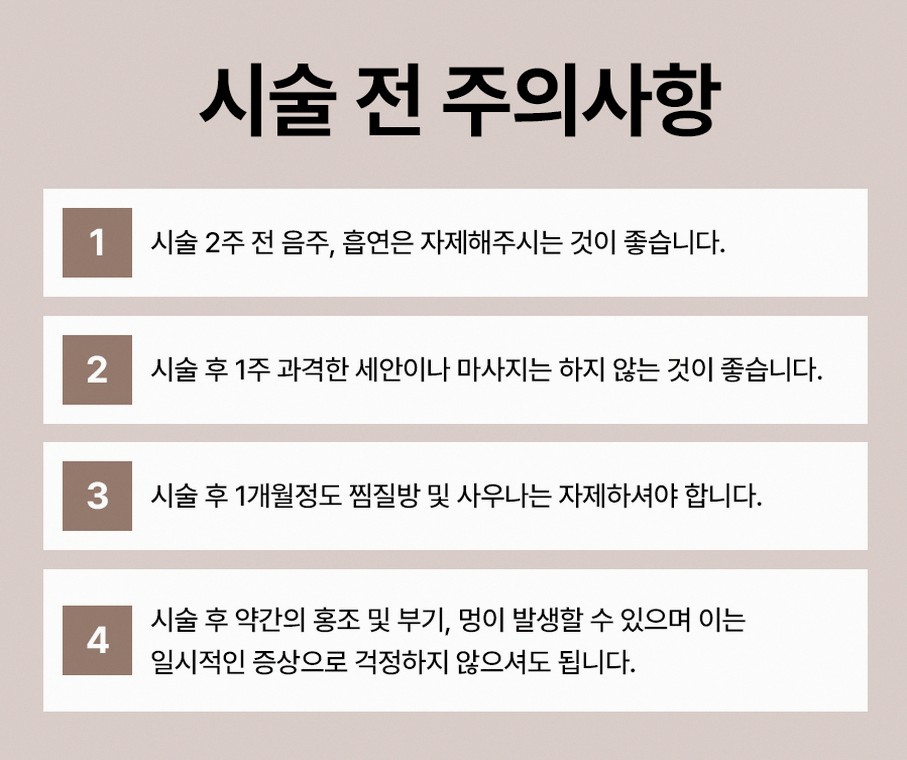
Common temporary effects include:
Mild redness for a few hours.
Slight swelling or puffiness for one to three days.
Tenderness or soreness when touching the treated area for up to two weeks.
Occasional mild bruising or tingling sensations.
Basic aftercare tips:
Use gentle skincare and avoid harsh scrubs or strong acids for a few days.
Apply sunscreen daily and avoid intense sun exposure.
Avoid very hot saunas, steam rooms, or intense exercise for 24–48 hours.
Do not massage the treated areas aggressively unless your doctor advises it.
Stay hydrated and maintain a healthy diet to support collagen production.
You can usually apply makeup the same day or the next day, depending on your skin’s sensitivity.
How long results last and when to repeat
Because Ultherapy stimulates your own collagen, the duration of results varies. Many patients feel the lifting effect for about one to two years. Factors that influence longevity include:
Age and natural aging speed.
Sun exposure and lifestyle habits.
Smoking, alcohol, and sleep quality.
Genetics and baseline skin quality.
Some people choose to repeat Ultherapy every 12–18 months as a maintenance treatment. Others may only repeat it when they notice sagging returning.
Potential risks and side effects
Ultherapy is generally considered safe when performed by trained professionals using authentic devices. Still, like any medical procedure, it has potential risks.
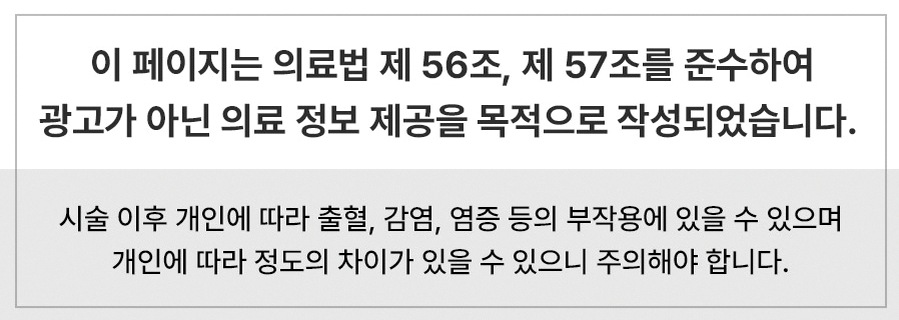
Possible side effects include:
Temporary redness, swelling, or bruising.
Numbness, tingling, or tenderness in treated areas.
Rarely, slight asymmetry or muscle weakness if energy affects nearby nerves.
Very rarely, burns or scarring if energy is misapplied.
To reduce risk, it is important to:
Choose a reputable clinic in Pyeongchon with experience in Ultherapy.
Ensure they use genuine, regularly maintained devices.
Communicate clearly about your pain level during treatment.
Follow all pre‑ and post‑treatment instructions.
Frequently asked questions
Is Ultherapy safe for darker skin tones?
Ultherapy targets deeper layers and does not rely on melanin, so it is generally considered safe for a wide range of skin tones. However, individual assessment is still necessary.
Can I combine Ultherapy with fillers or botulinum toxin?
Yes, many patients combine Ultherapy with injectables. Often, Ultherapy is done first to tighten the foundation, then fillers or botulinum toxin are added later for fine tuning. The exact timing should be planned with your doctor.
Will I look unnatural or frozen?
Ultherapy does not change facial expression muscles like botulinum toxin. It mainly tightens and lifts skin. When performed properly, the effect is usually natural, making you look fresher rather than different.
How many sessions do I need?
Most patients have one full session for a treatment area and then monitor results. A second session may be considered after several months if needed, or maintenance after one to two years.
Is there a best age for Ultherapy?
There is no strict best age. It is more about the degree of laxity. People in their late 30s to 50s with mild to moderate sagging often see the most benefit. Very young patients with firm skin may not see much change.
Can I go back to work after treatment?
Yes, many people return to work the same day or the next day. Mild redness or swelling is usually easy to cover with makeup.
How do I know if Ultherapy is right for me?
The best way is to have a detailed consultation. If your main concern is sagging or a soft jawline, and you prefer a non‑surgical option, Ultherapy may be worth considering. If your sagging is severe, your doctor may suggest other options.
Soft call to action for online consultation
If you are considering a lifting treatment during your visit to Korea and want a non‑surgical option, Ultherapy in the Pyeongchon area can be a practical choice. Before you book flights or hotels, arranging an online consultation can save time and help you plan more confidently.
Prepare a few clear photos, write down your questions, and contact a trusted Pyeongchon clinic that offers Ultherapy. With proper evaluation, realistic expectations, and a well‑planned schedule, you can make the most of your medical trip and return home with a gradual, natural‑looking lift that develops over the following months.


댓글
댓글 쓰기