Nasolabial Fold (Smile Line) Treatment Options In And Around Beomgye, Anyang
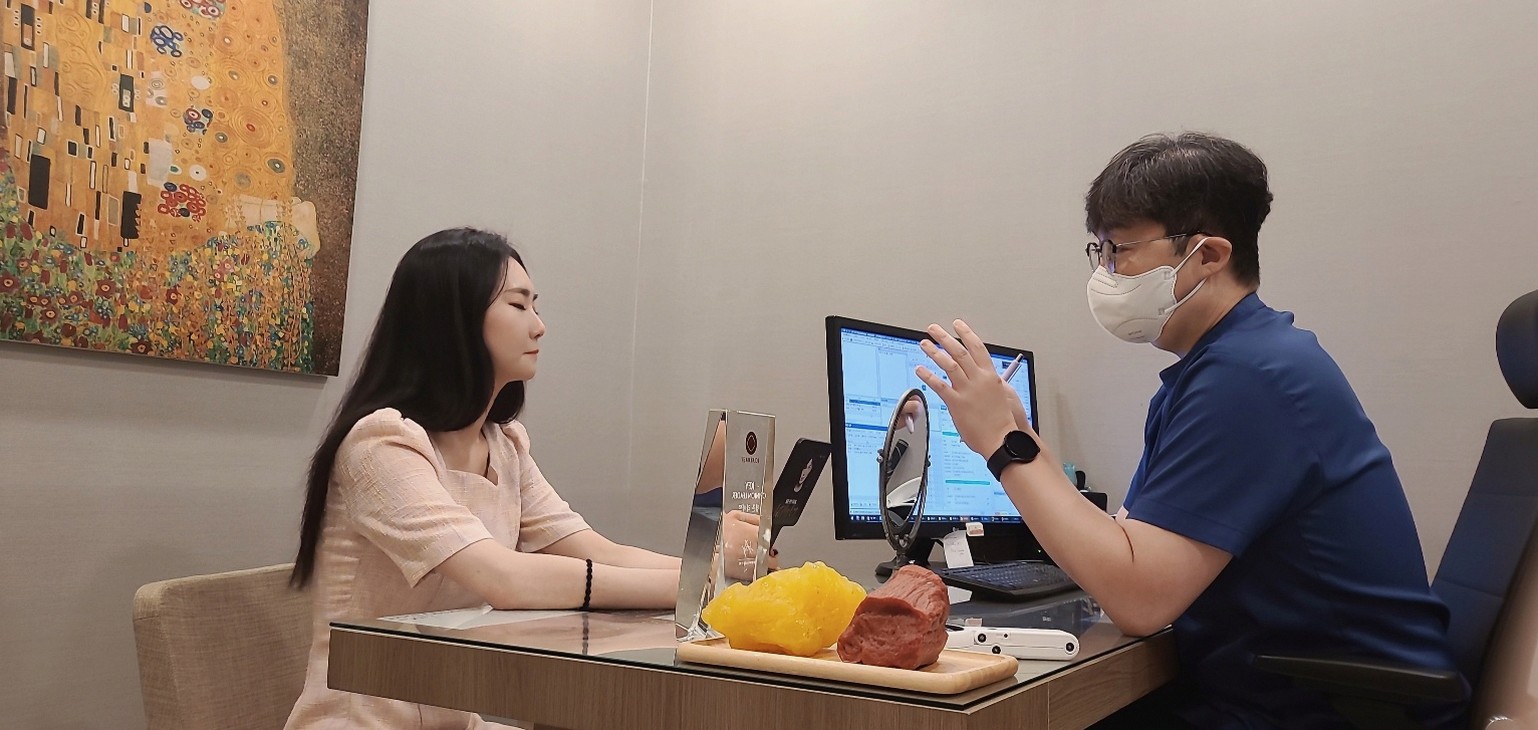
Direct answer summary for international patients
If you are living in or visiting the Beomgye area of Anyang and you are concerned about deep smile lines around your nose and mouth, you can usually improve them with non‑surgical treatments such as dermal fillers, skin boosters, and lifting procedures. Most treatments take less than an hour, involve only a few days of mild swelling or bruising, and results can last from several months up to around a year or more depending on the method and your skin. A proper face‑to‑face consultation with a medical professional is essential to choose the right option and to keep the result natural rather than overfilled.
What are nasolabial folds and why do they deepen
Nasolabial folds, often called smile lines, are the lines that run from the sides of your nose down toward the corners of your mouth. Everyone has them to some degree, even in youth, because they are part of normal facial anatomy and expression.
With age, these folds can appear deeper and more permanent. Several factors contribute to this change:
Loss of facial volume: The fat pads in the mid‑face and cheeks gradually shrink and move downward. As the cheek loses its youthful fullness, the skin above the nasolabial area starts to sag, making the fold look more pronounced.

Decline in skin elasticity: Collagen and elastin, which keep the skin firm and springy, decrease over time. The skin becomes thinner and less able to bounce back after smiling or talking.
Repeated facial expressions: Years of smiling, laughing, and speaking create repeated creasing in the same area, which can eventually form a visible line even when the face is at rest.
Lifestyle and external factors: Sun exposure, smoking, weight changes, and poor skincare can speed up collagen breakdown and make the folds appear earlier or deeper.
Because these lines are in the center of the face, they strongly influence your overall impression. Deeper nasolabial folds often make the face look tired, sad, or older than you feel. Many people in Beomgye and the wider Anyang area seek treatment when they feel their smile lines do not match their inner energy or age.
Overview of non‑surgical nasolabial fold treatments in Beomgye
Aesthetic clinics in the Beomgye district typically offer several non‑surgical options to soften nasolabial folds. These are designed to restore volume, improve skin quality, and gently lift the mid‑face without surgery.
Common options include:
- Hyaluronic acid dermal fillers
- Collagen‑stimulating fillers
- Skin boosters
- Thread lifting and other lifting procedures
Often, clinics combine two or more of these methods for a more natural and harmonious result, especially when mid‑face volume loss is a major factor.

Hyaluronic acid dermal fillers for smile lines
How they work
Hyaluronic acid (HA) is a gel‑like substance that naturally exists in your skin and helps retain moisture. In filler form, it is injected under the skin to add volume, support the tissue, and smooth out the fold.
For nasolabial folds, HA fillers can be placed directly into the line or, more commonly in modern practice, strategically injected in the surrounding areas such as the mid‑cheek to gently lift and support the fold from above. This approach often looks more natural and avoids a heavy or stiff appearance around the mouth.
Treatment time
Most nasolabial filler sessions in Beomgye clinics take about 20 to 40 minutes, including cleansing, numbing cream application if needed, and the injections themselves.
Duration of results
Depending on the product used, metabolism, and lifestyle, results usually last around 6 to 12 months. Some patients notice that with repeated treatments, the fold appears softer for longer.
Downtime and side effects Downtime is usually minimal. You might see:
Mild swelling for one to three days
Small bruises at injection points that fade over several days
Temporary tenderness or slight lumpiness that usually settles as the filler integrates
Serious complications are rare but can occur, so treatment should always be done by a qualified medical professional who understands facial anatomy.
Collagen‑stimulating fillers
How they work
Collagen‑stimulating fillers use substances that not only provide some immediate volume but also encourage your skin to produce more of its own collagen over time. This can improve firmness and skin quality in the treated area.

For nasolabial folds, these fillers are often placed in deeper layers to support the fold and the mid‑face. The initial effect may be subtle, with gradual improvement over several weeks to months as new collagen forms.
Treatment time
A typical session takes about 30 to 45 minutes. The technique and depth of injection can be slightly different from standard HA fillers, so it is important to have an experienced injector.
Duration of results
Results can last longer than standard HA fillers, often 12 to 18 months or more, depending on the product and individual factors.
Downtime and side effects Downtime is similar to HA fillers:
- Short‑term swelling or redness
- Possible bruising
- Mild discomfort or tightness
Because these fillers stimulate collagen, they are less easily reversed than HA fillers, so careful planning and conservative dosing are important.
Skin boosters for fine lines and skin quality
How they work
Skin boosters are very soft hyaluronic acid or similar injectable products designed not mainly for volume, but for hydration and overall skin quality. They are placed more superficially in multiple tiny points.
For nasolabial folds, skin boosters can:
- Improve fine lines around the mouth
- Increase skin hydration and glow
- Support other treatments like fillers or lifting
They are often used when the fold is not extremely deep, or as a complementary treatment for patients who also want better skin texture.

Treatment time
A session usually takes 20 to 30 minutes. Several sessions spaced a few weeks apart are commonly recommended for best results.
Duration of results
Results typically last around 4 to 9 months, depending on the product and your skin.
Downtime and side effects You may notice:
- Tiny bumps at injection sites that settle within a day or two
- Mild redness or swelling
- Occasional small bruises
Thread lifting and other lifting procedures
How they work
Thread lifting uses fine, dissolvable threads placed under the skin to gently lift sagging tissue and stimulate collagen. For nasolabial folds, threads are often inserted in the mid‑face or cheek area to lift the tissues that are drooping down toward the mouth.
Other lifting options may include energy‑based treatments such as ultrasound or radiofrequency devices that tighten deeper layers of the skin without injections.
Treatment time
Thread lifting for the mid‑face usually takes about 30 to 60 minutes, depending on the number of threads and the technique used.
Duration of results
Results can last around 12 to 18 months, with some collagen‑related benefits persisting longer. The threads gradually dissolve, but the new collagen they stimulate can help maintain some lifting effect.

Downtime and side effects
Compared with fillers, thread lifting may involve slightly more downtime:
- Swelling and mild soreness for a few days
- Possible bruising along the thread paths
- Temporary pulling or tight sensation when smiling or opening the mouth wide
Most patients can return to light daily activities within one to two days, but are asked to avoid heavy exercise and strong facial movements for a short period.
Choosing the right treatment for your smile lines
The best approach for your nasolabial folds depends on several factors:
- Depth and shape of the folds
- Overall skin quality and elasticity
- Degree of mid‑face volume loss
- Facial proportions and profile
- Personal preference regarding speed of results, longevity, and budget
In Beomgye clinics, it is common to combine treatments for a more balanced result. For example:
- Mid‑face or cheek filler to restore youthful volume
- Gentle filler directly in the fold to soften the line
- Skin boosters to refine texture
- Thread lifting or energy‑based tightening to support the overall lift
A careful consultation is essential to avoid overfilling the nasolabial area, which can make the face look heavy or unnatural. A skilled medical professional will evaluate your face from different angles, in motion and at rest, and design a plan that fits your features.
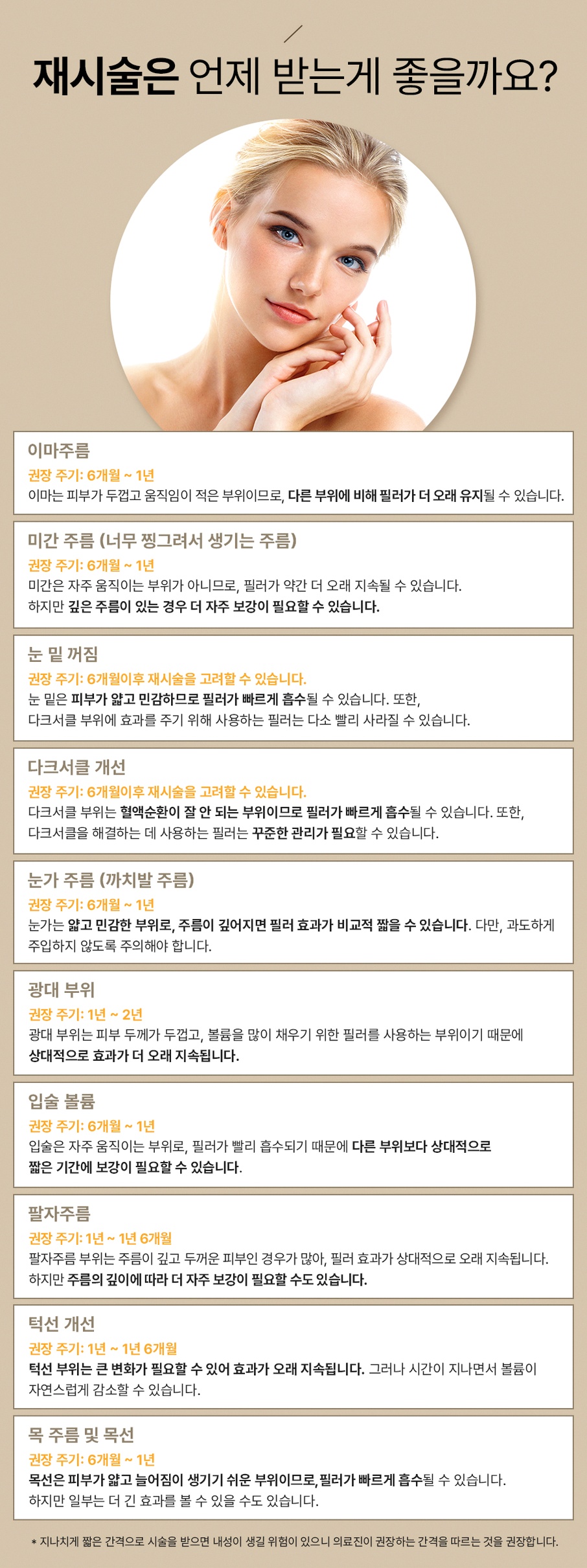
Who may consider nasolabial fold treatment You may be a good candidate if you:
- Are an adult with visible smile lines that bother you
- Feel that your face looks more tired or older than you feel
- Prefer a non‑surgical, relatively quick procedure
- Are in generally good health and not pregnant or breastfeeding
- Have realistic expectations and understand that the goal is softening, not complete erasure
Patients in their late twenties or thirties often start with subtle treatments such as light fillers or skin boosters to maintain a youthful look. Patients in their forties, fifties, and beyond may benefit from a more comprehensive approach that includes mid‑face volume restoration and lifting.
Online consultation and pre‑visit preparation for overseas patients
If you are planning to visit Beomgye or Anyang from overseas, many clinics offer online or video consultations in advance. This can help you:
- Share your concerns and photos from different angles
- Discuss possible treatment options and approximate costs
- Plan your travel schedule and recovery time
Before your visit, you can prepare by:
Listing your medical history and medications, including blood thinners, supplements, and allergies
Collecting any previous aesthetic treatment records if available
Clarifying your main priorities, such as natural look, longevity, or minimal downtime
Preparing questions about products used, expected results, and aftercare
During the online consultation, it is helpful to send clear photos without filters or heavy makeup so the clinic can evaluate your nasolabial folds and overall facial structure.
Expected Korea visit timeline for nasolabial fold treatment
For most non‑surgical nasolabial treatments, you can plan a relatively short stay in Korea, especially if you complete an online consultation beforehand.
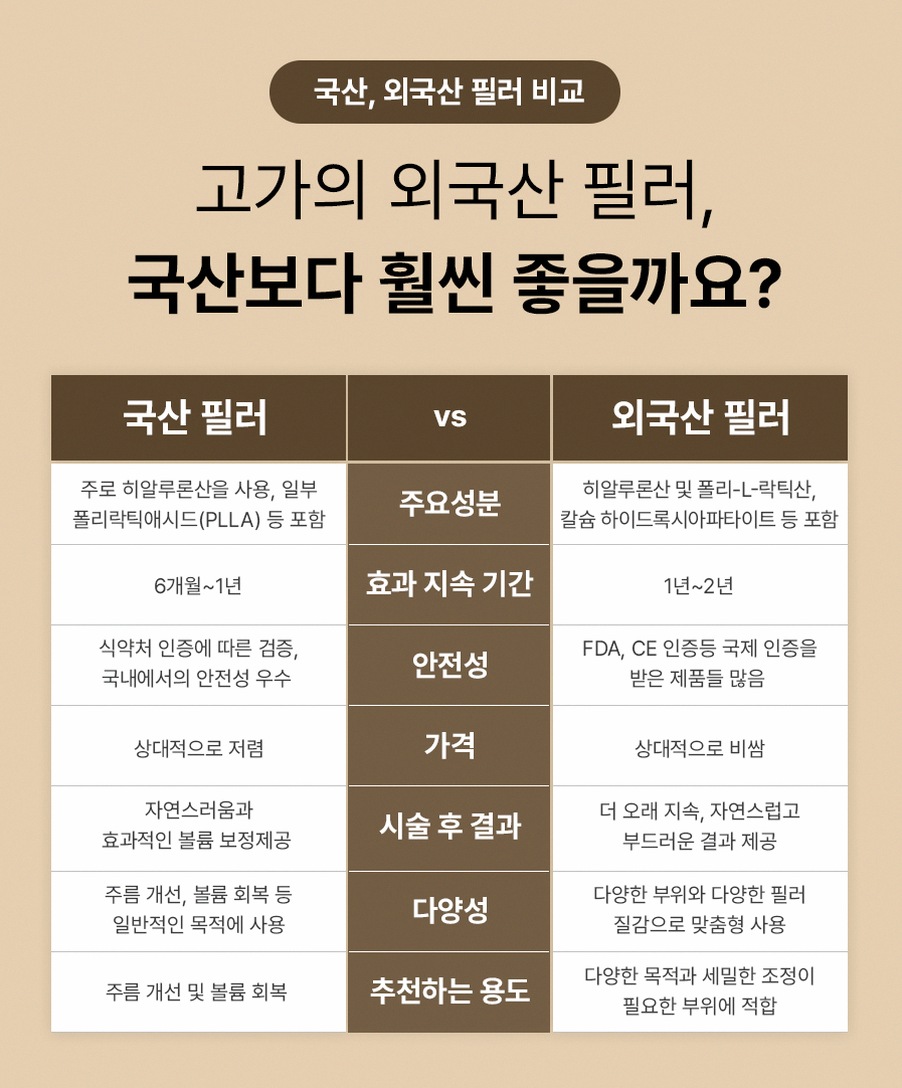
A typical schedule might look like this:
Day 1: In‑person consultation and treatment
Arrive at the clinic in Beomgye or nearby Anyang.
Discuss your goals, review your medical history, and confirm the plan.
Take standardized photos for records.
Receive numbing cream if needed, then undergo the procedure (filler, skin booster, thread lift, or combination).
Rest briefly at the clinic, then return to your accommodation.
Day 2 to 3: Early recovery
Mild swelling or bruising may appear.
You can usually enjoy light sightseeing or shopping, avoiding intense exercise and saunas.
If needed, you may have a short follow‑up check.
Day 4 to 7: Settling phase
Swelling and bruising typically improve.
Fillers and threads begin to settle into a more natural position.
Most visitors feel comfortable meeting friends, taking photos, and traveling.
If you are having a more complex combination of treatments or prefer extra monitoring, you may choose to stay a little longer. Always confirm the recommended stay with your chosen clinic.
Aftercare and recovery tips
Proper aftercare helps you achieve smoother healing and better results.
Immediately after treatment
Avoid touching or massaging the treated area unless your doctor instructs you.
Do not apply makeup for several hours to reduce infection risk.
Use a cold pack gently if there is swelling, taking care not to press too hard.
First few days
Sleep with your head slightly elevated to reduce swelling.
Avoid very hot showers, saunas, and intense exercise.
Limit alcohol and smoking, as they can worsen bruising and slow healing.
Be gentle when washing your face and applying skincare.
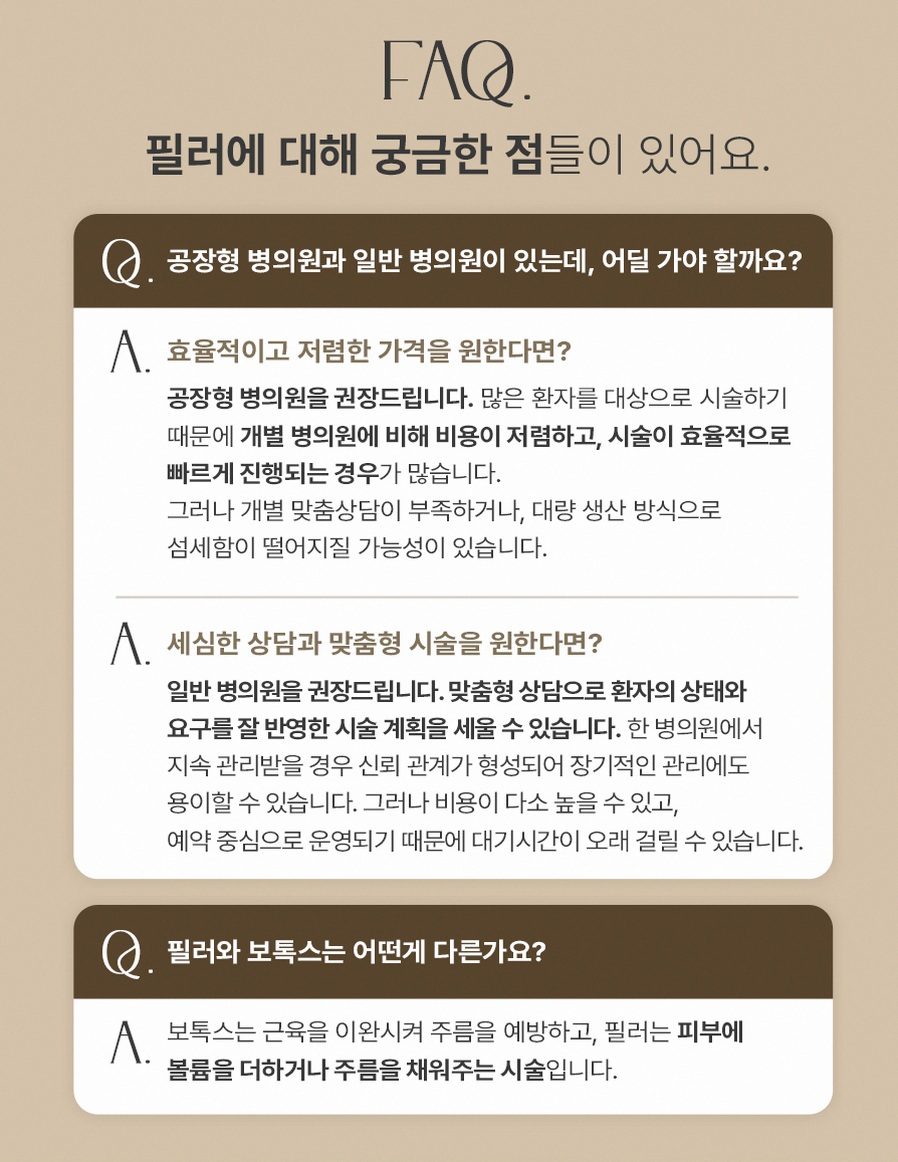
For thread lifting
Avoid wide mouth opening, strong chewing, or facial massages for the period your doctor recommends.
Follow any special instructions about sleeping positions.
Longer term
Protect your skin from the sun with sunscreen and hats.
Maintain a healthy lifestyle, including good sleep, diet, and hydration.
Follow up with your clinic as advised to monitor results and plan maintenance.
Realistic expectations and results
Non‑surgical treatments can significantly soften nasolabial folds and refresh your appearance, but they do not completely erase all lines, especially when you smile or laugh. Natural facial movement will always create some creasing, which is normal and human.
Most patients notice:
- Smoother transition between cheek and mouth area
- Less shadowing in photos
- A more rested, friendly expression
The goal is usually to look like a fresher version of yourself, not a different person. Communicate clearly with your medical professional about how subtle or noticeable you want the change to be.
Frequently asked questions
Is the treatment painful
Most nasolabial treatments involve only mild discomfort. Clinics typically use numbing cream and, in some products, local anesthetic mixed into the filler. You may feel pressure or a brief sting during injection, but it is usually well tolerated.
How long do results last It depends on the method:
- Standard hyaluronic acid fillers: around 6 to 12 months
- Collagen‑stimulating fillers: around 12 to 18 months or more
- Skin boosters: around 4 to 9 months
- Thread lifting: around 12 to 18 months

Individual results vary based on metabolism, lifestyle, and the specific product used.
Will my face look fake or overfilled
A natural result depends on proper assessment, product choice, and conservative technique. Many Beomgye clinics focus on subtle correction and often treat the mid‑face and cheeks rather than only filling the line itself. During consultation, ask to see before‑and‑after photos of patients with similar concerns and explain that you prefer a natural look.
Can I combine nasolabial treatment with other procedures
Yes. It is common to combine nasolabial fold treatment with:
- Cheek or mid‑face fillers
- Chin or jawline contouring
- Skin boosters or laser treatments for texture
- Energy‑based lifting for overall tightening
Your medical professional will design a step‑by‑step plan to avoid overloading your face in one session.
Is there an age limit
There is no strict age limit, but most clinics treat adults. Younger patients in their twenties may use light treatments for prevention and subtle enhancement, while older patients may need more structural support and lifting. Your overall health and skin condition are more important than age alone.
How do I choose a clinic in Beomgye or Anyang When comparing clinics, consider:
- Clear, detailed consultation rather than a rushed visit
- Transparent explanation of products and techniques used
- Realistic discussion of benefits, risks, and alternatives
- Clean, professional environment and medically supervised procedures
- Transparent pricing and written consent forms

You can also look for reviews from international patients and ask whether the clinic offers language support if you are not fluent in Korean.
Soft call to action for online consultation
If you are living in or planning to visit the Beomgye or Anyang area and are thinking about improving your nasolabial folds, an online consultation is a convenient first step. By sharing your concerns, photos, and medical history in advance, you can receive a preliminary assessment, suggested treatment options, and an estimated schedule and cost.
This preparation allows you to use your time in Korea efficiently and feel more confident about your decision. When you are ready, reach out to a reputable aesthetic clinic in the Beomgye district that offers clear communication, careful facial analysis, and personalized plans for nasolabial fold wrinkle reduction.


댓글
댓글 쓰기