Revision Liposuction in Korea: A Practical Guide for Corrective Body Contouring
Direct answer summary
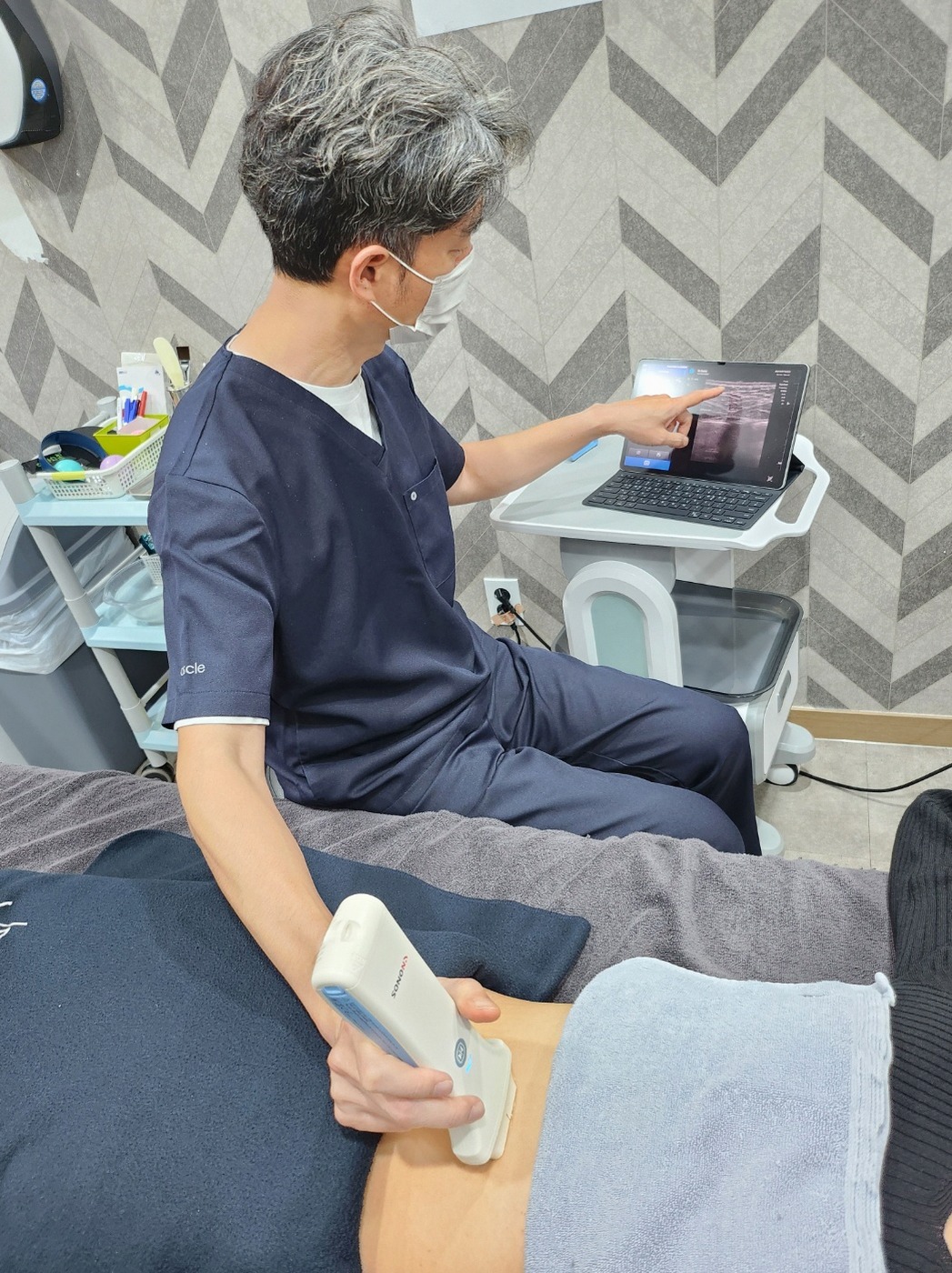
Revision liposuction is corrective surgery performed to improve or fix the results of a previous liposuction procedure. It is more complex than first-time liposuction because of scar tissue, altered fat layers, and changes in skin elasticity. In South Korea, many cosmetic surgery clinics in Seoul and other major cities see international patients who are unhappy with uneven contours, dents, asymmetry, or persistent bulges after earlier liposuction.
For the right candidate, revision liposuction can significantly refine body shape and restore confidence, but it is not a magic eraser. Careful surgeon selection, detailed consultation, realistic goals, and proper aftercare are essential for a safer and more satisfying outcome.
Treatment overview: what is revision liposuction
Revision liposuction is a secondary or corrective body contouring procedure performed after a previous liposuction. The goal is to improve contour problems or irregularities rather than simply remove more fat.
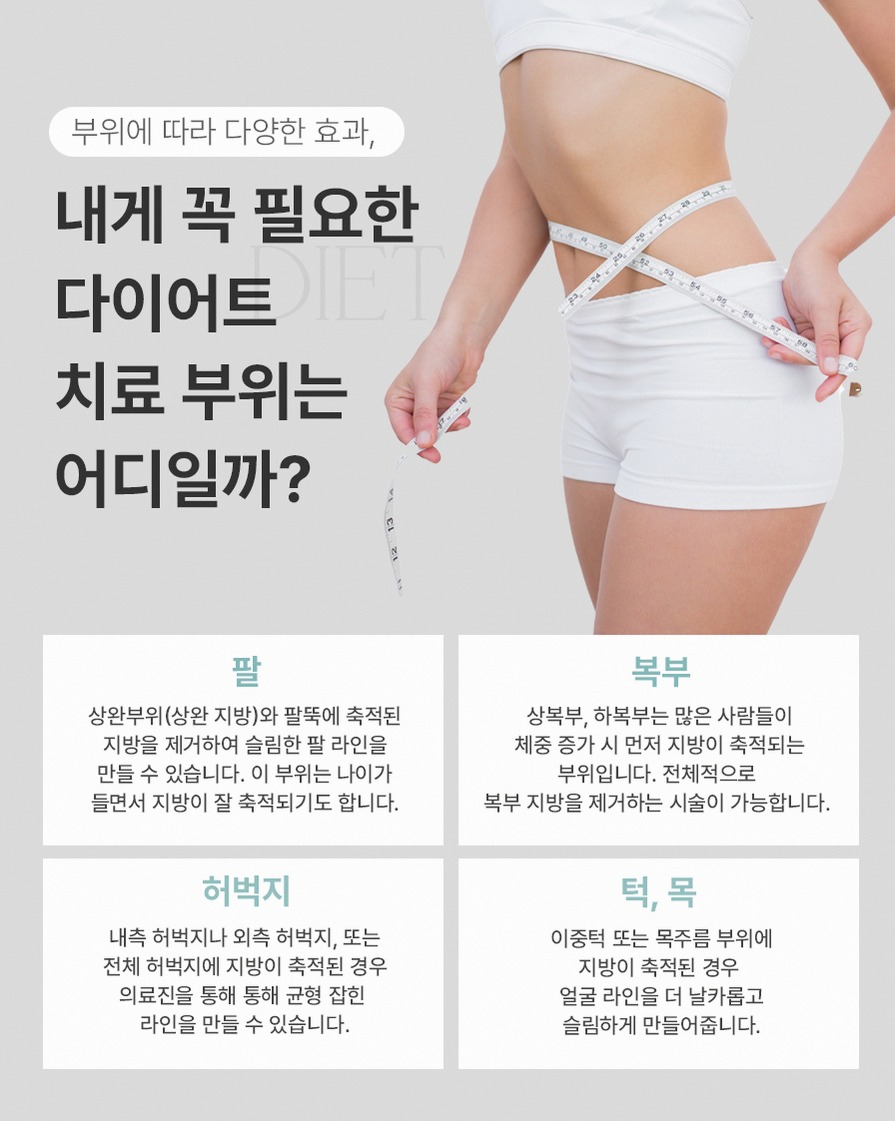
Common reasons people seek revision liposuction include:
- Uneven or lumpy contours where the skin surface looks bumpy or wavy
- Dents or depressions where too much fat was removed
- Asymmetry between the left and right sides of the body
- Over-removal of fat, leaving hollows or a gaunt appearance
- Under-removal of fat, leaving persistent bulges
- Visible scarring or irregular skin surface
- Persistent fat pockets that did not respond to the first surgery
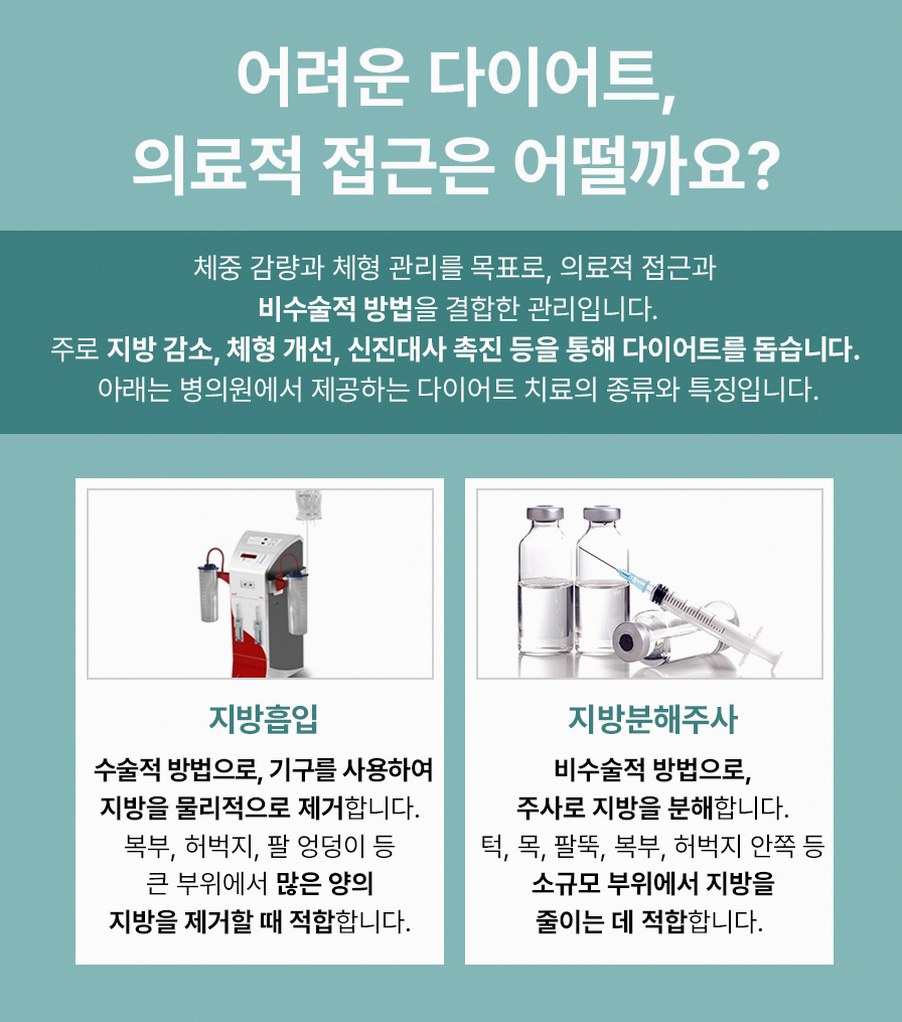
Revision liposuction can involve removing additional fat, smoothing transitions, or even adding fat back into hollow areas using fat grafting. The surgeon may also use advanced techniques such as ultrasound-assisted or laser-assisted liposuction to work more precisely in scarred tissues.
Why revision liposuction is more complex
Compared to first-time liposuction, revision cases are technically more demanding. After the initial surgery, the treated areas usually contain:
- Scar tissue that makes the fat layer firmer and more difficult to sculpt
- Disturbed or thinned fat layers, sometimes with uneven thickness
- Changes in blood supply and lymphatic drainage
- Reduced skin elasticity, especially if large amounts of fat were removed or if the skin was already loose
These changes can make it harder to predict how tissues will respond. The surgeon must work carefully to avoid worsening irregularities or damaging already compromised tissues. Because of this, revision liposuction is usually best handled by a plastic surgeon who frequently performs corrective body contouring and has extensive experience with secondary procedures.
Common body areas treated in revision cases
Revision liposuction can be performed on almost any area that was treated before, but some zones are more common:
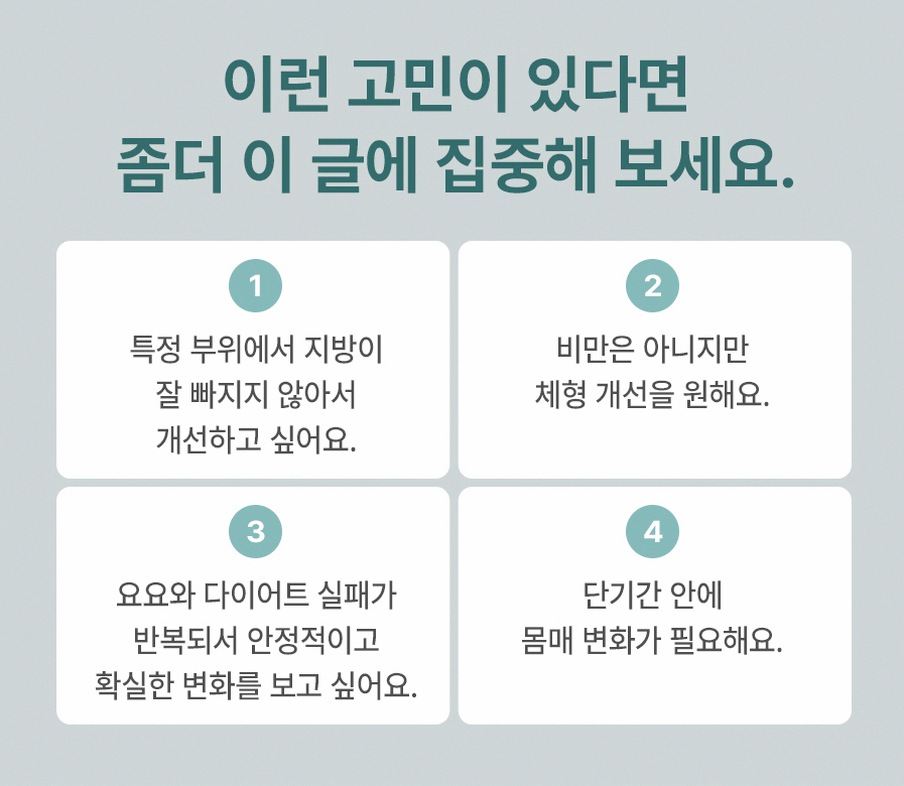
Abdomen: unevenness, ridges, or over-sculpted areas around the belly button and waist
Flanks and love handles: asymmetry or persistent bulges that disrupt the waistline
Thighs: inner and outer thighs with dents, saddlebags, or irregular transitions between treated and untreated areas
Arms: uneven contour, hanging skin, or over-suctioned upper arms
Back: bra line bulges, rolls, or patchy fat removal
Under the chin and neck: surface irregularities, residual fat, or over-removal causing a hollow or aged look
In some cases, multiple areas are revised in one session, while in others, the surgeon may recommend staging the corrections over two or more procedures for safety and better precision.
Why many patients choose South Korea for revision liposuction
South Korea is known internationally for cosmetic surgery, including body contouring. Major clinics in Seoul and other large cities often see patients who have had liposuction in their home countries and are now seeking correction.
Key reasons international patients consider Korea include:
- High volume of cosmetic surgery cases, including complex revisions
- Clinics that focus on body contouring and reshaping
- Established systems for online consultation and medical tourism support
- Modern facilities with anesthesia and recovery units designed for outpatient surgery
For revision liposuction in particular, it is important to find a surgeon who regularly handles corrective cases, not just standard first-time liposuction.
Who may consider revision liposuction
Not everyone who is unhappy after liposuction is ready for revision surgery right away. A good candidate typically has the following characteristics:
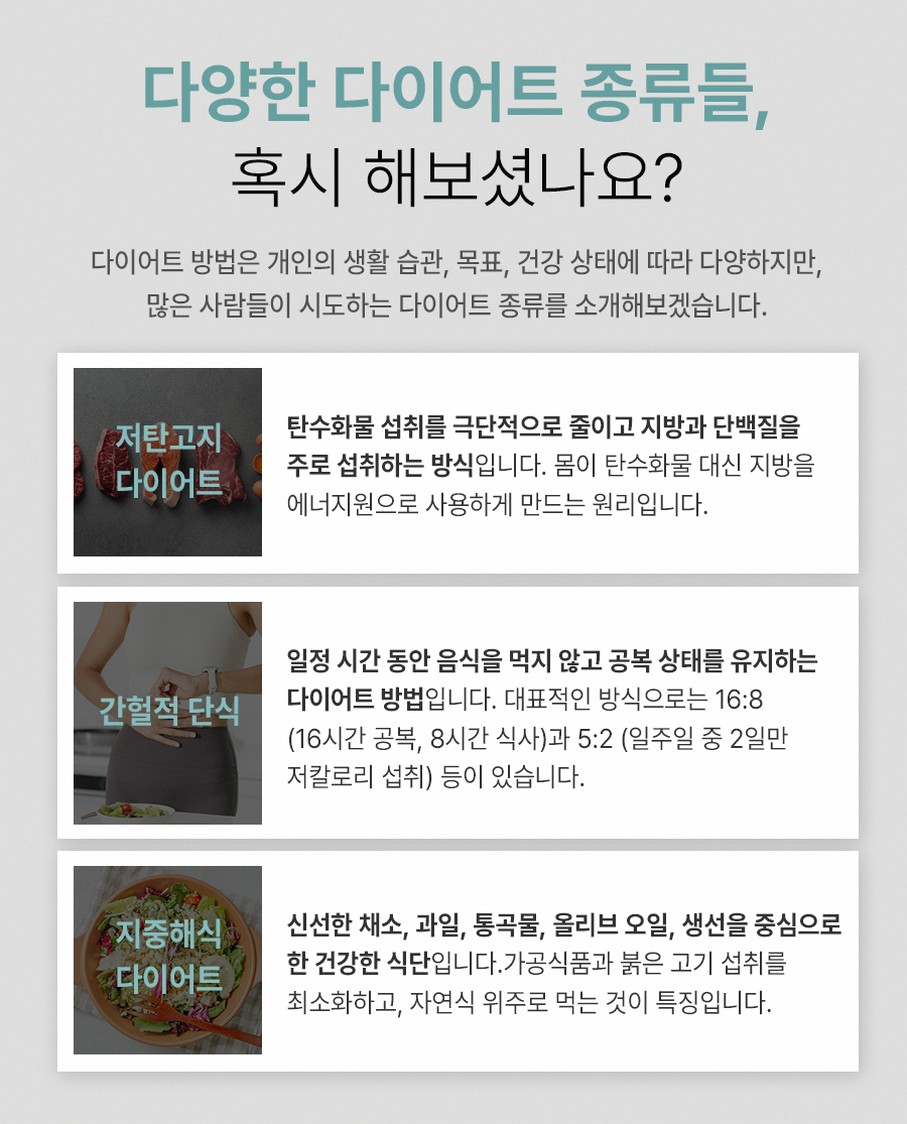
Enough time has passed since the original surgery: tissues need time to settle. This often means at least several months, and sometimes closer to 6 to 12 months, depending on the extent of the first procedure and how you heal.
Stable body weight: large weight changes can affect the result and make planning difficult.
Good general health: no uncontrolled medical conditions that would increase surgical risk.
Non-smoker or willing to stop smoking for a period before and after surgery, as smoking affects healing.
Realistic expectations: understanding that revision can improve contours but may not create a perfectly smooth or “never operated” appearance.
If you are unsure whether it is too early or too late for revision, an online consultation with photos and a description of your previous surgery can help the clinic advise you.
Emotional aspects after a disappointing first result
Many patients seeking revision liposuction are not only unhappy with their body contour but also emotionally distressed. Common feelings include:
- Disappointment that the original surgery did not meet expectations
- Loss of trust in surgeons or the medical system
- Anxiety about undergoing another procedure
- Self-consciousness about dents, lumps, or asymmetry that may be visible in clothing or swimwear
A thorough consultation is not only about technical planning but also about emotional support. A good surgeon will listen carefully, review what happened, explain what is realistically possible, and clearly discuss limitations. This kind of honest communication can reduce anxiety and help you decide whether revision is truly right for you.
Importance of detailed consultation and assessment
Revision liposuction should never be rushed. A detailed consultation is essential and usually includes:
Medical history review: previous surgeries, medical conditions, medications, allergies, and any healing problems.
Review of past records: if possible, operative notes, before-and-after photos from the first surgery, and any imaging or test results.
Physical examination: the surgeon will assess skin quality, thickness of remaining fat, scar tissue, asymmetry, and how your body looks in different positions.
Discussion of goals: which areas bother you the most, what kind of clothing you want to feel comfortable in, and how much improvement you expect.
Explanation of limitations: where improvement is likely, where changes may be minor, and which issues may not be fully correctable.
For international patients, the first step is often an online consultation with photos from several angles. Based on this, the clinic can give a preliminary opinion and suggest whether an in-person evaluation in Korea is worthwhile.
How revision liposuction is planned
After the initial assessment, the surgeon will design a customized plan. This may include:
Selection of target areas: deciding which zones will be treated and which should be left alone to avoid further irregularities.
Choice of techniques: standard suction-assisted liposuction, ultrasound-assisted, laser-assisted, or a combination, depending on tissue quality and scar density.
Consideration of fat grafting: in cases of dents or hollows, fat may be harvested from another area and injected to smooth the contour.
Staging strategy: deciding whether everything can be done in one operation or if multiple sessions are safer.
Anesthesia plan: local anesthesia with sedation versus general anesthesia, depending on the extent of surgery and patient comfort.
The surgeon will also discuss potential need for additional procedures such as skin tightening treatments or, in more severe cases, excisional surgery if the skin is too loose.
Typical revision liposuction procedure
While details vary by clinic and case, a typical revision liposuction in Korea may follow these steps:
Marking: before surgery, the surgeon marks the body while you are standing, highlighting irregularities, bulges, and planned treatment zones.
Anesthesia: depending on the extent, you may receive local anesthesia with sedation or general anesthesia.
Incisions: small incisions are made in discreet locations, often using or extending previous incision sites when possible.
Tumescent solution: a fluid containing saline, local anesthetic, and sometimes medication to reduce bleeding is injected into the fat layer.
Liposuction: thin cannulas are used to carefully remove or redistribute fat. In revision cases, the surgeon often works slowly to feel and navigate scar tissue.
Energy-assisted techniques: ultrasound or laser devices may be used to soften fibrous fat and scar tissue, allowing more controlled sculpting.
Fat grafting: if needed, purified fat is injected into dents or hollow areas to smooth transitions and restore volume.
Closure: incisions are closed or left slightly open to allow drainage, depending on the technique and surgeon preference.
Compression: a compression garment is applied to help control swelling and support the new contours.
Expected recovery and downtime
Recovery after revision liposuction is similar to primary liposuction but can be more prolonged due to existing scar tissue and repeated trauma to the area.
In general, patients can expect:
Bruising and swelling: usually most noticeable in the first 1 to 2 weeks, gradually improving over several weeks.
Discomfort: soreness, tightness, and tenderness that can be managed with prescribed pain medication.
Compression garments: typically worn for several weeks to help reduce swelling and support healing.
Return to light activities: many patients return to desk work within about 5 to 7 days, depending on the extent of surgery and personal comfort.
Exercise: gentle walking is encouraged early, but more intense exercise is usually delayed for several weeks, as advised by your surgeon.
Final results are not visible immediately. Swelling and tissue remodeling can continue for several months. In revision cases, it may take longer than with first-time liposuction for the final contour to settle, sometimes up to 6 months or more.
How recovery differs from primary liposuction
Because the tissues have already been disturbed once, revision recovery can involve:
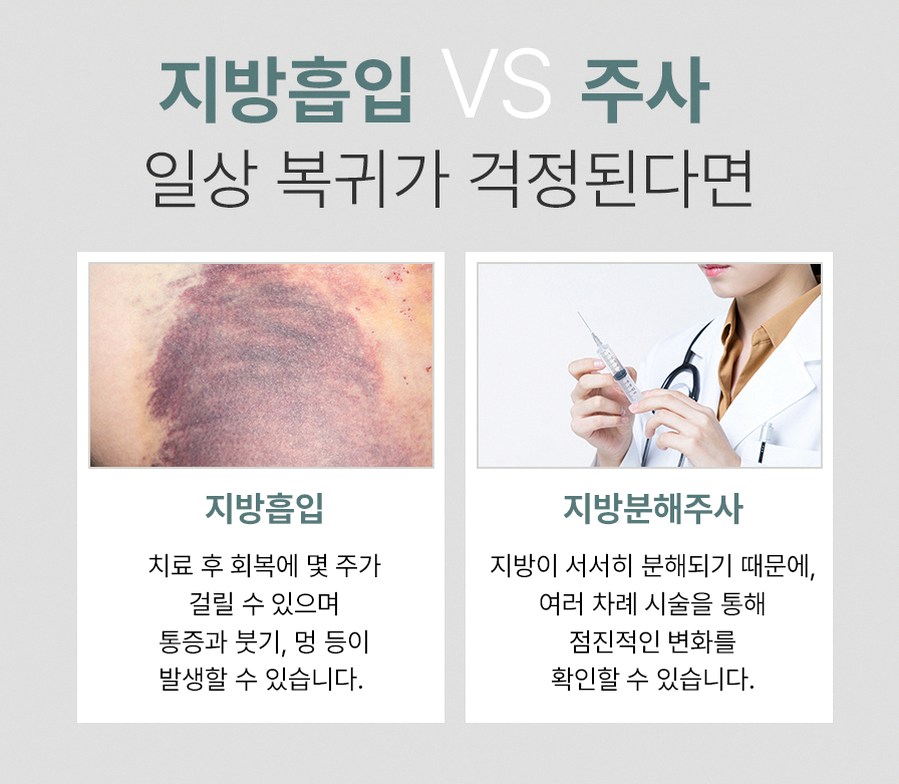
- More pronounced or longer-lasting swelling
- Increased firmness or stiffness in the treated areas
- A slightly higher chance of temporary numbness or altered sensation
- Longer time before the final shape is clear
Your surgeon should explain what is typical for your specific case and how to distinguish normal healing from signs of complications.
Safety, risks, and realistic expectations
All surgery carries risks, and revision liposuction has some added challenges. Potential issues include:
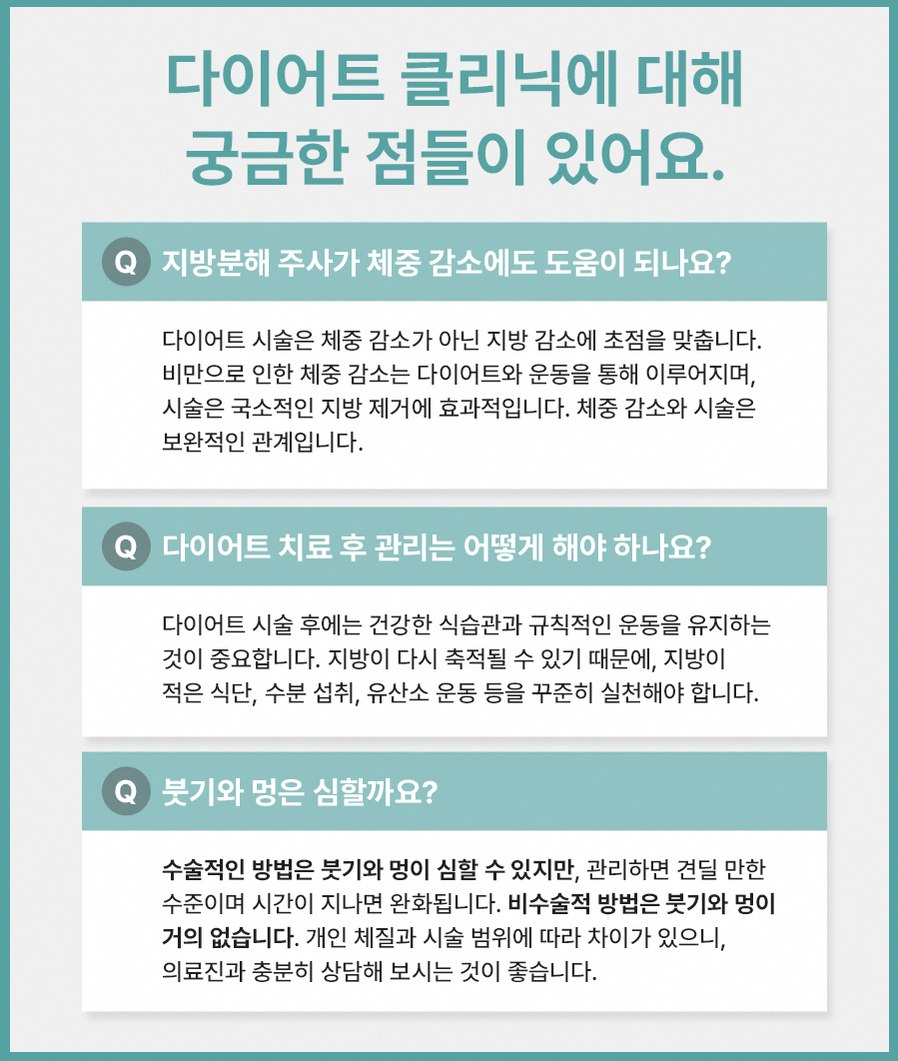
Contour irregularities: while the goal is to improve shape, there is still a risk of new or persistent unevenness.
Skin laxity: if the skin is already loose, removing more fat may worsen sagging unless combined with skin tightening.
Nerve changes: temporary or, more rarely, prolonged numbness or altered sensation.
Prolonged swelling or firmness: especially in areas with heavy scar tissue.
Scarring: small but permanent scars at incision sites, and existing scars may remain visible.
Unsatisfactory result: improvement may be significant but still short of the “perfect” outcome some patients hope for.
To reduce risks, it is important to:
Choose a board-certified plastic surgeon with experience in revision body contouring.
Review before-and-after photos of similar revision cases, not just primary liposuction.
Confirm that the clinic has appropriate facilities, anesthesia support, and follow-up systems.
Follow all pre- and post-operative instructions carefully.
In some situations, your surgeon may recommend staged procedures or additional treatments such as non-surgical skin tightening or further fat grafting to gradually refine the result.

Online consultation and pre-visit preparation
For overseas patients, the process usually begins with an online consultation. To make this effective, prepare the following:
Clear photos of the areas you want to revise, from front, back, and both sides, in good lighting.
Information about your previous liposuction: date, areas treated, approximate amount of fat removed, and where it was performed.
Any available medical records or operative notes from your first surgery.
A list of your medical conditions, medications, and allergies.
Specific concerns and goals: which irregularities bother you most and what kind of improvement you hope for.
Based on this information, the clinic can:
Advise whether you are likely a candidate for revision.
Suggest a rough treatment plan and expected timeline.
Provide an estimated cost range, subject to change after in-person examination.
Once you decide to visit Korea, you can coordinate travel dates, accommodation, and any necessary pre-operative tests.
Typical Korea visit timeline for revision liposuction
The exact schedule depends on your case and the clinic, but a common timeline for international patients might look like this:
Day 1: In-person consultation and examination, medical history review, and pre-operative tests such as blood work or imaging if needed.
Day 2 or 3: Surgery day. You will usually return to your accommodation the same day after a period of monitoring.
First week: One or more follow-up visits to check wounds, remove stitches if needed, and adjust compression garments.
Stay in Korea: Many patients stay about 7 to 10 days after surgery for early follow-up. For more extensive revisions, a slightly longer stay may be recommended.
After you return home, ongoing follow-up is often done via email or video calls, with you sending updated photos at set intervals.
Aftercare and long-term maintenance
Proper aftercare is crucial for a good outcome. This usually includes:
Wearing compression garments as instructed.
Taking prescribed medications, including pain relief and, if given, antibiotics.
Avoiding smoking and heavy alcohol consumption during the healing period.
Sleeping in recommended positions to avoid pressure on treated areas.
Avoiding heavy lifting and intense exercise until cleared by your surgeon.
Maintaining a stable weight through balanced diet and regular light activity.
Even after the main healing phase, tissues continue to mature. Gentle massage, lymphatic drainage, or other supportive therapies may be recommended by your clinic to help with swelling and firmness.
Cost factors for revision liposuction in South Korea
Revision liposuction is usually more expensive than primary liposuction. Reasons include:
Higher complexity and longer operating time.
Need for a highly skilled surgeon with revision experience.
Possible use of additional technologies such as ultrasound or laser devices.
Potential need for fat grafting or combination procedures.
Prices vary depending on the city, clinic reputation, surgeon experience, and the number and size of areas treated. During your online consultation, you can usually receive a provisional price range, with a final quote confirmed after an in-person evaluation.
Frequently asked questions
How long should I wait after my first liposuction before considering revision
In many cases, surgeons recommend waiting at least 6 months, and sometimes up to 12 months, to allow swelling to fully resolve and tissues to stabilize. However, if there are severe issues, you can seek an early opinion to plan the best timing.
Can revision liposuction completely fix dents and irregularities
Revision can often significantly improve dents and unevenness, especially when combined with fat grafting. However, in many cases, the skin and underlying tissues cannot be returned to a completely untouched state. The goal is meaningful improvement, not absolute perfection.
Will I have more scars after revision
Revision liposuction uses small incisions similar to the first procedure. Surgeons often place them in discreet locations or reuse previous incision sites when possible. You will have some small additional scars, but they usually fade over time.
Is revision liposuction more painful than the first surgery
Pain levels vary between individuals. Some patients feel that revision is similar to their first experience, while others report slightly more discomfort due to scar tissue. Proper pain management and following post-operative instructions help keep discomfort manageable.
Can I combine revision liposuction with other procedures in Korea
In some cases, yes. Common combinations include fat grafting to the buttocks or face, or skin tightening treatments. However, safety comes first. Your surgeon will advise whether combining procedures is appropriate or if staging them is safer.
What if I gain weight after revision liposuction
Weight gain can affect your results, especially if it is significant. While fat cells removed by liposuction do not return, remaining fat cells can enlarge. Maintaining a stable weight helps preserve your improved contour.
Soft call to action
If you are unhappy with the results of a previous liposuction and are considering revision in South Korea, start by gathering your medical information and clear photos. An online consultation with an experienced plastic surgeon can help you understand what is realistically possible in your case, what the process would involve, and an estimated cost and timeline.
Taking the time to choose the right clinic, ask detailed questions, and clarify your goals will help you approach revision liposuction with greater confidence and a clearer plan for achieving a smoother, more balanced body contour.


댓글
댓글 쓰기