Anyang Thread Lifting Guide for International Patients Near Beomgye Station
Direct answer summary
Thread lifting in Anyang is a minimally invasive anti‑aging procedure that uses absorbable threads to lift sagging facial tissue and support a more defined contour. It can be a good option if you notice early jowls, less definition along the jawline, or deepening smile lines but are not ready for surgical lifting. In Anyang, including the Dongan‑gu area near Beomgye Station on Line 4, you can find clinics such as Anyang Bright Eye Clinic that offer thread lifting together with multiple device‑based lifting options like ultrasound, radiofrequency, laser lifting, and needle RF. Results, downtime, and side effects vary from person to person, so a customized plan and detailed consultation are essential, especially if you are visiting from overseas.
This guide walks you through what thread lifting involves, who it may suit, how to plan a Korea visit, and what to expect before and after treatment.
What is thread lifting
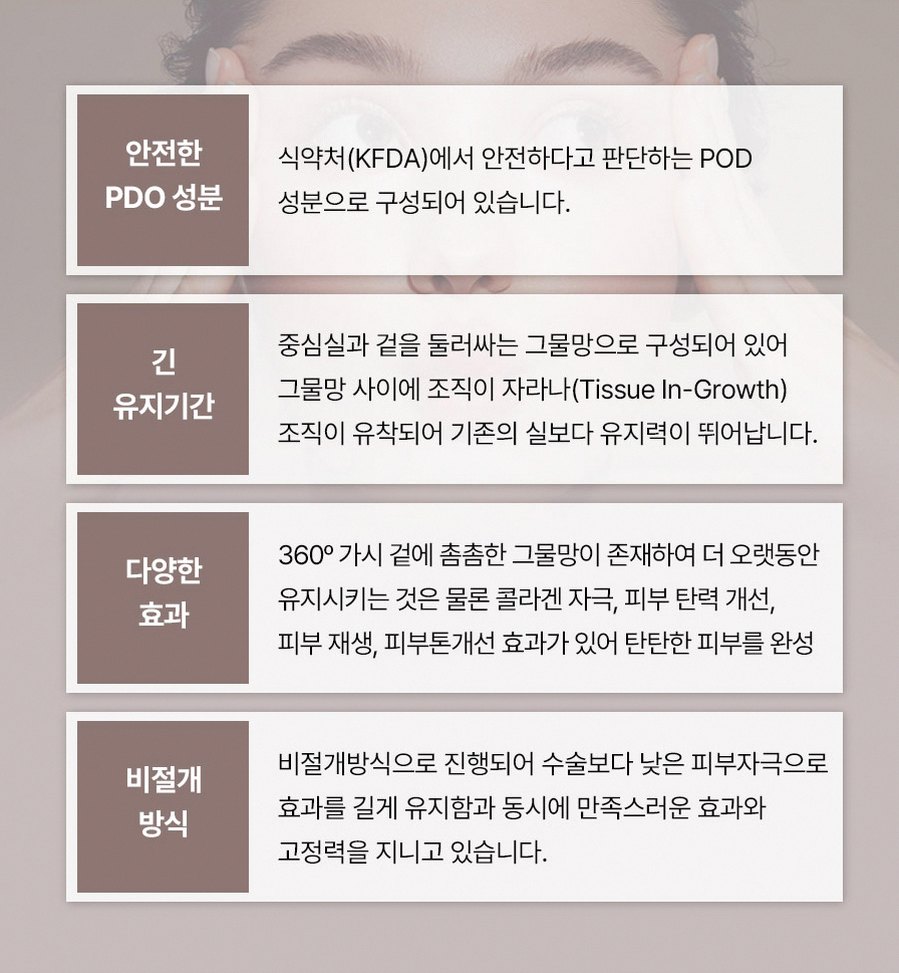
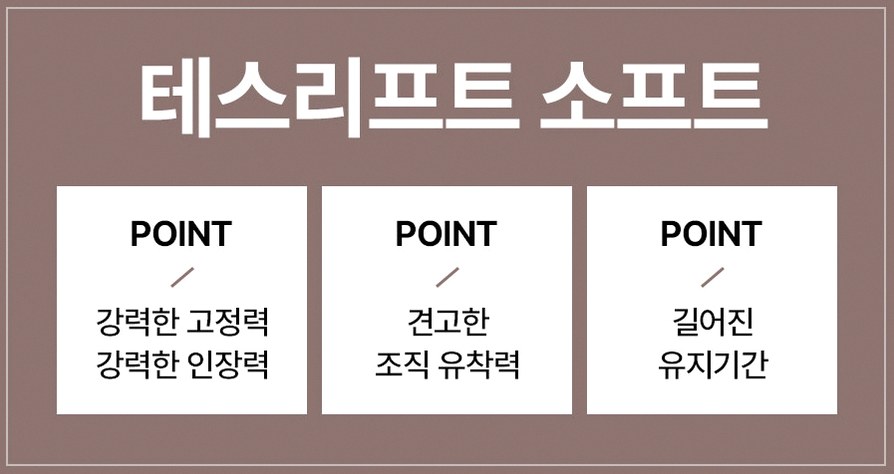
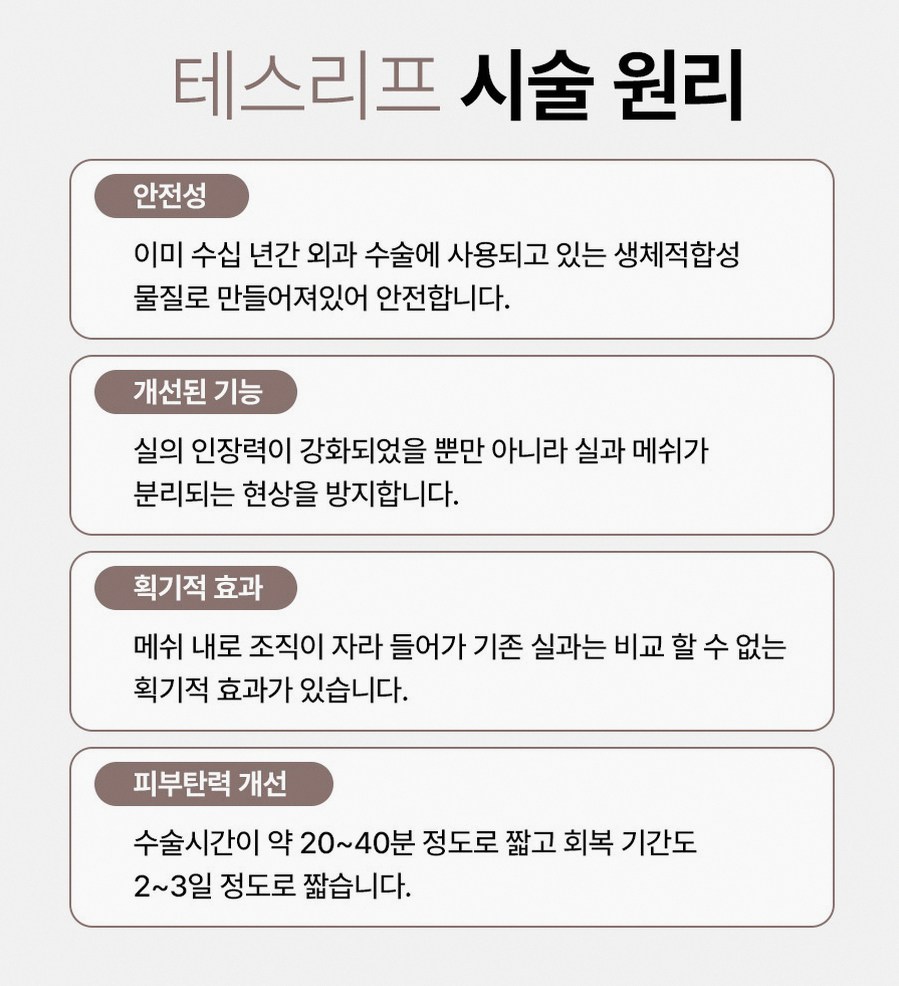
Thread lifting is a minimally invasive procedure designed to improve facial sagging and early signs of aging without full surgery. Fine absorbable threads are inserted under the skin along planned directions. These threads have tiny structures that help anchor and gently lift the tissue. Over time, they are broken down by the body, while the process can stimulate collagen production around the threads.
Typical treatment areas include the mid and lower face:
- Cheeks that look flatter or heavier than before
- Nasolabial folds, the lines from the nose to the mouth
- Marionette lines, the lines from the corners of the mouth downwards
- Jawline and jowl area where the contour has become less sharp
- Sometimes the neck, especially mild sagging under the chin
The main goals are to lift sagging tissue, improve facial definition, and create a more youthful yet natural contour. Many patients choose thread lifting because it offers more visible lifting than skincare or basic toning lasers, while still avoiding the longer recovery of surgical lifting.
Who may consider thread lifting
Thread lifting is not a one‑size‑fits‑all solution. It tends to be considered by people with:
- Mild to moderate sagging in the cheeks or jawline
- Early jowls or a less defined V‑line
- Deepening nasolabial folds or marionette lines
- A feeling that the face looks tired or heavy, even with skincare and basic treatments
It may be suitable if:
- You want noticeable lifting but are not ready for surgical lifting
- You prefer a procedure under local anesthesia rather than general anesthesia
- You can accept some downtime such as swelling or bruising
- You understand that results are not permanent and vary by individual
Thread lifting may be less suitable if you have very severe sagging or significant excess skin. In such cases, device‑based lifting, repeated sessions, or even surgical options might be discussed. This is why a detailed consultation and facial assessment are important.
Expected effects and realistic limitations
Possible improvements from thread lifting can include:
- A more defined jawline and V‑line
- Lifted cheeks with less drooping towards the mouth
- Softer nasolabial folds and marionette lines
- A generally fresher, more youthful facial contour
However, results are not identical for everyone. They depend on:
- Your skin thickness and elasticity
- The degree and pattern of sagging
- The type and number of threads used
- Whether thread lifting is combined with ultrasound, radiofrequency, laser lifting, or needle RF
- Your lifestyle and aging process after the procedure
Thread lifting does not replace surgical lifting. It usually offers a more subtle, natural change rather than a dramatic transformation. Some people see clear improvement, while others notice only gentle refinement. Over time, the lifting effect gradually softens as the threads are absorbed and aging continues.
A realistic mindset is important. The aim is often to look more rested and lifted, not to look like a completely different person.
Thread lifting combined with device‑based lifting
In Anyang, clinics such as Anyang Bright Eye Clinic offer a broad lineup of lifting and skin devices. Instead of relying on a single method, they may design a plan that combines:
- Thread lifting for mechanical lifting and contour support
- Ultrasound lifting for deeper tightening of the facial support layers
- Radiofrequency lifting for overall skin tightening and collagen stimulation
- Laser lifting or toning for texture, pores, and mild tightening
- Needle RF for tightening and improving fine lines, pores, and skin quality
Because aging is caused by multiple factors, a combination approach can sometimes provide more balanced improvement. For example:
A person with mild jowls and enlarged pores might receive thread lifting for the jawline plus needle RF for pores and texture.
Someone with early sagging and dull skin might combine ultrasound lifting, a small number of threads, and gentle laser treatments.
The exact combination, number of sessions, and intervals depend on your skin condition, age, and expectations. The medical staff usually recommends a step‑by‑step plan rather than doing every possible treatment at once.
Overview of the thread lifting procedure
While each clinic has its own protocol, a typical thread lifting process in Anyang follows these general steps.
Consultation and facial analysis
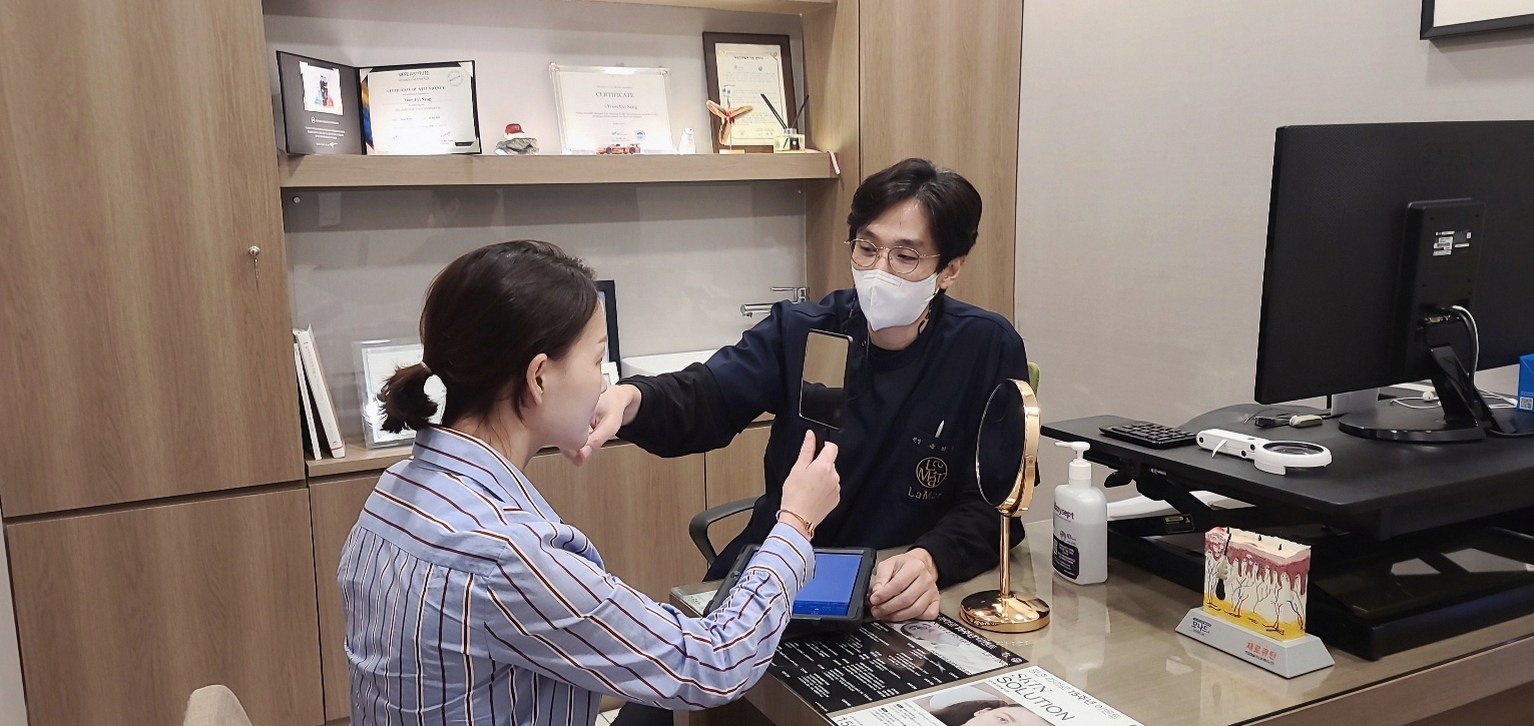
You first meet the doctor or medical staff to discuss your concerns, such as sagging cheeks, jawline definition, or deepening lines. They review your medical history, medications, and any previous procedures.
Next, they assess your skin thickness, elasticity, fat distribution, and facial symmetry. Photos may be taken for planning and for before‑and‑after comparison. Based on this, they suggest whether thread lifting alone is suitable or whether to combine it with device‑based lifting or skin treatments.
Cleansing and preparation
On the treatment day, your face is cleansed to remove makeup, sunscreen, and oil. The treatment areas are marked to show the planned thread paths and lifting vectors.
Local anesthesia or numbing
Numbing cream, local anesthetic injections, or both are used to reduce discomfort. You may still feel some pressure or pulling, but the goal is to minimize pain during the procedure.
Thread insertion
Using fine needles or cannulas, the doctor inserts the threads under the skin along the pre‑planned directions. You may feel some tugging as the threads are positioned and gently tightened to lift the tissue.
The number of threads varies depending on your facial structure and goals. The procedure time can range from about 30 minutes to over an hour, depending on complexity and whether other treatments are done on the same day.
Post‑procedure soothing care
After the threads are placed, the treated area is usually cooled or soothed to help reduce swelling and discomfort. You receive instructions about how to sleep, wash your face, and move your facial muscles in the first days.
Pain level, downtime, and recovery
Pain and discomfort
Most people describe thread lifting as tolerable with local anesthesia. You may feel:
- Pinching or stinging during anesthetic injections
- Pressure or pulling as threads are positioned
- Mild soreness or tightness for several days after
Pain perception is individual. If you are very sensitive, discuss pain control options during your consultation.
Downtime and visible signs
Recovery is usually shorter than surgical lifting, but it is not zero downtime. You may experience:
- Swelling, especially in the first few days
- Bruising along the thread paths or entry points
- Tightness or a pulling sensation when moving facial muscles
- Mild asymmetry or unevenness in the early phase
These signs often improve over days to a couple of weeks, but some residual tightness or subtle irregularities can last longer as tissues adapt. Makeup can usually be used after a certain period, as advised by the clinic.
Aftercare precautions
To protect the threads and support healing, common recommendations include:
Avoid strong facial massage, rubbing, or pressing the face
Avoid sleeping face‑down or on the side that was more heavily treated, especially in the first days
Limit exaggerated facial expressions, wide yawning, or chewing very hard foods for a short period
Avoid high‑heat treatments on the face, such as intense saunas, until your doctor approves
Follow any specific skincare instructions, including when to restart active products
The clinic may schedule a follow‑up visit to check healing and symmetry. If small irregularities or dimples appear, they often soften as swelling subsides and tissues relax, but in some cases additional adjustment may be needed.
Safety, risks, and possible side effects
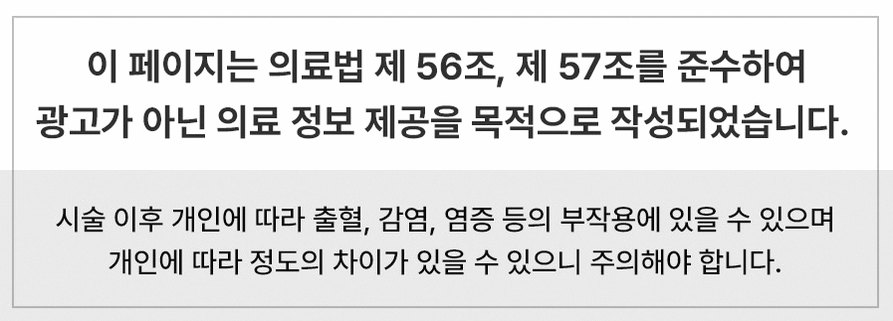
Thread lifting is widely performed, but it is still a medical procedure with potential risks. Possible side effects include:
- Pain or prolonged tenderness
- Swelling and bruising
- Skin dimpling or irregularity near thread entry points or along the thread path
- Infection at the insertion sites
- Thread visibility or the ability to feel the threads under the skin
- Asymmetry between the left and right sides
- Unsatisfactory aesthetic outcome compared with expectations
Most side effects are temporary and improve with time and proper care, but in some cases further treatment or thread adjustment may be required. Serious complications are less common but can occur, which is why it is important to:
- Choose a clinic where the medical staff has experience with facial lifting procedures
- Share your full medical history and medications
- Follow all pre‑ and post‑procedure instructions
- Keep your expectations realistic and understand that individual outcomes vary
Anyang location and clinic environment
Anyang is located in Gyeonggi‑do, just outside Seoul, and is convenient for both local residents and international visitors staying in the capital area. In Dongan‑gu, near Beomgye Station on Seoul Subway Line 4, you can find clinics like Anyang Bright Eye Clinic within walking distance of the station. This makes it easy to reach the clinic from central Seoul or from nearby cities using public transportation.
The clinic offers a broad lineup of lifting and skin devices, including ultrasound lifting, radiofrequency lifting, laser lifting, needle RF, and various skin and body contouring systems. Because of this range, the medical team can design individualized lifting and anti‑aging plans that may combine thread lifting with device‑based treatments when appropriate.
The clinic operates with weekday daytime hours, some evening hours on selected days, and Saturday hours, while closing on Sundays and public holidays. Because schedules can change, it is best to check the latest operating hours and make a reservation before visiting.
Online consultation and pre‑visit preparation for overseas patients
If you are planning to travel to Korea for thread lifting in Anyang, careful preparation will help you use your time efficiently.
Online consultation
Many international patients start with an online consultation. You can usually contact the clinic by email, phone, or messaging apps. During this step, you may be asked to:
- Share clear photos of your face from the front and both sides in good lighting
- Explain your main concerns, such as sagging cheeks, jawline, or specific lines
- Describe any previous treatments, including lifting devices, injections, or surgery
- List your medical history, medications, allergies, and any chronic conditions
Based on this information, the clinic can give a preliminary opinion on whether you may be a candidate for thread lifting, whether combination treatments might be useful, and how many days you should plan to stay in Korea.
Documents and medical information
Before your visit, prepare:
- A list of current medications and supplements
- Information on any blood‑thinning drugs or conditions affecting healing
- Records or photos from previous procedures, if available
If you have specific health issues, such as autoimmune disease or bleeding disorders, inform the clinic in advance so they can advise whether thread lifting is appropriate.
Travel planning
When scheduling flights and accommodation, consider:
Arriving at least one day before your consultation or procedure so you are rested
Staying long enough to allow for initial healing and at least one follow‑up visit
Choosing accommodation with convenient access to Line 4 or directly to Beomgye Station
If you plan to combine thread lifting with other lifting devices or skin treatments, discuss the ideal sequence and timing with the clinic during your online consultation.
Expected Korea visit timeline
The exact schedule depends on your plan, but a typical timeline for overseas patients might look like this.
Day 1: Arrival and rest
Arrive in Korea and check into your accommodation. Use this day to rest, adjust to the time difference, and avoid alcohol or excessive physical exertion.
Day 2: In‑person consultation and possible pre‑treatments
Visit the clinic in Anyang, Dongan‑gu, near Beomgye Station. The doctor or medical staff performs a detailed facial assessment, confirms your medical history, and discusses realistic expectations.
At this point, they finalize the treatment plan, including whether to combine thread lifting with ultrasound, radiofrequency, laser lifting, or needle RF. In some cases, non‑invasive lifting or skin treatments may be done on the same day, while thread lifting is scheduled for another day. In other cases, thread lifting and certain device treatments may be done together, depending on safety and your schedule.
Day 3: Thread lifting procedure
On the procedure day, you undergo cleansing, marking, anesthesia, and thread insertion as planned. After the procedure, you rest in the clinic for a short period and receive aftercare instructions.
Days 4–6: Early recovery
You may experience swelling, bruising, and tightness. It is usually possible to move around and use public transportation, but you may prefer quieter activities and light sightseeing. Avoid heavy exercise, facial massage, and sleeping face‑down.
Day 7–10: Follow‑up visit
A follow‑up visit is often scheduled within about a week to check healing, symmetry, and any early side effects. If you are returning to your home country soon after, this is a good time to ask detailed questions about long‑term care and what to watch for.
If your schedule is tight, the clinic may adjust the timeline, but it is wise to allow at least several days between the procedure and your departure.
Aftercare once you return home
When you go back to your home country, continue to follow the aftercare instructions provided by the clinic. General points include:
Continue gentle skincare and sun protection
Avoid aggressive facial treatments, strong massages, or high‑heat procedures on the face until approved
Monitor for any unusual pain, redness, or swelling that worsens instead of improving
Keep realistic expectations about the gradual settling of results over weeks to months
If you have concerns, you can usually contact the clinic by sending photos and descriptions of your symptoms. They can advise whether what you see is within the normal healing range or whether you should visit a local medical provider.
Frequently asked questions about Anyang thread lifting
How long do thread lifting results last
The duration of effect varies widely. Factors include your age, skin quality, lifestyle, and the type and number of threads used. Many people notice the most visible effect in the months after treatment, with gradual softening over time. Because results are not permanent, some patients choose to repeat thread lifting or maintain results with device‑based lifting and skin treatments.
Is thread lifting suitable for all ages
Thread lifting is often considered for people in their late 20s to 50s who have mild to moderate sagging. Very young patients with almost no sagging may benefit more from preventive skincare and non‑invasive tightening, while those with very advanced sagging may need different approaches. Age is only one factor; skin condition and facial structure are more important.
Will my face look unnatural or overdone
Most clinics in Anyang, including Anyang Bright Eye Clinic, aim for natural‑looking changes rather than an overly pulled or artificial appearance. The number and placement of threads are planned to support your existing features. Communicate clearly about how subtle or noticeable you want the change to be, and ask to see example photos that match your age and facial type.
Can I combine thread lifting with other procedures
Yes, many people combine thread lifting with ultrasound lifting, radiofrequency lifting, laser lifting, needle RF, or skin treatments. The exact combination and timing should be planned carefully to avoid overstressing the skin. The clinic will usually prioritize safety and gradual improvement over doing too many procedures at once.
How soon can I return to work or social activities
This depends on your job and your tolerance for visible swelling or bruising. Some people with flexible work or remote jobs return within a day or two, while others prefer to wait several days until swelling decreases. Makeup can help cover bruising once the clinic confirms it is safe to apply.
Considering a consultation in Anyang
If you are noticing early sagging, a softer jawline, or deepening facial lines and are exploring non‑surgical lifting options, thread lifting in Anyang may be worth considering. Clinics in Dongan‑gu near Beomgye Station, such as Anyang Bright Eye Clinic, provide thread lifting alongside a wide range of lifting and skin devices, allowing for individualized plans that focus on natural, balanced improvement.
Before you decide, take time for an online consultation, share clear photos and medical information, and discuss your schedule if you are traveling from overseas. With realistic expectations, a customized plan, and proper aftercare, you can use your visit to Korea to address facial aging concerns in a structured and informed way.
If you are interested, consider contacting the clinic in advance to arrange an online consultation, confirm current operating hours, and start planning a treatment schedule that fits your travel plans and personal goals.


댓글
댓글 쓰기