Beomgye Thread Lifting Reviews: What International Patients Should Really Look For
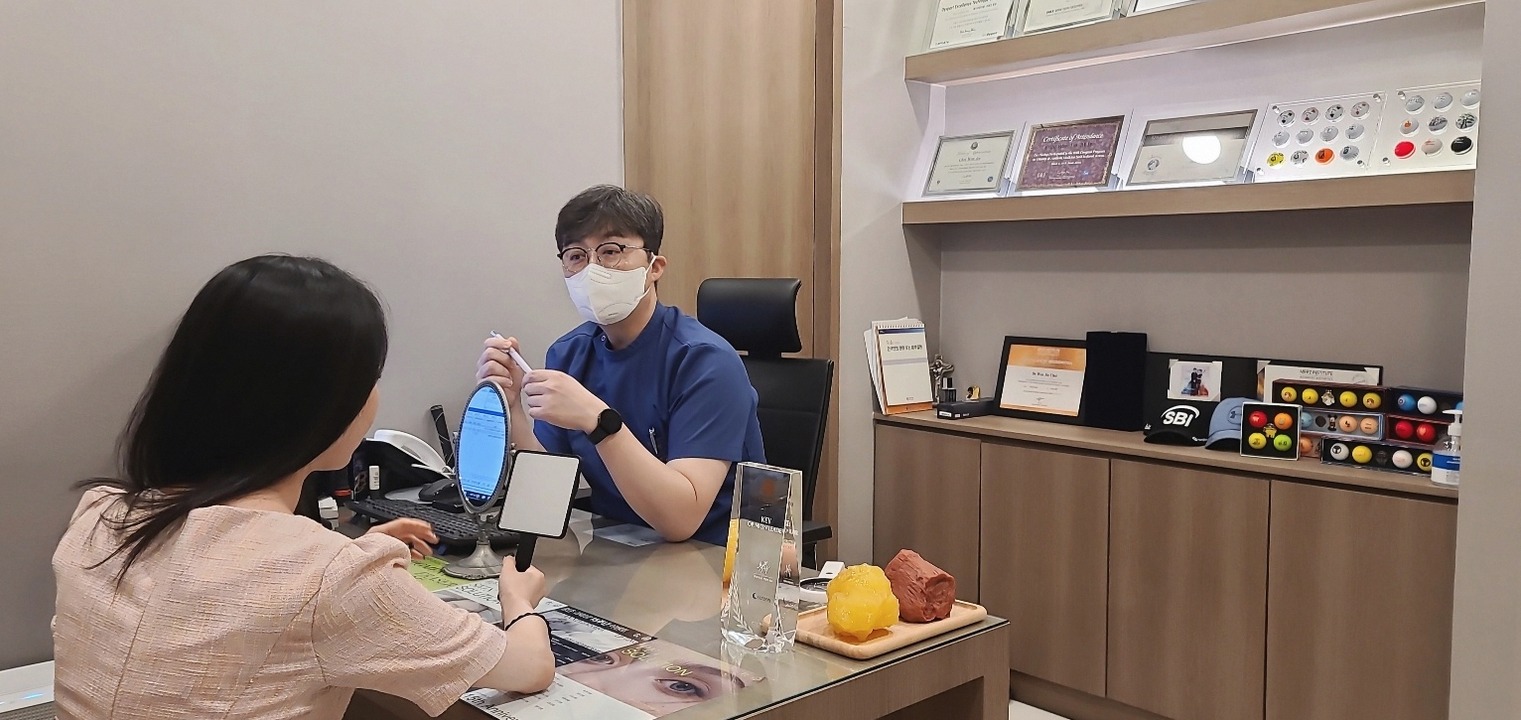
Direct answer summary
If you are searching for Beomgye thread lifting reviews, you are probably trying to understand three things: how much it hurts, how long the swelling lasts, and whether the lifting effect feels worth it. Thread lifting around Beomgye Station is usually done as a minimally invasive procedure with local anesthesia, using absorbable threads to lift areas like the jawline, cheeks, and nasolabial folds. Most patients report some discomfort during anesthesia and a few days of swelling or tightness, with the visible lifting effect appearing immediately and then changing gradually over several weeks.
Thread lifting overview
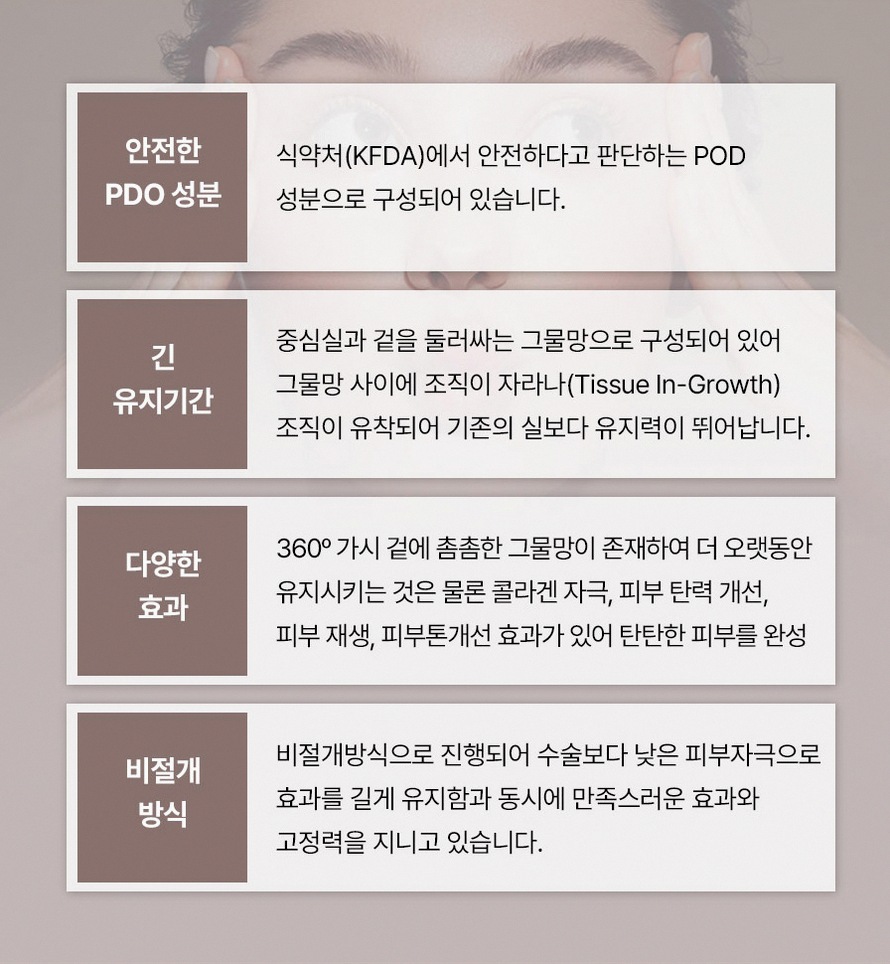
Thread lifting is a minimally invasive lifting procedure that uses fine absorbable threads placed under the skin to improve sagging and facial contours. It is often chosen by people who notice a drooping jawline, deepening nasolabial folds, marionette lines, or general lower face sagging but are not ready for surgical lifting.
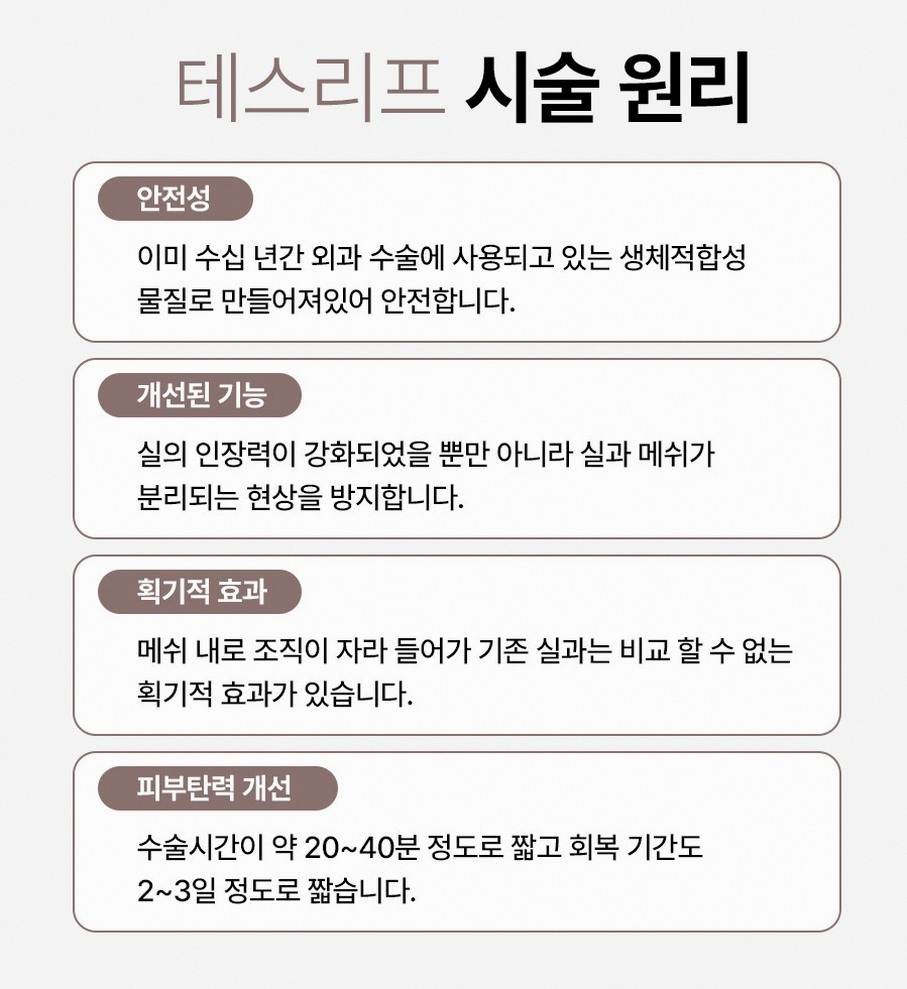
During thread lifting, threads made from absorbable materials are inserted through small entry points using a needle or cannula. These threads support and reposition the tissue along planned directions, creating a mechanical lifting effect. Over time, the presence of the threads can stimulate collagen around them, which may help with firmness and skin quality.
Thread lifting is not the same as surgery. It is usually performed with local anesthesia, takes a relatively short time compared with surgical lifting, and does not require general anesthesia or large incisions. However, it is still a medical procedure and can involve bruising, swelling, and other side effects that should be discussed in advance.
How thread lifting is typically performed
Although each clinic has its own style, the general flow of thread lifting is similar.
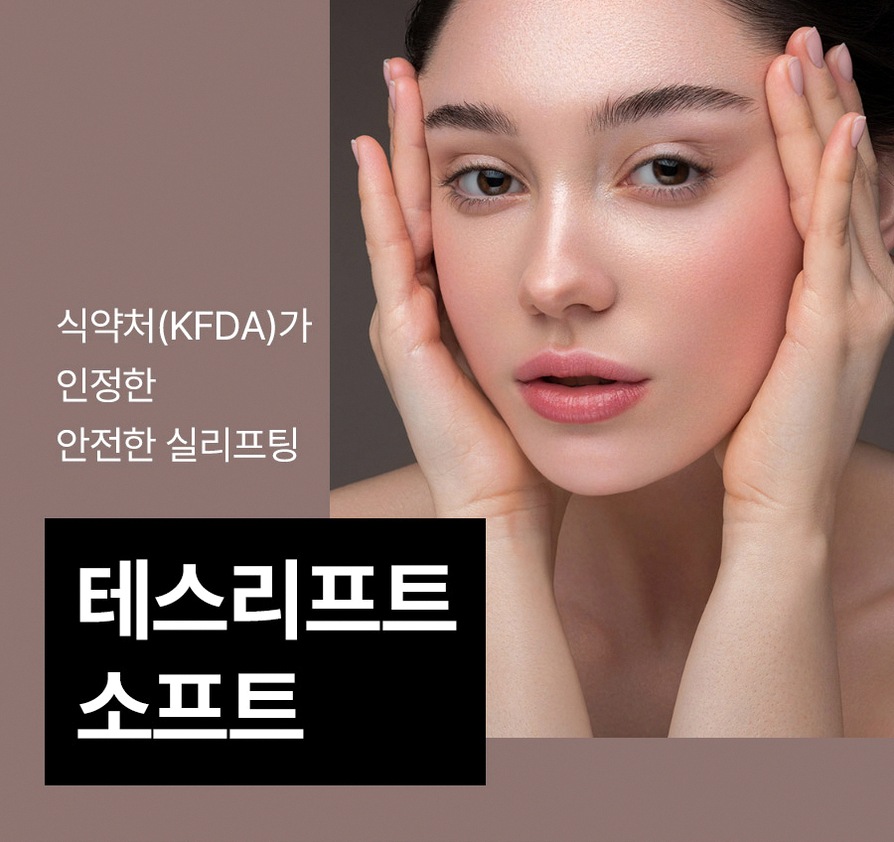
Consultation
You first meet the doctor or medical staff to discuss your concerns. They usually examine:
- Skin thickness and elasticity
- Degree and pattern of sagging
- Facial asymmetry
- Existing volume loss (for example, flat cheeks or hollow areas)
During this step, you should explain what bothers you most: for example, a blurry jawline, sagging around the mouth, or deep smile lines. The doctor then suggests whether thread lifting alone is suitable, or whether it might be better combined with ultrasound or radiofrequency lifting.
Design Next, the lifting plan is designed. This usually includes:
Which areas to treat (jawline, cheeks, nasolabial folds, marionette lines, or midface)
Type of threads (for example, threads with barbs or cones that help anchor the tissue)
Direction and depth of insertion
Approximate number of threads
Preparation
Before the procedure, the skin is cleansed and disinfected. Depending on the clinic and your pain tolerance, the staff may apply topical anesthetic cream, inject local anesthesia, or use both. You may feel stinging or pressure during the anesthesia injections, which many patients describe as the most uncomfortable part.
Insertion
The doctor then inserts the threads through small entry points using a needle or blunt cannula. The threads are guided along the planned lifting vectors under the skin. You may feel pressure, pulling, or a strange sensation, but the goal of the anesthesia is to reduce sharp pain. Some patients feel more discomfort on one side than the other, or more sensitivity in certain areas like near the mouth.
Expected effects and what they really feel like
Immediately after thread insertion, most patients notice a visible lifting effect, especially along the jawline and lower face. The face can look slightly tighter or more contoured. At the same time, you may feel:
- Tightness when opening your mouth wide or laughing
- A pulling sensation when chewing or making big facial expressions
- Mild to moderate soreness in the treated areas
Over the following weeks, the threads gradually stimulate collagen around them, which may help with firmness and skin texture. Some people feel that the lifting becomes more natural-looking after one to two weeks, once the initial swelling and tightness settle.
However, the degree of improvement and how long it lasts vary widely. Factors include thread type, number of threads, treated area, age, skin thickness, lifestyle, and individual healing response. No clinic can guarantee a specific duration or exact result.
Common concerns from Beomgye thread lifting reviews
When people write reviews about thread lifting near Beomgye Station, they usually focus on a few key points.
Pain and discomfort
Patients often describe the pain level in their own words. Typical comments include:
- Anesthesia injections sting but are short
- Pressure and pulling are more noticeable than sharp pain
- Some discomfort when threads are adjusted or tightened
Pain perception varies greatly. Someone with a high pain threshold may call it “bearable,” while another person may find it quite sensitive. Reading several reviews can help you understand the range of experiences, but your own sensation may still be different.
Swelling, bruising, and tightness
Reviews often mention how the face looked and felt in the first few days:
Swelling that is most noticeable on days one to three, then gradually decreases
Bruising along the thread paths or at entry points, which can last from a few days to a couple of weeks
Tightness or pulling sensation, especially when chewing or smiling
Some people feel comfortable going back to work after a few days, while others prefer a week of social downtime. Recovery speed depends on your body, the number of threads, and how your tissue reacts.
Longevity and satisfaction
Reviewers usually talk about when they started to feel satisfied:
- Some like the immediate lifting effect right after the procedure
- Others prefer the look after one to two weeks, when swelling has gone down
- A few may feel the effect is more subtle than expected
Longevity comments vary: some feel the lifting lasts well for many months, while others feel it softens sooner. This variation is normal and reflects individual differences rather than the clinic alone.
Safety and side effects Honest reviews sometimes mention side effects such as:
Temporary asymmetry due to swelling or tissue adjustment
Small irregularities or dimples in the contour that usually improve as the tissue settles
Prolonged tenderness in certain spots
Who may consider thread lifting near Beomgye Station
Thread lifting may be considered if you:
- Notice sagging along the jawline, cheeks, or lower face
- Want a lifting effect without surgical lifting
- Are comfortable with a minimally invasive procedure and short-term swelling or bruising
- Understand that results are not permanent and vary by person
It may be less suitable if you have very thin skin with little support, very heavy sagging that might respond better to surgery, or medical conditions that increase the risk of bruising or poor healing. These points should be discussed with the doctor during consultation.
The clinic uses more than 14 types of skin and lifting devices, including ultrasound lifting, radiofrequency lifting, needle RF, pigment and vascular lasers, and other skin care devices. Having multiple devices allows the medical staff to tailor treatment plans to different skin conditions rather than relying on a single machine. For example, they can combine thread lifting with ultrasound or radiofrequency lifting when appropriate, depending on skin laxity, thickness, and patient goals.
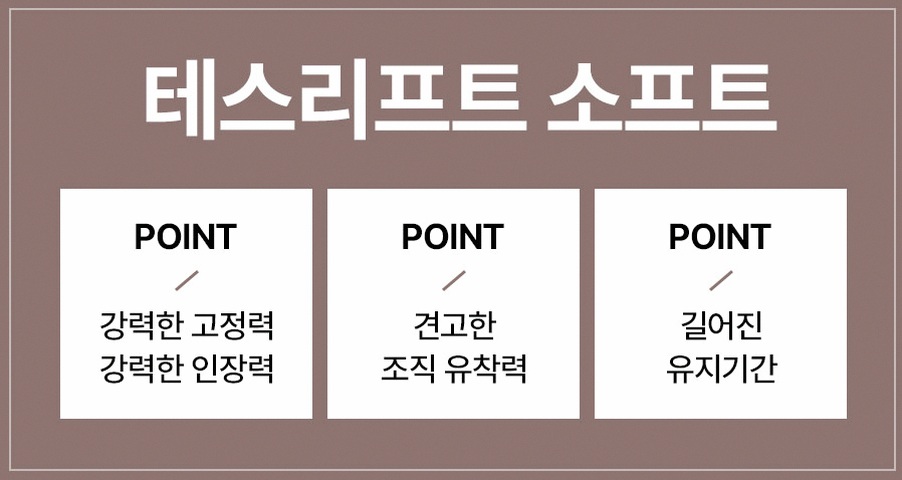
The treatment philosophy emphasizes customized care based on the cause and condition of each problem. For redness, the approach may differ depending on vessel thickness; for pigmentation, it may vary by type and depth. The same thinking applies to sagging and volume loss: thread lifting plans are adjusted according to facial structure, degree of sagging, and whether there is volume deficiency that might need other treatments.
The clinic also uses structured multi step processes for skin and laser treatments, such as consultation, cleansing, scaling, treatment, mask pack, and finishing care. This organized style carries over to lifting procedures, with attention to stepwise care and post treatment soothing. For international patients, this can be helpful when planning downtime and aftercare.
How to read and use Beomgye thread lifting reviews
When you search for Beomgye thread lifting reviews, try to look beyond simple star ratings. Use the following points as a mental checklist.
What to look for in consultation descriptions
Does the reviewer explain their original concerns, such as jawline sagging, marionette lines, or cheek drooping?
Did the doctor analyze their face in detail and explain why certain threads or lifting methods were chosen?
Was there a discussion about combining thread lifting with ultrasound or radiofrequency lifting, or was it only one type of treatment?
- What to check about the procedure details
- Does the review mention treated areas or approximate number of threads, even if not exact?
- Did the reviewer say whether the doctor personally performed the procedure?
- How did they describe the pain level during anesthesia and thread insertion?
- What to note about recovery and aftercare
- How many days did swelling and bruising last for that person?
- Did they mention tightness or pulling, and when it became comfortable?
- Were follow up visits offered, and how did the clinic respond to questions or concerns?
How balanced is the review
Does the reviewer mention both good points and inconveniences, such as “good lifting but some tightness for a week”?
Or is it only one sided praise without any mention of discomfort or side effects?
Remember that online reviews are personal experiences. They are useful as reference material, but they cannot predict your own outcome. Use them to prepare questions and expectations, then rely on an in person consultation for final decisions.
Useful questions include:
Based on my skin thickness and degree of sagging, which lifting methods are suitable for me: threads, ultrasound, radiofrequency, or a combination?
What kind of threads will be used in my case, including shape, material, and approximate number?
What level of improvement can I realistically expect, and how long might the effect last for someone with my condition?
What are the possible side effects and complications, and how are they handled if they occur?
How many days should I plan for swelling or bruising, and which activities should I avoid after the procedure?
How are follow up visits and aftercare managed, especially for overseas patients?
A thorough consultation, clear explanation of risks and benefits, and realistic goal setting are more important than choosing the lowest price or the most dramatic before and after photos.
Online consultation and pre visit preparation for overseas patients
If you are traveling from overseas, an online consultation before your trip can save time and reduce uncertainty.
Before contacting the clinic, prepare:
Clear photos of your face from the front and both sides, taken in natural light without filters
A short description of what bothers you most: for example, “sagging along the jawline” or “deep smile lines”
Your medical history, including chronic diseases, medications, allergies, and previous facial procedures
During the online consultation, ask about:
Whether thread lifting is suitable for your concerns or if another lifting method is better
Expected number of visits and follow up schedule
Approximate downtime and when you can safely fly back
Estimated treatment cost range and what is included (consultation, procedure, aftercare)
Expected Korea visit timeline for thread lifting
While exact schedules differ by clinic and individual, a common timeline for international patients might look like this.
- Day 1
- In person consultation and facial analysis
- Final treatment planning and consent
- Thread lifting procedure, often on the same day if you are ready
- Day 2 to 3
- Swelling and possible bruising are most noticeable
- Follow up check may be scheduled to review healing and answer questions
- Day 4 to 7
- Swelling usually begins to decrease
- Tightness and pulling sensations gradually improve
- Many patients feel comfortable with light sightseeing while avoiding heavy exercise
- After one to two weeks
- Swelling mostly settled for many people
- Lifting effect looks more natural
If possible, plan to stay in Korea for at least several days after the procedure so you can attend at least one follow up visit and receive in person aftercare.
Aftercare and daily life after thread lifting
After thread lifting, clinics usually provide guidelines such as:
Avoid heavy chewing, very wide mouth opening, or intense facial expressions for several days
Sleep on your back and avoid pressing your face into the pillow
Refrain from vigorous exercise, saunas, and alcohol for a period recommended by the clinic
Keep the treated area clean and avoid unnecessary touching
If you experience unusual pain, sudden asymmetry, or signs of infection such as heat, redness, or discharge, contact the clinic immediately. For overseas patients, it is important to know in advance how to reach the clinic by phone or messaging if any concerns arise after you return home.
Safety, legal, and expectation notes
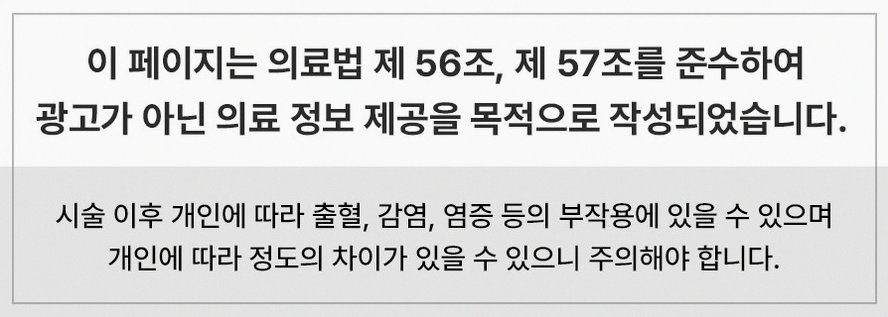
Thread lifting is a medical procedure. Even though it is minimally invasive, it can involve side effects such as bruising, swelling, discomfort, asymmetry, contour irregularities, or other complications. These should be fully discussed with medical staff before you decide to proceed.
No clinic can promise guaranteed results or permanent lifting. Outcomes vary widely depending on your anatomy, age, lifestyle, and healing response. Some people experience more dramatic lifting than others, even with similar techniques.
Always disclose your full medical history, medications, and previous procedures during consultation. This includes blood thinners, supplements that may affect bruising, and any history of keloid scarring or slow wound healing. Honest communication helps the doctor plan more safely.
Frequently asked questions about Beomgye thread lifting
Is thread lifting very painful?
Most patients describe the anesthesia injections as the most painful part, with a sharp sting that is brief. During thread insertion, you may feel pressure and pulling rather than strong pain. Pain tolerance is individual, so reviews will vary.
How long will I be swollen?
Many people experience noticeable swelling for a few days, then gradual improvement over one to two weeks. Bruising, if it occurs, can last longer. Recovery time differs by person and by the number and type of threads used.
Will the threads stay in my face forever?
The threads used in modern thread lifting are usually absorbable. They gradually break down over time, while the collagen they stimulated may help maintain some firmness. The visible lifting effect does not last forever and will change as you continue to age.
Are results the same for everyone?
No. Even with the same technique and number of threads, results can look different due to facial structure, skin thickness, fat distribution, and healing response. This is why realistic expectations and a personalized plan are important.
Before you decide, gather information, read balanced reviews, and focus on clear communication with the medical staff. With careful planning and realistic expectations, your visit to Beomgye for thread lifting can be a more informed and comfortable experience.


댓글
댓글 쓰기