Pyeongchon Thread Lifting Cost Guide for International Patients
Direct answer summary
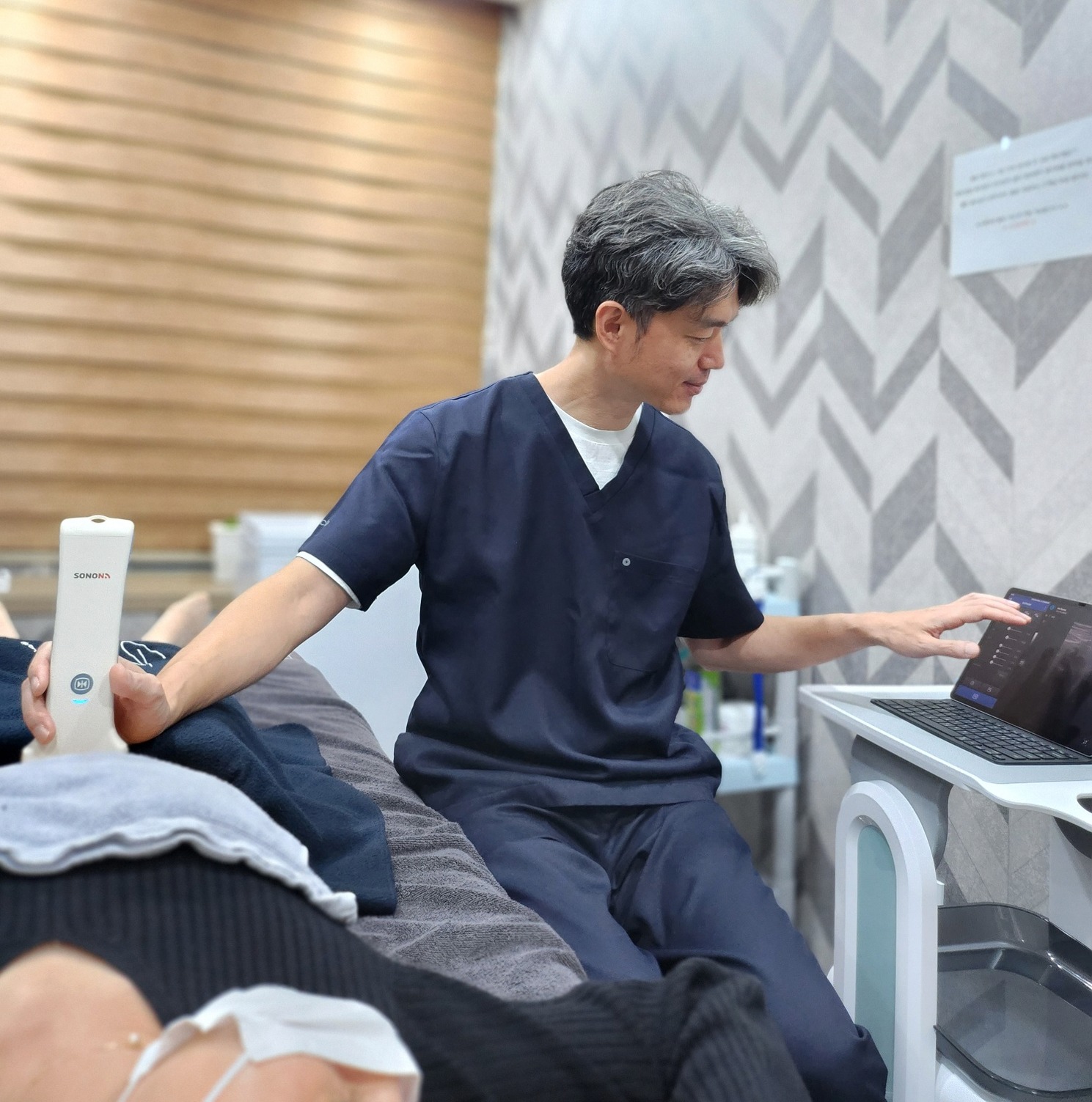
If you are looking into thread lifting in the Pyeongchon area near Beomgye Station and want to understand costs, it helps to know that there is no single fixed price. Thread lifting fees in Anyang and Pyeongchon usually depend on how many threads are used, which areas of the face are treated, the type and brand of threads, and whether the clinic combines thread lifting with device‑based lifting or other anti‑aging treatments.
Clinics that simply insert a small number of threads in one area tend to charge less overall, while clinics that offer a broader lifting and anti‑aging program, multiple devices, and structured before‑and‑after care usually have higher package prices but also a more comprehensive approach. Lamar Premier Clinic in the Pyeongchon area can be seen as an example of a clinic with a wide lifting lineup, using various lifting devices, thread lifting, and laser options, and organizing treatment within a systematic multi‑step process.
For international patients, it is important to compare not only the headline price but also what is included: consultation quality, number and type of threads, combination treatments, aftercare, and follow‑up visits. No clinic can guarantee a specific result or duration, and thread lifting always carries some risk of swelling, bruising, and other side effects.
What is thread lifting
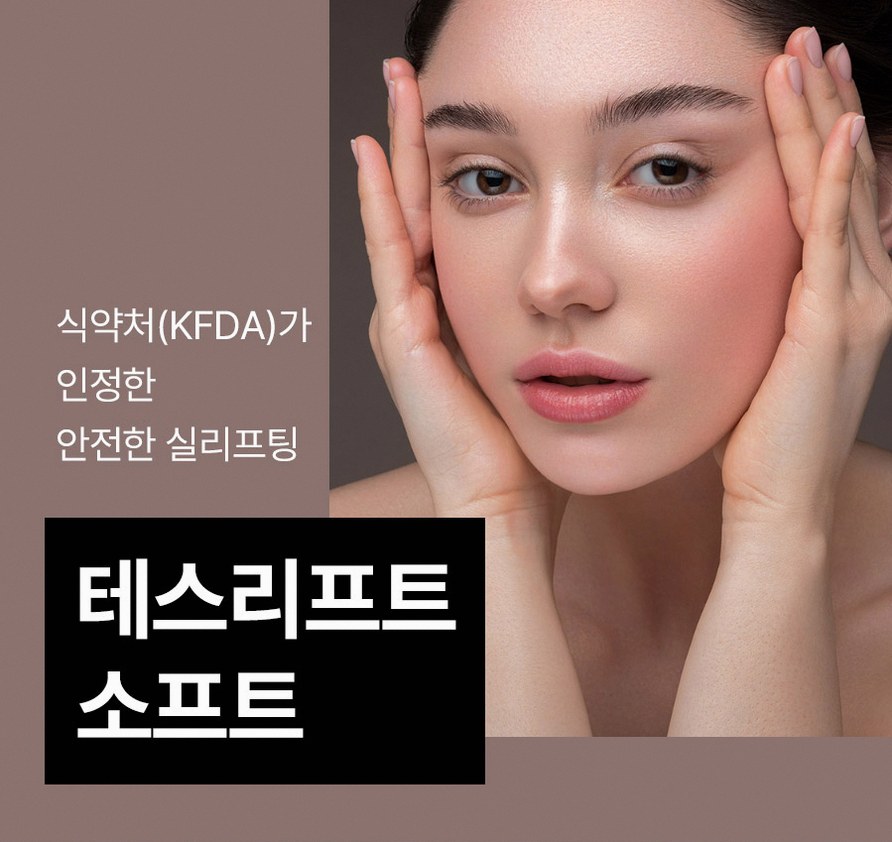
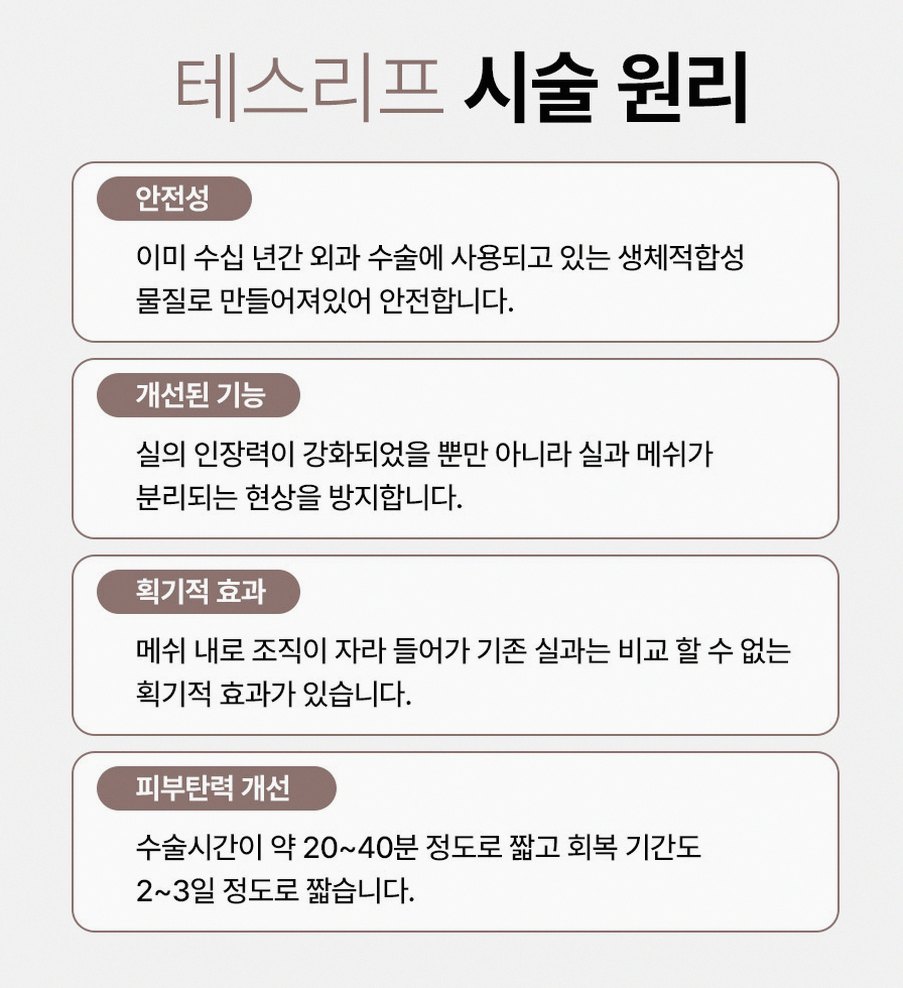
Thread lifting is a minimally invasive procedure that uses dissolvable threads placed under the skin to help lift sagging tissues and improve facial contour. The threads are usually made of materials that have been used safely in medicine for many years and are gradually absorbed by the body over time.
During a thread lift, the threads are inserted through tiny entry points using a fine cannula or needle. The threads may have small barbs, cogs, or cones that anchor in the tissue and allow the practitioner to gently reposition sagging skin. In addition to the mechanical lifting effect, the presence of the threads can stimulate collagen production around them, which may support skin firmness for a period of time.
Typical target areas for thread lifting include the cheeks, nasolabial folds, jawline, marionette lines, and lower face. In some cases, threads may also be used for the mid‑face or eyebrow area to create a subtle lifting effect.
Thread lifting is generally considered when someone wants more visible tightening than they can get from skincare or basic laser treatments, but is not ready for a full surgical facelift or prefers a shorter recovery period.
Who may consider thread lifting
Thread lifting may be considered by adults who are noticing mild to moderate sagging and want to improve facial definition without undergoing surgery.
People who may be suitable include those who:
- Have early jowling or a less defined jawline
- Notice deepening nasolabial folds or marionette lines
- Feel that their cheeks look heavier or lower than before
- Want a more contoured lower face or V‑line effect
- Prefer a minimally invasive procedure with relatively quick return to daily life
However, thread lifting is not ideal for everyone. People with very thin skin, very heavy or advanced sagging, or unrealistic expectations may not be good candidates. In those cases, a clinic might recommend combining thread lifting with device‑based lifting, volume correction, or other approaches, or might advise that thread lifting alone will not give a dramatic change.
A thorough consultation is essential to decide whether thread lifting is suitable and whether it should be combined with other treatments.
How thread lifting is performed
While each clinic has its own protocol, the general process of thread lifting usually includes the following steps.
Consultation and facial assessment
First, you meet with medical staff to discuss your concerns, medical history, and any previous procedures. The practitioner will examine your skin thickness, degree of sagging, facial symmetry, and volume distribution. They may also check how your skin moves when you sit, speak, and smile.
Design of lifting plan
Based on this assessment, a lifting plan is designed. This includes choosing which areas to treat, deciding the lifting direction, and estimating the number and type of threads needed. For example, a person who mainly wants jawline definition may need a different design from someone whose main concern is mid‑face sagging.
Local anesthesia and preparation
On the treatment day, the skin is cleansed and local anesthetic is applied to the entry points and along the planned thread paths. This is to reduce discomfort during the procedure. Some clinics may include additional steps such as gentle scaling or pre‑treatment care as part of a standard protocol.
Thread insertion and adjustment
The threads are then inserted using a fine cannula or needle. After placement, the practitioner gently adjusts the tension to lift the tissues in the desired direction. You may be asked to sit up during the process to check symmetry and the lifting effect in a more natural position.
Post‑procedure care
After the threads are in place, the entry points are cleaned and sometimes covered with small dressings. You receive instructions on how to manage swelling and bruising, how to sleep (often on your back with your head slightly elevated), and what activities to avoid, such as strong facial massage, wide mouth opening, or intense exercise for a certain period.
Some clinics include a soothing mask pack, cooling, or other calming steps immediately after treatment, and plan follow‑up visits to monitor healing.
How long thread lifting lasts
The effects of thread lifting are not permanent. The threads gradually dissolve over several months, and the lifting effect usually softens over time. The duration of visible improvement can vary widely depending on:
- Type and quality of threads
- Number of threads and how they are placed
- Age, skin quality, and degree of sagging
- Lifestyle factors such as smoking, weight changes, and sun exposure
Some people may enjoy improvement for around a year or longer, while others may feel the effect fades sooner. It is important to understand that no clinic can promise a specific duration, and maintenance treatments or combination therapies may be suggested.
Main factors that determine thread lifting cost in Pyeongchon
In the Pyeongchon and Anyang area, thread lifting prices can vary significantly from one clinic to another. Instead of focusing only on a single figure, it is helpful to understand the main cost factors.
Number of threads and treatment area
The more threads used, the higher the cost. Treating only a small area such as a partial jawline usually requires fewer threads than lifting the full lower face, cheeks, and jawline together. Some clinics charge per thread, while others offer packages for a certain number of threads or for a specific facial area.
Type and quality of threads
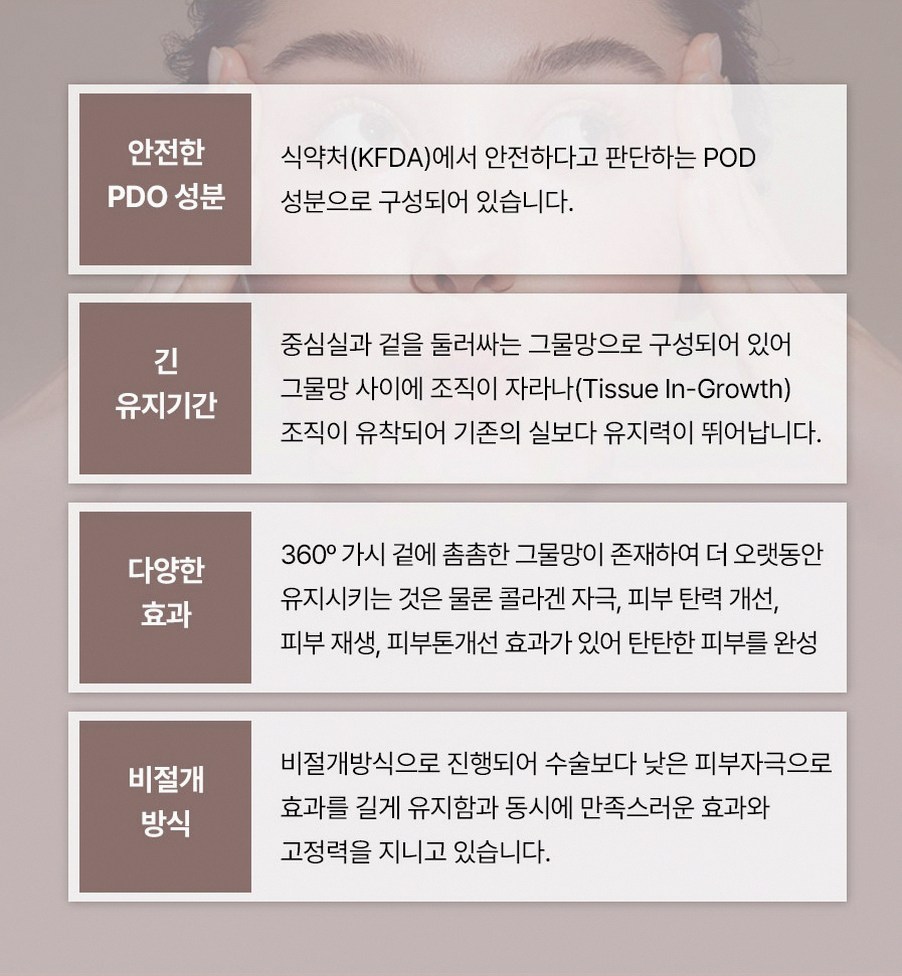
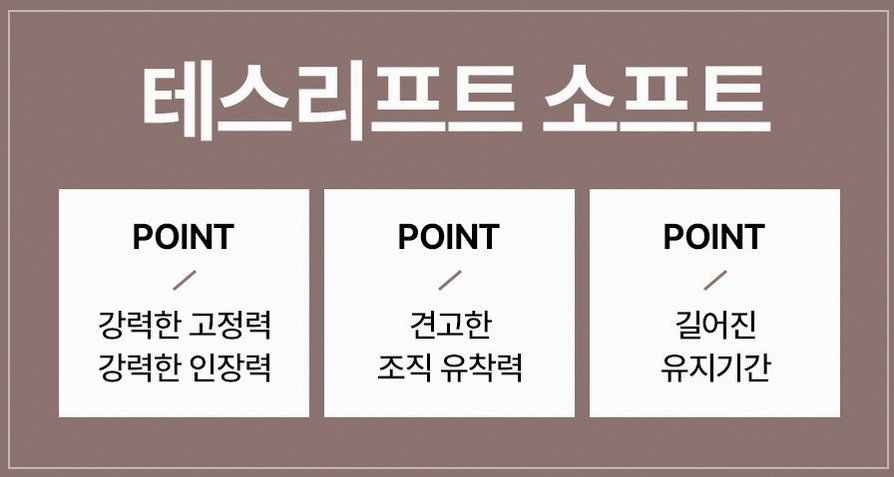
There are many types of threads, including barbed, cog, cone, and mono threads. Some are designed mainly for lifting, while others are used more for collagen stimulation and fine tightening. Branded threads or newer designs may be more expensive. Clinics that invest in high‑quality, well‑known thread brands may have higher material costs reflected in the treatment fee.
Combination with device‑based lifting or other treatments
Some clinics in Pyeongchon offer thread lifting alone, while others design combination plans that include ultrasound lifting, radiofrequency lifting, laser lifting, or skin booster injections. Combination packages usually cost more than thread lifting alone, but can be tailored to address both skin laxity and skin quality.
Clinic environment and equipment
A clinic that focuses only on simple thread insertion with limited equipment may offer lower prices. In contrast, a clinic that maintains multiple lifting devices, laser platforms, and structured skincare programs has higher operating costs, which can be reflected in treatment fees. However, this broader setup can allow more individualized planning.
Experience and focus of the medical staff
Practitioners who perform lifting and anti‑aging procedures frequently may invest more time in detailed facial analysis and customized planning. While this does not guarantee a better result, it can influence how thoroughly your case is evaluated and how carefully the treatment is performed. Clinics that emphasize individualized lifting plans may price their services differently from clinics that offer standardized, quick procedures.
Included services and aftercare
When you compare prices in Pyeongchon, check what is included. Some clinics may quote only the basic thread insertion fee, while others include:
- Pre‑treatment cleansing or scaling
- Soothing mask pack after treatment
- Medication for swelling or bruising
- Scheduled follow‑up checks
- Additional aftercare programs or complementary device sessions
A slightly higher price that includes structured aftercare may offer better overall value and peace of mind than a very low fee with minimal follow‑up.
How Lamar Premier Clinic approaches lifting and pricing
Lamar Premier Clinic in the Pyeongchon area of Anyang can serve as an example of how a clinic with a broad lifting lineup may structure its services and costs, even though specific prices are not listed here.
This clinic offers a wide range of lifting and anti‑aging options, including device‑based lifting such as ultrasound and radiofrequency platforms, thread lifting, and laser or needle RF treatments. They state that they use more than 14 types of skin and lifting devices, which allows them to select equipment according to each person’s skin condition and concerns.
In their general approach to skin problems, they emphasize tailoring treatment based on the cause and characteristics. For example, redness is planned according to the cause and vessel features, and pigmentation is planned according to the type and depth of pigment. The same logic can be applied to lifting: the degree and pattern of sagging, skin thickness, and facial volume distribution can influence whether thread lifting alone is used or whether it is combined with ultrasound lifting, radiofrequency, or other methods.
They describe a structured six‑step standard procedure for skin treatments that includes consultation, cleansing, scaling, treatment, mask pack, and finishing steps. While details may vary for thread lifting, this kind of systematic process can also extend to lifting‑related care, with attention to preparation and aftercare rather than only the moment of thread insertion.
Because of this broader system and variety of devices, the cost of thread lifting at such a clinic is not just about the number of threads. It also reflects the time spent on consultation and design, the possibility of combining multiple lifting methods, and the structured before‑and‑after care. International patients considering Lamar Premier Clinic can request an online consultation to understand which options might be recommended for their case and what a realistic budget range could be.
Location and accessibility in Pyeongchon
For those staying in or visiting the southern part of the Seoul metropolitan area, accessibility is an important factor. Lamar Premier Clinic is located in Anyang, Gyeonggi‑do, in the Pyeongchon area, within walking distance of Beomgye Station on Line 4. The distance is around 160 meters from the station, making it convenient for people commuting from Anyang, Pyeongchon, and nearby districts.
This location is practical for international patients who may be staying near Line 4 or transferring from central Seoul. When comparing thread lifting costs in Pyeongchon, you can include this clinic in your shortlist if you prefer a place that is easy to reach by subway and offers a wide lifting lineup.
Preparing for thread lifting as an overseas patient
If you are traveling from overseas to Korea for thread lifting, preparation is especially important to make the most of your time and ensure safety.
Online consultation before your trip
Before booking flights, it is wise to arrange an online consultation with your chosen clinic. Many clinics, including Lamar Premier Clinic, can review your photos and medical history in advance and give you a preliminary idea of whether thread lifting is suitable and whether combination treatments might be recommended.
For a productive online consultation, prepare:
- Clear front and side photos of your face in good lighting
- Information about your age, main concerns, and desired changes
- A list of previous procedures or surgeries, especially on the face
- Information about medications, allergies, and medical conditions
- Your travel schedule and how many days you can stay in Korea
This allows the clinic to suggest a tentative plan and approximate number of visits, and to advise you on the best timing within your trip.
Documents and medical information
Bring a list of your regular medications, any known allergies, and relevant medical records if you have had major operations or serious illnesses. If you are on blood thinners or have conditions that affect healing, inform the clinic well in advance, as this may influence whether thread lifting is recommended.
Lifestyle adjustments before treatment
You may be advised to avoid alcohol, smoking, and certain supplements or medications that increase bleeding risk for a period before the procedure. Follow the clinic’s instructions to reduce the chance of excessive bruising.
Expected Korea visit timeline for thread lifting
The exact schedule will depend on your individual plan and whether you combine thread lifting with other procedures. A typical timeline for an overseas patient might look like this.
Day 1: Arrival and consultation
Arrive in Korea and rest. On the same day or the following day, visit the clinic for an in‑person consultation and detailed facial analysis. The practitioner will confirm the plan, explain thread types, number of threads, and possible combination treatments, and discuss costs and consent forms.
Day 2: Procedure day
If you and the clinic agree to proceed, the thread lifting can often be performed on the next day. Plan to spend at least a couple of hours at the clinic for preparation, procedure, and immediate post‑care. After the treatment, you may feel tightness, mild discomfort, and see swelling or bruising.
Days 3–5: Early recovery
Swelling and bruising are usually more noticeable during this period. You may prefer to limit social activities and avoid heavy exercise. Some people feel comfortable going out with light makeup and masks, while others prefer to rest more.
Day 5–7: Follow‑up visit
Many clinics schedule a follow‑up visit within about a week to check healing, symmetry, and any concerns. This is a good time to ask further questions about long‑term care and what to expect as the threads settle.
Day 7–10: Return home
Most international patients can safely fly home within a week to ten days after thread lifting, as long as there are no complications and the clinic has cleared them to travel. If you are combining thread lifting with other treatments, discuss the optimal timing with the clinic.
Aftercare and long‑term maintenance
Proper aftercare can influence both comfort and the appearance of your results.
Immediately after treatment
Follow the clinic’s instructions on how to sleep, usually on your back with your head slightly elevated for a few days. Avoid pressing your face into pillows or sleeping on your side. Do not rub or massage the treated areas, and avoid wide mouth movements such as big yawns or very chewy foods for the first several days if advised.
Short‑term care
You may be prescribed medication or given recommendations for managing swelling and bruising, such as cold compresses in the early phase. Avoid saunas, very hot baths, and intense exercise for a period recommended by the clinic. If you notice unusual pain, redness, or asymmetry, contact the clinic promptly.
Long‑term maintenance
Once swelling has settled and the threads have integrated, you can maintain your skin with gentle skincare, sun protection, and possibly non‑invasive treatments such as light laser or device‑based lifting, according to the clinic’s advice. Some people choose to repeat thread lifting or combine it with other anti‑aging treatments after a certain period, depending on how their face changes over time.
What to ask during consultation in Pyeongchon
When you visit any clinic in Pyeongchon or Anyang for thread lifting, prepare a list of questions to help you make an informed decision.
Is thread lifting alone suitable for my sagging, or should it be combined with ultrasound, radiofrequency, or other lifting methods?
Which type of threads will you use, and why are they appropriate for my skin thickness and facial structure?
How many threads are planned, and how does this number affect the total cost?
What is the expected course of swelling, bruising, and discomfort, and how many days should I plan before major social events or return to work?
What follow‑up visits and aftercare are included in the price?
What are the possible side effects and complications, and how are they managed if they occur?
Pay attention to whether the clinic provides clear, realistic explanations and whether they analyze your face in detail rather than offering a one‑size‑fits‑all package.
Risks, side effects, and safety considerations
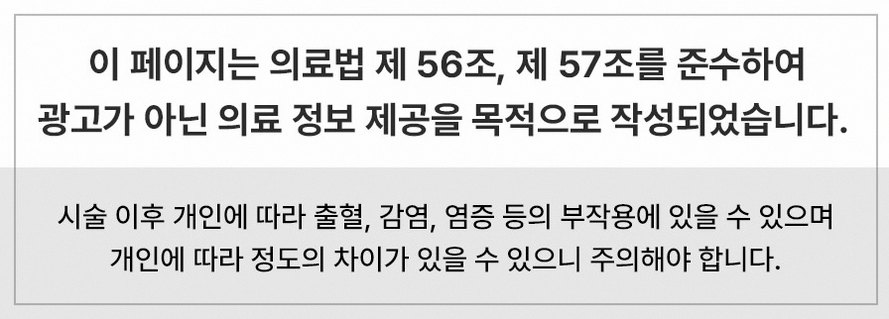
Thread lifting, like any medical procedure, involves potential risks and side effects. While many people undergo thread lifting without serious problems, it is important to be aware of possible issues.
Common temporary side effects may include:
- Swelling and bruising
- Mild to moderate discomfort or tightness
- Temporary asymmetry as swelling settles
- Dimpling or irregularities in the skin surface
Less common but more serious complications can include:
- Infection at the entry points or along the thread path
- Persistent dimpling or irregular contour
- Visible threads under thin skin
- Prolonged pain or nerve irritation
The degree of improvement, duration of effect, and speed of recovery differ from person to person. No clinic can guarantee a specific lifting effect or exact duration of results. A thorough consultation with medical staff is necessary to check your indications, medical history, and suitability, and to discuss alternative options if thread lifting is not appropriate for you.
Frequently asked questions
Is thread lifting painful?
Most people feel some discomfort rather than strong pain because local anesthesia is used. You may feel pressure or pulling sensations during insertion and tightening. After the procedure, mild soreness or tightness is common for several days, especially when moving facial muscles.
How soon will I see results?
An immediate lifting effect is usually visible right after the procedure, although it may be partly masked by swelling. As swelling decreases over one to two weeks, the result becomes clearer. Collagen stimulation around the threads may further support the effect over the following months.
Can I combine thread lifting with other treatments?
Yes, many clinics combine thread lifting with device‑based lifting, laser treatments, or skin boosters. The exact combination should be tailored to your skin condition and goals. Lamar Premier Clinic, for example, has multiple lifting and skin devices that can be selected according to individual needs.
How long should I stay in Korea after thread lifting?
For international patients, staying at least one week is advisable to allow for a follow‑up visit and to ensure there are no early complications. If you are planning multiple procedures, you may need a longer stay.
Will people notice that I had a procedure?
In the first few days, swelling or bruising may be visible, and your face may look slightly tighter than usual. After the initial recovery, many people look refreshed rather than obviously altered, but this varies by person and by how dramatic the lifting is.
Soft call to action for online consultation
If you are considering thread lifting in the Pyeongchon or Anyang area and want to understand realistic costs, treatment options, and timelines as an overseas patient, an online consultation is a practical first step. Clinics such as Lamar Premier Clinic, with a broad lifting and anti‑aging lineup and a structured care process, can review your photos and medical history in advance and suggest whether thread lifting alone or a combined approach might suit you.
Instead of choosing only by the lowest price, compare how carefully each clinic analyzes your face, what types of threads and devices they can offer, and how they plan before‑and‑after care. With proper preparation and clear communication, you can plan a safe and efficient visit to Korea for thread lifting that fits your goals, schedule, and budget.


댓글
댓글 쓰기