Anyang Juvelook Skin Booster for Pores, Scars, and Elasticity Near Beomgye Station
- 공유 링크 만들기
- X
- 이메일
- 기타 앱
Direct answer summary
If you are searching for “Anyang Juvelook,” you are likely looking for a skin booster often marketed as collagen‑stimulating and used by clinics to address concerns such as enlarged pores, shallow acne scars, fine wrinkles, and early loss of elasticity. In Dongan‑gu, Anyang, near Beomgye Station on Line 4, some clinics offer Juvelook as part of lifting and anti‑aging programs.
This guide explains what Juvelook is, who might consider it, how a typical session is carried out at this Anyang clinic, what side effects and aftercare to expect, and how overseas patients can plan their visit to Korea.
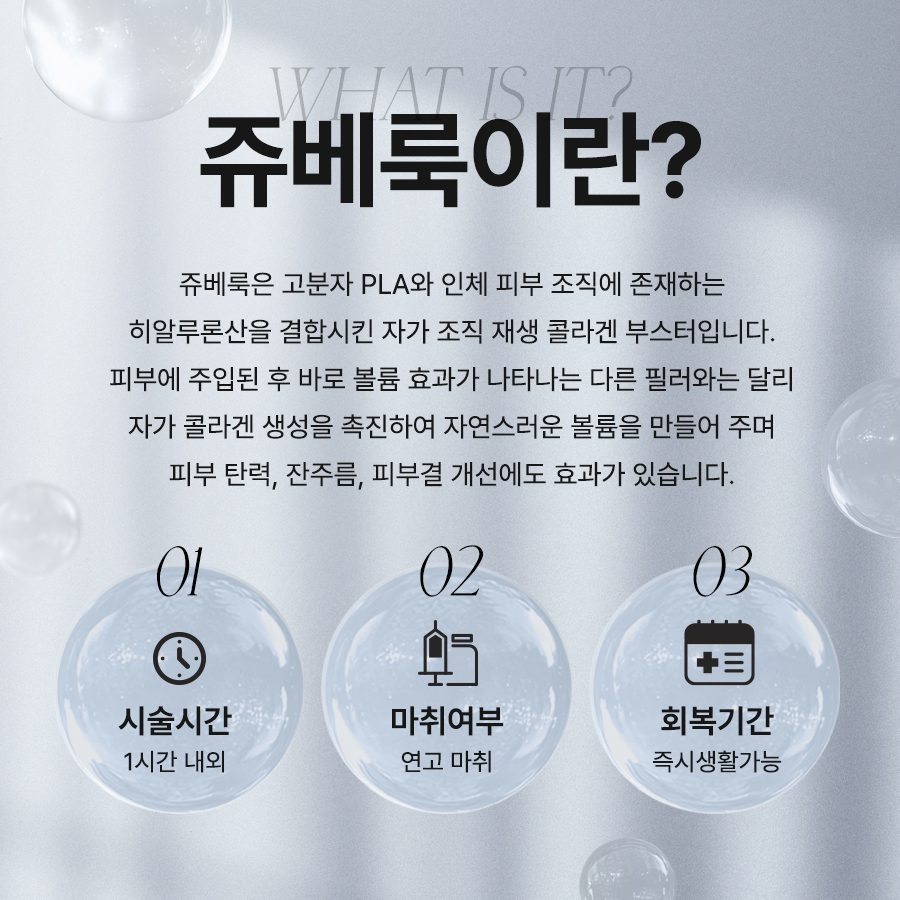
What is Juvelook and how does it work?
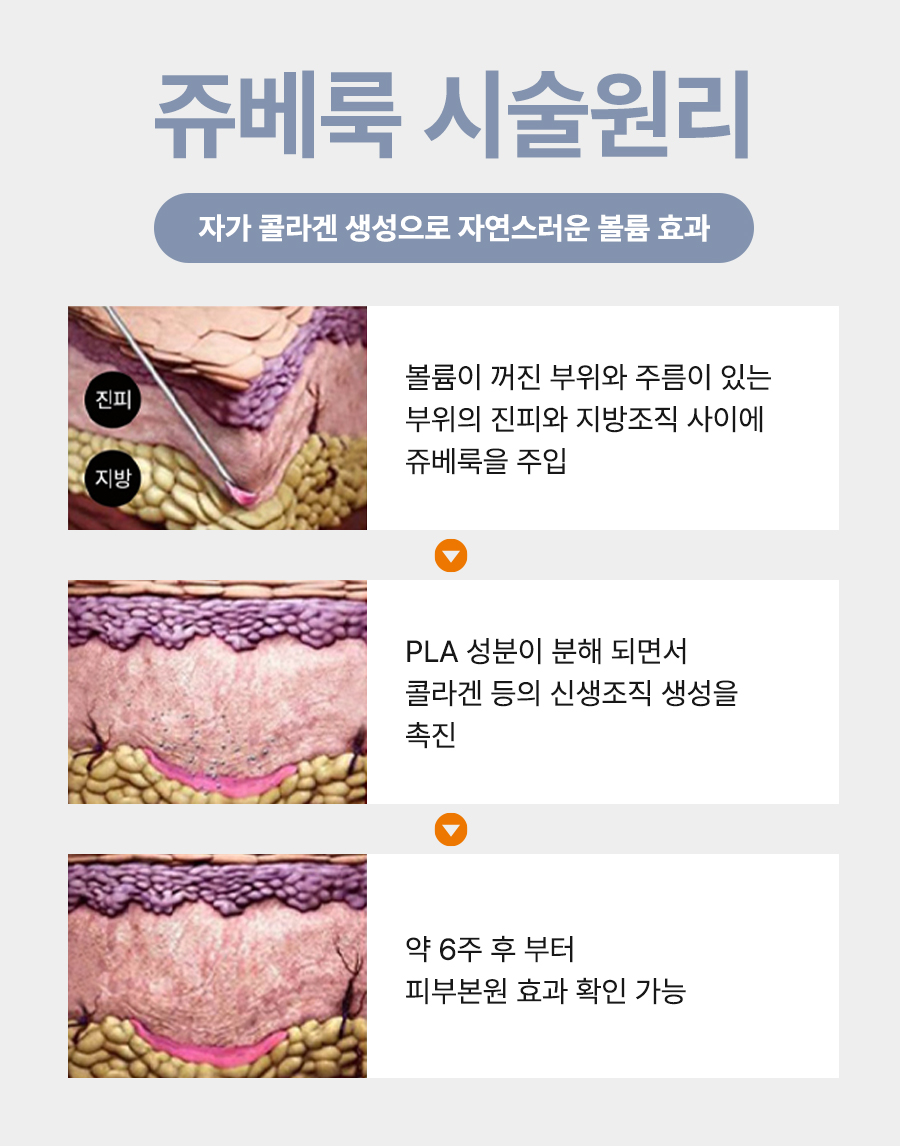
According to product information provided by manufacturers and clinics, Independent clinical evidence and regulatory information should be reviewed, so consult published studies or a medical professional for verified efficacy and safety information.
This process can help refine pores, improve mild atrophic acne scars, and support better elasticity.
The hyaluronic acid part provides moisture and a subtle early glow. It helps the skin feel more hydrated and smooth shortly after the procedure, while the collagen-stimulating effect develops more slowly.
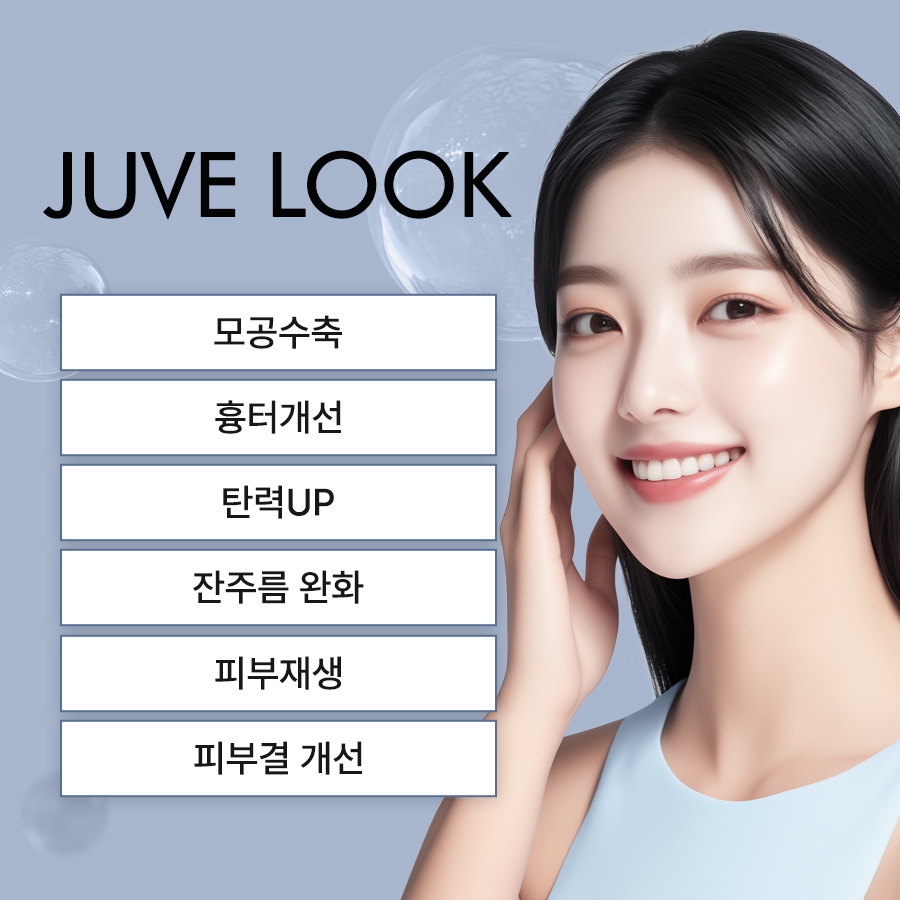
Juvelook is typically used for concerns such as enlarged pores and rough texture, shallow or mild depressed acne scars, fine wrinkles and early laxity, and dull or tired-looking skin. It is not a traditional volumizing filler for deep folds or major volume loss. Instead, it is positioned as a skin quality and collagen booster that aims to make the surface and structure of the skin look and feel healthier.
Who may consider Juvelook in Anyang
Juvelook may be considered by adults who notice visible pores on the cheeks or nose, mild to moderate acne scars that look shallow or slightly depressed, fine lines around the eyes, mouth, or cheeks, or early signs of loss of elasticity where the skin feels less firm than before.
It can be suitable for people who prefer a gradual, natural change rather than a sudden, dramatic transformation. Because collagen takes time to form, Juvelook is usually planned as a series of sessions. Patients who are willing to commit to several visits and follow-up care often fit this treatment style better.
Overseas visitors who are planning a trip to Korea and want to combine general sightseeing with skin improvement may also be good candidates, as Juvelook usually has relatively short downtime, though mild redness or swelling can occur.
When caution or alternatives may be needed
Juvelook is not suitable for everyone. Caution or alternative treatments may be needed in the following situations:
People with active, inflamed acne or skin infection in the area to be treated may need to control the inflammation first. Injecting into actively inflamed skin can increase the risk of complications.
Those with a history of severe keloid or hypertrophic scarring should discuss this carefully with the medical team. Collagen-stimulating treatments may not be appropriate for some people with abnormal scarring tendencies.
Pregnant or breastfeeding individuals, and those with serious systemic diseases or immune problems, should have a personalized medical consultation before considering any elective aesthetic procedure.
In all cases, expectations should be realistic. Juvelook aims for potential improvement, not perfection. Some people see more noticeable changes, while others experience subtle refinement.
Realistic expectations and typical course of improvement
After a Juvelook session, the initial effect is often related to hydration and mild swelling from the injection itself. This can give a temporary plump and dewy look. Over the following weeks, as the polylactic acid particles interact with the skin, collagen production may gradually increase.
Many patients notice changes in skin texture and pores over several weeks to a few months. Acne scars and fine wrinkles may appear softer, and the skin may feel firmer and more elastic. However, the degree and speed of change vary widely from person to person.
Multiple sessions are commonly recommended. A general pattern might involve several treatments spaced a few weeks apart, followed by optional maintenance sessions depending on how the skin responds and how long the effect seems to last for that individual.
Step-by-step Juvelook procedure at the Anyang clinic
At the Anyang clinic near Beomgye Station, Juvelook is offered as part of a broader lifting and anti‑aging program. The clinic states it has multiple skin and laser devices to address pigmentation, redness, lifting, and texture, and Juvelook may be combined with these treatments when appropriate.
A typical Juvelook session follows a structured, stepwise process.
Consultation and skin analysis
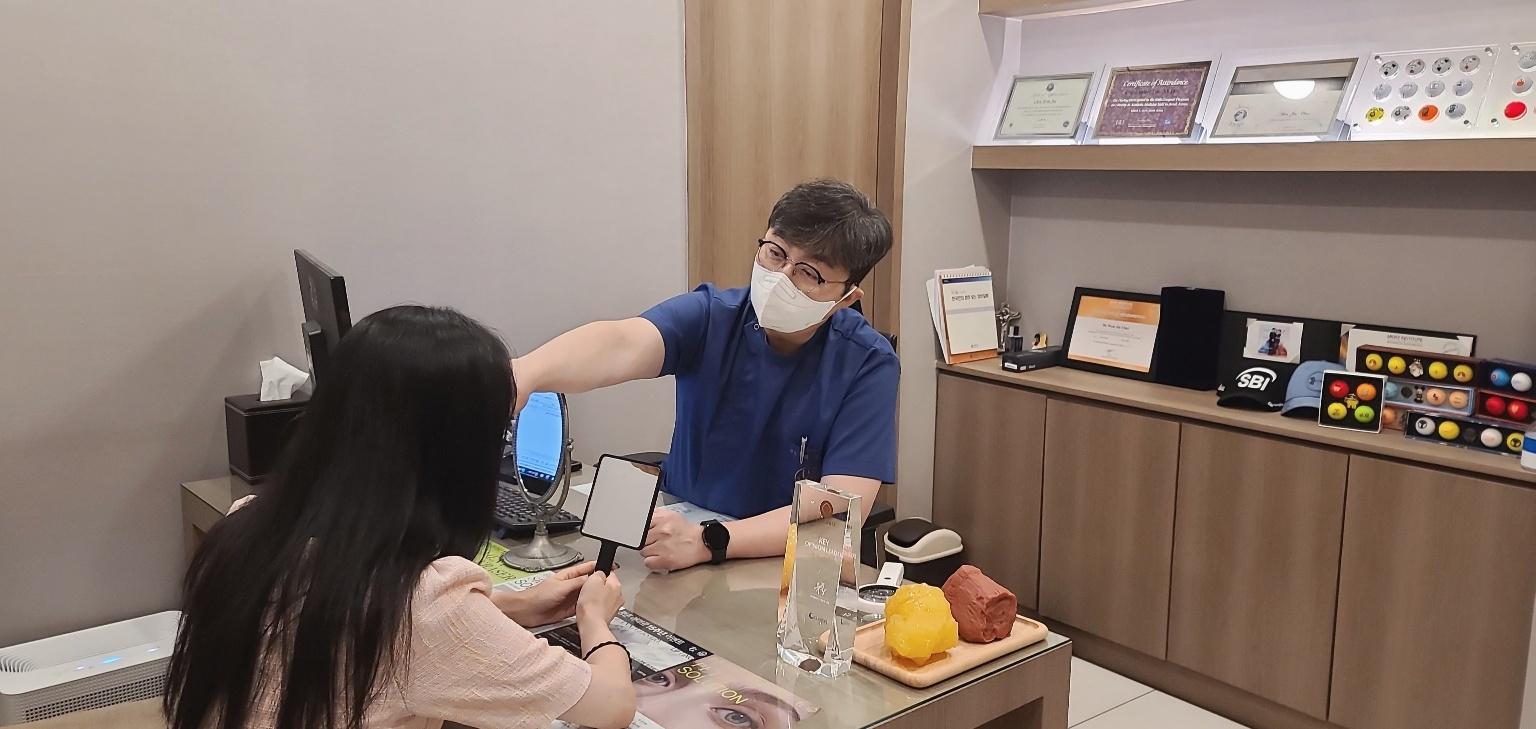
Your visit usually begins with a consultation. The doctor or clinical staff will ask about your main concerns, such as pores, acne scars, fine wrinkles, or overall dullness. They will review your medical history, including allergies, medications, previous procedures, and any history of abnormal scarring.
Skin analysis may be done visually and, in some cases, with imaging devices. The depth of scars, degree of laxity, and pattern of pores are considered when planning the injection depth and technique. The doctor will also discuss whether Juvelook alone is appropriate or whether it might be combined with other treatments such as laser toning, vascular lasers, or radiofrequency (RF) devices.
Cleansing and preparation
Before the procedure, makeup and sunscreen are thoroughly removed. Gentle cleansing helps reduce the risk of infection and allows the practitioner to see the skin clearly.
If needed, a light exfoliation or scaling step may be performed to remove surface dead skin cells and help the product distribute more evenly. This is decided based on skin sensitivity and overall condition.
Numbing for comfort
To reduce discomfort, a topical anesthetic cream is usually applied to the treatment area and left on for a set period. This helps make the injection process more tolerable, especially for patients who are sensitive to needles.
Juvelook injection
Juvelook is then injected into the skin using either a fine needle or an injector device, depending on the area and the treatment plan. The depth and pattern of injection are adjusted according to the target concern.
For enlarged pores and overall texture, the product may be placed in a grid-like pattern across the cheeks, nose, or forehead at a superficial to mid-dermal depth. For shallow acne scars, the practitioner may focus more on scarred areas, sometimes using slightly deeper injections. For fine wrinkles, the injections may follow the line pattern to support the skin from underneath.
Throughout the procedure, the doctor monitors your comfort and may adjust technique as needed. The session time for the injection itself is usually relatively short, though the overall visit is longer due to consultation and numbing.
Soothing care after injection
After the injections, the skin can appear red and slightly swollen, with small bumps where the product was placed. To help calm the skin, soothing care such as cooling, a gentle mask pack, or calming products may be applied.
This step aims to reduce immediate redness and support the skin barrier. The clinic’s multi-step approach emphasizes leaving the skin in a comfortable state before you leave.
Post-treatment guidance and scheduling
Before you go, the staff will provide aftercare instructions and explain what to expect over the next few days and weeks. They may schedule your next session if a series is planned, or advise you to check in after a certain period.
You will be informed about normal post-treatment reactions, warning signs that require medical attention, and how to care for your skin at home to support healing and collagen formation.
How Juvelook fits into the clinic’s broader lifting and anti-aging lineup
This Anyang clinic offers a broad range of lifting and anti-aging options, including ultrasound lifting, RF lifting, thread lifting, laser lifting, and various skin boosters and injectables. Juvelook is positioned within this lineup as a collagen-stimulating skin quality booster rather than a main volumizing or lifting tool.
For example, someone with pores, redness, and shallow scars might receive Juvelook combined with laser toning or a vascular laser, while another person with more laxity might pair Juvelook with ultrasound or RF lifting.
The clinic emphasizes cause-based, customized treatment. For redness, different vascular lasers may be chosen depending on vessel thickness. For pigmentation, devices are selected based on the depth and type of pigment. The same logic is applied to Juvelook planning, with injection depth and pattern adjusted according to scar depth, pore distribution, and degree of laxity.
In addition to facial treatments, the clinic provides body procedures such as fat reduction injections and liposuction. This can be convenient for overseas patients who wish to address facial skin quality and body contouring in a coordinated way during one stay in Korea, provided that safety and recovery schedules are carefully considered.
Typical treatment plan and sessions for overseas patients
Juvelook is usually not a one-time procedure. A common approach is to perform several sessions spaced a few weeks apart. While the exact number of sessions and intervals cannot be fixed in advance for everyone, many people are advised to consider a short series to see meaningful changes.
For overseas patients, planning is especially important. One option is to schedule at least two sessions during a longer stay, or to have one main session in Korea and then discuss possible follow-up options in your home country. Some patients choose to return to Korea periodically for maintenance.
The exact plan depends on your travel schedule, skin condition, and how your skin responds to the first session. The doctor will usually propose a flexible schedule and explain which parts are essential and which can be adjusted.
Online consultation and pre-visit preparation
Before booking flights, it is helpful to arrange an online consultation. Many overseas patients share photos and medical information in advance so that the clinic can assess whether Juvelook is likely to be appropriate.
For an effective online consultation, you can prepare the following:
Clear photos of your face in natural light from the front and both sides, focusing on areas with pores, scars, or wrinkles.
A list of your main concerns and priorities, for example: “enlarged pores on cheeks,” “acne scars on both cheeks,” or “fine lines around eyes.”
Your medical history, including any chronic illnesses, medications, allergies, history of keloids, and previous aesthetic procedures.
Your travel dates and how many days you can stay in Anyang or the Seoul area, so the clinic can suggest a realistic schedule.
During the online consultation, you may want to ask about the approximate number of sessions recommended for your case, possible combination treatments, expected downtime, and what to do if you experience side effects after returning home.
Expected Korea visit timeline for Juvelook
For many overseas visitors, a typical Juvelook-focused trip might look like this:
Day 1: Arrival in Korea and rest.
Day 2: Visit the clinic in Dongan-gu, Anyang, for in-person consultation, skin analysis, and first Juvelook session.
Day 3–4: Mild redness or swelling may still be present but often improves quickly. Light sightseeing is usually possible, as long as you avoid heavy sweating, hot baths, and intense sun exposure.
Day 5 and onward: Most visible signs of treatment tend to settle, and you can continue your travel plans while following aftercare instructions.
If a second session is planned within the same trip, it might be scheduled one to several weeks later, depending on your stay. If your stay is short, the clinic may focus on one well-planned session and provide guidance for future visits or local follow-up.
Aftercare, side effects, and precautions
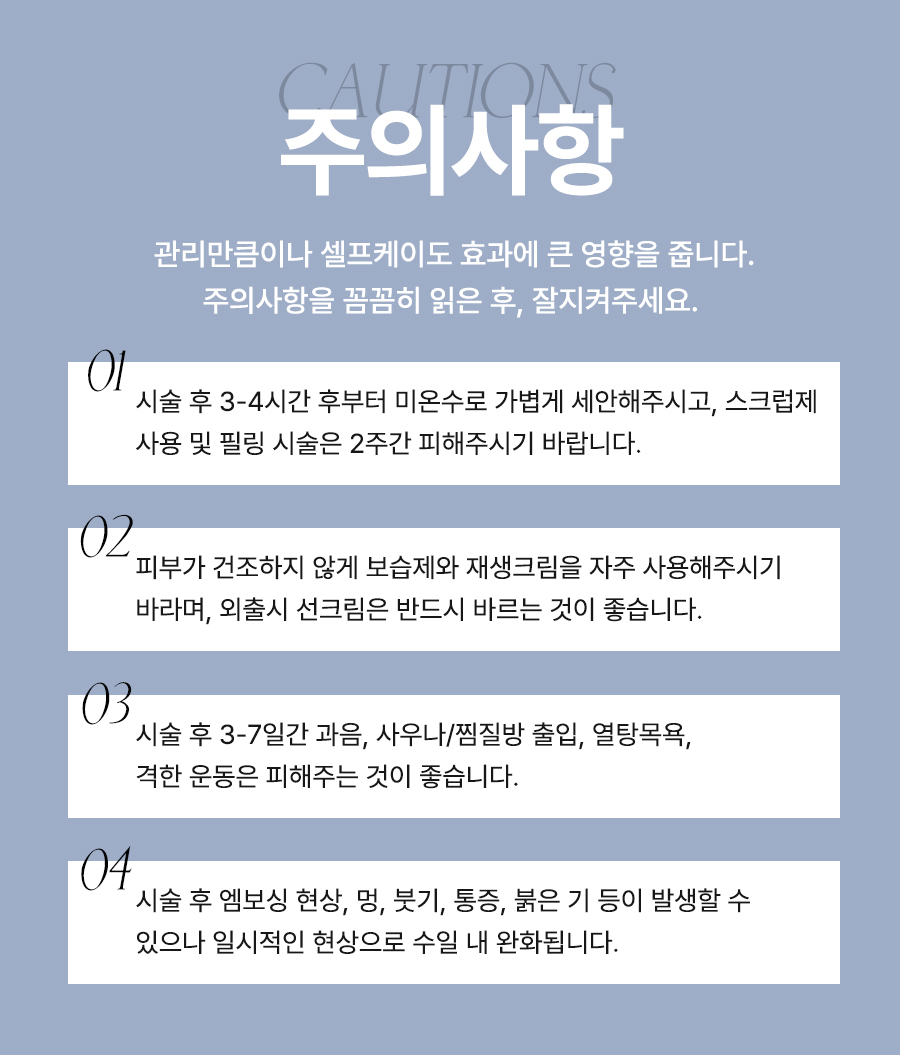
Common, usually temporary reactions after Juvelook include redness and swelling at injection sites, small bumps or unevenness where the product was placed, pinpoint bleeding or mild bruising, and tenderness or tightness in the treated area.
These effects often settle over several days as the product integrates into the skin. Some people may notice temporary roughness as the skin adjusts.
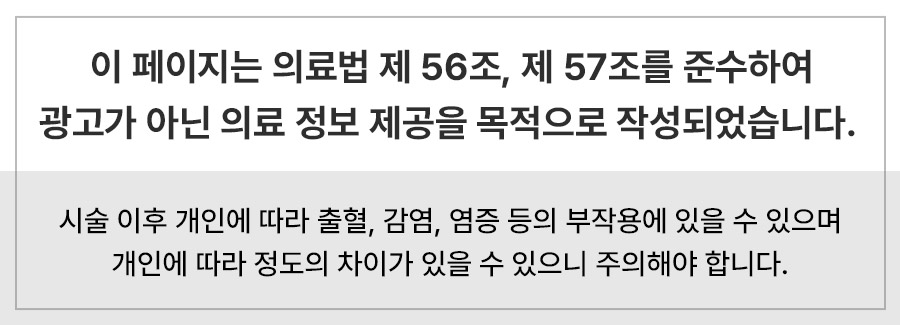
Less common but important risks include infection, prolonged inflammation, nodules or persistent lumps, and uneven texture. Allergic or hypersensitivity reactions are also possible, though not frequent.
Aftercare guidance typically includes the following points:
Avoid rubbing, pressing, or massaging the treated area for a certain period, as advised by the clinic.
Postpone saunas, hot baths, intense exercise, and alcohol for a short time, since heat and increased blood flow may worsen swelling or bruising.
Use gentle cleansing products, avoid harsh scrubbing, and keep the skin well moisturized.
Apply high-SPF sun protection daily and avoid strong sun exposure, as UV damage can interfere with collagen and pigmentation.
Delay the use of strong active ingredients such as high-concentration acids or retinoids until the skin has calmed and the clinic confirms it is safe.
If you experience unusual pain, severe or worsening swelling, signs of infection, or persistent nodules, you should contact the clinic promptly for review. For overseas patients who have already returned home, it is important to seek local medical care if urgent symptoms appear.
Checklist before choosing Juvelook in Anyang
When comparing clinics or deciding whether to proceed with Juvelook, it can be helpful to prepare a checklist. Instead of focusing only on price, consider the following:
Ask what devices and treatments are available in addition to Juvelook, such as laser toning, RF microneedling, or lifting devices, and how they might be combined for your concerns.
Confirm who performs the injections and their medical background. In this Anyang clinic, the medical director is a board-certified anesthesiology and pain medicine specialist with experience in aesthetic procedures.
Check what type of numbing is used, how long the session will take, and what level of discomfort to expect.
Ask about expected downtime, when you can safely wear makeup again, and what activities to avoid.
Clarify what aftercare is included, such as soothing masks or follow-up checks.
For overseas patients, also ask how the clinic handles questions or minor issues after you return home, and whether they can provide written instructions in a language you understand.
Local access information
The clinic offering Juvelook is located in Dongan‑gu, Anyang, Gyeonggi‑do. For the exact address, floor location, and directions from Beomgye Station (Line 4) or other transit points, confirm with the clinic or consult an official map service before you visit.
Before visiting, it is wise to confirm directions, operating hours, and appointment availability by phone or online message. This is especially important for overseas visitors who have limited time and need to coordinate treatment with their travel schedule.
Frequently asked questions about Anyang Juvelook
How many Juvelook sessions are usually needed?
The number of Juvelook sessions varies depending on individual skin condition, concerns, and goals. Many people are advised to consider several sessions spaced a few weeks apart to see gradual improvement in pores, scars, and fine lines. However, some may benefit from fewer or more sessions. The exact plan is decided after an in-person assessment, and adjustments can be made based on how your skin responds.
Is there a lot of pain or downtime with Juvelook?
Most patients experience some discomfort during the injections, but topical numbing cream is typically used to make the procedure more tolerable. After treatment, redness, swelling, and small bumps are common but usually settle within a few days. Many people can return to light daily activities soon after, though it is recommended to avoid intense exercise, saunas, and heavy makeup for a short period as advised by the clinic.
Can Juvelook be combined with laser or RF treatments?
Yes, Juvelook is often combined with other treatments such as laser toning, vascular lasers, RF microneedling, or lifting devices, depending on the person’s skin concerns. For example, someone with pigmentation and pores might receive laser toning plus Juvelook, while another person with more laxity might combine Juvelook with ultrasound or RF lifting. The timing and order of these treatments are planned carefully to support safety and recovery.
How long do Juvelook results last?
The duration of Juvelook’s effects can vary widely. Because it works by stimulating your own collagen, some benefits may last beyond the life of the product itself. Many people notice improvements that develop over weeks to months and then gradually soften over time. Maintenance sessions may be suggested depending on how your skin ages and how satisfied you are with the changes. No specific duration can be guaranteed, as lifestyle, sun exposure, and individual biology all play a role.
What should I avoid after a Juvelook session?
After Juvelook, you should avoid rubbing or massaging the treated area, intense exercise, saunas, hot baths, and alcohol for a short period, as advised by the clinic. It is also important to avoid harsh exfoliation, strong acids, or retinoids until your skin has calmed. Daily use of gentle cleanser, moisturizer, and high-SPF sunscreen is recommended. If you are unsure about a particular product or activity, it is best to ask the clinic directly.
Soft call to action for online consultation
If you are considering Juvelook in Anyang for pores, acne scars, or early elasticity changes, an online consultation can help you understand whether this treatment is suitable for you and how to fit it into your travel schedule. By sharing photos, your medical history, and preferred dates, you can receive a more personalized plan before you arrive in Korea.
For detailed information on scheduling, combination options with other lifting or skin treatments, and practical guidance for overseas patients, you can contact the clinic in advance and confirm the most suitable time for your visit.


댓글
댓글 쓰기