Pyeongchon All Tight Lifting Program Near Beomgye Station
- 공유 링크 만들기
- X
- 이메일
- 기타 앱
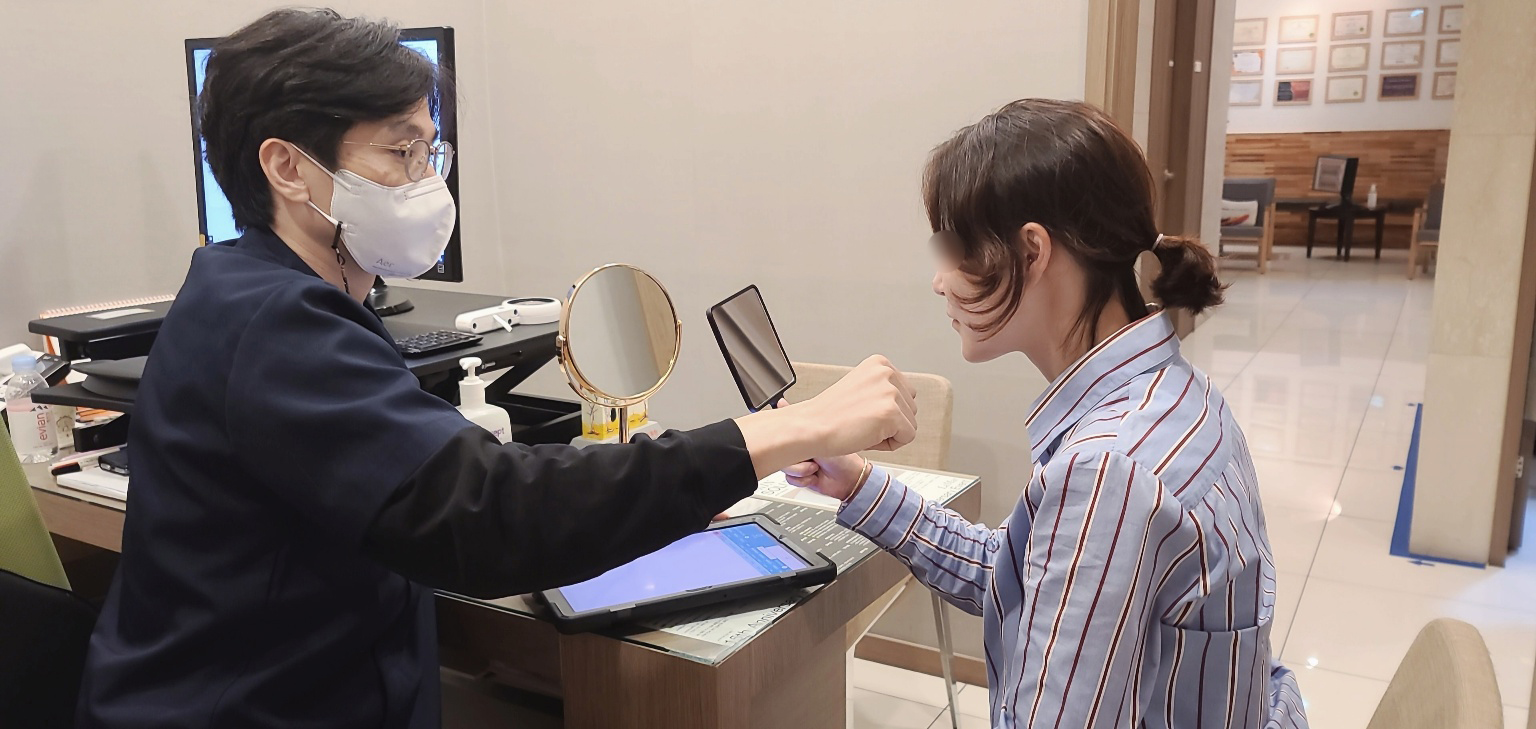
Direct answer summary: The clinic uses a tailored combination of non‑surgical modalities to improve facial firmness and contour with a natural, conservative approach. This guide outlines what the program involves, who might consider it, how to prepare if traveling from abroad, a typical visit schedule, and what to expect after treatment. Confirm specific techniques and devices during your consultation, as treatments are individualized.
Pyeongchon All Tight is a non‑surgical lifting and tightening program offered at an eye clinic in the Pyeongchon area near Beomgye Station in Anyang, Gyeonggi Province. The clinic may use a variety of ultrasound, radiofrequency, thread, laser, and volumizing modalities depending on the individual assessment and device availability. The goal is to improve overall facial firmness and contour with a natural, conservative style rather than an overdone look. This guide explains what the program is, who may consider it, how to prepare from overseas, what a typical visit schedule looks like, and what to expect after treatment. Patients should confirm which specific devices and combinations will be used during their consultation.
What is Pyeongchon All Tight?
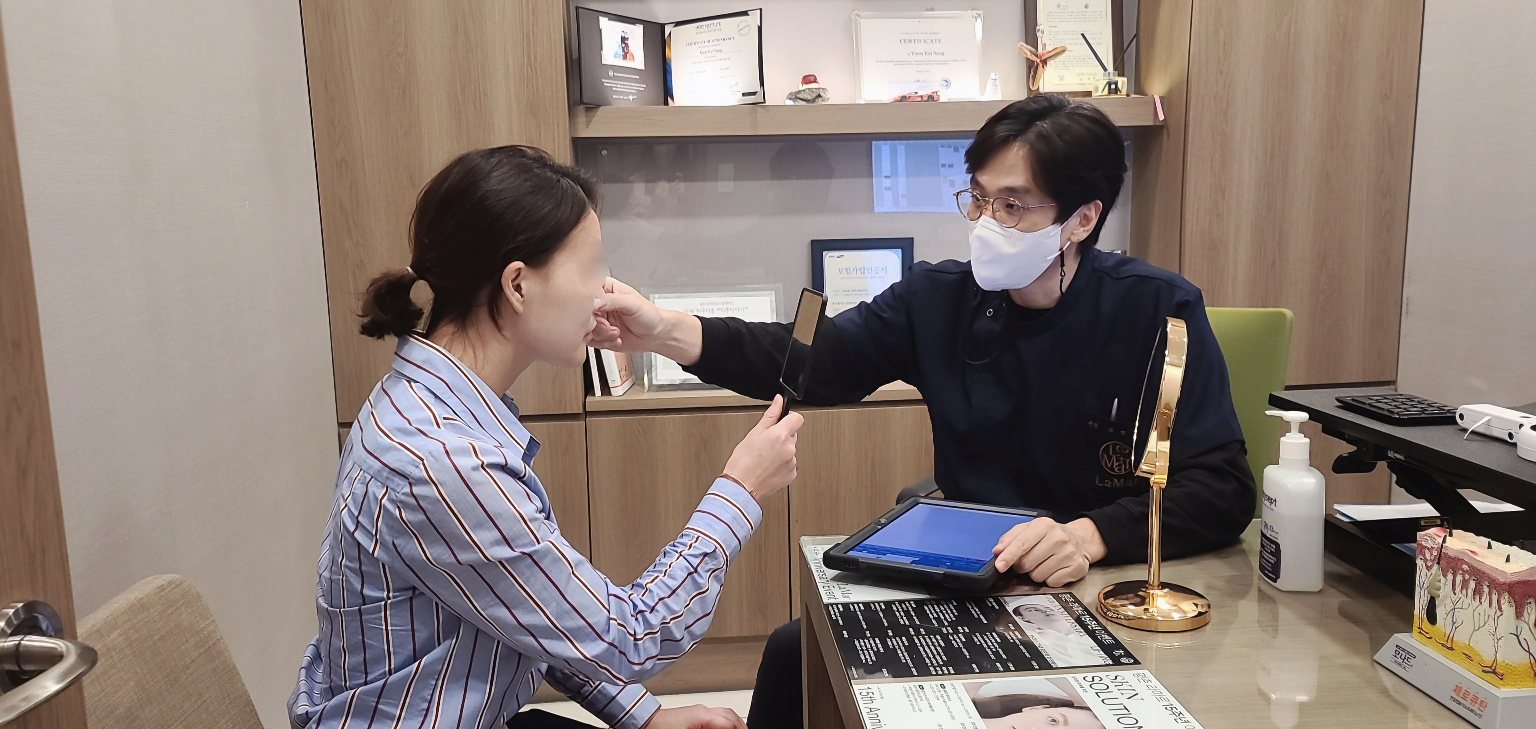
Pyeongchon All Tight is a comprehensive non‑surgical face‑lifting and tightening program.
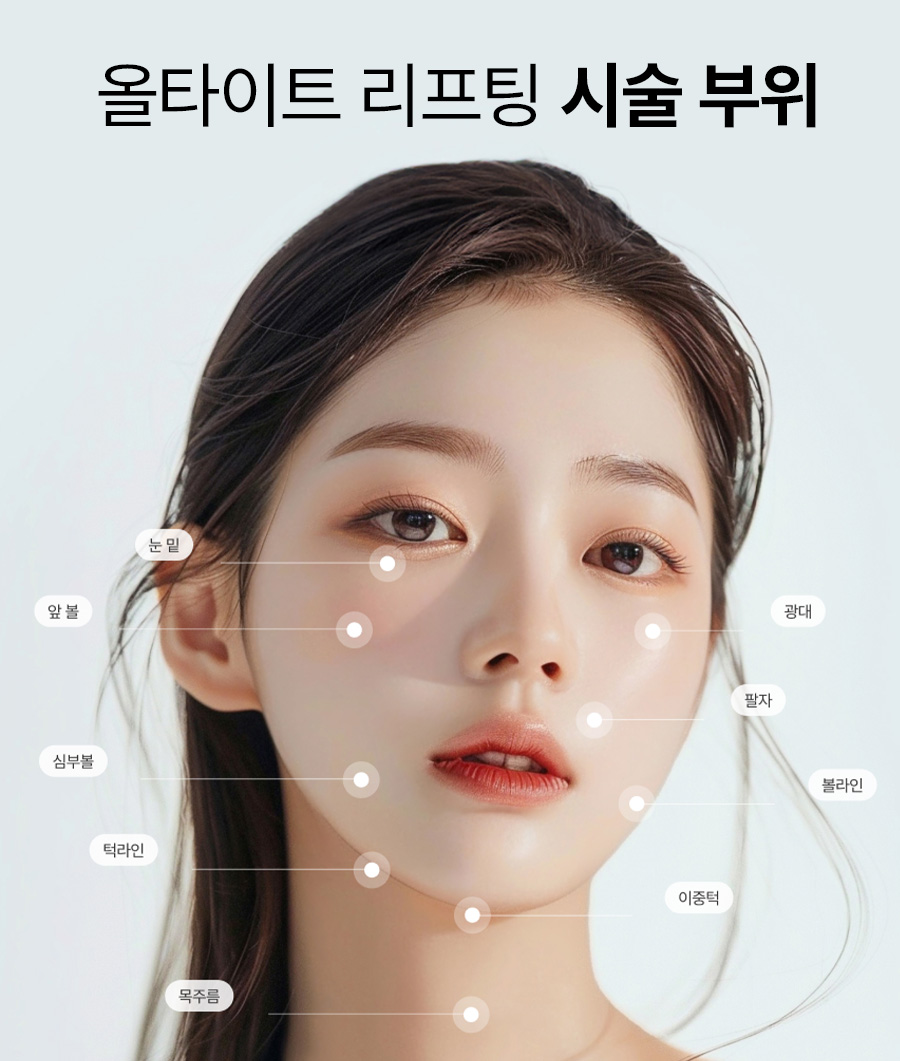
The program is designed for full‑face care, not just one small area. It usually considers the forehead, eye area, cheeks, jawline, nasolabial folds, marionette lines, and sometimes the neck, depending on your concerns. The aim is to support the skin’s own collagen and elasticity while maintaining your natural facial expression.
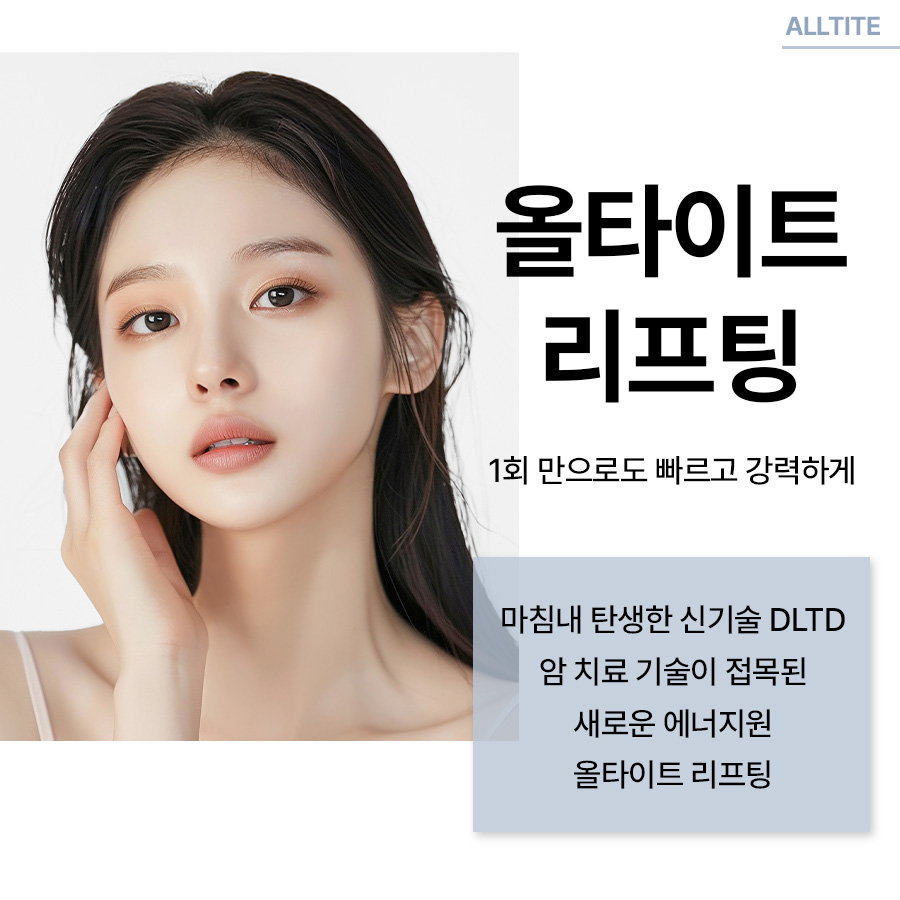
Many non‑surgical procedures do not require general anesthesia and are performed with local or topical anesthetic, but anesthesia needs and recovery time vary by procedure, treatment intensity, and individual health factors. Downtime is typically limited, though temporary redness, swelling, or sensitivity can occur. Discuss anesthesia options, expected recovery, and any activity restrictions with your treating clinician before the procedure.
Main devices used in the program
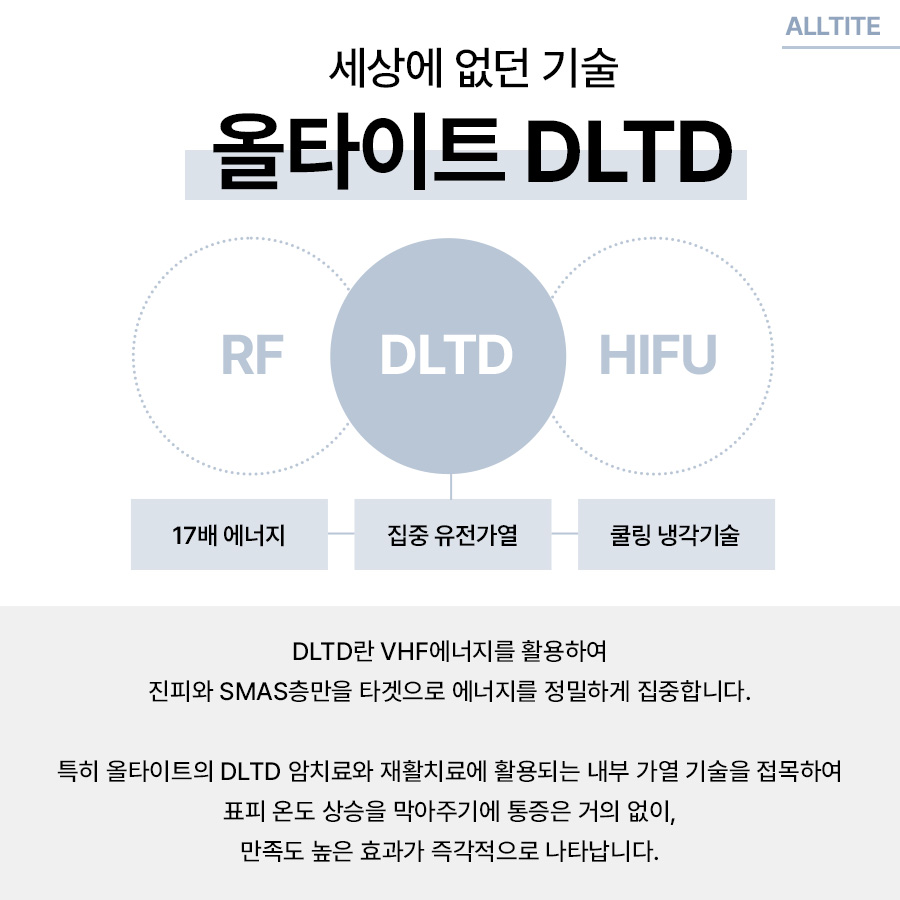
The Pyeongchon All Tight program can include several types of devices. The exact combination is decided after consultation and skin assessment.
Ulthera Prime
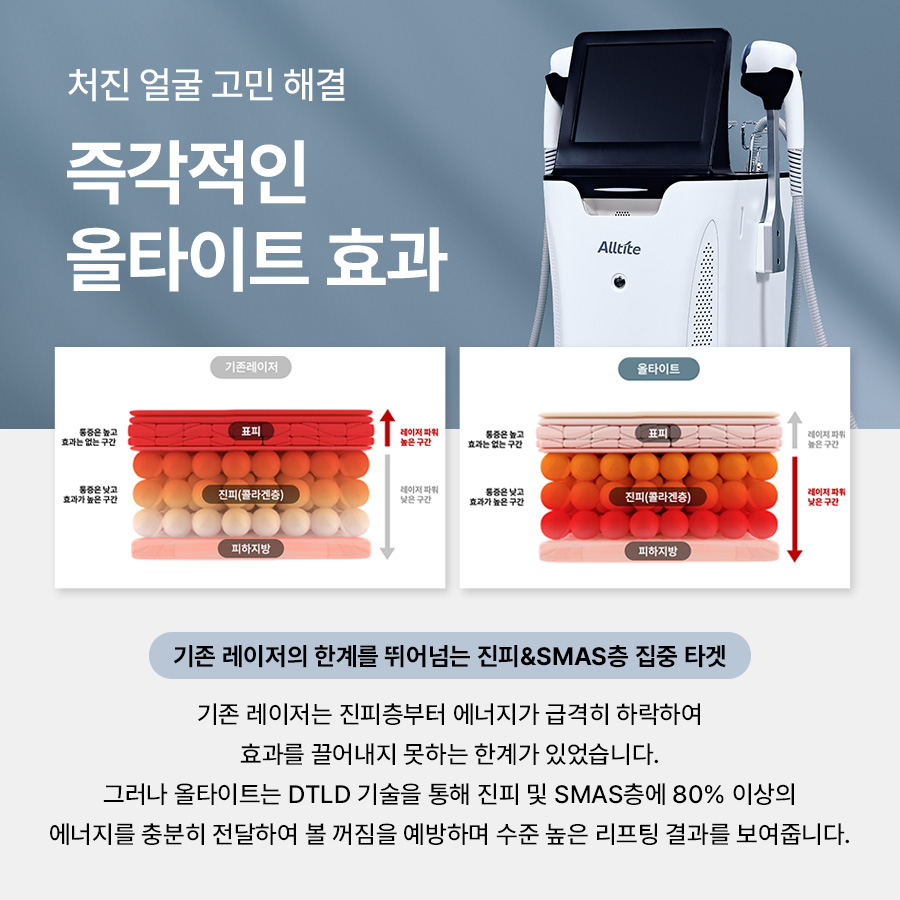
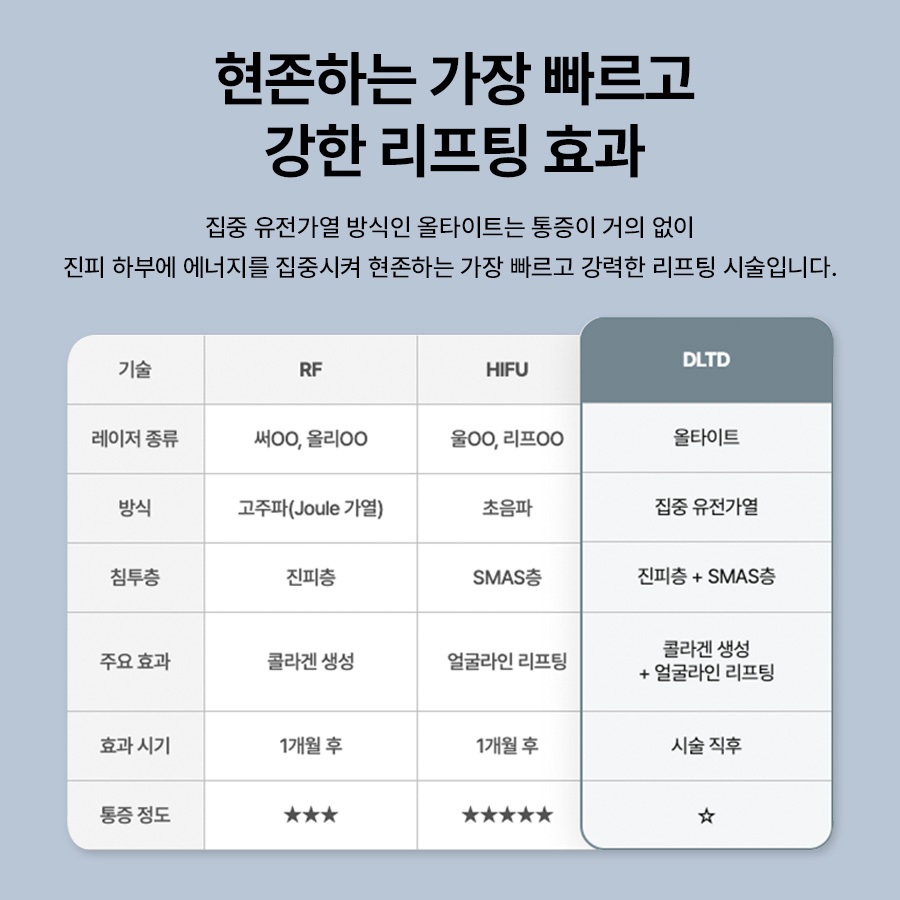
Ulthera Prime is a branded ultrasound lifting device. Manufacturers of ultrasound lifting devices commonly describe them as intended to deliver focused ultrasound energy to deeper tissue layers with the aim of stimulating collagen production and improving support. Specific claims about target depth, indications, and expected outcomes vary by device and manufacturer—confirm the device's stated indications and suitability with the clinic and the device manufacturer during your consultation.
It is often used for lifting the jawline, cheeks, and sometimes the brow area. Results usually appear gradually over several weeks to months as collagen remodeling occurs.
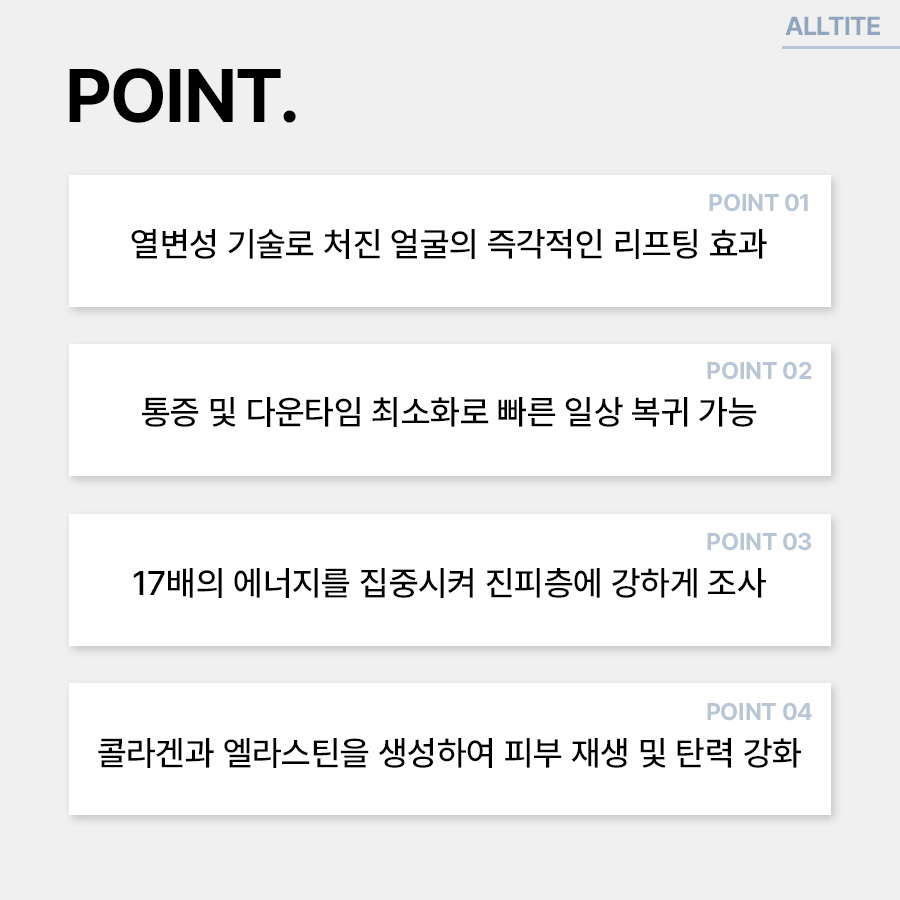
XERF lifting
XERF lifting is a radiofrequency‑based lifting system. RF energy gently heats the skin and underlying tissue to encourage collagen production and tightening. It can be useful for mild to moderate sagging and for people who prefer a gentler feeling compared to some other lifting devices.
InMode
InMode is a platform that can include different handpieces and technologies. Depending on the clinic’s setup, it may be used for skin tightening, contouring, or improving skin texture. The eye clinic may select specific InMode modes suitable for facial firming and contouring.
Oligio
Oligio is another radiofrequency lifting device. It is often used for overall facial tightening, especially for people who want a more comfortable session with relatively short downtime. It can be combined with ultrasound lifting or other RF treatments to cover both deeper and more superficial layers of the skin.
Thread lifting
Thread lifting uses fine, absorbable threads placed under the skin to provide mechanical lifting and stimulate collagen. It can help define the jawline, lift the midface, and support areas such as nasolabial folds or marionette lines.
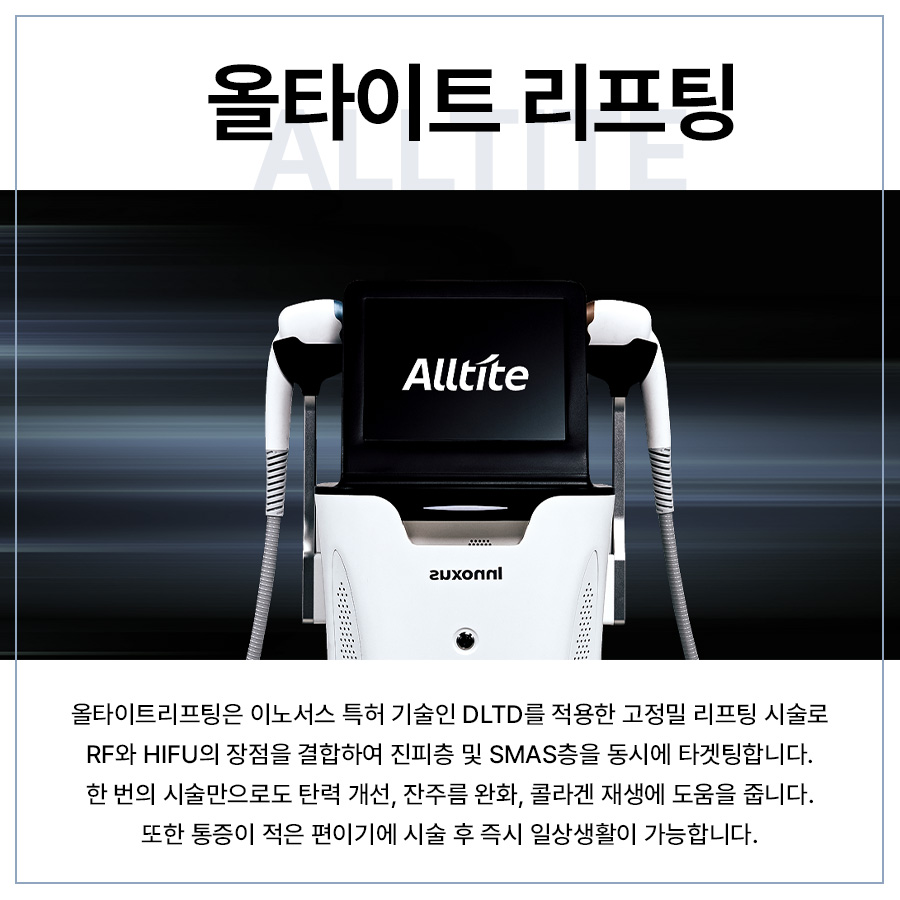
Because it is more invasive than external devices, thread lifting usually requires careful consultation about expectations, possible bruising, and recovery time. It is often combined with device‑based lifting to support both structure and skin quality.
Laser lifting
Laser lifting uses laser energy to heat the skin and stimulate collagen. It can improve mild laxity, fine lines, and sometimes skin tone and texture at the same time. Different wavelengths and settings may be chosen depending on your skin type and concerns.
RF microneedling
RF microneedling combines fine needles with radiofrequency energy. The needles create micro‑channels in the skin while RF energy is delivered into the dermis. This can help with skin texture, fine wrinkles, enlarged pores, and mild laxity.
Because it works in the dermal layer, it is often used to improve the quality of the skin surface and support the effects of deeper lifting devices.
Volumizing devices and treatments
Volumizing devices and related treatments aim to restore lost volume in areas such as the cheeks or under the eyes, where hollowness can make the face look tired or older. Depending on the clinic’s protocol, this may involve specific devices that stimulate collagen or other non‑surgical volumizing methods.
In the context of Pyeongchon All Tight, volumizing is used conservatively to maintain a natural look, rather than dramatically changing your facial shape.
Who may consider Pyeongchon All Tight?
The program is often considered by adults who are noticing early to moderate signs of facial aging and who prefer non‑surgical options. Suitability is determined on an individual basis during a medical consultation; age ranges are not strict criteria, and candidacy depends on anatomy, skin condition, health status, and treatment goals. A qualified clinician will assess whether this program is appropriate for you.
Typical concerns include:
- Sagging or loss of firmness in the cheeks
- Blurring of the jawline or early jowls
- Fine lines or mild wrinkles around the eyes and mouth
- Nasolabial folds that look deeper than before
- Overall tired or drooping facial appearance
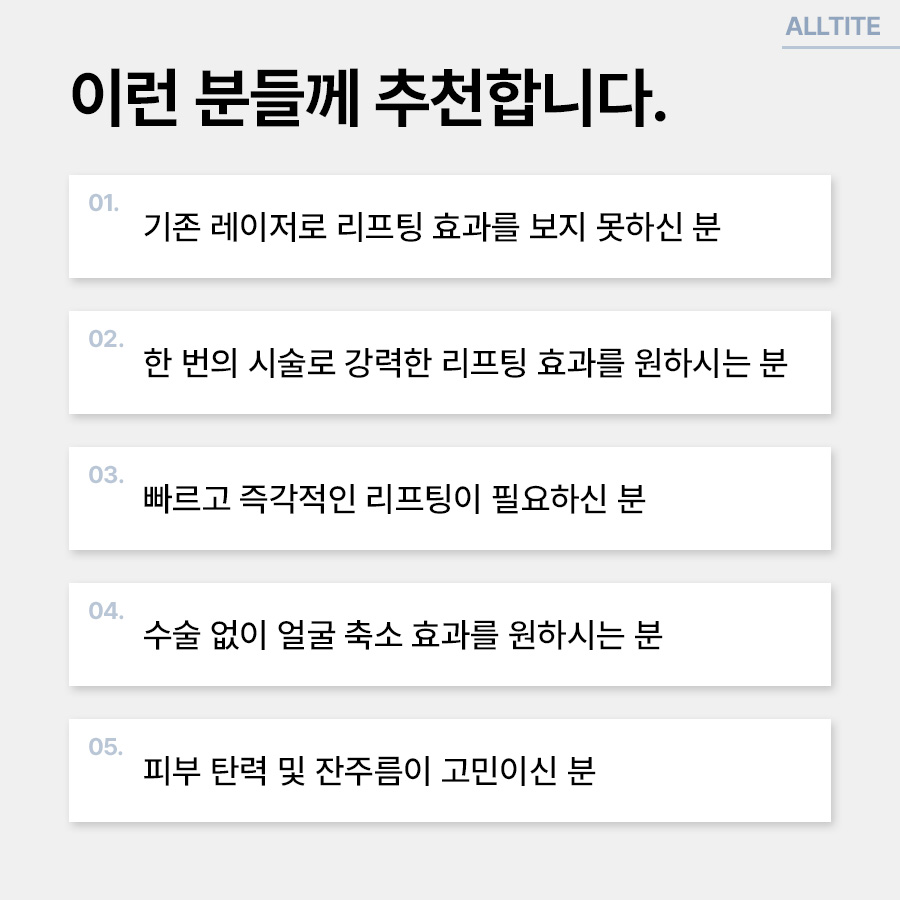
People who may be good candidates often:
- Want a natural, subtle improvement rather than a dramatic change
- Prefer non‑surgical or minimally invasive options
- Have limited time for recovery due to work or family
- Are willing to combine different devices for a more tailored plan
However, very severe sagging or heavy skin laxity may respond less to non‑surgical methods. In such cases, the clinic may explain realistic expectations and suggest whether a more intensive approach elsewhere could be considered. Individual results vary, and a face‑to‑face consultation is important before deciding.
Natural and conservative aesthetic style
The Pyeongchon All Tight concept focuses on a conservative aesthetic. This means:
- Maintaining your basic facial features and expressions
- Avoiding an overfilled or overly tight look
- Planning treatments in stages rather than doing everything at once
- Respecting the natural proportions of your face
Many office workers and residents in the Pyeongchon and Beomgye area prefer subtle changes that colleagues may describe as “looking refreshed” rather than obviously treated. The program is structured with this in mind.
Online consultation and pre‑visit preparation for overseas patients
If you live outside Korea, an online consultation is usually the first step. While exact procedures differ by clinic, the general process is similar.
Initial online inquiry
You can typically contact the clinic through its website, email, or messaging apps. When you reach out, it helps to include:
- Your age and main concerns (for example, sagging jawline, smile lines, fine wrinkles)
- Any previous lifting or laser treatments and when you had them
- Current medications or health conditions
- Your preferred travel dates and how many days you can stay in Korea
Sharing photos
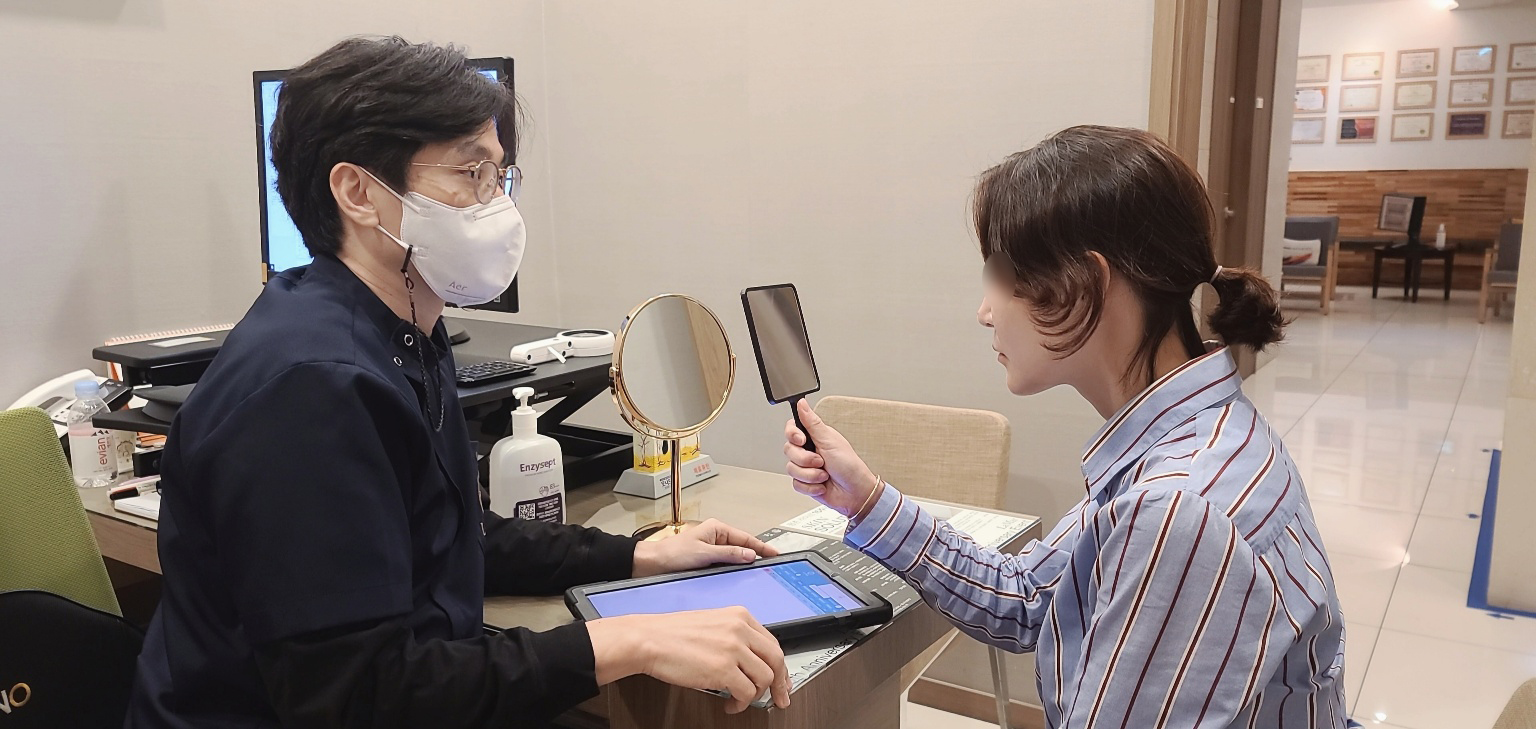
The clinic may ask for clear photos of your face from different angles: front, 45‑degree, and side views, in good lighting without heavy makeup or filters. This helps the medical team get a basic idea of your skin laxity and facial structure before you arrive.
These photos are only a preliminary reference. The final treatment plan is usually confirmed after an in‑person examination and discussion.
Questions to prepare before consultation
Before your online or in‑clinic consultation, it can be helpful to write down questions such as:
Which devices are likely to be used for my case, and why?
How many shots or how much energy is usually used for someone with my level of sagging?
Will thread lifting be recommended, or can I focus on device‑based lifting only?
What kind of anesthesia or numbing is used, and how uncomfortable is the procedure?
How much swelling or redness should I expect, and for how long?
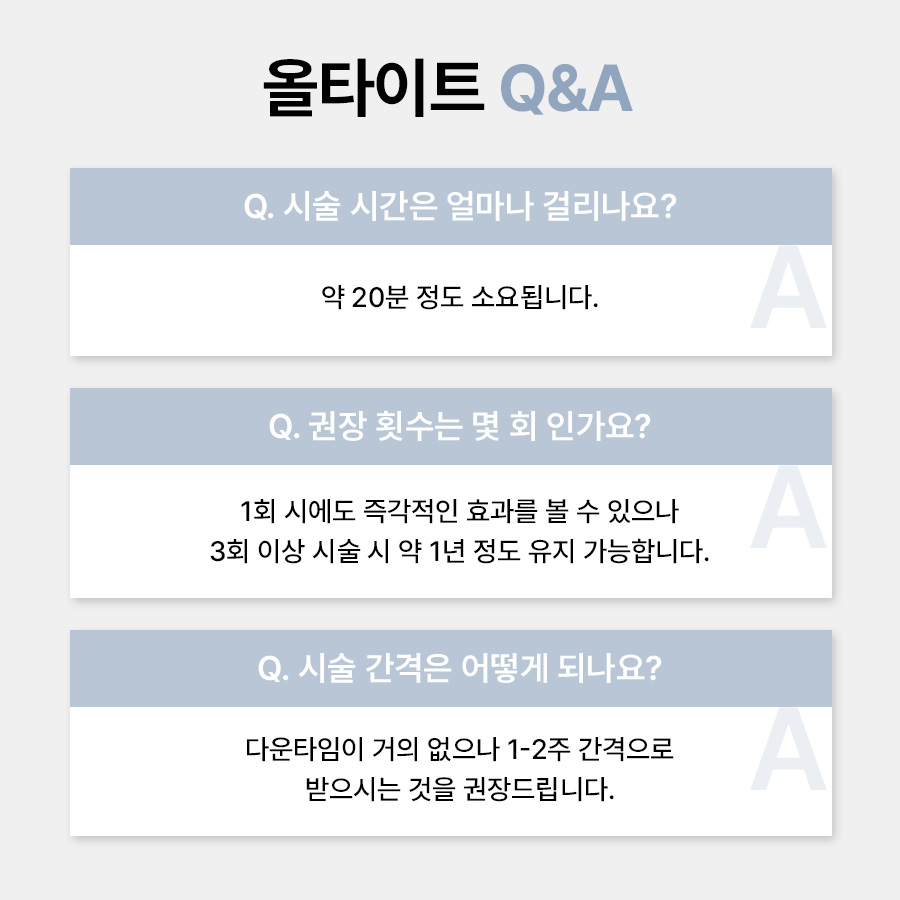
How many sessions are usually suggested, and at what intervals?
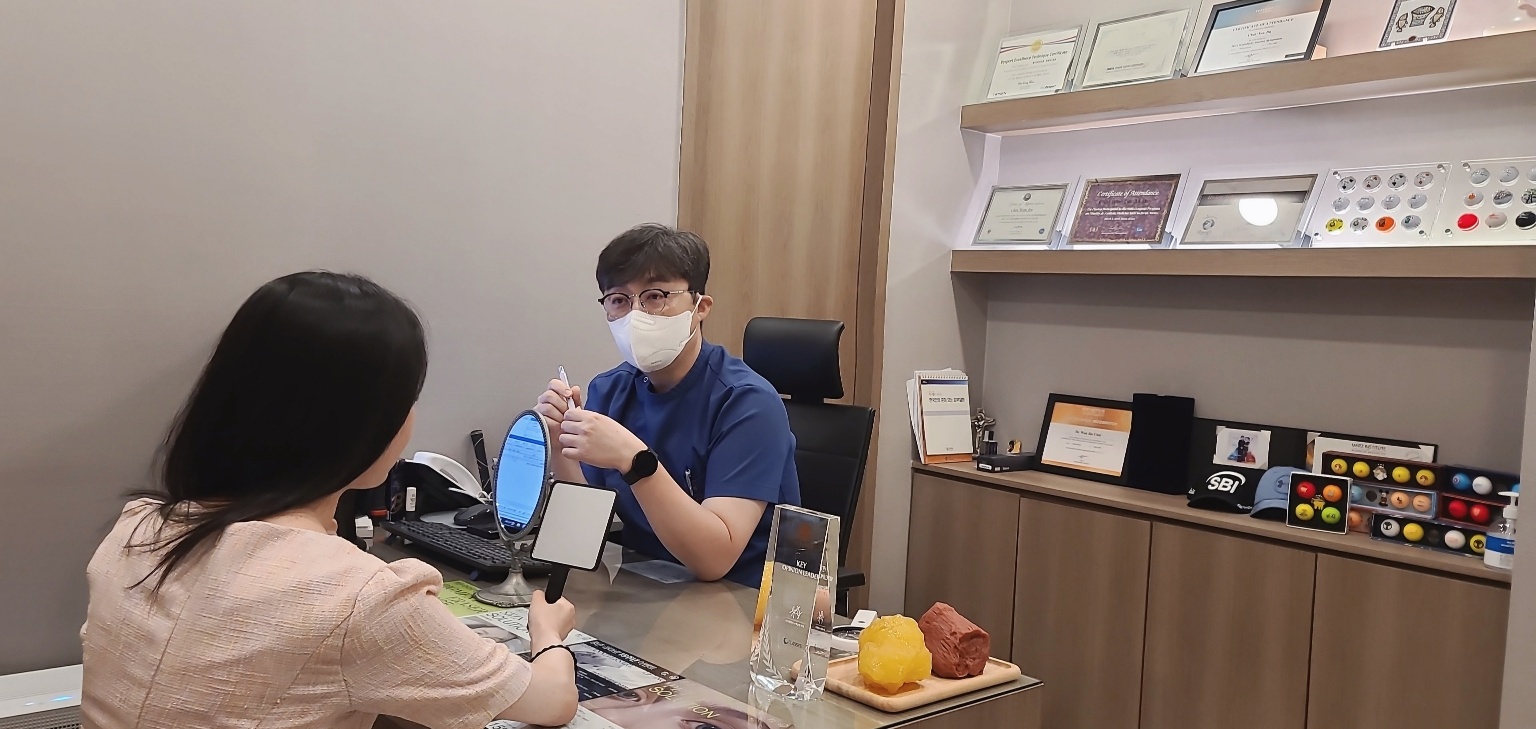
Having these questions ready allows you to compare different clinics more clearly and understand what you are agreeing to.
Medical history and safety
During online and in‑person consultations, be honest about:
- Any history of keloid or hypertrophic scarring
- Use of blood thinners or supplements that affect bleeding
- Autoimmune diseases or skin conditions
- Recent procedures such as peels, injections, or other energy‑based treatments
This information helps the clinic adjust device settings, choose suitable treatments, and reduce the risk of side effects. Because individual skin responses differ, personalized planning is important.
Expected Korea visit timeline for Pyeongchon All Tight
The exact schedule depends on your travel plan and the combination of treatments, but the following is a common structure for overseas visitors.
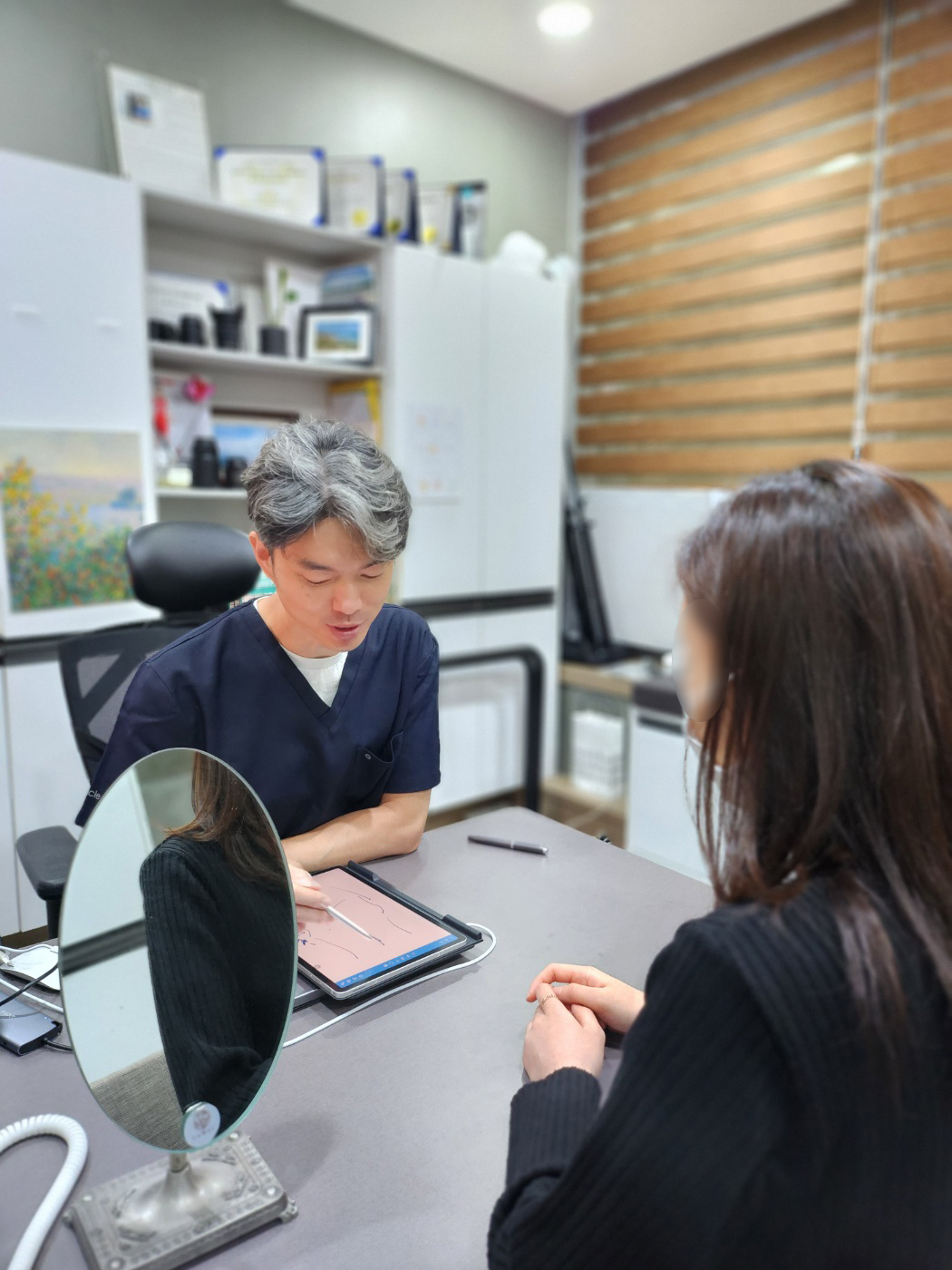
Day 1: In‑person consultation and detailed planning
- Arrival at the clinic near Beomgye Station in Pyeongchon
- Completion of medical questionnaire and consent forms
- High‑resolution facial photos and possibly skin analysis
- Face‑to‑face consultation with explanation of options
- Confirmation of which devices and procedures will be used
- Discussion of expected discomfort, downtime, and aftercare
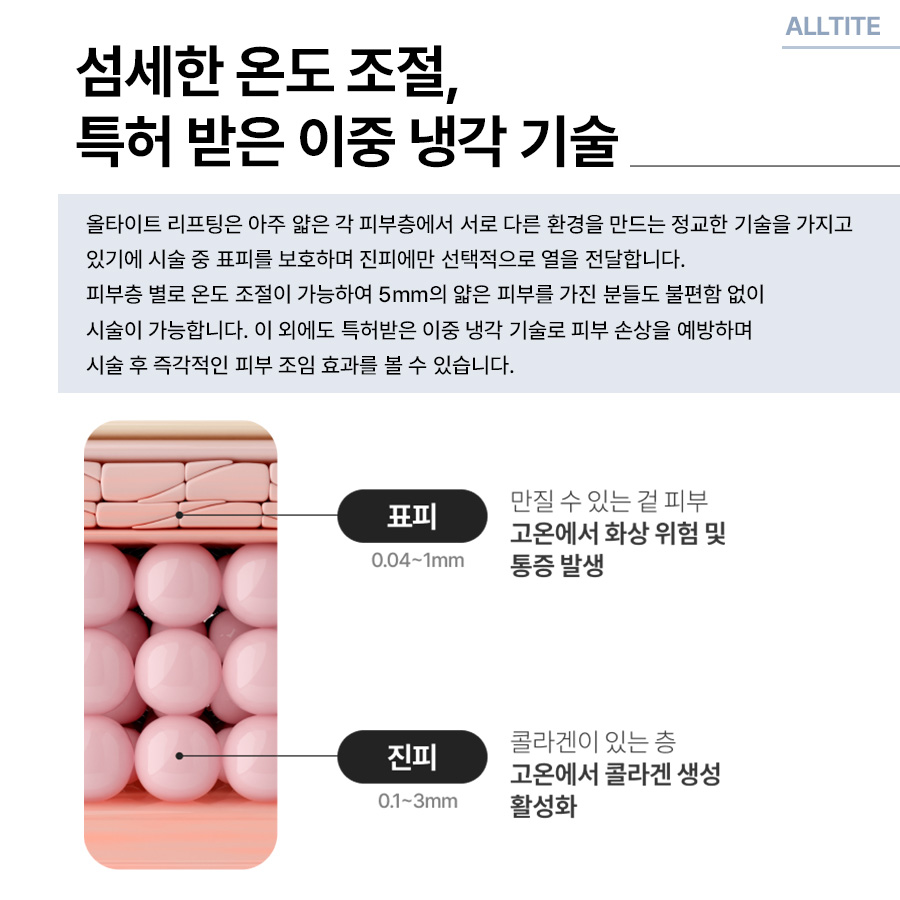
If you and the clinic agree, some treatments may be done on the same day, especially if your schedule is tight and your skin condition allows it.
Day 1 or Day 2: Main lifting session
- Cleansing and preparation of the skin
- Application of topical numbing cream or local anesthesia, depending on the procedure
- Marking of treatment areas and key anatomical landmarks
- Performing device‑based lifting such as Ulthera Prime, XERF lifting, InMode, Oligio, laser lifting, or RF microneedling
- If planned, thread lifting and volumizing procedures
- Cooling or soothing care immediately after
- Explanation of what to expect over the next few days
Most patients can leave the clinic the same day. Mild swelling, redness, or tenderness is common, especially after thread lifting or RF microneedling.
Day 2–3: Short‑term follow‑up
Some clinics schedule a brief follow‑up visit within a few days to check your skin condition, provide additional soothing care, or adjust the aftercare plan if needed. If your stay is short, this visit can be timed before your departure.
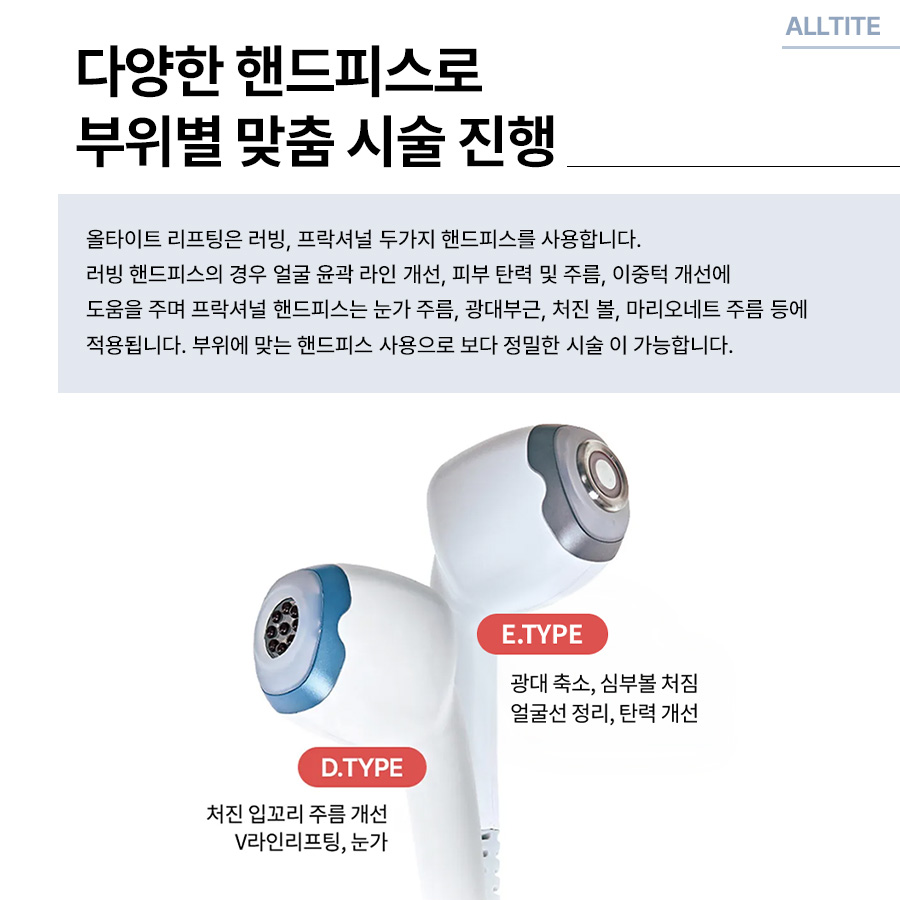
If you cannot return to the clinic before leaving Korea, the staff may give you detailed written instructions and ask you to send follow‑up photos by email or messaging apps.
1–3 months: Remote follow‑up
Since collagen remodeling and lifting effects develop gradually, clinics often recommend remote follow‑up at around 1–3 months. You may be asked to send updated photos and share how your skin feels.
If you plan to return to Korea later, you can discuss whether maintenance sessions with milder devices or additional lifting would be appropriate.
Aftercare and recovery
Aftercare instructions vary depending on which devices and procedures were used. However, there are some general guidelines.
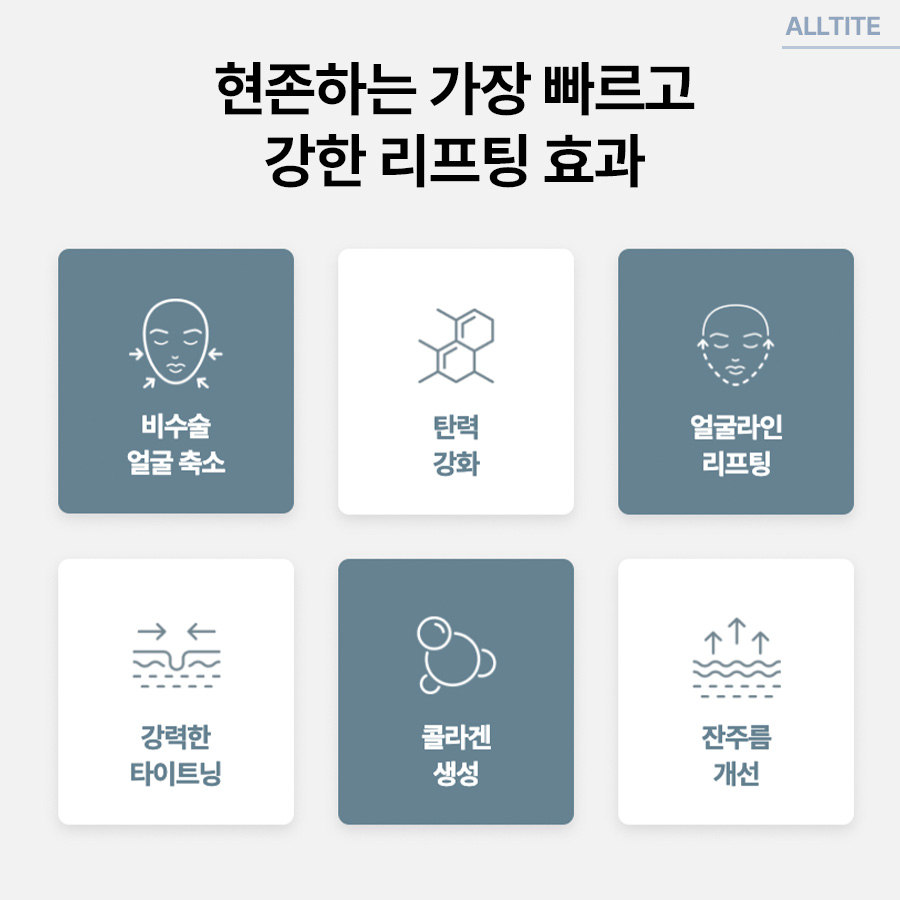
Immediately after treatment
You may experience:
- Redness and warmth in treated areas
- Mild swelling or puffiness
- Tenderness or tightness when touching or chewing
- Tiny marks or pinpoint bleeding if RF microneedling was performed
The clinic may apply cooling packs or soothing masks. Sun protection is very important from this stage.
First few days
Avoid hot baths, saunas, and intense exercise that makes you sweat heavily.
Use gentle cleansers and moisturizers recommended by the clinic.
Apply sunscreen diligently, even on cloudy days.
Avoid rubbing, massaging, or pressing hard on treated areas, especially if you had thread lifting.
If there is bruising from threads or injections, it usually fades gradually. Makeup may be allowed after a certain period, as advised by the clinic.
First few weeks
Mild tightness or a pulling sensation along thread lines can be normal and usually decreases over time.
Some people notice early tightening or contour changes within a few weeks, especially from RF or laser devices.
Deeper collagen remodeling from ultrasound or RF can continue for several months.
During this period, follow the clinic’s guidance on skincare products, sun protection, and any activities to avoid.
Long‑term maintenance
Non‑surgical lifting is not permanent. Many people repeat certain treatments every 6–18 months depending on age, skin condition, and lifestyle. The clinic may suggest a maintenance plan that could include:
- Periodic RF or laser tightening sessions
- Occasional RF microneedling for texture and fine lines
- Additional threads after a certain interval, if appropriate
Because everyone’s skin ages differently, maintenance schedules are individualized.
How to compare lifting options in Pyeongchon and Beomgye
If you are comparing Pyeongchon All Tight with other lifting options in the area, consider looking beyond price alone. Key points to check include:
Device lineup and suitability
Ask which devices the clinic actually uses and how they decide which combination is right for you. A clinic with multiple platforms such as Ulthera Prime, XERF lifting, InMode, Oligio, laser lifting, and RF microneedling can adjust more precisely to your concerns.
Energy, shots, and coverage
Ask about the typical number of shots or energy levels used for your age group and skin laxity. Very low settings may feel comfortable but give limited results, while overly aggressive settings may increase downtime. Balanced planning is important.
Anesthesia and comfort
Check what type of anesthesia or numbing is used for each part of the treatment. Some people prefer stronger numbing for thread lifting or RF microneedling, while others may be comfortable with topical cream only.
Downtime and schedule
Confirm how many days of visible redness, swelling, or bruising you should realistically expect. This is especially important if you are an office worker or have social events soon after your visit.
Aftercare and follow‑up
Ask whether follow‑up visits or online check‑ins are included. For overseas patients, clear remote follow‑up is especially helpful.
Soft call to action for online consultation
If you are living abroad and considering non‑surgical lifting in Korea, an online consultation with the Pyeongchon All Tight program can help you understand whether it suits your needs and schedule. By sharing photos, medical history, and your available travel dates, you can receive a preliminary plan and a realistic explanation of expected effects and downtime.
If you are interested in a natural, conservative approach to facial lifting near Beomgye Station in Anyang, you can contact the eye clinic offering Pyeongchon All Tight to discuss options, ask detailed questions, and plan your visit in advance.
Frequently asked questions
Is Pyeongchon All Tight suitable for first‑time lifting patients?
Pyeongchon All Tight can be suitable for people who are new to lifting treatments, especially those in their late 20s to 40s with mild to moderate sagging. Because the program uses multiple devices, the clinic can start with gentler options or lower intensities and build up gradually. During consultation, you can discuss your tolerance for discomfort, your schedule, and how subtle or noticeable you want the change to be.
How long do the effects of the Pyeongchon All Tight program last?
The duration of effect varies widely between individuals and by the specific modality used. Some patients report that ultrasound or radiofrequency treatments develop over several months and may last many months to over a year, while others see shorter or longer-lasting changes. Thread lifting outcomes also change over time as threads are absorbed and natural aging continues. Individual results depend on age, skin condition, lifestyle, and maintenance; regular follow‑up and maintenance treatments may be recommended. Discuss typical timelines and expected longevity for each device with your clinician.
How many days should overseas patients stay in Korea for this program?
If your schedule is very tight, the clinic may try to combine consultation and treatment on the same day, but this depends on your skin condition and the complexity of the plan.
Is there significant pain or downtime with Pyeongchon All Tight?
Discomfort levels vary depending on which devices and procedures are used and on individual sensitivity. Topical numbing cream, local anesthesia, or cooling methods are usually applied to reduce discomfort. Many device‑based lifting treatments cause temporary heat, tingling, or mild pain during the session, while thread lifting can feel more intense and may cause bruising or soreness afterward. Most people can return to light daily activities soon, but visible redness or swelling may last from a few hours to several days.
Medical information notice
This article is intended for general information for international patients considering non‑surgical lifting and tightening options in Korea, specifically the Pyeongchon All Tight program near Beomgye Station. It does not replace a professional medical consultation, diagnosis, or treatment. Individual conditions, risks, and expected outcomes should always be discussed directly with qualified medical staff at the clinic before deciding on any procedure.


댓글
댓글 쓰기