Pyeongchon Juvelook Reviews: Treatment Process, Pain, Downtime, and Clinic Notes (평촌쥬베룩후기)
- 공유 링크 만들기
- X
- 이메일
- 기타 앱
Direct answer summary
In reviews of local clinics that offer lifting, anti‑aging, and laser treatments, Juvelook is often discussed as part of a broader treatment plan that can include lasers or lifting procedures. Some patients report tolerable discomfort with topical numbing, light to moderate downtime for a few days, and improvement in how makeup sits after the first week as redness and bumps subside. Readers should consult primary reviews and the treating clinic for detailed, individual accounts.
What Juvelook is in simple terms
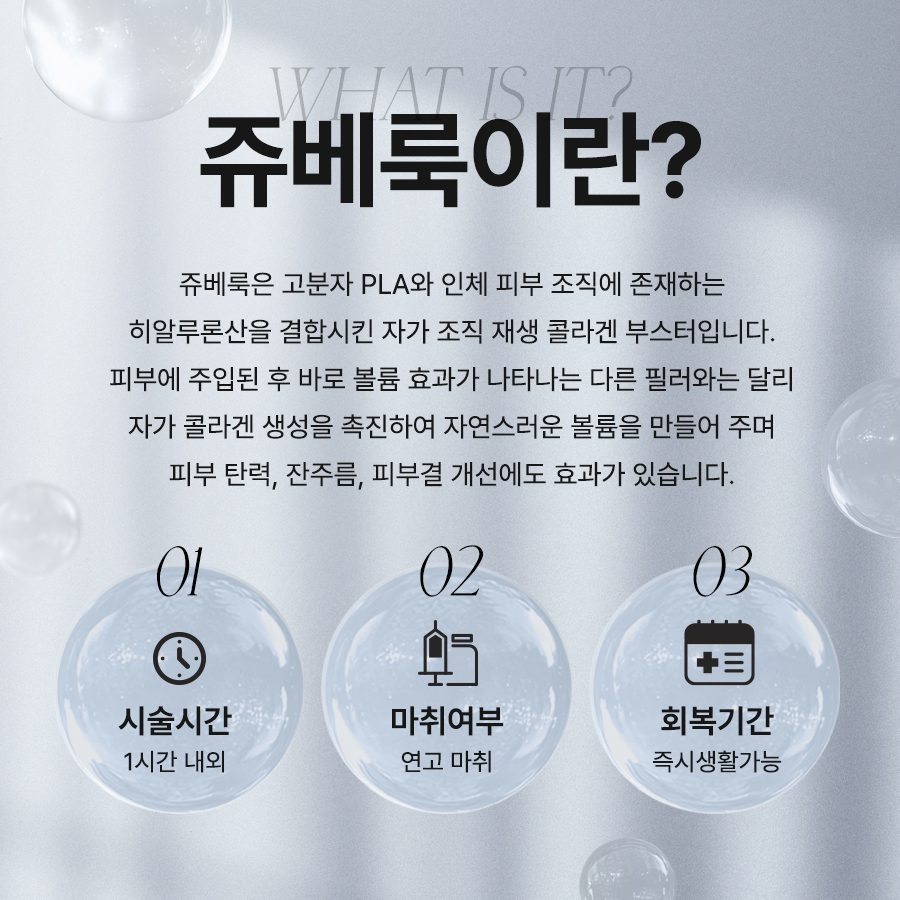
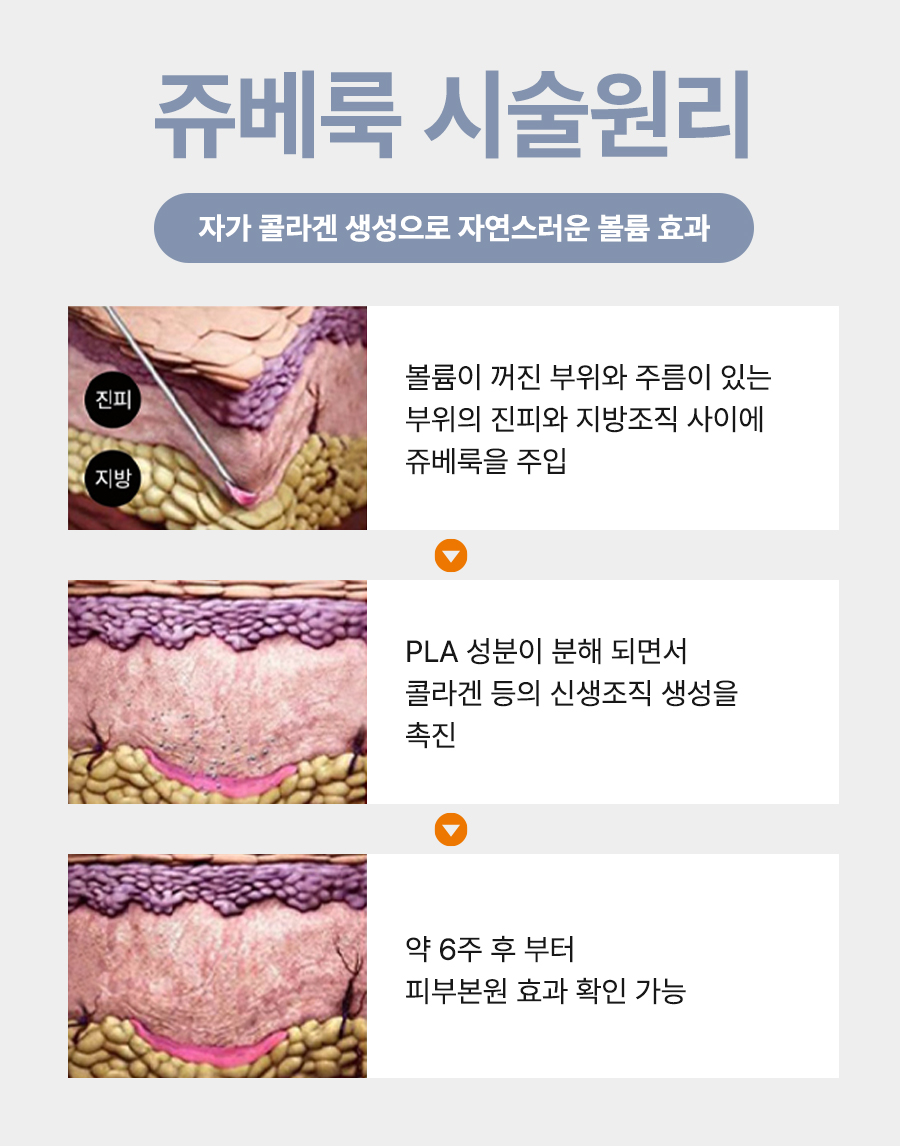
Juvelook is commonly described as a polylactic acid–based skinbooster. Rather than adding immediate volume like a traditional filler, it is injected into the dermis with the goal of stimulating the skin’s own collagen over time.
Polylactic acid is a material that has been used in medicine for many years. In this skinbooster form, very small particles are dispersed in a solution and injected with fine needles or a cannula. These particles gradually encourage your skin to produce more collagen in the treated areas.
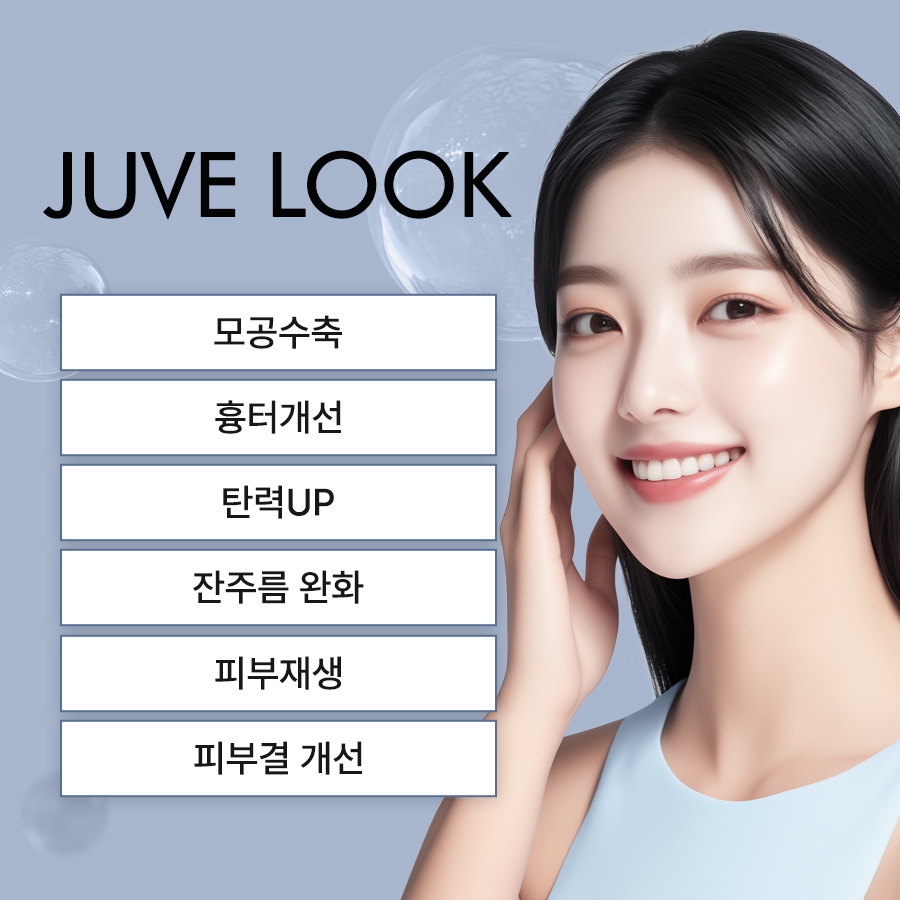
Because of this mechanism, Juvelook is often chosen for:
- Pores that look enlarged, especially on the cheeks and nose
- Shallow acne scars and uneven texture
- Fine lines on the cheeks and under-eye area
- Overall dullness or lack of elasticity
It is not usually the first choice if you want immediate volume in the lips or deep folds. Instead, people choose it when they want their own skin quality to improve slowly and naturally.
Who usually considers Juvelook in Pyeongchon
From local reviews and consultation patterns, typical candidates include people in their 20s to 40s who:
Have old acne scars that make makeup look uneven
Notice enlarged pores and rough texture around the nose and cheeks
Feel that their skin looks tired or dull despite regular skincare
Have early fine lines or mild sagging and want something less drastic than surgery
Are nervous about looking overdone from fillers but still want visible improvement
Many are office workers or residents around Pyeongchon and Beomgye Station who want a treatment they can fit around work, with manageable downtime. Some are already doing laser toning or lifting and add Juvelook when they want extra help for scars or pores.
Location and clinic atmosphere
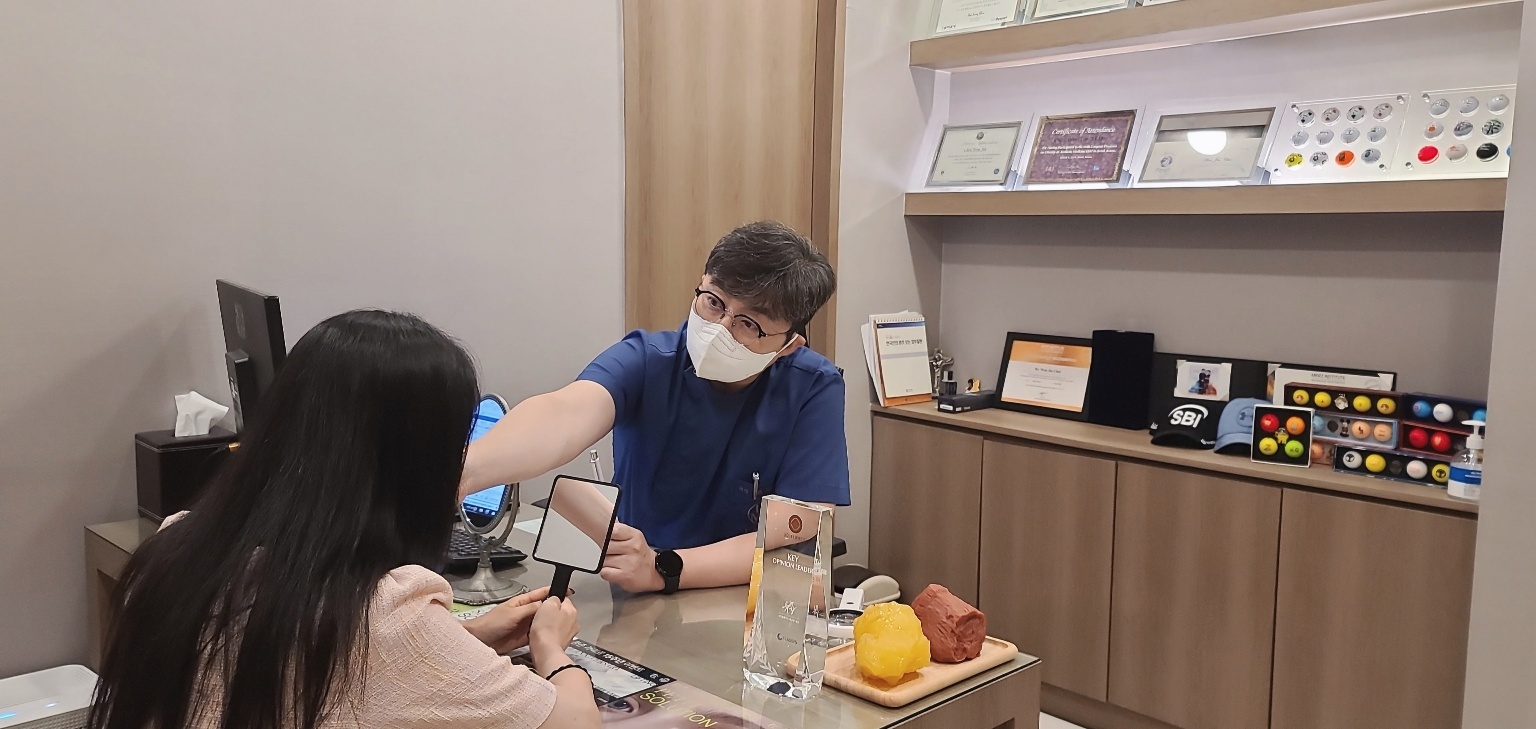
Many Pyeongchon Juvelook reviews reference clinics located in the Pyeongchon commercial area near Beomgye Station on subway line 4. Reviewers often note the convenience for commuters, but specific clinic locations and details should be confirmed directly with the clinic.
The atmosphere is usually described as similar to a modern anti-aging and lifting center rather than a simple beauty salon. There is a reception area, consultation rooms, and treatment rooms equipped with multiple devices.
The clinic offers a wide range of lifting and anti-aging procedures, such as:
Availability of specific devices and branded technologies varies by clinic, so confirm equipment and treatment offerings with the provider.
For skin tone and texture, there are multiple laser devices for pigmentation, redness, and pores, including picosecond lasers, Nd:YAG, IPL, vascular lasers, and aqua peel systems. Juvelook is one option within a larger menu of skinboosters and injections, not the only procedure.
Medical staff and treatment philosophy
Several doctors practice at the same location, and consultations generally focus on matching treatment intensity to the patient’s skin condition and pain tolerance.
Many reviews mention that the medical staff prefers natural-looking results. If someone asks for very strong volume changes, the doctor may suggest combining lifting and skinboosters rather than heavy filler, to keep facial expressions and contours looking natural.
Because of the anesthesiology background, there is usually attention to pain control and monitoring during procedures. Patients are informed about possible side effects and are given aftercare instructions, but no procedure can be guaranteed to be risk-free or to have the same result for everyone.
Standard Juvelook treatment process in Pyeongchon
Most patients describe a structured, multi-step process rather than a quick injection and exit. A typical visit for Juvelook might look like this:
1. Consultation and diagnosis
Skin concerns are discussed in detail: acne scars, pores, redness, fine lines, early sagging, or pigmentation. The doctor examines the skin, sometimes using magnification or imaging, and explains what Juvelook can and cannot do.
You will usually hear that Juvelook is a collagen stimulator with delayed but longer-lasting effects compared to simple hydrating injections. The doctor may compare it with other skinboosters or fillers and suggest how many sessions might be helpful, often spaced several weeks apart.
2. Cleansing and basic exfoliation
Before the main procedure, staff usually perform cleansing to remove makeup and sunscreen. If needed, gentle scaling or basic exfoliation is done so that the skin is clean and ready for treatment.
3. Numbing and preparation
A topical numbing cream is applied over the areas to be treated. This stays on for a set time, often around 20 to 40 minutes, depending on the clinic’s protocol and your sensitivity.
During this time, the staff may go over consent forms and aftercare instructions. You can ask last-minute questions about pain, downtime, or combining Juvelook with other treatments.
4. Juvelook injections
The doctor performs the injections using fine needles or a cannula, depending on the area and the plan. Many patients describe feeling:
Stinging or prickling when the needle enters
Pressure or a slight burning sensation when the product is injected
More sensitivity in bony or scarred areas such as the cheekbones or deep acne scars
The doctor typically checks on your pain level and can adjust speed or technique. Because of the numbing cream and careful injection, most patients say the session is tolerable, though not completely painless.
5. Soothing mask pack and finishing care
After injections, a soothing mask pack or calming treatment is applied to help reduce redness and heat sensation. Cooling devices or gentle LED may be used, depending on the clinic.
Finally, a light cream or sun protection is applied. Staff review aftercare instructions again, including what to avoid and how to manage any swelling or bruising.
Pain level based on typical reviews
Pain perception is personal, but Pyeongchon Juvelook reviews tend to fall into these patterns:
With numbing cream, most people describe the pain as mild to moderate and tolerable.
Sensitive areas like the under-eye region and bony cheekbones can feel sharper or more uncomfortable.
Scarred areas may feel more pressure or stinging because the tissue is uneven.
The overall injection time is usually short compared to the total visit time, which includes numbing and soothing steps.
People who are very anxious about needles often say that the doctor’s explanation and checking in during the procedure helps them feel calmer. If you are worried, you can mention this during online consultation so the clinic can plan extra time or additional comfort measures.
Downtime and daily life after Juvelook
Downtime is one of the main topics in Pyeongchon Juvelook reviews. Typical experiences include:
Immediately after treatment
- Redness in the treated areas
- Small bumps or raised areas where the product was injected
- Mild swelling, especially on the cheeks
- A feeling of warmth or tightness
First one to three days
Redness usually decreases within a day or two.
Small bumps flatten as the solution spreads and is absorbed.
Pinpoint bruises may appear at some injection sites, especially if you bruise easily.
The skin can feel slightly rough or uneven to the touch.
Most patients can return to work the next day, especially if they are comfortable using light makeup to cover redness or small bruises. However, clinics usually advise:
Avoid heavy exercise for a few days
Avoid saunas, hot baths, and excessive alcohol as they can worsen swelling or bruising
Follow instructions about skincare, usually avoiding strong acids or scrubs for a short period
Visible changes over several weeks
Because Juvelook works by stimulating collagen, changes are gradual. Based on typical feedback:
First week
Surface redness and bumps settle.
Makeup tends to go on more smoothly once the initial irritation calms.
Some people notice a slight plumping or hydrated look, but this is subtle.
Four to six weeks
Many patients start to notice that pores look a bit tighter, especially on the cheeks and nose.
Shallow acne scars may look softer or less obvious in certain lighting.
Fine lines on the cheeks or around the mouth can appear less noticeable.
The skin may look more even and less rough overall.
Two to three months
Collagen stimulation continues, so improvements can slowly build.
Texture changes are usually described as natural and soft rather than dramatic.
Some people around you may comment that your skin looks smoother or more rested, without guessing you had injections.
It is important to remember that results vary. Not everyone will see the same degree of improvement, and deeper scars or more advanced aging may require combination treatments or additional sessions.
How many sessions are usually recommended
For pores and mild texture issues, some clinics may recommend a series of two to three sessions spaced several weeks apart, but recommended session counts and intervals vary by individual case and should be determined in consultation with a treating physician.
For more pronounced acne scars or fine lines, the doctor may suggest more sessions or combining Juvelook with other treatments like needle RF or specific lasers.
During consultation, the doctor will usually:
Assess your skin thickness, scar depth, and elasticity
Ask about your schedule and tolerance for downtime
Explain that collagen-building treatments work better as a course rather than a single injection in many cases
Combination treatment plans with lifting and lasers
Examples of typical combinations include:
Juvelook and needle RF for scars and pores
Needle RF can target deeper layers and help remodel scarred tissue.
Juvelook then supports collagen building in the dermis.
This combination is often chosen by people with long-standing acne scars and visible pores.
Juvelook and laser toning for pigmentation and texture
Laser toning or picosecond laser can address pigmentation and overall tone.
Juvelook focuses on texture, pores, and fine lines.
This is common for patients who have both dark spots and uneven texture.
Juvelook with lifting treatments for early sagging
For those in their 30s or 40s with mild sagging and fine lines, a plan might include Ultherapy Prime, InMode lifting, or thread lifting for firmness, and Juvelook for surface texture.
This approach aims to improve both the deeper support structure and the surface quality of the skin.
The clinic tends to design a plan based on your main priority: lifting, pigmentation, redness, or scars. Juvelook is then added or scheduled at appropriate intervals, rather than being pushed as a one-solution-for-all procedure.
Online consultation and pre-visit preparation for overseas patients
If you are visiting from overseas, it is helpful to start with an online consultation. You can usually contact the clinic through messaging apps, email, or an online form.
To make the most of this step, prepare:
- Clear photos of your face in natural light from the front and sides
- Close-up photos of problem areas such as acne scars, pores, or fine lines
- A brief history of past treatments such as lasers, peels, or injections
- Any known allergies or medical conditions
- Your travel dates and how many days you can stay in Korea
During online consultation, you can ask about:
- Whether Juvelook is suitable for your specific concerns
- How many sessions might realistically fit into your travel schedule
- What kind of downtime to expect around your planned activities
- Whether it is better to focus on Juvelook alone or combine it with one or two other treatments during your stay
Expected Korea visit timeline
For a short trip focused on Juvelook, a typical schedule might look like this:
Day 1
- In-person consultation and skin assessment
- Discussion of treatment plan and consent
- Cleansing, numbing, and first Juvelook session
- Post-treatment soothing and instructions
Day 2 to 3
Mild redness or bumps may still be present.
You can usually move around the city, do light sightseeing, or attend meetings with makeup if you are comfortable.
Avoid intense exercise and saunas.
Day 4 to 7
Most visible signs of treatment have calmed.
If your schedule allows, some patients add a gentle laser or aqua peel session later in the week, as advised by the doctor.
For those planning multiple Juvelook sessions, a longer stay or repeated visits to Korea would be needed, as sessions are often spaced several weeks apart. The clinic can help you prioritize what to do first if you have limited time.
Aftercare and follow-up
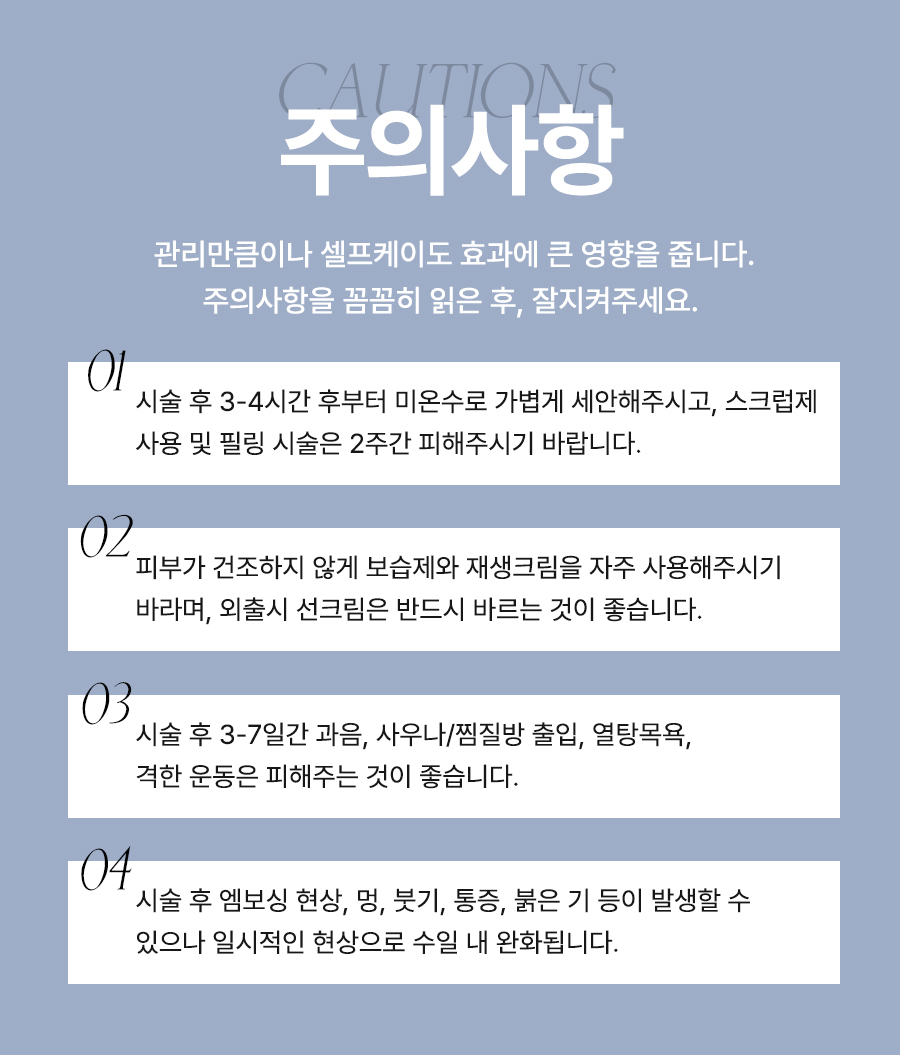
After Juvelook, typical aftercare instructions include:
Use gentle, hydrating skincare and avoid harsh scrubs or strong acids for a short period.
Apply sunscreen daily and avoid direct sun exposure as much as possible.
Do not press or massage the treated areas unless the doctor specifically instructs you.
Avoid saunas, very hot baths, and heavy exercise for a few days.
If you are traveling back home soon after treatment, ask for written aftercare instructions in a language you understand, and clarify how to contact the clinic if you have questions later.
Pros and cons based on patient-style feedback
Possible advantages
- Gradual, natural-looking improvement in pores, scars, and fine lines
- Can be combined with many other devices and treatments for a tailored plan
- Usually manageable downtime for office workers and travelers
- Focus on matching treatment intensity to skin status and tolerance
Possible drawbacks
Results are not instant and require patience over weeks to months.
Multiple sessions may be recommended for noticeable change.
There can be redness, bumps, or bruising for a few days.
Not every skin type or concern will respond in the same way.
What to check during consultation
Before you decide, it can help to prepare a small checklist of questions:
- How many Juvelook sessions do you recommend for my skin, and at what intervals
- What changes are realistic for my level of acne scarring or pore size
- How will Juvelook fit with any lasers or lifting procedures you suggest
- What is the expected downtime for my skin type and lifestyle
- What should I avoid before and after the procedure
You can also ask about the specific devices the clinic plans to use if you are combining treatments, and how they sequence them around Juvelook.
FAQ
Is Juvelook painful
Most patients describe Juvelook as tolerable rather than comfortable. With topical numbing cream, the pain is usually mild to moderate. You may feel stinging or pressure, especially in bony or scarred areas, but the doctor typically checks your pain level and adjusts technique. If you are very sensitive, mention this early so the clinic can plan extra time for numbing and reassurance.
How long does it take to see results from Juvelook
Juvelook does not give instant, dramatic changes. Initial redness and bumps settle within a few days, and makeup often looks smoother after the first week. Many patients start to notice improvements in pores, scars, and fine lines around four to six weeks after treatment, with further gradual changes over two to three months as collagen builds. Individual timelines vary.
Can I go back to work the day after Juvelook
Most people can return to work the next day, especially if they are comfortable using light makeup to cover redness or small bruises. You may still have mild swelling, pinpoint bruises, or a slightly rough texture for a few days. Clinics usually advise avoiding heavy exercise, saunas, and alcohol for a short period, so consider your work and social schedule when booking.
Is Juvelook enough on its own for acne scars and pores
For mild scars and enlarged pores, some patients are satisfied with a series of Juvelook sessions alone. For deeper or long-standing scars, doctors often recommend combining Juvelook with treatments like needle RF or specific lasers to target different layers of the skin. During consultation, the doctor can explain whether Juvelook alone is reasonable for your case or whether a combination approach would be more appropriate.
Soft call to action
If you are considering Juvelook in the Pyeongchon area and want realistic guidance rather than exaggerated promises, an online consultation can be a useful first step. Share clear photos, your main concerns, and your travel schedule, and ask how Juvelook might fit into a personalized plan that matches your skin condition and comfort level. This way, you can arrive in Korea with a clearer idea of what to expect from your Juvelook treatment near Beomgye Station in Anyang.
참고 및 출처
위 기관의 공개 정보는 일반적인 확인 경로이며, 본문의 개별 판단은 현재 상태와 공식 안내를 함께 확인해야 합니다.
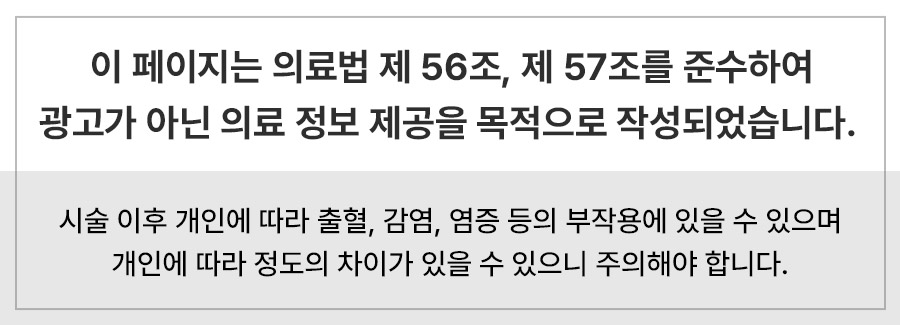
본 글은 일반적인 정보 제공을 목적으로 작성되었습니다. 실제 조건, 비용, 절차와 적용 기준은 시점과 개별 상황에 따라 달라질 수 있으므로 계약이나 결정 전 공식 안내를 확인해야 합니다.


댓글
댓글 쓰기