Pyeongchon XERF lifting guide for overseas patients near Beomgye Station
- 공유 링크 만들기
- X
- 이메일
- 기타 앱
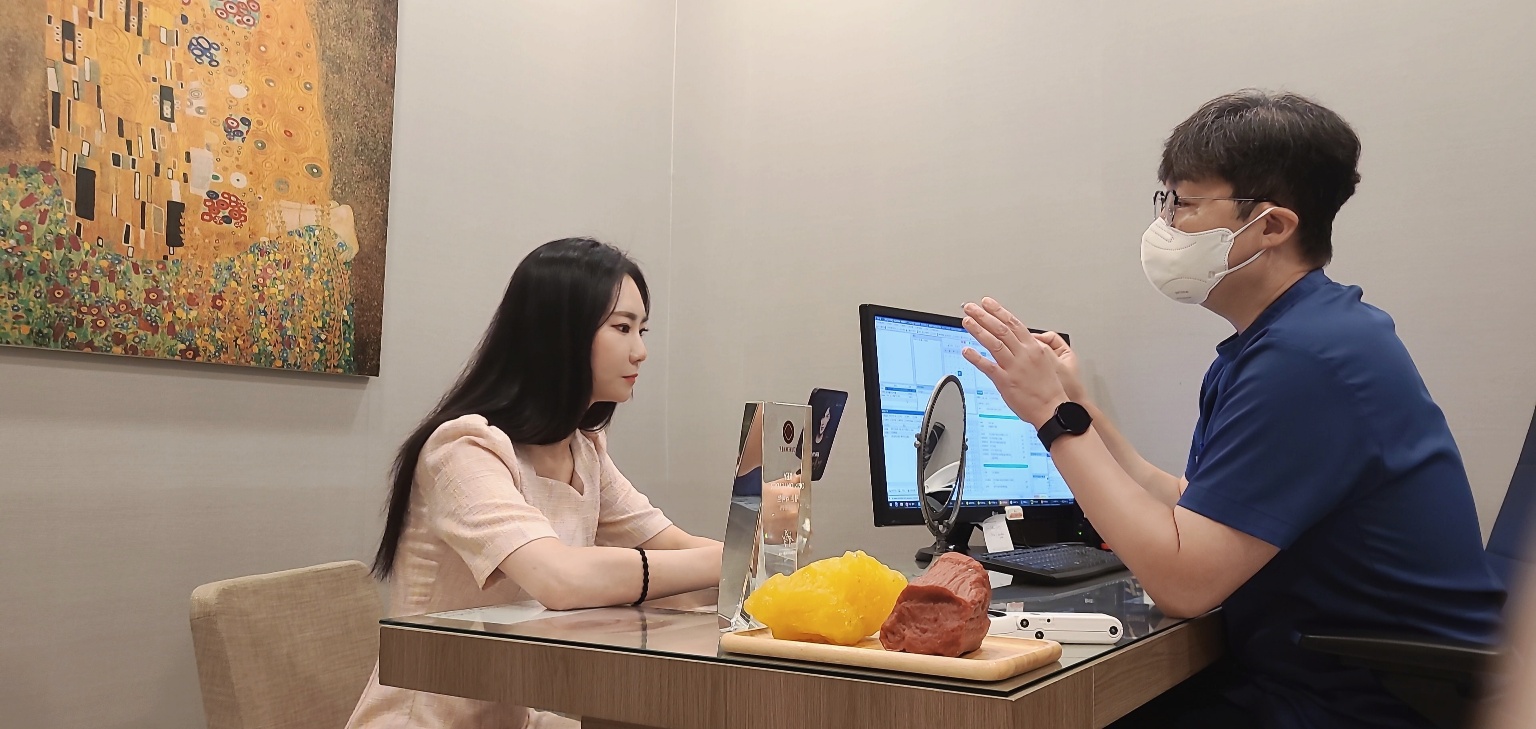
Direct answer summary
Local aesthetic and ophthalmology clinics near Beomgye Station typically plan XERF together with other lifting and laser options after a detailed consultation, rather than as a one‑size‑fits‑all solution.
This guide explains what XERF lifting is, who may consider it, how a typical treatment process looks for international patients coming to Pyeongchon, what to expect in terms of sensation and downtime, and how to prepare before visiting Korea.

What XERF lifting is and how it works
XERF lifting overview
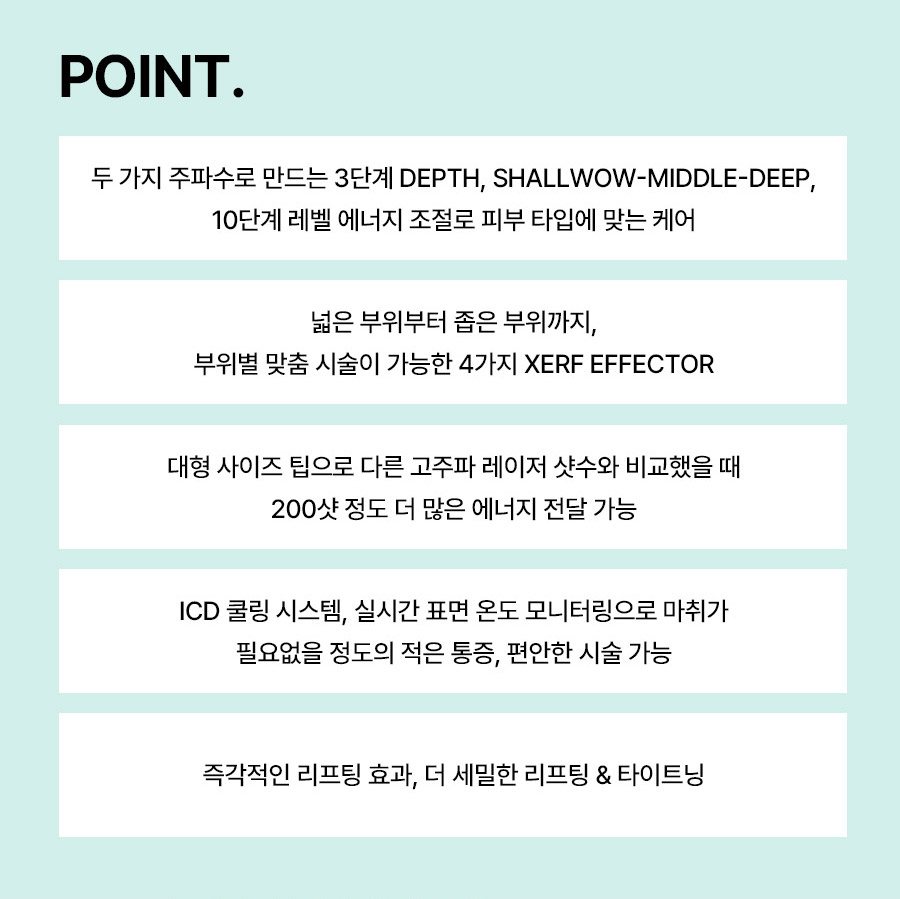
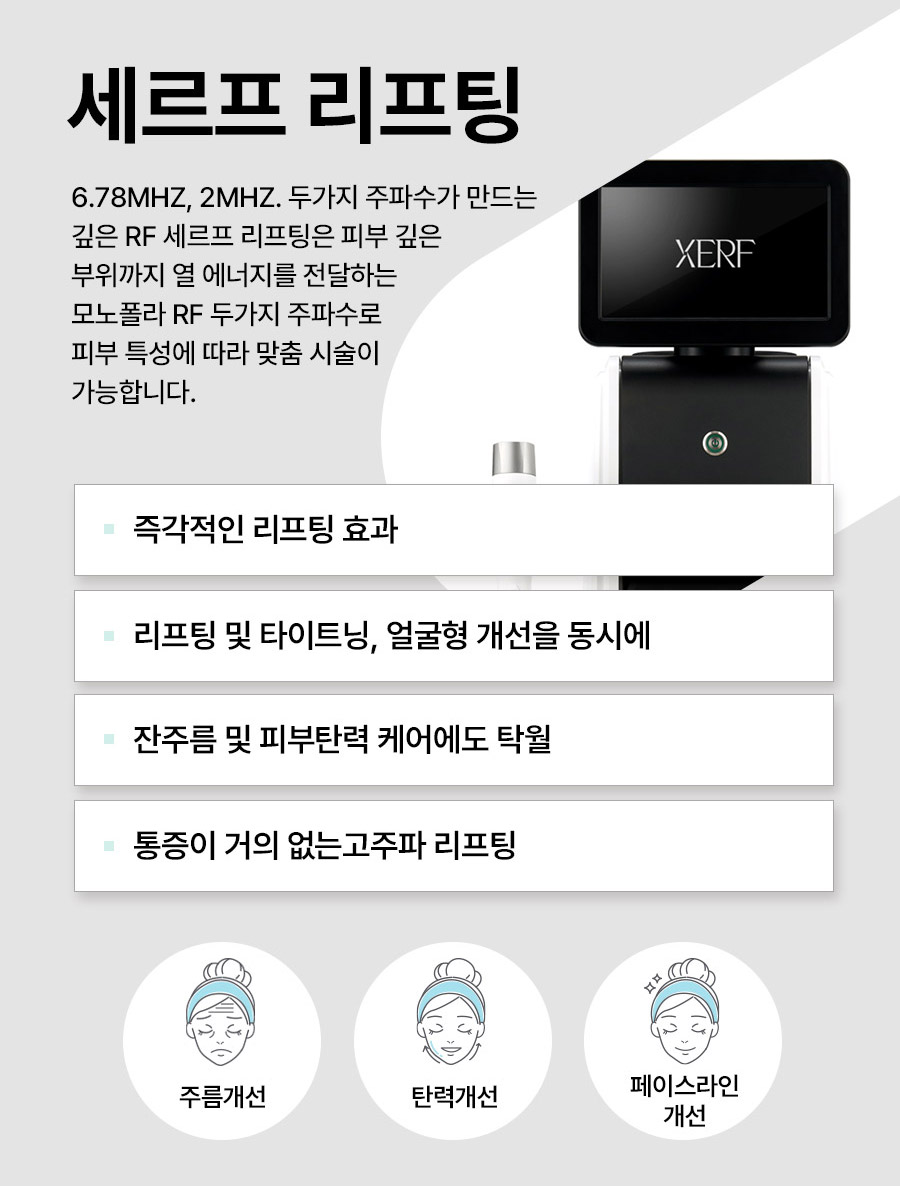
XERF lifting refers to non‑surgical, energy‑based lifting approaches. Depending on the platform, some systems aim to heat deeper layers such as the dermis and, in certain devices, the SMAS. Ask your clinic which platform they use and what depths it targets.
When these layers are heated to a precise temperature, collagen fibers contract and new collagen production is stimulated over time. This process can lead to firmer skin, subtle lifting of sagging areas, and improvement in fine lines.
Because the energy is delivered below the surface without cutting the skin, XERF lifting is considered a minimally invasive option with relatively short downtime compared with surgery.
How XERF lifting compares with other lifting options
In the Pyeongchon and Beomgye Station area, many clinics offer several lifting technologies. Understanding how XERF lifting fits among them can help you discuss options more clearly during consultation.
Compared with ultrasound lifting (device capabilities vary)
Ultrasound lifting devices use focused ultrasound beams to target very specific depths, including the SMAS layer. They are often used for deeper lifting of the jawline, cheeks, and brow.
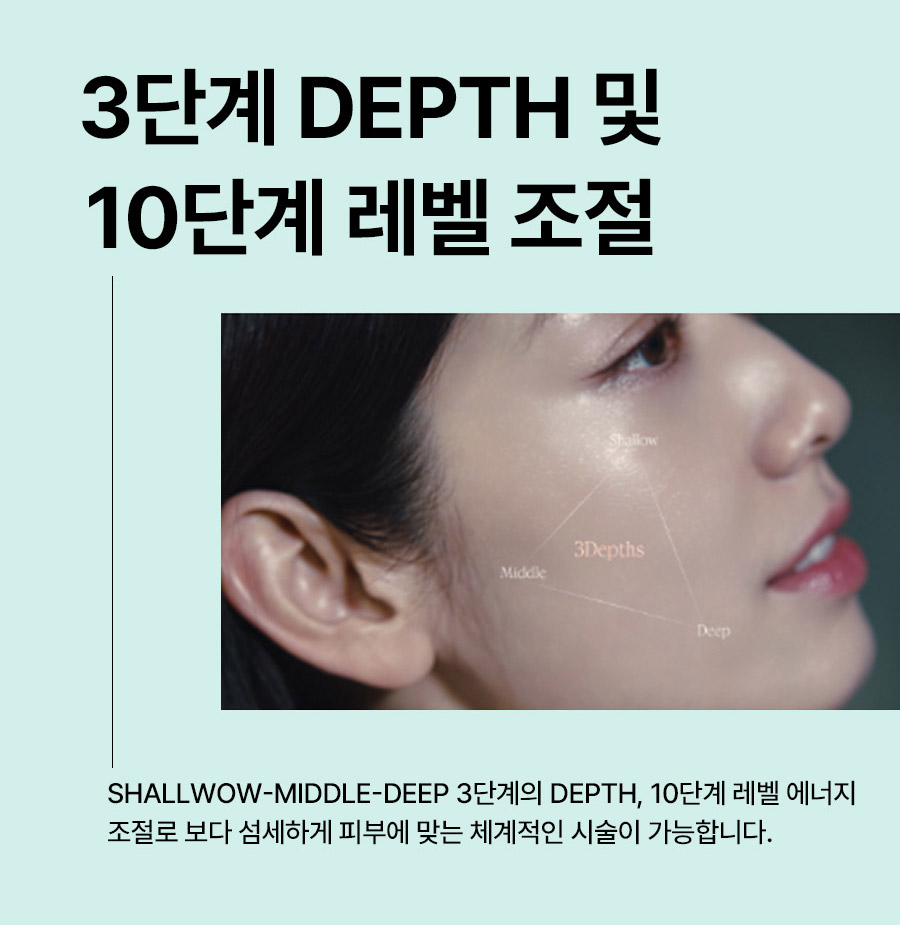
XERF lifting, depending on the exact platform, can also reach the dermis and SMAS, but the pattern and spread of energy may differ. Some XERF systems focus more on uniform heating and collagen remodeling over a wider area, which can be suitable for overall tightening and texture support.
Compared with RF microneedling
RF microneedling uses tiny needles to deliver radiofrequency energy through the skin surface. It is often chosen for acne scars, pores, and fine wrinkles, as well as mild tightening.
XERF lifting does not pierce the skin with needles. Instead, it delivers energy through the surface, which may be more comfortable for some patients and usually has less visible downtime such as pinpoint scabs. However, RF microneedling may be preferred when texture and scars are a main concern.
Compared with thread lifting
Thread lifting uses dissolvable threads inserted under the skin to mechanically lift tissues and stimulate collagen along the thread path.
XERF lifting does not insert any material. It relies on heat‑induced collagen remodeling. Results are usually more gradual and subtle compared with the immediate mechanical lift of threads. For some patients, combining thread lifting with XERF or other energy‑based lifting can provide both structure and skin tightening, but this must be planned carefully.
Non‑surgical nature and downtime
Who may consider XERF lifting
Typical age range and concerns
XERF lifting is often considered by people in their late 20s to 50s who notice early signs of facial aging but are not ready for surgical lifting.
Common concerns include:
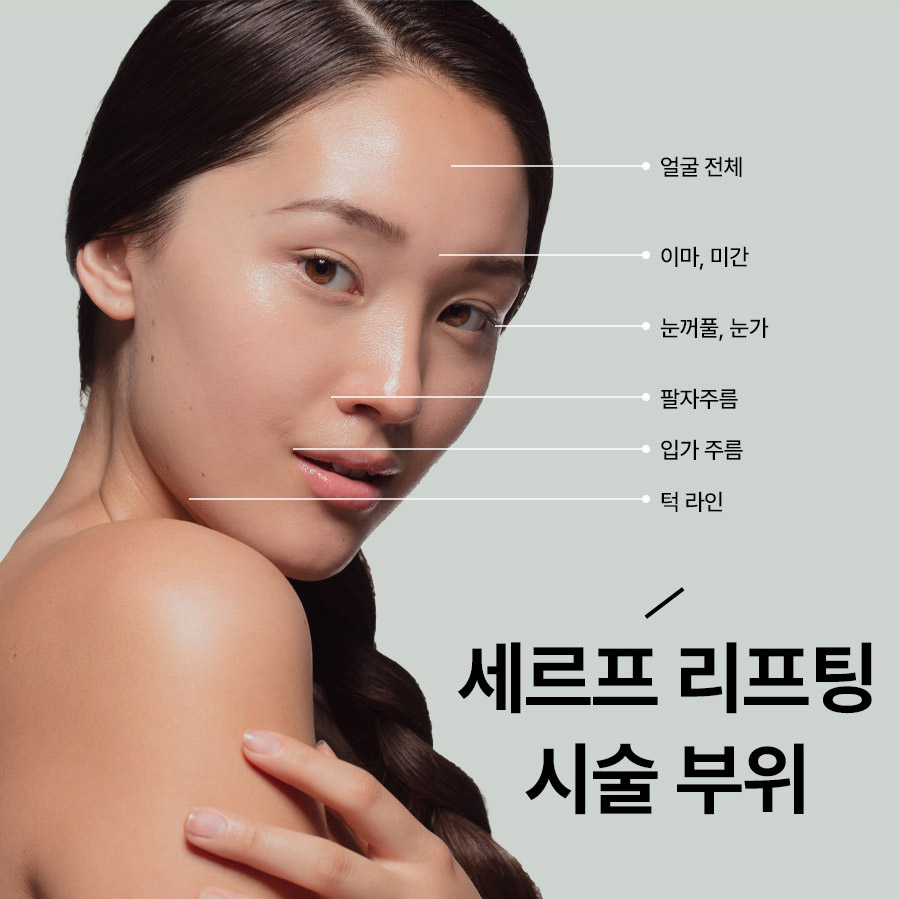
- Mild sagging along the jawline or early jowls
- Softening of the V‑line or less defined chin contour
- Nasolabial folds becoming deeper
- Marionette lines around the mouth corners
- Cheek volume slowly descending or looking heavier
- Fine lines and slight laxity around the lower face
For patients in their late 20s or early 30s, XERF lifting can be part of prevention‑focused anti‑aging, helping to maintain firmness and slow visible sagging. For those in their 40s and 50s, it may help improve mild to moderate laxity and soften folds, although expectations should remain realistic.
Goals that suit XERF lifting
XERF lifting may be suitable if you want:
- A more defined and slimmer V‑line look without surgery
- Firmer cheeks and jaw area with subtle lifting
- Improved skin elasticity and support
- Gradual, natural‑looking changes rather than dramatic transformation
- Minimal downtime that fits into a short Korea visit
When combination treatment is considered
In the Pyeongchon area, clinics that handle a wide range of devices often recommend combining XERF lifting with other procedures when appropriate. Examples include:

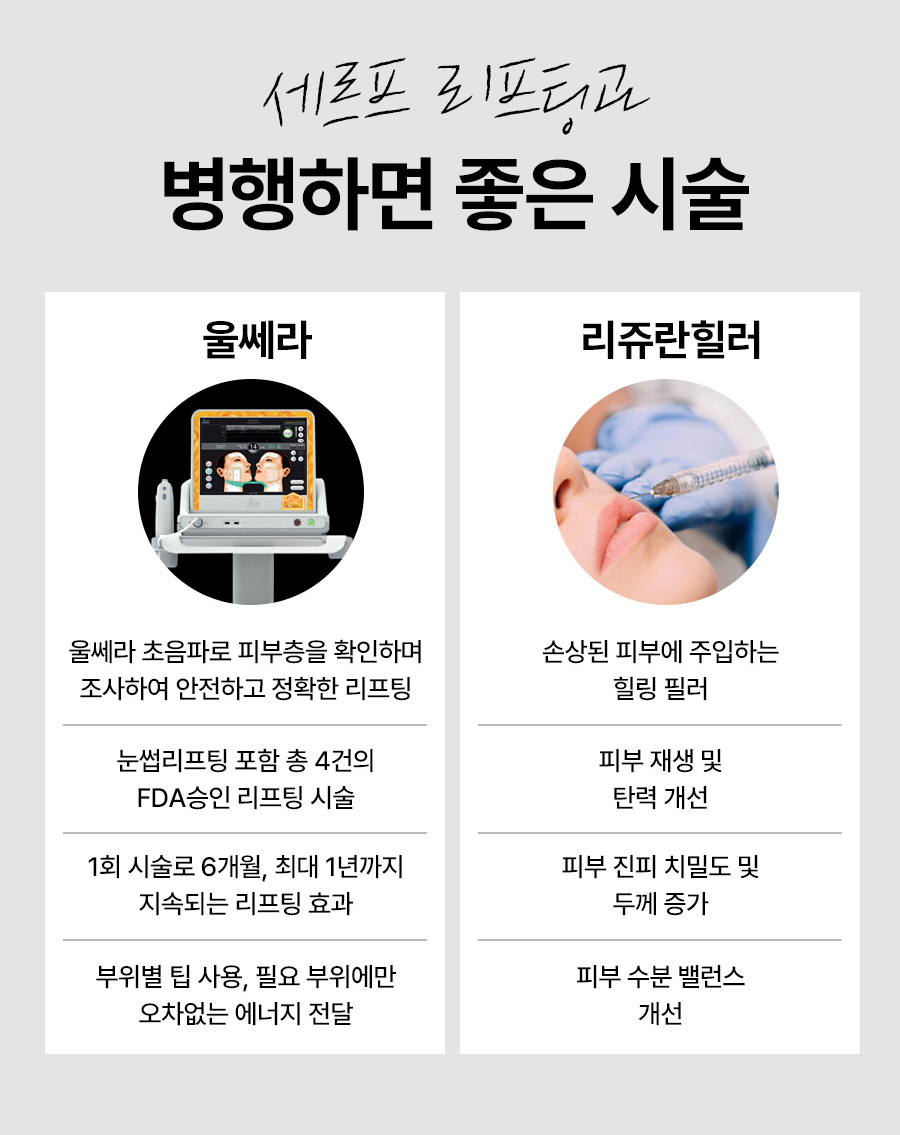
Ultrasound lifting for deeper SMAS tightening plus XERF for broader dermal support
RF lifting such as InMode or monopolar RF for overall tightening and contouring
Thread lifting for structural support in selected areas, combined with XERF for skin quality
Laser lifting or skin boosters to address texture, pores, or hydration while lifting devices handle laxity
The exact plan depends on skin thickness, elasticity, degree of sagging, and facial volume distribution. A thin, delicate face may require gentler energy and careful shot planning, while a heavier lower face may benefit from stronger lifting or additional contouring treatments.
Who should be cautious or avoid XERF lifting
XERF lifting is not suitable for everyone. In‑person medical consultation is important, especially if you:
Have severe systemic disease or unstable chronic conditions
Are pregnant or breastfeeding
Have very thin, severely sun‑damaged, or highly sensitive skin
Have active skin infections or severe inflammatory conditions in the treatment area
Have unrealistic expectations or are seeking a surgical‑level change from a non‑surgical procedure
The clinic will usually review your medical history, medications, and previous treatments before confirming whether XERF lifting is appropriate.
How a Pyeongchon clinic plans and performs XERF lifting
Clinic setting and lifting lineup
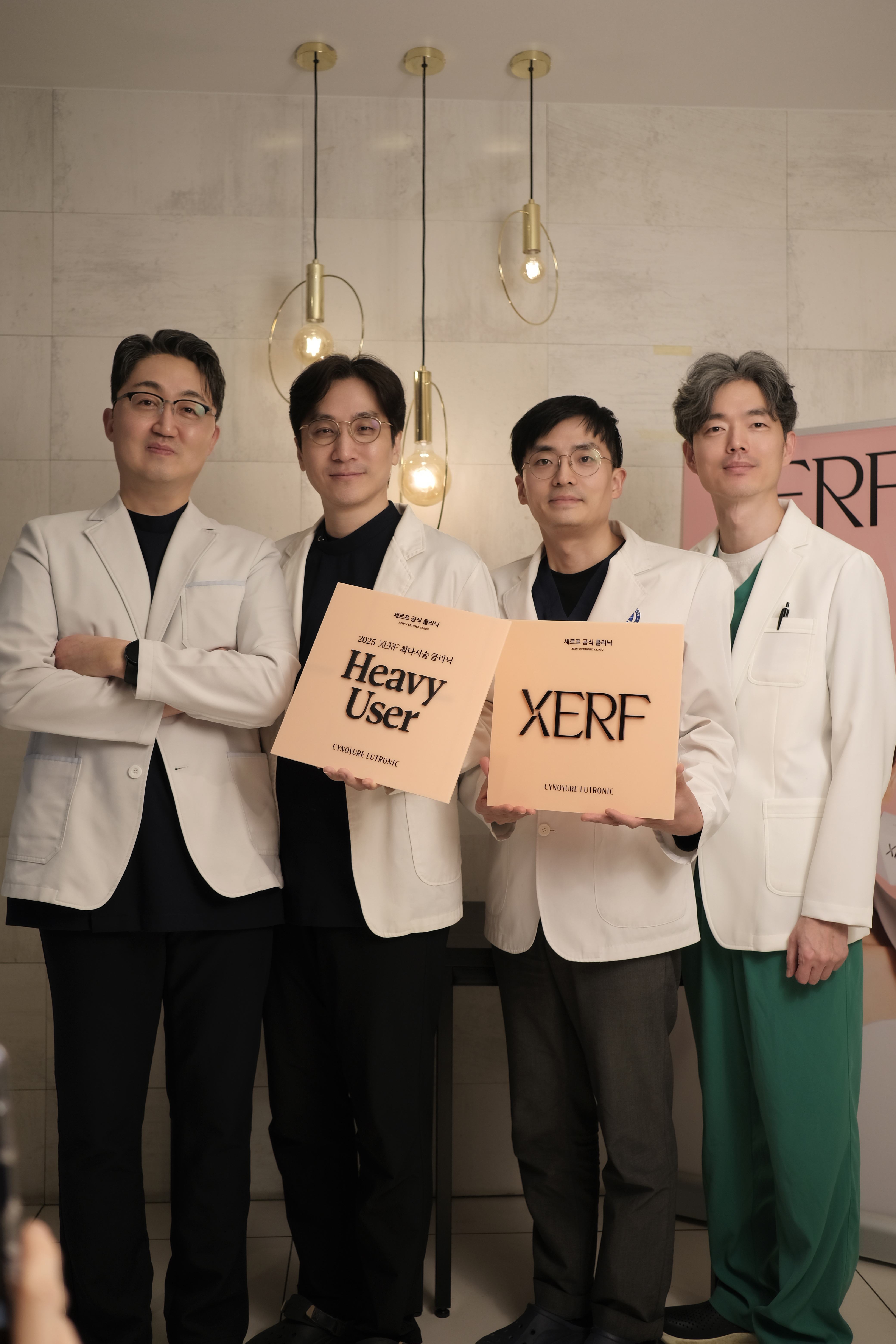
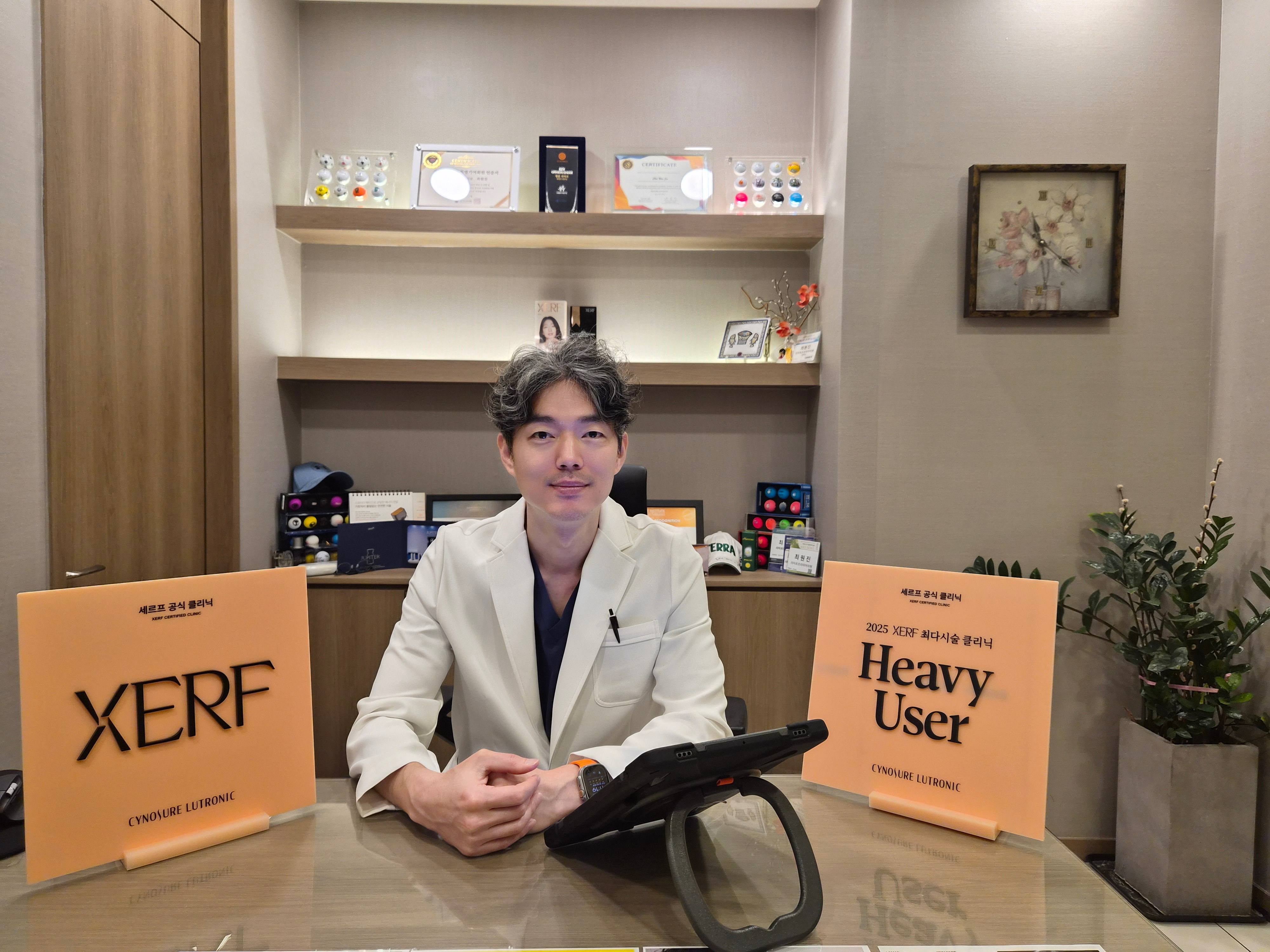
In the Pyeongchon and Beomgye Station area of Anyang, some aesthetic and ophthalmology clinics focus on both facial rejuvenation and eye care. At such a clinic, XERF lifting is one element within a broad lifting and anti‑aging lineup.
Typical lifting and contouring options may include:
- Upgraded ultrasound lifting (Ultherapy‑type systems)
- XERF lifting for dermal and SMAS tightening
- RF lifting platforms, such as InMode‑type devices
- Monopolar RF systems for deeper bulk heating
- Thread lifting for mechanical support
- Laser lifting and rejuvenation for surface and shallow layers
In addition, the clinic may offer a range of skin and laser devices for pigmentation, redness, texture, pore concerns, and body contouring. This allows the medical team to design plans that go beyond a single device and match your skin type, vascular issues, or pigment concerns.
Face and body options in one place
For international patients, it is convenient when face and body treatments are available in the same clinic. Alongside XERF lifting, you may find:
- Laser and energy‑based treatments for facial pigmentation and redness
- Body contouring devices for localized fat and skin tightening
- Injection‑based fat reduction for body or face
- Liposuction procedures for selected areas
- Diet and body line management programs
This one‑stop approach can be useful if you want to combine facial lifting with body contouring during a single Korea trip, as long as the schedule and recovery times are planned carefully.
Structured 6‑step process for XERF lifting
A typical XERF lifting journey at a local clinic near Beomgye Station might follow a structured flow:
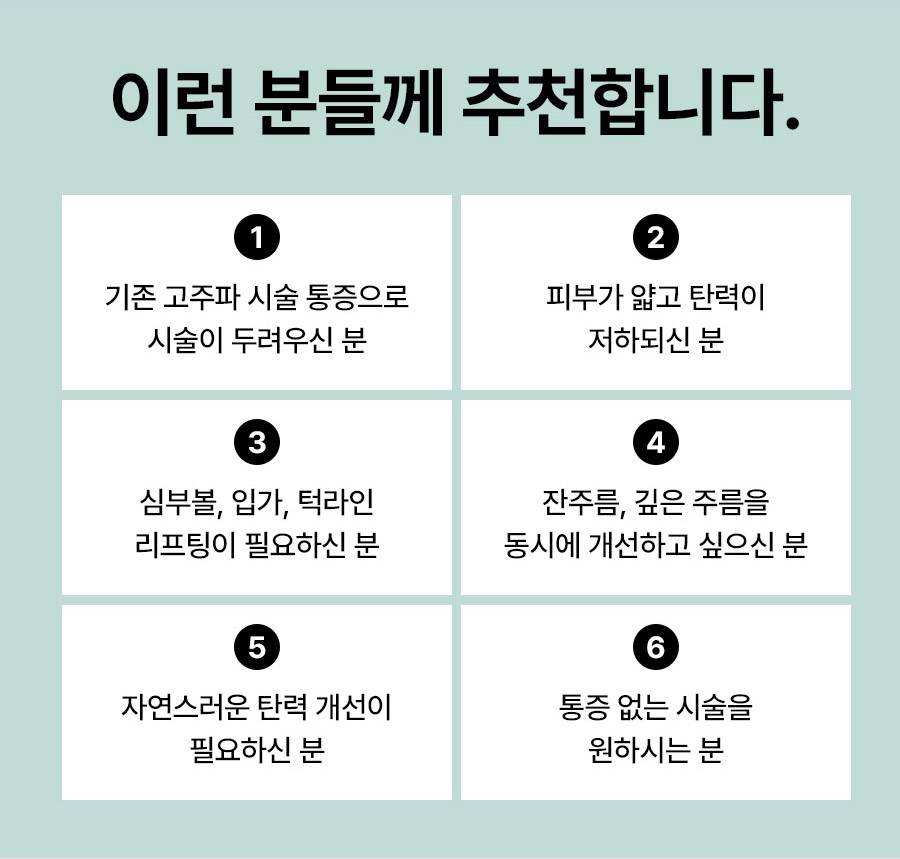
- Initial consultation
- Cleansing
- Gentle exfoliation or scaling if needed
- Main XERF lifting procedure
- Soothing mask pack
- Finishing care and instructions
Initial consultation
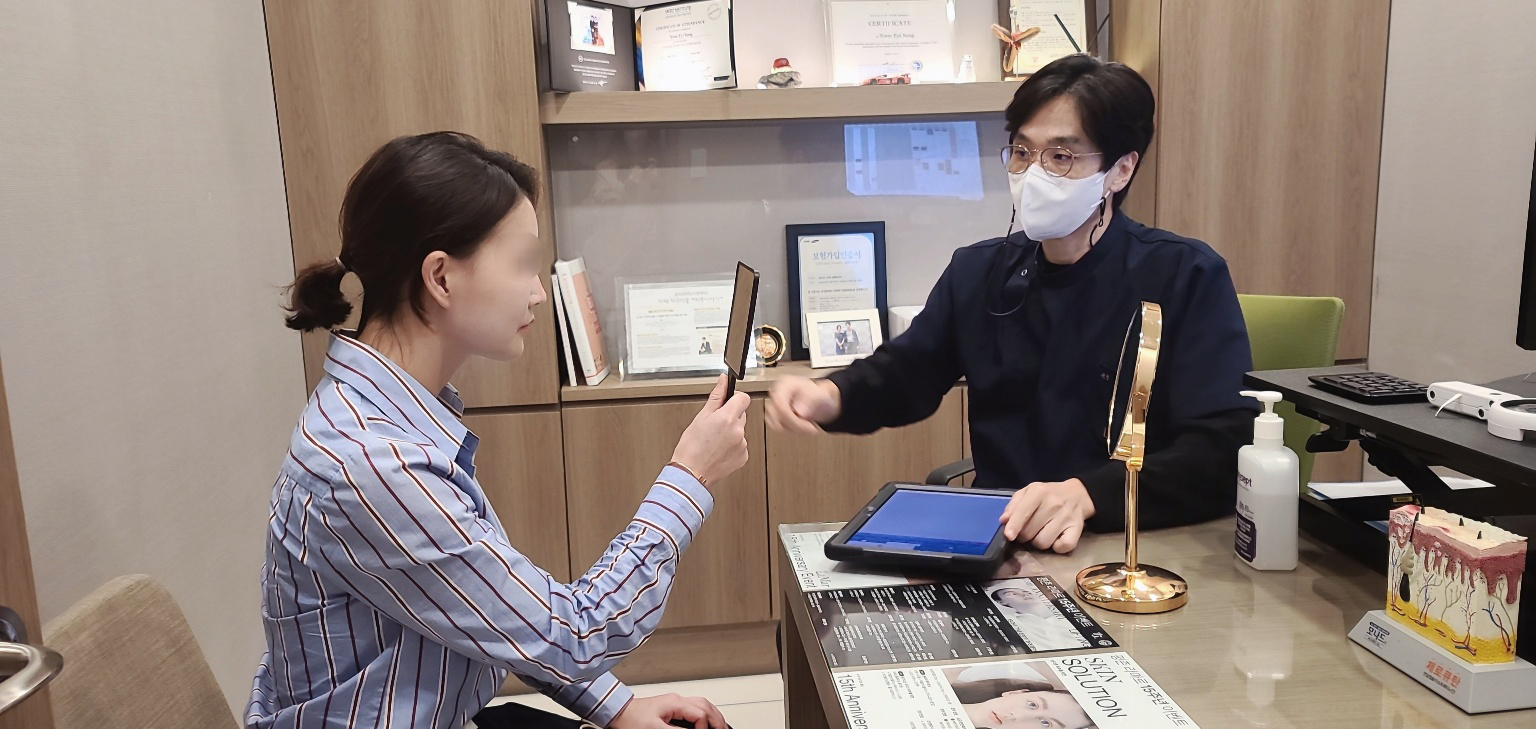
During consultation, the physician and staff usually:
- Assess skin laxity, thickness, and elasticity
- Evaluate facial volume distribution and areas of descent
- Check aging patterns, such as where folds and shadows form first
- Review medical history, medications, and previous procedures
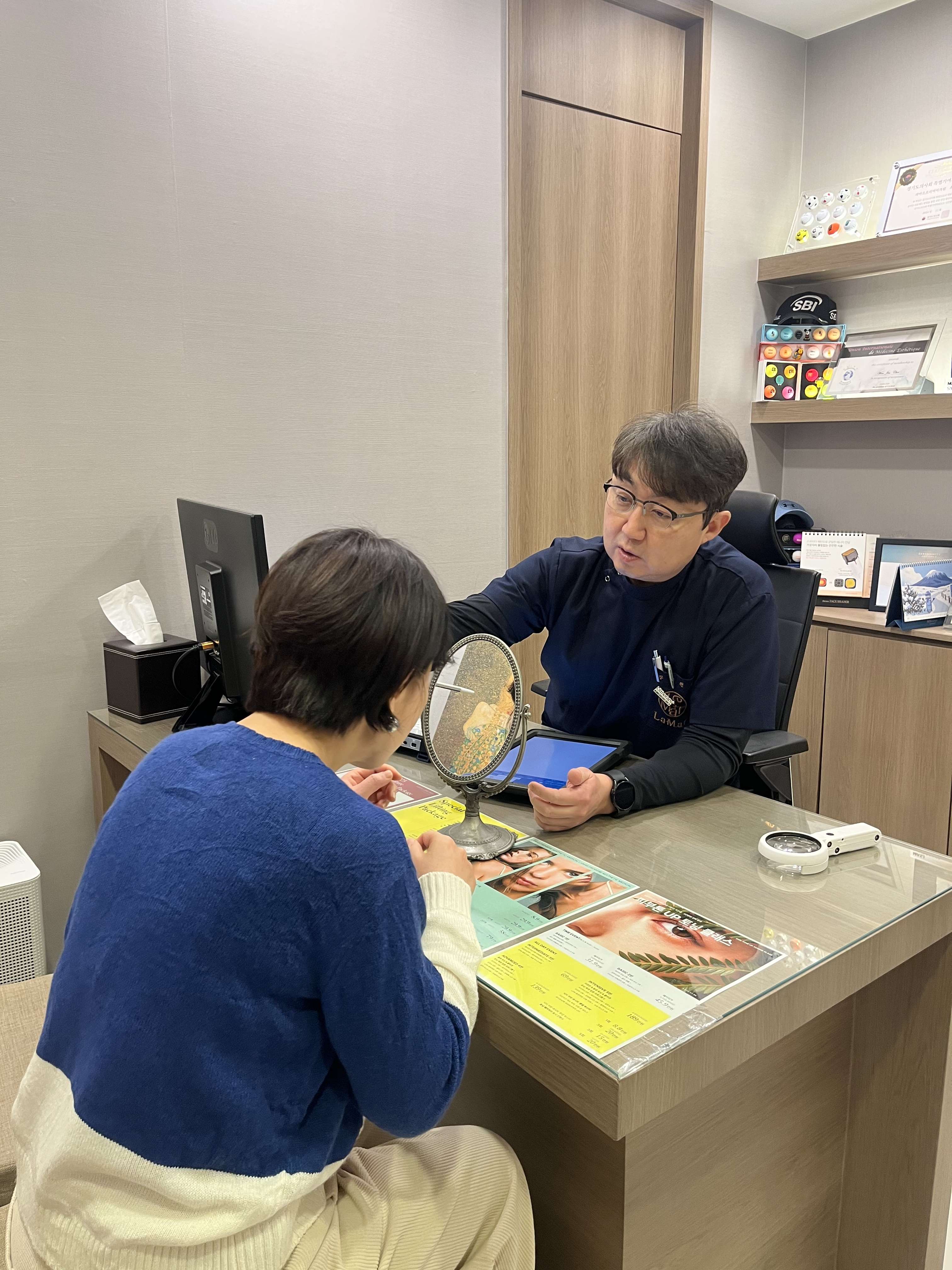
- Discuss your goals, schedule, and tolerance for downtime
Based on this, they select the energy level, number of shots, treatment depth, and whether to combine XERF with ultrasound lifting, RF lifting, thread lifting, or laser treatments.
Cleansing and preparation
Before the procedure, the skin is cleansed to remove makeup, sunscreen, and sebum. If needed, a gentle exfoliation or scaling may be done to ensure better contact between the device handpiece and the skin.
Topical anesthetic cream may be applied to reduce discomfort, especially in sensitive areas like the jawline or cheekbones. The cream is usually left on for a set time and then removed before treatment.
Main XERF lifting procedure
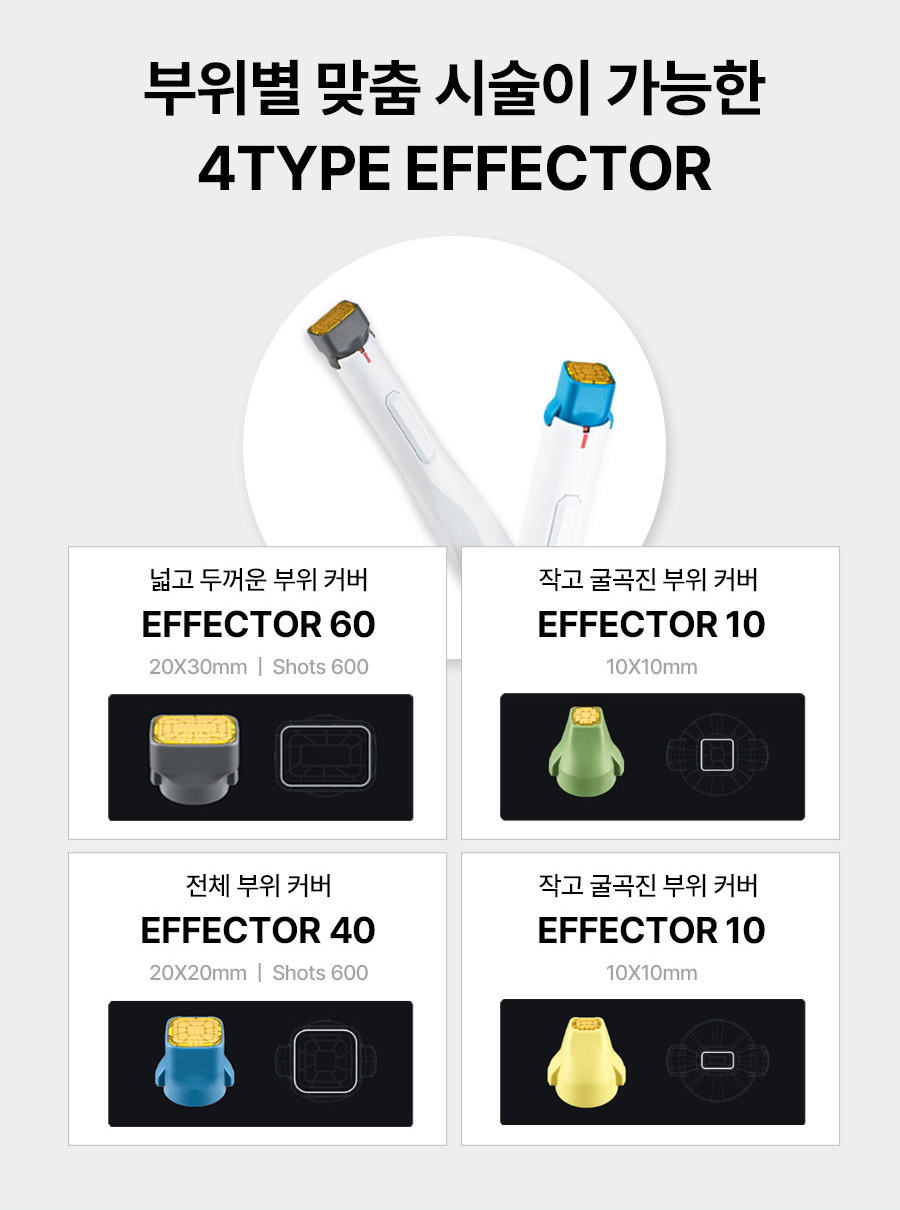
A conductive gel is applied to the treatment area to help transmit energy and protect the skin surface. The clinician then places the XERF handpiece on the skin and delivers shots according to the planned pattern.
You may feel:
- Heat building up in the deeper layers
- Tingling or prickling sensations
- Short bursts of discomfort along bony areas
Pain management and comfort
Pain perception varies from person to person. To manage discomfort, clinics may use:

- Topical anesthetic cream
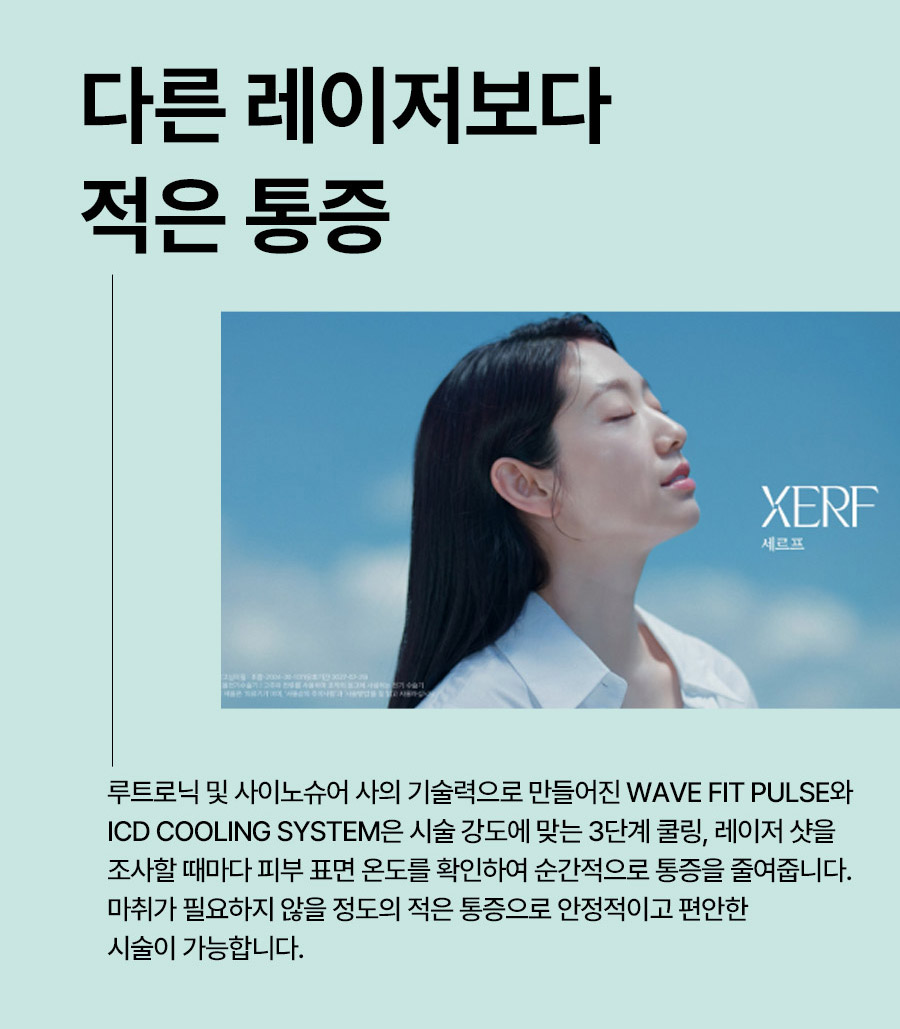
- Cooling during or after each pass
- Adjustments to energy level or shot density based on your feedback
- Short breaks during the session for comfort
Most patients find the procedure tolerable, especially with proper preparation and communication with the medical staff.
Soothing mask pack and finishing care
After the energy delivery is complete, the gel is removed and the skin is cleansed again. A soothing or hydrating mask pack is often applied to calm the skin and reduce redness or warmth.
Finally, light skincare and sun protection are applied. The staff will explain aftercare instructions, what to expect over the next days and weeks, and when to schedule follow‑up or maintenance sessions.
Treatment experience, downtime, and aftercare
Treatment time and number of sessions
The duration of an XERF lifting session depends on the size of the area and whether combination treatments are performed on the same day. As a general guide:
Lower face and jawline only: around 30 to 40 minutes including preparation
Full face: around 40 to 60 minutes including preparation
Full face plus neck or combination with other devices: longer, often around 60 to 90 minutes total
Many patients start with one main session and then consider maintenance sessions every 6 to 12 months, depending on age, skin condition, and how quickly they feel laxity returning. Some treatment plans may involve two or more sessions spaced several months apart for gradual build‑up.
What you feel after treatment
Right after XERF lifting, you may notice:
- Mild redness or warmth in the treated area
- Slight swelling or puffiness, especially along the jawline
- Tenderness or a tight feeling when touching or chewing
These effects are usually temporary and tend to improve over a few hours to a few days. Makeup can often be applied the next day if the skin is not overly sensitive, but this can vary by individual.
Timeline of improvement
XERF lifting often has two phases of effect:
Immediate phase: Some people notice a slight tightening or lifting right away due to initial collagen contraction and reduced tissue laxity.
Gradual phase: Improvement after treatment is often gradual over weeks to several months as new collagen forms and reorganizes. Some clinicians report progressive changes up to around three months, but individual responses vary; discuss expected timelines with your provider.
Because the changes are gradual and natural‑looking, friends and colleagues may notice that you look fresher or more defined without easily identifying a specific procedure.
Standard post‑treatment care
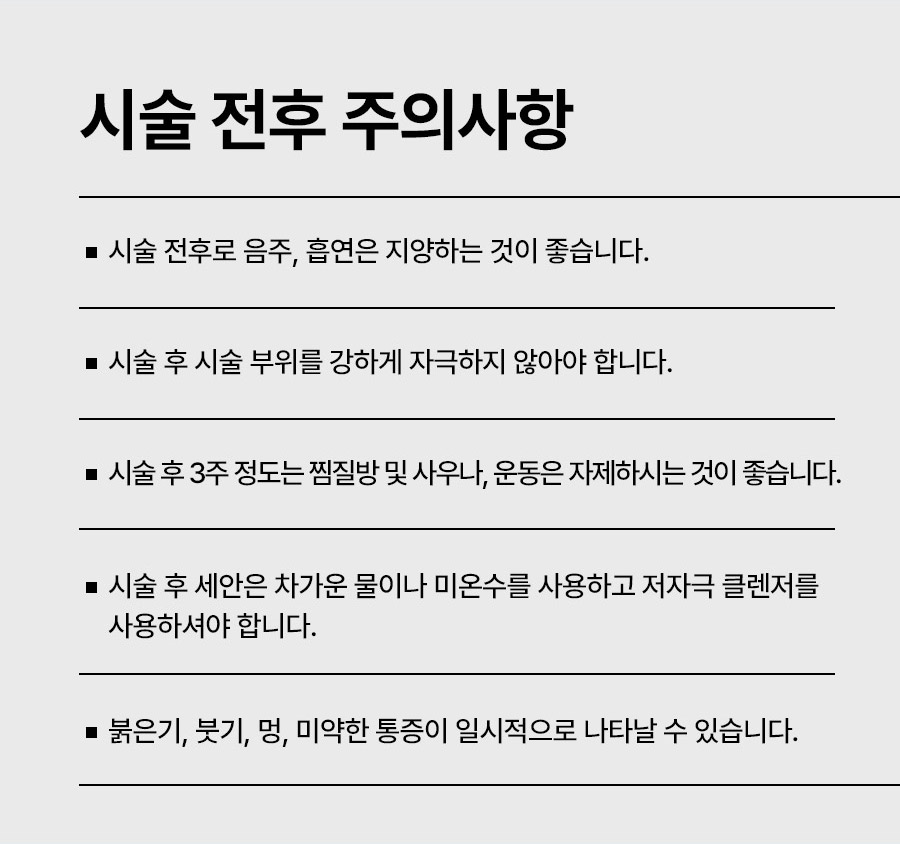
After XERF lifting, clinics typically recommend:
Consistent sun protection with broad‑spectrum sunscreen
Gentle skincare with non‑irritating cleansers and moisturizers
Avoiding very hot baths, saunas, and intense exercise for a short period
Avoiding harsh scrubs, strong acids, or aggressive treatments on the area until the skin feels normal
Following any specific instructions given by the clinic, especially if you had combination treatments
If you experience unusual pain, prolonged swelling, or any unexpected symptoms, you should contact the clinic promptly for evaluation.
Online consultation and pre‑visit preparation for overseas patients
Online consultation
For international patients, starting with an online consultation can save time and help you plan your trip. Before contacting the clinic, it is helpful to prepare:
- Clear photos of your face from front and both sides in good lighting
- Information about your age, main concerns, and areas you want to improve
- A list of previous facial treatments or surgeries, including any lifting or laser procedures
- Details of your medical history, medications, and allergies
- Your planned travel dates and how many days you can stay in Korea
During online consultation, you can ask about the suitability of XERF lifting for your case, whether combination with other devices is recommended, and how many sessions might be realistic within your schedule.
Questions to ask before booking
To compare clinics in the Pyeongchon and Beomgye area, you may want to ask:
- Which lifting and laser devices are available, and why they recommend XERF or another option for your skin
- How they decide on shot number, energy level, and treatment depth
- What type of anesthesia or pain control is used
- How long the procedure and recovery usually take
- What follow‑up care is provided, especially for overseas patients
Checking these points helps you look beyond price alone and focus on consultation quality, device lineup, and safety.
Expected Korea visit timeline
For XERF lifting alone, many overseas patients can follow a short schedule such as:
- Day 1: Arrival in Korea, rest, or simple sightseeing
- Day 2: In‑person consultation, skin assessment, and XERF lifting treatment
- Day 3: Light follow‑up check if needed, then free time
- Day 4 or later: Departure
If you plan to combine XERF lifting with other procedures such as thread lifting, additional laser sessions, or body contouring, you may need a longer stay. Discuss this with the clinic in advance so they can design a realistic schedule with enough recovery time between treatments.
Realistic expectations, safety, and choosing a clinic
Realistic benefits
With proper indication and technique, XERF lifting can offer:
- Firmer skin in the treated areas
- Improved jawline definition and a more refined lower face contour
- Subtle lifting of cheeks and softening of mild to moderate sagging
- Softening of fine lines and improved skin support
However, results vary by age, skin condition, lifestyle, and genetics. Non‑surgical lifting generally provides gradual, natural‑looking improvement rather than the dramatic change of surgical lifting.
Maintenance and long‑term planning
Collagen remodeling is influenced by ongoing aging, sun exposure, and lifestyle. Many patients benefit from maintenance sessions at intervals recommended by the clinic, often around once a year or based on how their skin changes.
Some people combine XERF lifting with other treatments over time, such as periodic ultrasound lifting, RF lifting, or skin rejuvenation lasers, to maintain an overall youthful look.
Safety and professionalism
XERF lifting should be performed by medical staff familiar with facial anatomy and energy‑based lifting devices. Proper understanding of skin layers, nerves, and vascular structures is important for both safety and consistent results.
Clinics that use multiple diagnostic criteria, such as skin type, depth of sagging, and presence of redness or pigmentation, can tailor settings and device choice more precisely. For example:
Sensitive or redness‑prone skin may require gentler parameters or specific devices
Patients with pigment concerns may need careful planning to avoid aggravating spots
Thin faces may need lower energy or fewer passes to prevent over‑treatment
Choosing a clinic in the Beomgye and Pyeongchon area
When comparing clinics for XERF lifting near Beomgye Station, consider:
- Location convenience and access from Line 4
- Range of lifting and laser devices available
- Quality of consultation and explanation of options
- Experience with both local and overseas patients
- Follow‑up system and how they support patients after treatment
Many people search for Pyeongchon XERF lifting and then compare several clinics online. Instead of focusing only on price, it is wise to review before‑and‑after policies, safety protocols, and whether the clinic offers a comprehensive plan that matches your individual condition.
Frequently asked questions about XERF lifting in Pyeongchon
What is the difference between XERF lifting and regular HIFU?
XERF lifting and HIFU both use focused energy to heat deeper skin layers, but the way they deliver energy, the exact depth, and the treatment pattern can differ. HIFU devices often target very specific focal points, including the SMAS layer, and are widely used for deeper lifting. XERF systems may emphasize more uniform heating and collagen remodeling in the dermis and SMAS, which can be suitable for overall tightening and support. The choice between them depends on your skin thickness, degree of sagging, and whether you need more structural lifting or more surface‑level tightening.
How painful is XERF lifting, and do I need anesthesia?
Most patients describe XERF lifting as involving heat, tingling, and brief discomfort, especially over bony areas like the jawline. Clinics usually apply topical anesthetic cream before treatment and may use cooling or adjust energy settings during the session to keep you comfortable. Pain tolerance varies, but with proper preparation many people find the procedure manageable and do not require stronger anesthesia.
How long do XERF lifting results last?
The duration of effect varies by individual, but many patients feel improvement for several months after treatment as collagen continues to remodel. Over time, natural aging and lifestyle factors gradually reduce firmness again. Clinics often recommend maintenance sessions at intervals tailored to your aging speed and goals, commonly around once a year, but this can be adjusted based on your response and preferences.
Can I combine XERF lifting with other treatments during a short Korea trip?
Yes, many overseas patients combine XERF lifting with other procedures such as ultrasound lifting, RF lifting, thread lifting, or skin rejuvenation lasers. The key is careful scheduling and realistic planning. Some treatments can be done on the same day, while others may be spaced out to allow the skin to recover. During online consultation, share your travel dates and priorities so the clinic can design a timetable that balances effectiveness and safety.
Soft call to action for online consultation
If you are considering XERF lifting in the Pyeongchon and Beomgye Station area and would like a plan tailored to your skin type, aging pattern, and travel schedule, an online consultation can be a practical first step. By sharing photos, your concerns, and your available dates, you can receive guidance on whether XERF lifting alone or in combination with other lifting and laser options is suitable for you.
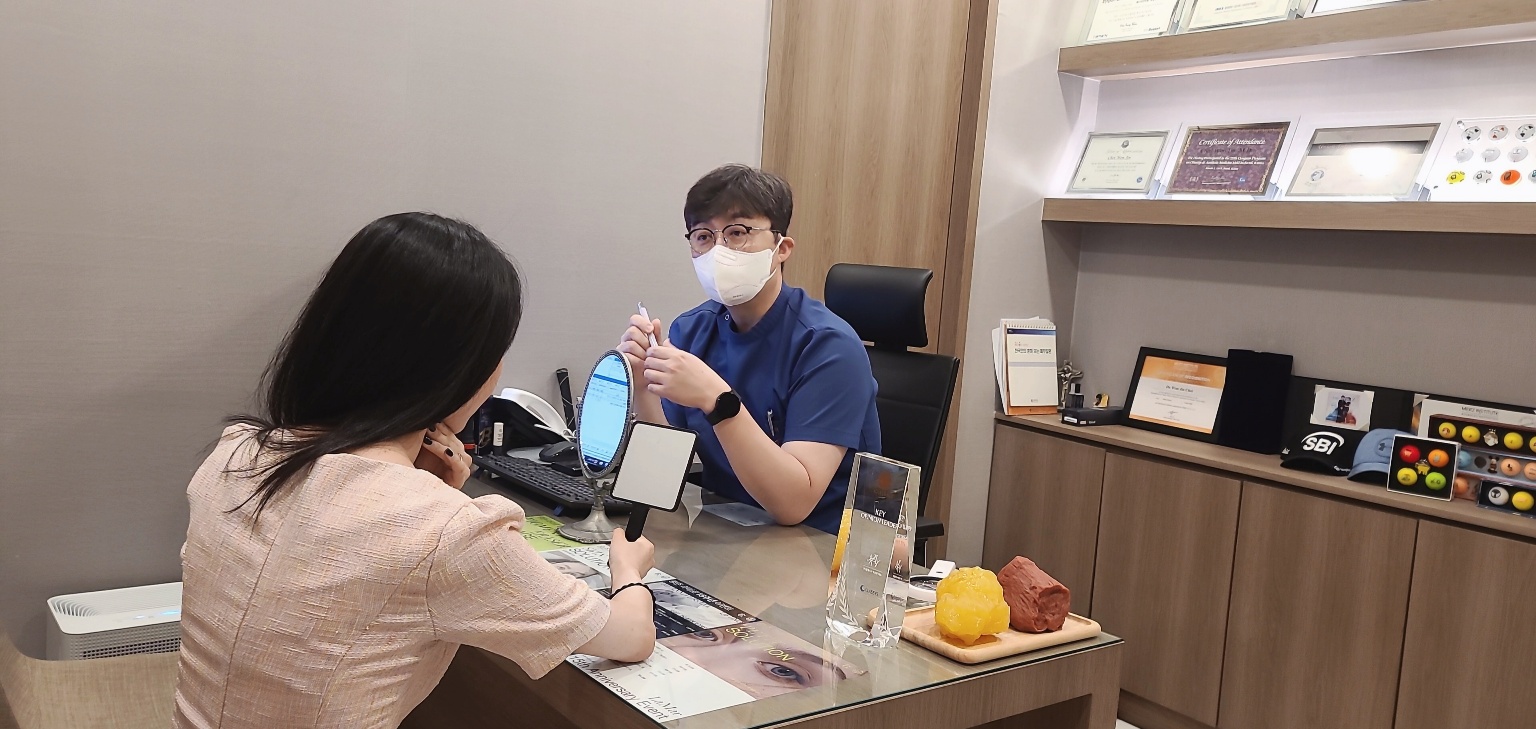
With clear information in advance, you can make better use of your time in Korea and move forward with treatment feeling informed and prepared.


댓글
댓글 쓰기