Thread lifting clinic in Anyang near Beomgye Station for international patients
- 공유 링크 만들기
- X
- 이메일
- 기타 앱
Direct answer for overseas patients
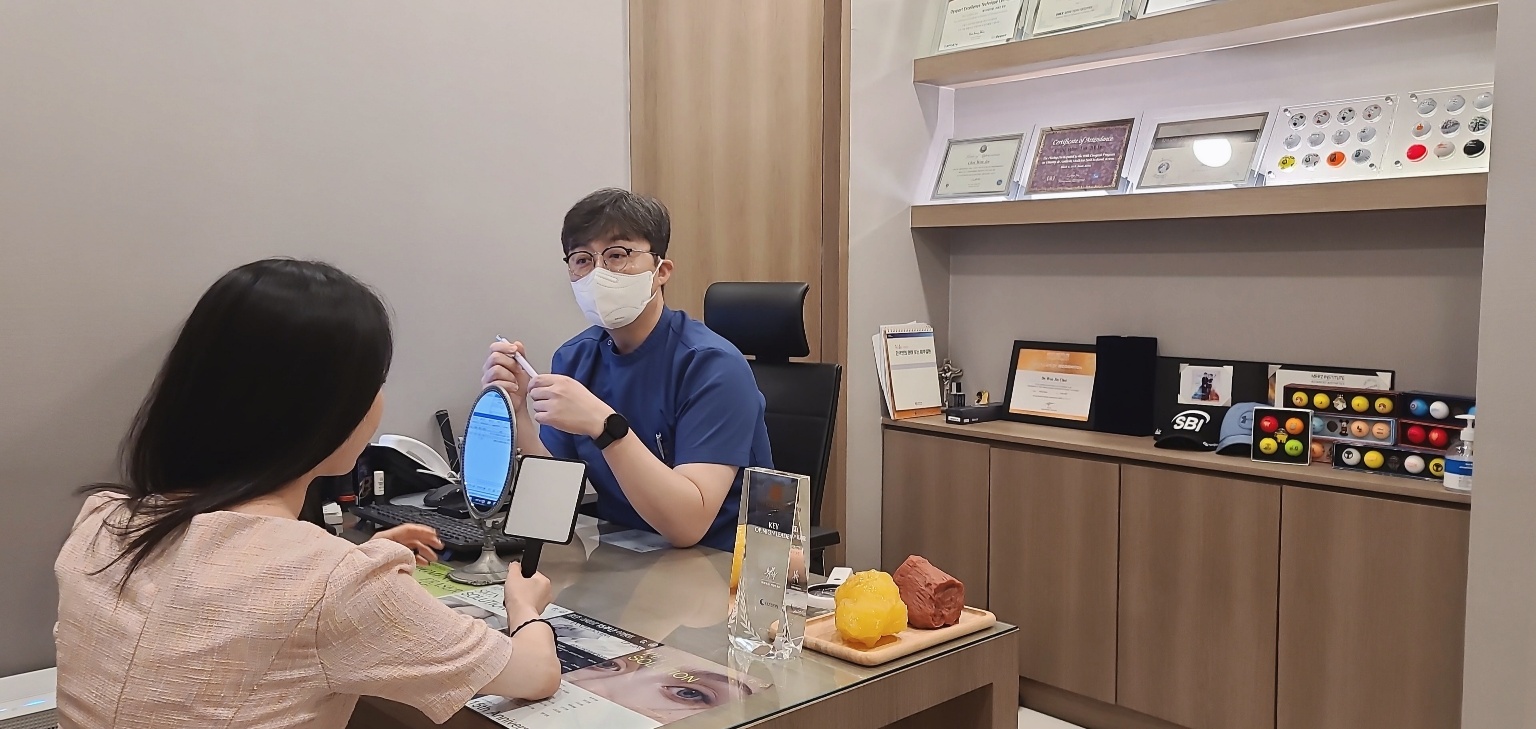
If you are searching for a reliable thread lifting clinic in Anyang, consider clinics that focus on lifting and anti‑aging, offer multiple device‑based lifting options, and follow a clear consultation and aftercare workflow. Lamar Premier Clinic, located on the 2nd floor of Anyang Trade Center near Beomgye Station (Line 4) in Dongan‑gu, provides thread lifting alongside a range of device treatments and follows a six‑step process from consultation through finishing care.
In this guide, you will learn what thread lifting is, who may consider it, how to prepare from overseas, what a typical visit schedule in Korea might look like, and what to expect from aftercare.
What is thread lifting
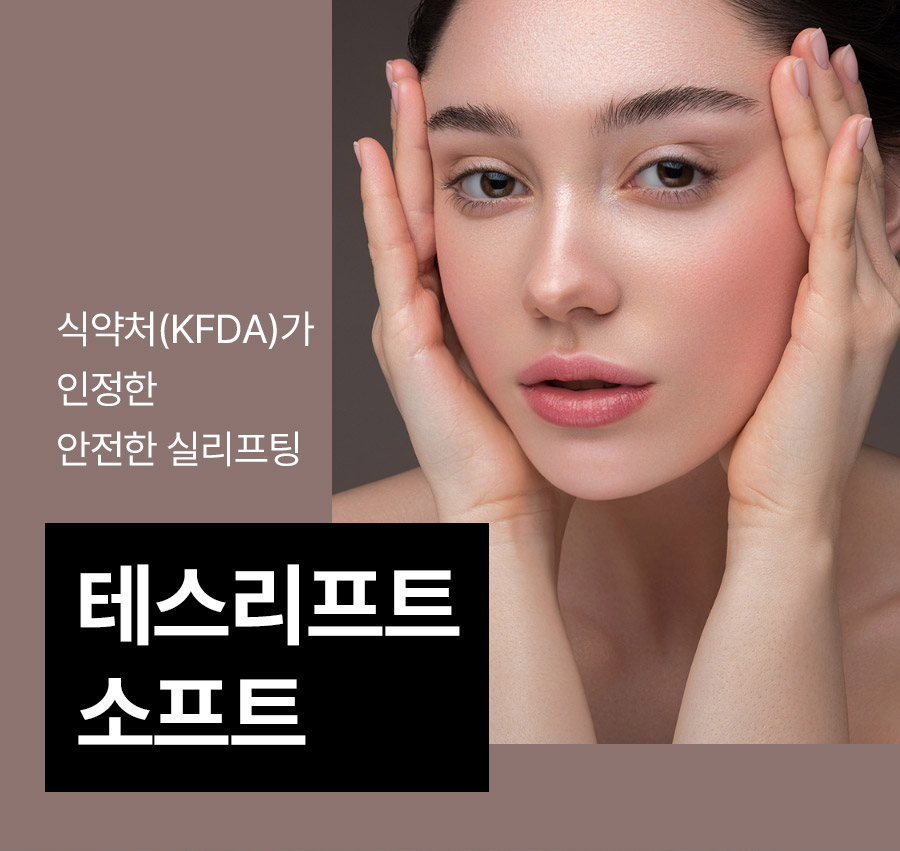
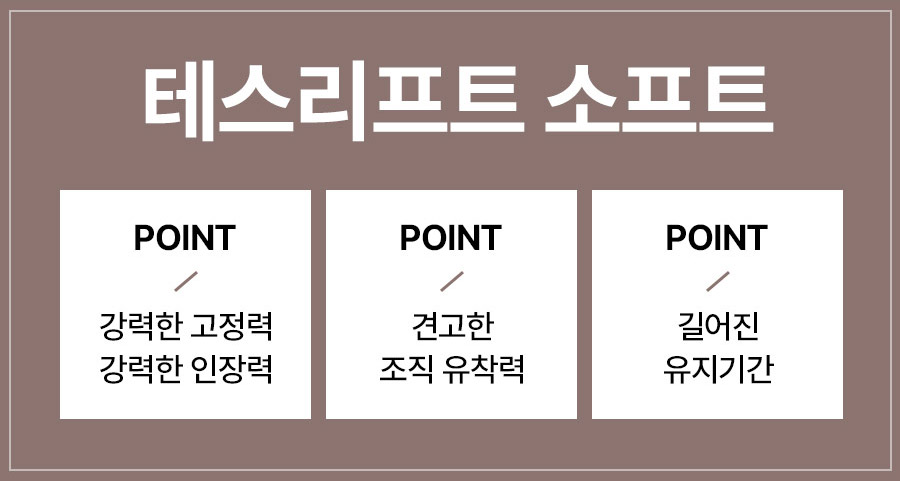
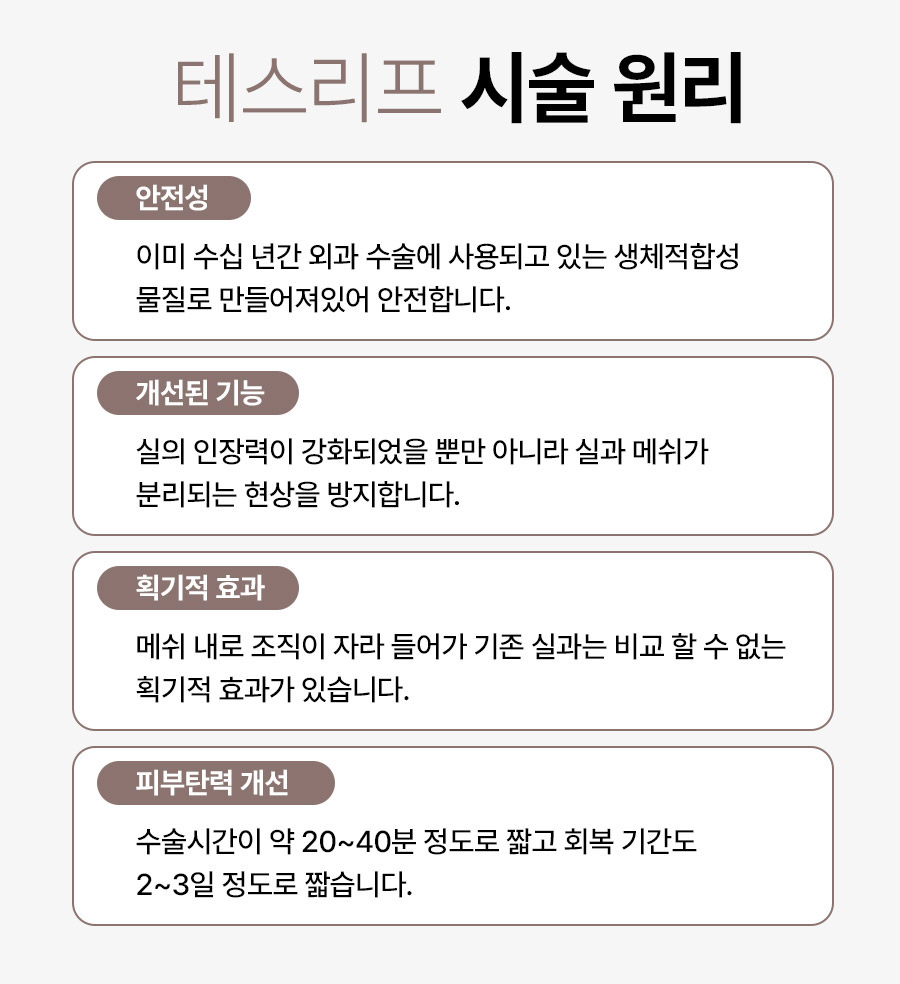
Thread lifting is a minimally invasive procedure that uses absorbable threads to gently lift sagging facial tissue. The threads are inserted under the skin through small entry points and positioned along planned vectors to support and reposition the tissue.
The threads have two main roles. First, they provide an immediate mechanical lifting effect by anchoring and elevating the skin and underlying tissue.
Common target areas for thread lifting include the jawline that has become less defined, nasolabial folds around the nose and mouth, marionette lines at the corners of the mouth, the mid‑cheek area, the lower face, and in some cases the brow area.
The duration of effect can vary. Factors include skin thickness, degree of sagging, the type and number of threads used, age, lifestyle, and how well you follow aftercare instructions. In general, thread lifting is more suitable for mild to moderate sagging, or for people who want shorter downtime than a surgical facelift. It does not replace a full surgical facelift for severe laxity, but it can be an option for those who are not ready for surgery or want a more subtle change.
Who may consider thread lifting
Thread lifting may be considered by people in their 30s to early 50s who notice early signs of aging such as a softer jawline, deepening smile lines, or mild jowls, and who want a non‑surgical approach.
It can be suitable if you:
Have mild to moderate sagging rather than very heavy or drooping tissue
Prefer a procedure with small entry points instead of long incisions
Can accept temporary swelling, bruising, or a feeling of tightness after the procedure
Want to combine lifting with other treatments such as energy‑based devices or skin rejuvenation
Caution is needed if you have very thin skin, severe sagging that may be better addressed with surgery, unrealistic expectations, or certain medical conditions such as bleeding disorders or uncontrolled systemic disease. You should always disclose your full medical history, medication list, and any previous facial procedures during consultation.
For some patients, energy‑based lifting such as Ulthera Prime, XERF, InMode, or Oligio, or treatments that focus on skin tightening and volume control such as needle RF or volumizing procedures, may be recommended instead of, or together with, threads. A proper assessment is important before deciding.
What makes a good thread lifting clinic in Anyang
When you are comparing thread lifting clinics in Anyang, especially from overseas, it is useful to look beyond photos and prices. Consider the following points.
Experience and focus on lifting
A clinic where the doctors routinely perform lifting procedures, rather than only occasionally doing thread lifts, is often better placed to evaluate your case. The clinic near Beomgye Station mentioned earlier focuses on lifting and anti‑aging as a main field, including both device‑based lifting and thread lifting.
This kind of focus can be helpful because the doctor is used to evaluating skin laxity, fat distribution, and facial balance, and can discuss different lifting strategies instead of only one technique.
Multiple lifting options instead of one solution
A good clinic does not push thread lifting on every patient. It should be able to compare thread lifting with other lifting methods such as Ulthera Prime, XERF, InMode, Oligio, and laser lifting, and explain when each is more appropriate.
For example, Ulthera Prime and similar devices target deeper layers with focused energy to tighten tissue, while thread lifting provides mechanical repositioning. Some patients may benefit more from energy‑based lifting alone, some from threads alone, and others from a combination. Pain tolerance, downtime, and previous treatments also influence the plan.
Device diversity and customization
This range does not automatically mean better results, but it does allow more flexibility. The doctor can choose and combine devices based on your skin thickness, redness, pigmentation, pore size, and texture, while threads address sagging. For example, a patient might receive thread lifting for the jawline, Ulthera Prime for deeper tightening, and a pico toning laser for pigmentation in a staged plan.
Structured process and hygiene
A systematic process can be reassuring, especially if you are traveling from abroad. The clinic introduced here follows a six‑step standard process: consultation, cleansing, scaling or skin preparation, treatment, mask pack, and finishing care.
This type of structure supports hygiene, helps the staff follow consistent steps, and can make the visit smoother for patients who are not familiar with local medical systems. It also provides a clear flow from initial evaluation to post‑treatment calming care.
Doctor background and pain management
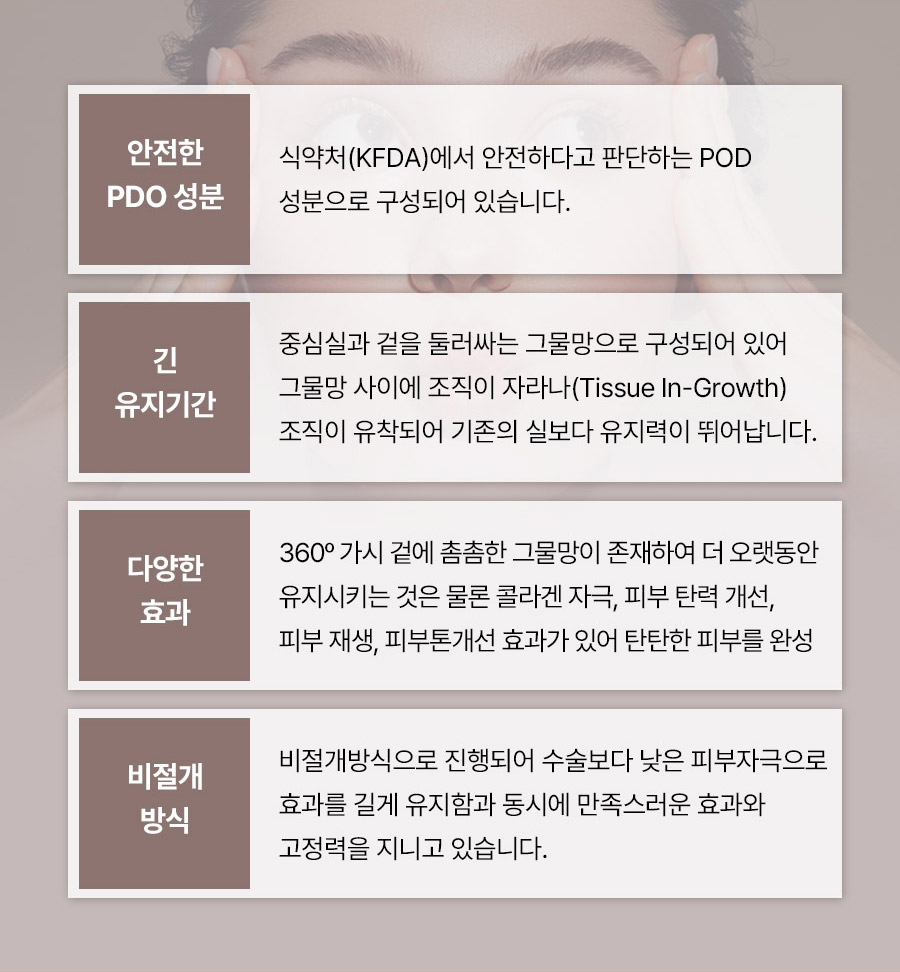
The representative director of this clinic, Dr. Choi Wonjin, is a specialist in anesthesiology and pain medicine and graduated from Hanyang University College of Medicine. He has experience leading several aesthetic clinics.
For thread lifting, this background can be relevant because local anesthesia and sometimes mild sedation are used. An anesthesiology and pain medicine specialist is trained in pain control, monitoring, and medication use, which can be helpful when planning anesthesia methods, especially for patients who are anxious about pain or have specific medical conditions.
Realistic expectations and follow‑up
A trustworthy thread lifting clinic should explain both benefits and limitations. Normal post‑procedure changes such as bruising, swelling, temporary asymmetry, or a tight feeling should be discussed in advance, as well as the possibility that touch‑up procedures may be needed later.
The clinic near Beomgye Station emphasizes natural‑looking results rather than dramatic or overdone changes. For international patients, it is also important to ask about follow‑up options: how many in‑person visits are recommended, whether online follow‑up is possible after you return home, and what to do if any concerns arise.
How thread lifting is planned at this clinic
Initial consultation
Before any procedure, an in‑depth consultation is carried out. The doctor assesses your age, degree of sagging, skin thickness, fat distribution, facial shape, and any previous procedures such as fillers, lifting devices, or surgery.
At this stage, the doctor discusses whether thread lifting alone is suitable or whether it should be combined with other lifting methods such as Ulthera Prime, XERF, InMode, Oligio, or laser lifting. If you have pigmentation, redness, or texture concerns, additional devices such as pico toning or vascular lasers may be proposed as part of a broader anti‑aging plan.
Design and marking
If thread lifting is chosen, the next step is design. The doctor marks the vector directions on your face, planning how the threads will be placed along the jawline, cheeks, midface, or other areas. The goal is to create a lifting effect that supports your natural facial expression rather than changing your basic features.
The design is individualized. For example, someone with early jowls may need more support along the jawline, while another person with deeper nasolabial folds may require vectors that lift the mid‑cheek area.
Procedure and anesthesia
Numbing injections are given at the planned entry points and along the thread paths. The clinic’s background in anesthesiology and pain medicine can be used to plan pain control methods and monitor your comfort.
The threads are inserted through small entry points using a needle or cannula, then anchored to lift the tissue. You may feel pressure or pulling, but the anesthesia aims to minimize sharp pain. The procedure time varies depending on the number of threads and whether other treatments are combined on the same day.
Aftercare at the clinic
After the threads are placed, the clinic continues with cooling, a mask pack, and finishing care as part of its six‑step process. Staff explain what sensations are normal, such as tightness when you open your mouth wide, mild discomfort when touching the area, or slight irregularities that usually settle as swelling reduces.
You receive guidance on sleeping posture, such as avoiding sleeping on your side for a certain period, and on avoiding strong facial massage, excessive chewing, or wide mouth opening immediately after the procedure. You are also instructed on signs that should prompt contact with the clinic, such as increasing redness, pain, or visible thread exposure.
Who should be cautious about thread lifting
Thread lifting is not suitable for everyone. People with very thin, fragile skin may have a higher risk of thread visibility or irregularities. Those with severe sagging may find that threads alone do not provide enough improvement, and surgical options might be more appropriate.
If you have autoimmune disease, bleeding disorders, are on blood‑thinning medication, or have uncontrolled chronic conditions, you should discuss this in detail with the doctor. In some cases, treatment may be postponed, modified, or avoided.
People with unrealistic expectations, such as expecting a surgical facelift effect from a thread lift, should also be counseled carefully. A good clinic will explain what is realistically achievable and may recommend alternative or staged treatments.
Overview of other lifting and skin options at this clinic
In addition to thread lifting, the clinic near Beomgye Station offers a broad lifting lineup including Ulthera Prime, XERF lifting, InMode lifting, Oligio, laser lifting, and needle RF devices.
For skin quality, they use devices for pigmentation, redness, pores, and texture, such as Enlighten pico toning, vascular lasers, IPL, and needle RF. This allows them to address both sagging and surface issues within one plan.
The clinic also offers body contouring options such as injection‑based fat extraction, liposuction for areas like thighs, abdomen, and flanks, facial liposuction, and diet starter programs. For overseas patients who want to combine facial lifting with body line improvement in one trip, this one‑stop approach may be convenient, though scheduling and recovery time must be considered carefully.
Online consultation and pre‑visit preparation
If you are planning to travel to Anyang for thread lifting, starting with an online consultation can save time and help set realistic expectations.
Before your online consultation, it is helpful to prepare:
Clear photos of your face from the front and both sides under natural lighting
A list of your main concerns, such as sagging jawline, smile lines, or overall tired appearance
Your medical history, including chronic diseases, allergies, current medications, and any previous facial procedures
Your travel schedule, including expected arrival and departure dates
During the online consultation, you can ask about whether thread lifting is appropriate for your case, whether combination with Ulthera Prime, XERF, InMode, or Oligio is recommended, approximate downtime, and how many in‑person visits are ideal.
You can also ask practical questions such as whether you can have other treatments on the same day, how long you should stay in Korea after the procedure, and what kind of follow‑up is available after you return home.
Expected visit timeline for international patients
The exact schedule depends on your situation, but a common structure for an overseas patient visiting this clinic in Anyang might look like this.
Day 1: Arrival and consultation
You arrive in Korea and travel to Anyang. The clinic is located on the 2nd floor of Anyang Trade Center on Simin‑daero 161 in Dongan‑gu, about 160 meters from Beomgye Station on Line 4, which is convenient if you are using public transport.
On this day, you have an in‑person consultation, skin assessment, and detailed discussion of your plan. If you and the doctor agree and there are no medical issues, some patients can undergo thread lifting and related treatments on the same day, depending on schedule and preparation.
Day 2–3: Early recovery and check
You may have a short follow‑up visit to check the treated area, review aftercare, and receive additional calming care such as mask packs or gentle treatments if needed. Swelling and bruising can be more noticeable during this period, so it is wise to plan light activities and avoid tight schedules.
Day 4–7: Ongoing recovery
Many patients feel more comfortable going out with makeup after several days, but this varies. If your stay is longer, you may schedule another brief check‑up or additional skin treatments that do not interfere with the threads.
Return home
When you return to your home country, you should continue to follow the aftercare instructions provided. The clinic may offer online follow‑up to monitor your progress and answer questions.
Aftercare and lifestyle tips
After thread lifting, proper care can support smoother recovery and longer‑lasting results.
In the first days, avoid pressing or massaging your face, sleeping on your side, or opening your mouth very wide. Follow any instructions regarding cold packs or prescribed medications. Mild discomfort can often be managed with pain relief recommended by the clinic.
Over the following weeks, be gentle when cleansing and applying skincare. Avoid high‑impact sports or activities that involve strong facial movement until your doctor says it is safe. Protect your skin from excessive sun exposure and use sunscreen, as UV damage can accelerate aging.
A balanced diet, good sleep, and avoiding smoking can also support skin health and collagen maintenance, which are important for the longevity of thread lifting results.
Practical checklist before you choose a thread lifting clinic in Anyang
When comparing clinics, especially from overseas, you may find it useful to prepare a checklist and questions in advance.
Points to check include:
- Whether lifting and anti‑aging are core areas of the clinic
- What types of threads and lifting devices are available
- How many lifting procedures the doctor performs regularly
- What the consultation and aftercare process looks like
- Whether the clinic can communicate in your language or provide translation support
- How many visits are recommended during your stay in Korea
Questions you might want to ask:
Is thread lifting alone suitable for my degree of sagging, or do you recommend combining it with Ulthera Prime, XERF, InMode, or Oligio
How long is the expected effect in my case, and what factors might shorten or extend it
What are the common side effects and how are they managed
How many days of visible swelling or bruising should I plan for before returning to work or social events
What should I do if I have concerns after I return to my country
Frequently asked questions
How long do thread lifting results usually last
The duration of thread lifting results varies widely between individuals. Effects can last anywhere from several months to years depending on age, skin quality, degree of sagging, thread type, and lifestyle. Some longer‑term improvement may be related to tissue remodeling that continues after threads dissolve. A consultation is needed to estimate what is realistic in your case.
Is thread lifting very painful
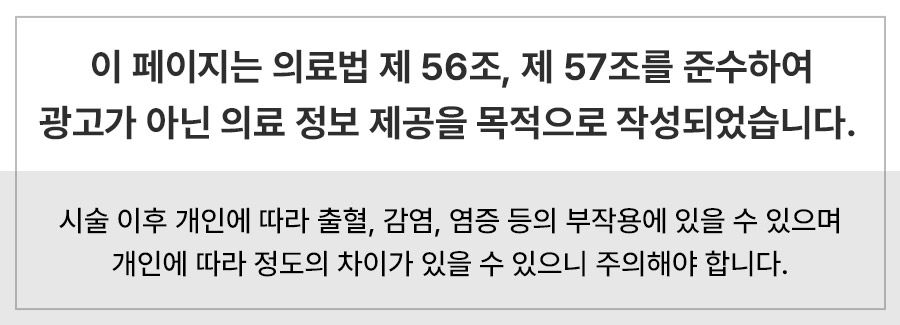
Most thread lifting procedures are done under local anesthesia, so sharp pain during the procedure is minimized. You may feel pressure, pulling, or a strange sensation as the threads are positioned. After the procedure, mild soreness or tightness is common for several days. Because this clinic’s director is a specialist in anesthesiology and pain medicine, pain control planning is an important part of the process.
How much downtime should I expect if I visit Korea for thread lifting
Downtime varies, but many people experience swelling and sometimes bruising for several days. Some feel comfortable going out with light makeup after three to five days, while others prefer a week. If you are traveling from overseas, allowing at least several days in Korea after the procedure is advisable so you can attend follow‑up visits and manage early recovery more comfortably.
Can I combine thread lifting with other treatments in one trip
Yes, many patients combine thread lifting with other treatments such as Ulthera Prime, XERF, InMode, Oligio, or skin lasers, depending on their condition and schedule. The order and timing need to be planned carefully to avoid overloading the skin. During online consultation, you can discuss a staged plan that fits your travel dates, including whether to add skin toning, vascular laser, or body contouring procedures.
Soft call to action for online consultation
If you are considering thread lifting in Anyang and would like to explore options near Beomgye Station, you can start with an online consultation with the clinic at Anyang Trade Center in Dongan‑gu. By sharing photos, your medical history, and travel schedule in advance, you can receive a more personalized plan and understand whether thread lifting, device‑based lifting, or a combination may be suitable for you.
This guide is for general information only and does not replace a face‑to‑face consultation with a qualified medical professional. Individual assessment and discussion with a doctor are essential before deciding on any procedure.
- 공유 링크 만들기
- X
- 이메일
- 기타 앱


댓글
댓글 쓰기