Anyang Juvelook Volume Recommendation Near Beomgye Station
- 공유 링크 만들기
- X
- 이메일
- 기타 앱
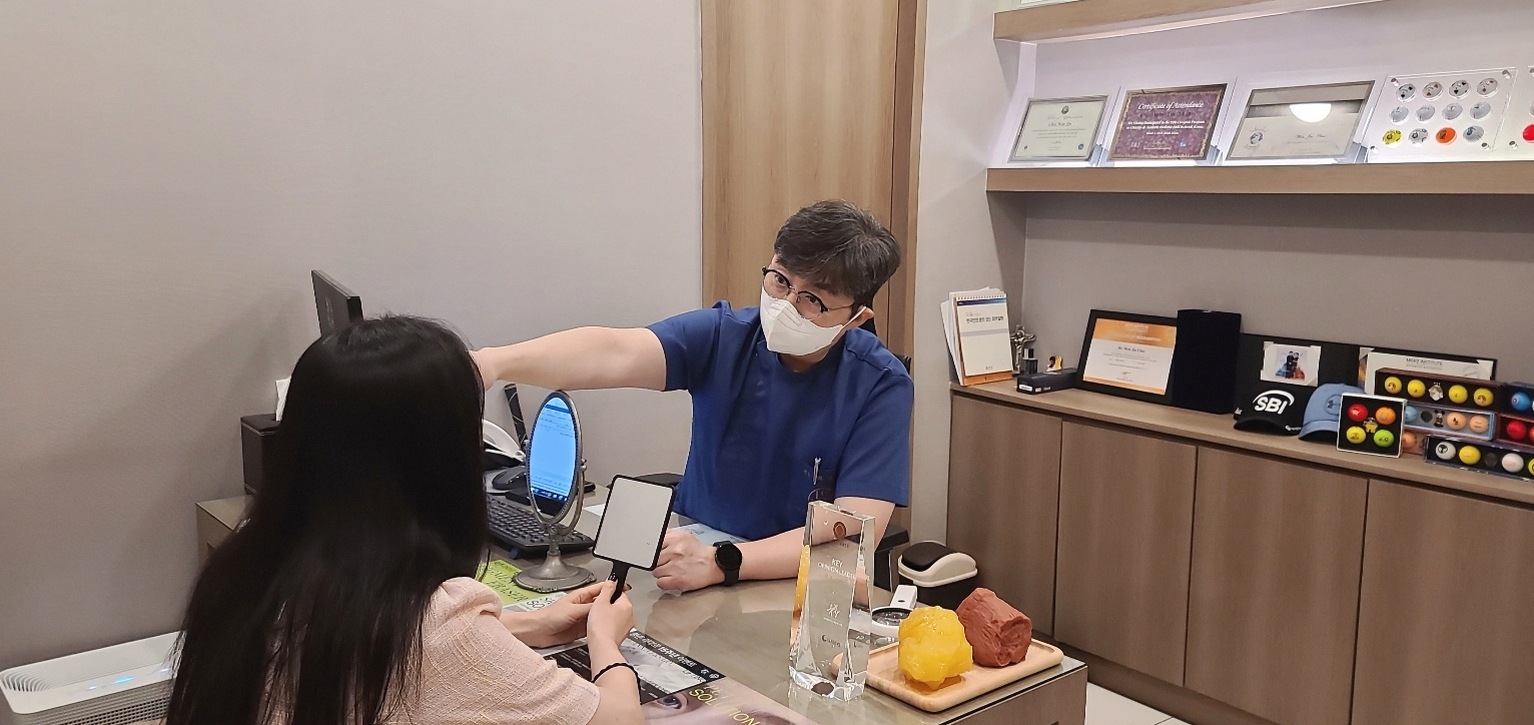
Direct answer summary
If you are searching in Anyang for Juvelook injections to gently restore facial volume and improve skin quality, you can find options in the Dongan district near Beomgye Station on Line 4. Juvelook is a collagen-stimulating injectable that works gradually, so it is usually planned as part of a broader lifting and anti-aging program rather than as a one-time quick fix. In a clinic equipped with multiple lifting devices and a structured treatment process, Juvelook can be used to target mild volume loss in areas such as the cheeks, under-eye region, and nasolabial folds while also supporting smoother texture and elasticity.
This guide explains how Juvelook works, who it may suit, how a visit to Korea might look for international patients, and how to choose a clinic in Anyang that focuses on natural, balanced volume rather than an overfilled look.
Treatment overview: What is Juvelook
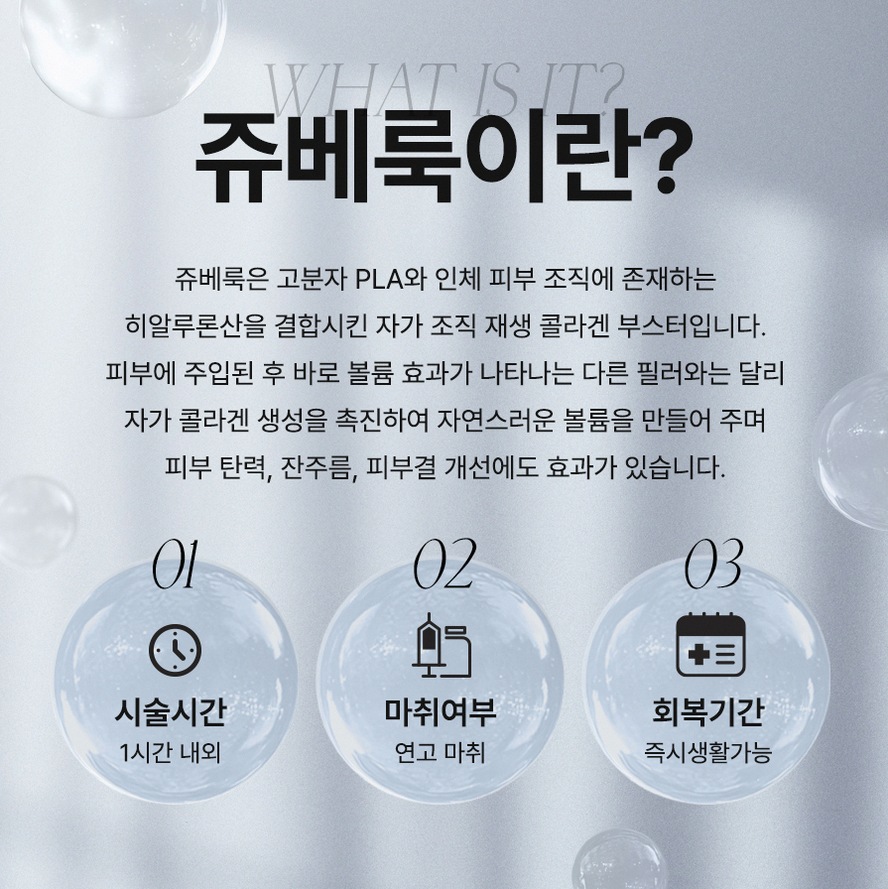
Advertiser describes Juvelook as a collagen-stimulating injectable; confirm mechanism and composition with the clinic.
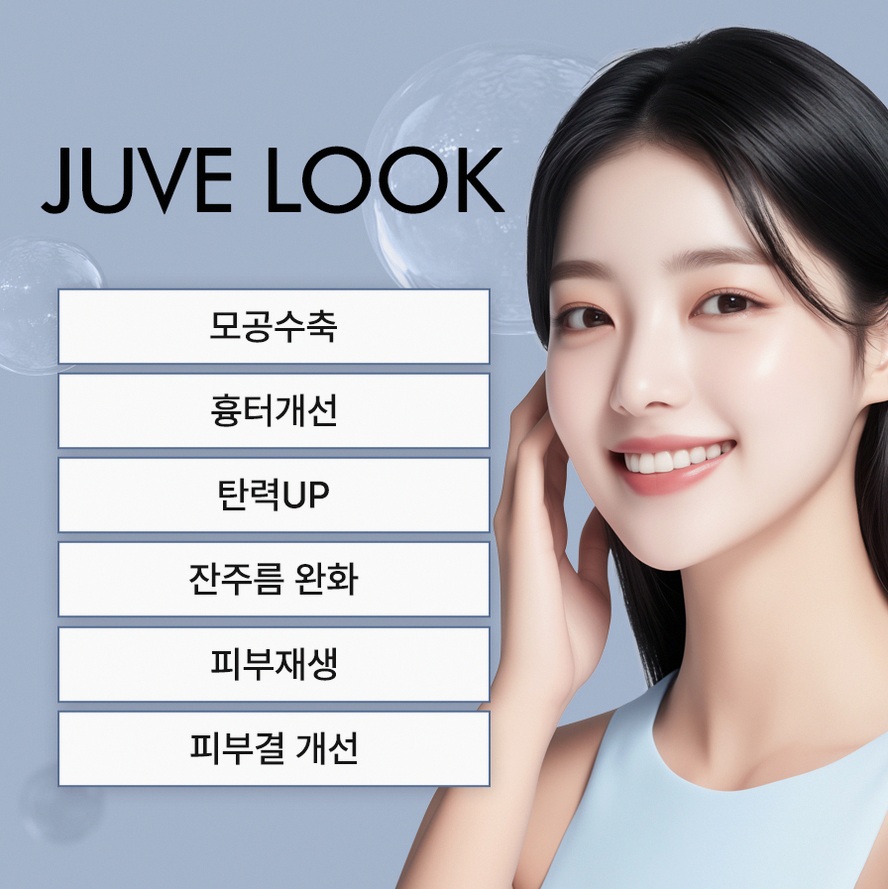
Because of this mechanism, Juvelook is often chosen for people who want subtle volume improvement and better skin quality rather than a dramatic change. It can be used for fine lines, shallow acne scars, early volume loss in the mid-face, and delicate areas where a softer approach is preferred.
In Anyang, particularly around Beomgye Station in the Dongan district, there are clinics that integrate Juvelook into a lifting and anti-aging program. One example is a clinic located on the second floor of Anyang Trade Center on Simin-daero, which offers a wide range of lifting devices and body contouring options alongside collagen-stimulating injections.
How Juvelook differs from regular fillers
Traditional hyaluronic acid fillers are gel-like substances injected to immediately fill deeper lines or add noticeable volume to areas such as the cheeks, chin, or lips. The effect is visible right away, and the main role is structural support and contouring.
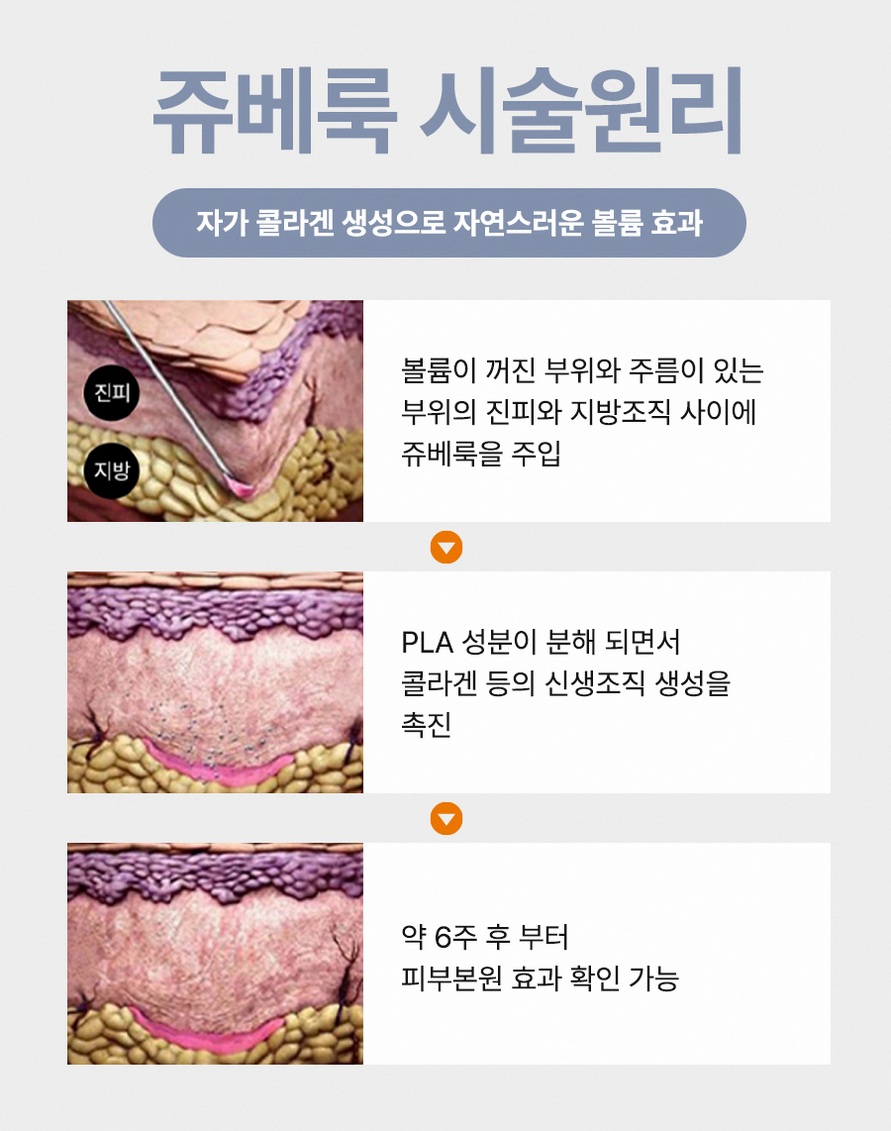
Juvelook works differently. Its primary goal is to stimulate collagen production in the skin. While there can be some early plumping from the carrier gel, the main changes develop gradually over weeks to months as new collagen forms. The result is usually a softer, more natural-looking increase in volume and improved skin texture.
Because of this, Juvelook is often used in situations such as:
Fine lines and crepey skin in the mid-face
Mild under-eye hollowing in suitable candidates
Early cheek and nasolabial volume loss
Shallow acne scars that create uneven texture
It is not typically used to create strong structural changes such as a sharply projected chin or large cheek augmentation. In cases of significant volume loss, Juvelook may be combined with other treatments such as fillers or lifting procedures, depending on your facial structure and aging pattern.
Who may consider Juvelook for volume
Juvelook is generally considered for adults who notice early to moderate signs of aging or texture concerns and prefer a conservative approach.
You may be a potential candidate if:
You have mild to moderate volume loss in the cheeks, under-eye area (if anatomically appropriate), nasolabial folds, or temples and want a subtle, natural enhancement.
You are concerned about fine wrinkles or shallow acne scars and also want your skin to feel more elastic and hydrated.
You dislike the idea of looking overfilled and prefer gradual improvement through collagen stimulation.
You are comfortable with the idea that several sessions may be needed and that results develop over time rather than overnight.
On the other hand, Juvelook alone may not be enough if you have:
Severe sagging of the lower face and neck
Very deep folds or marked fat loss
Significant asymmetry that requires structural correction
In such situations, a doctor may suggest combining Juvelook with lifting procedures, energy-based devices, or fillers to address both sagging and deflation.
Why in-person evaluation is important
Even if you feel you are a good candidate based on online information, an in-person assessment is essential. The doctor needs to evaluate:
Skin thickness and elasticity
Degree and pattern of volume loss
Fat atrophy in the mid-face and temples
Depth and type of wrinkles or scars
Overall facial balance and expression
This assessment helps determine whether Juvelook alone is suitable, or whether it should be combined with lifting, RF microneedling, or other treatments. A cause-based approach is important: just as redness is treated differently depending on vessel thickness and cause, volume loss and wrinkles should be addressed based on their underlying mechanisms, not just their appearance.
How Juvelook is performed
In clinics with a structured care process, a Juvelook session typically follows several steps designed to minimize irritation and support recovery.
A common flow may include:
- Consultation and planning
- You discuss your main concerns, such as under-eye hollows, tired-looking cheeks, or acne scars. The doctor evaluates your skin and facial structure, explains the role of Juvelook compared with fillers or lifting, and suggests a step-by-step plan. This may include Juvelook alone or in combination with other treatments over several visits.
- Cleansing and basic preparation
- Your face is thoroughly cleansed. Some clinics may perform light scaling or basic skin prep to remove surface debris and help the skin receive treatment more evenly.
- Anesthesia
- Topical numbing cream or local anesthesia is applied to minimize discomfort. The level of anesthesia can be adjusted based on the treated area and your pain tolerance.
- Juvelook injection
- The doctor injects small amounts of Juvelook using micro-droplet or mesotherapy-style techniques for overall texture and fine volume, and slightly deeper injections in selected areas for gentle contour support. The exact depth and pattern depend on the area, such as under-eye, cheeks, or nasolabial folds.
- Soothing and finishing care
- After injections, a soothing mask pack, cooling, or calming products are applied to reduce redness and swelling. A standardized multi-step protocol helps the skin settle and may shorten visible downtime.
Typical treatment course and timeline
Protocols vary by clinic and patient; many clinicians recommend multiple sessions spaced several weeks apart—confirm the schedule during consultation.
A typical course might look like this:
Observation period: Over the following weeks to months, collagen production continues, and the skin gradually appears smoother and more supported.
Maintenance: Depending on your response and aging process, maintenance sessions may be suggested at intervals decided during follow-up consultations.
You may notice some early improvement in plumpness and hydration shortly after treatment, but the more meaningful collagen-related changes usually appear progressively over several weeks to months. Results and duration vary by individual.
Combining Juvelook with lifting and other treatments
Aging of the face is rarely caused by a single factor. Most people experience both sagging (due to ligament and tissue laxity) and deflation (loss of fat and bone support). For this reason, volume and lifting are often considered together.
In a clinic with a broad lifting and anti-aging lineup, such as Ulthera-type HIFU, XERF lifting, InMode devices, thread lifting, laser lifting, and RF microneedling, Juvelook can be integrated into a customized plan.
Some example scenarios include:
Mild jowl sagging with cheek deflation
In this case, a doctor might recommend a lifting procedure first, such as HIFU or RF lifting, to tighten deeper layers and improve jawline definition. After the tissues are better positioned, Juvelook can be used to gently restore mid-face volume and improve skin texture.
Under-eye hollowness with fine wrinkles
For suitable candidates, a conservative amount of Juvelook may be used under the eyes to support the skin and soften fine lines. Energy-based devices may be applied around, but not directly on, the most delicate areas, with careful timing to avoid irritation.
Acne scars with early laxity
RF microneedling or laser treatments can help remodel scar tissue and improve texture. Juvelook can be added to enhance collagen production and smooth shallow depressions. The doctor decides the sequence and spacing between procedures to balance efficacy and safety.
Treatment order and intervals
The order of treatments is important. Often, lifting or energy-based procedures are performed first, followed by Juvelook after a suitable interval. In other cases, Juvelook may be done first if the main concern is texture and fine volume, with lifting added later.
Your doctor will plan the schedule based on:
Skin sensitivity and recovery speed
Intensity of energy-based treatments
Injection areas and depth
Travel schedule if you are visiting from overseas
Safety, side effects, and aftercare
Common temporary reactions include:
Redness and mild swelling at injection points
Small bumps or papules where the product was placed
Mild bruising in some areas
Tenderness or a slightly tight feeling in the treated zones
These usually improve over several days. Makeup can often be applied after a short period, depending on the clinic’s advice.
Less common but more serious complications can occur with any injection, such as infection or vascular issues. This is why proper technique, anatomical knowledge, and conservative dosing are important.
Basic aftercare recommendations often include:
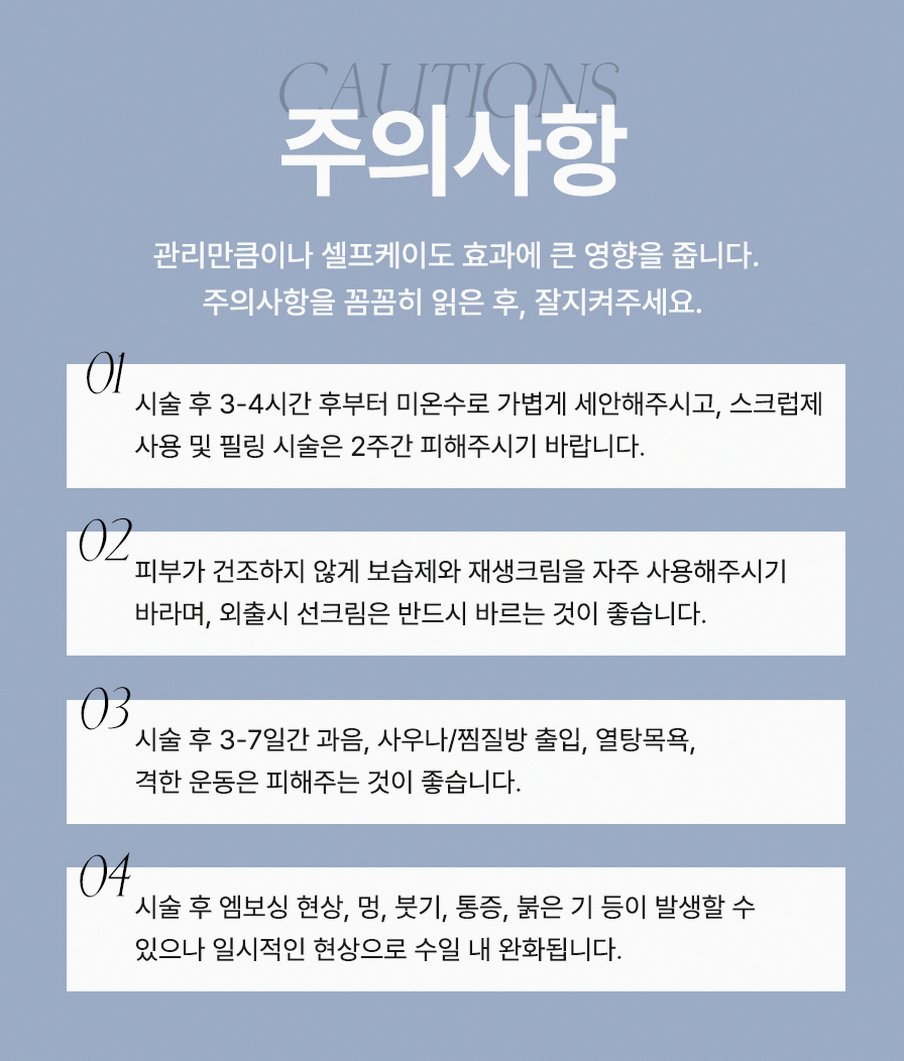
Avoid rubbing, massaging, or pressing the treated areas for a few days unless your doctor gives specific instructions.
Avoid saunas, hot baths, intense exercise, or other strong heat exposure for a short period after treatment.
Use gentle skincare products and maintain good sun protection.
Follow any specific product or medication guidance provided by the clinic.
In clinics with a standardized multi-step protocol, post-procedure care such as mask packs, cooling, and calming products is used to soothe the skin and support recovery. If you experience unusual pain, persistent swelling, or marked asymmetry, you should contact the clinic promptly for evaluation.
Preparing for Juvelook as an overseas patient
If you are planning to visit Korea for Juvelook and related anti-aging treatments, organizing your trip in advance can make the process smoother.
Online consultation and pre-visit preparation
Before booking flights, it is helpful to arrange an online consultation. Many clinics in Anyang and the wider Seoul area offer consultation through email, messaging apps, or video calls.
For a more accurate pre-assessment, prepare the following:
Clear photos of your face from the front and both sides in natural lighting
Close-up photos of specific concerns such as under-eye hollows or acne scars
A list of previous procedures, including fillers, lasers, lifting devices, or surgeries
A summary of your medical history, allergies, and medications
Your main goals: for example, “subtle cheek volume and smoother under-eye area” rather than “complete change”
During the online consultation, you can ask about:
Whether Juvelook is suitable for your concerns
How it might be combined with lifting or other treatments
Estimated number of sessions and suggested intervals
Expected downtime and when you can safely fly back
Expected visit timeline in Korea
Your exact schedule will depend on how many treatments you plan to have, but a simple Juvelook-focused trip might follow this kind of structure:
Day 1: In-person consultation and skin assessment, finalizing the plan. If there are no contraindications, your first Juvelook session may be performed on the same day.
Day 2 to 3: Light aftercare and observation. Mild redness or swelling is usually settling. You can typically engage in light sightseeing, avoiding intense heat or heavy exercise.
Day 4 and onward: Many visitors feel comfortable returning home within a few days, as long as there are no complications and the clinic confirms it is safe.
If you intend to combine Juvelook with lifting devices or other procedures, you may need a slightly longer stay or a staged plan over multiple trips. This can be discussed during your online consultation.
How to choose a Juvelook volume clinic in Anyang
When comparing clinics in Anyang, especially around Beomgye Station, it can be tempting to focus only on price. However, for collagen-stimulating injections near delicate areas, several other factors are important.
Points to consider include:
Range of treatments
This is helpful when deciding whether Juvelook, fillers, or lifting is more appropriate for your specific pattern of aging. Equipment counts and specific device availability reflect clinic listings; confirm the devices and their use with the clinic before booking.
Cause-based, customized approach
Look for a clinic that explains how they analyze issues by cause. For example, redness treated by vessel thickness and cause, pigmentation by type and depth, and volume loss by fat atrophy and ligament laxity. This mindset usually extends to Juvelook planning as well, with adjustments based on skin thickness, aging stage, and volume distribution.
Structured treatment process
A standardized multi-step protocol from consultation to finishing care can improve comfort and consistency. Ask about their typical process: consultation, cleansing, optional scaling, anesthesia, injection, mask pack, and aftercare instructions.
Doctor’s philosophy
For Juvelook volume, especially around the under-eye and mid-face, a conservative, natural-looking approach is important. In some clinics in Anyang, the lead doctor is a board-certified anesthesiology and pain medicine specialist with experience in aesthetic procedures and a preference for balanced, not overdone, results. During consultation, listen for whether the doctor discusses limits, potential risks, and realistic outcomes.
Accessibility
If you need multiple sessions, location matters. A clinic within walking distance of Beomgye Station on Line 4, such as one in the Anyang Trade Center on Simin-daero, can be convenient for repeated visits and follow-up.
Questions to ask before booking
To support your decision process, you may wish to prepare questions such as:
How many Juvelook sessions do you usually recommend for concerns like mine?
Would you combine Juvelook with lifting or other treatments in my case? If so, in what order and at what intervals?
What kind of downtime should I expect, and when can I safely return to work or travel?
What aftercare is included in the treatment, and what should I prepare at home or in my hotel?
How do you handle side effects or complications if they occur?
FAQ
How is Juvelook different from regular fillers for volume?
Juvelook is a collagen biostimulator, meaning it encourages your own skin to produce more collagen over time. It tends to create subtle, gradual volume and texture improvement rather than the immediate, more pronounced volumizing seen with classic hyaluronic acid fillers. Fillers are often used for strong contouring of areas like the chin or nose, while Juvelook is more commonly chosen for fine volume loss, early aging signs, and shallow scars where a natural effect is preferred.
How many Juvelook sessions are usually needed for visible improvement?
The number of sessions varies depending on your skin condition, age, and goals, but many patients are advised to start with a series of 2 to 3 treatments spaced several weeks apart. Some early plumping and hydration may be visible soon after treatment, while collagen-related changes typically appear progressively over weeks to months. Maintenance sessions may be suggested later, based on how your skin responds and how your aging process continues.
Can Juvelook be combined with Ulthera-type lifting or thread lifting in the same area?
Yes, Juvelook can often be combined with lifting treatments such as Ulthera-type HIFU or thread lifting, but the timing and order need to be planned carefully. In many cases, lifting procedures are performed first to reposition and tighten tissues, followed by Juvelook after an appropriate interval to enhance fine volume and texture. Your doctor will consider skin sensitivity, treatment intensity, and safety when designing a combined plan.
What is the typical downtime after Juvelook in the cheek or under-eye area?
Most people experience mild redness, swelling, and small bumps at injection sites for a few days. Bruising can occur, especially in delicate areas like the under-eye region. Many patients feel comfortable returning to daily activities within a day or two, using light makeup if permitted by the clinic. However, you should avoid strong heat, intense exercise, and heavy pressure on the treated areas for a short period. Downtime and visible signs vary by individual and by the extent of treatment.
Is Juvelook suitable for acne scars and volume loss at the same time?
Juvelook may be helpful for shallow acne scars and mild volume loss because it stimulates collagen and can smooth the skin surface. In some cases, it is combined with RF microneedling or laser treatments to more directly remodel scar tissue, with Juvelook supporting overall collagen production and texture improvement. The suitability depends on the type and depth of your scars, so an in-person assessment is important before deciding on a combined plan.
Soft call to action
If you are considering Juvelook for natural-looking volume and skin quality improvement in the Anyang area, especially near Beomgye Station, an online consultation is a practical first step. By sharing clear photos and your treatment history, you can receive a preliminary opinion on whether Juvelook, lifting, or a combination approach may suit your goals. From there, you can plan your visit to Korea with a clearer understanding of the expected timeline, aftercare, and overall rejuvenation strategy.

- 공유 링크 만들기
- X
- 이메일
- 기타 앱


댓글
댓글 쓰기