Anyang Thread Lifting Price: What Affects the Cost and How to Plan Your Visit
- 공유 링크 만들기
- X
- 이메일
- 기타 앱
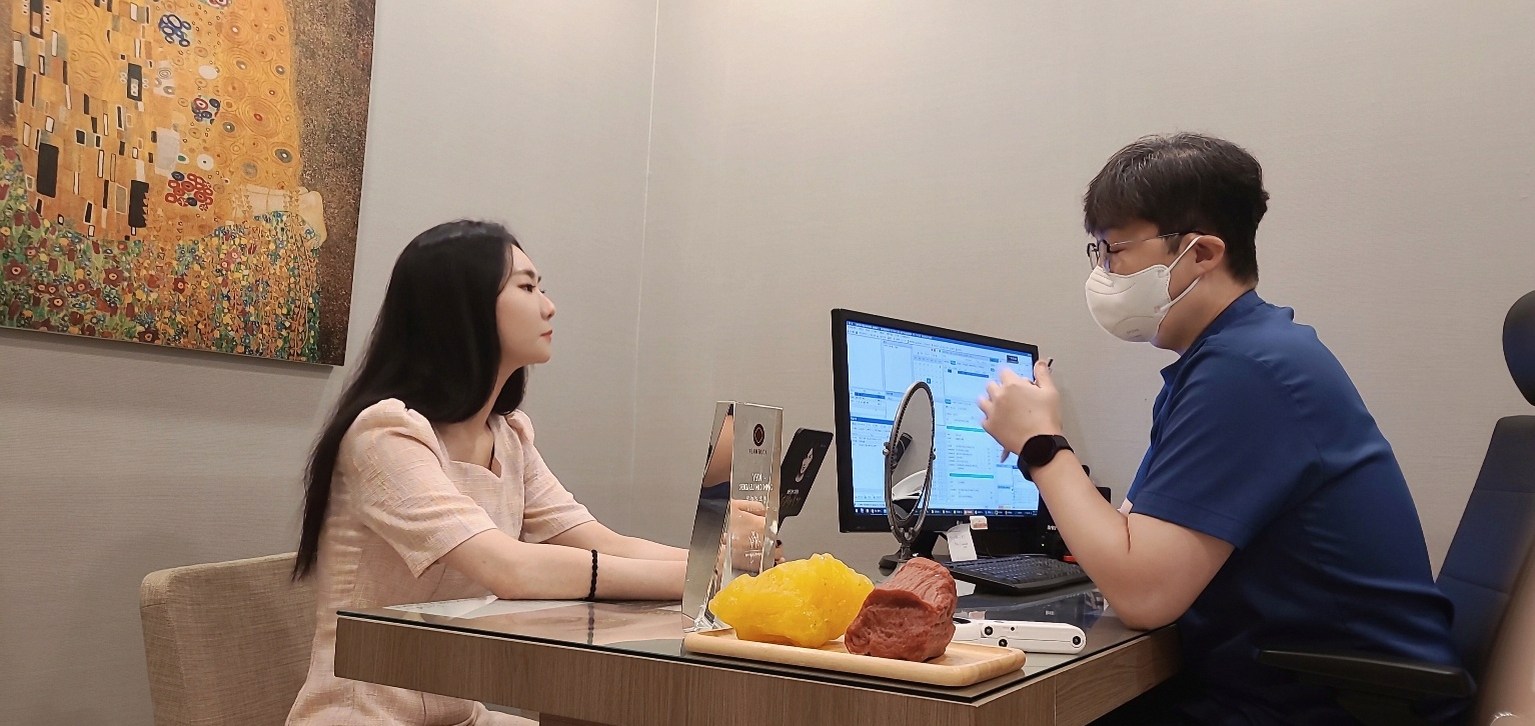
Direct answer: how Anyang thread lifting prices usually work
When searching for thread lifting in Anyang, expect price variation between clinics. Costs depend on the thread type and number, the areas treated, the complexity of sagging, and whether threads are combined with device-based lifting (for example, Ultherapy-type or radiofrequency treatments). Clinics with a broad lifting device lineup usually recommend a customized plan rather than a single flat fee. For that reason, most clinics in Dongan-gu provide a clear quote only after an in-person or detailed online consultation.
Near Beomgye Station in Anyang, several clinics focus on lifting and anti-aging, offering both thread lifting and device-based procedures at the same site. One example is Lamar Premier Clinic, a lifting-focused clinic led by a board-certified anesthesiology and pain medicine specialist who graduated from Hanyang University College of Medicine, supported by a team of doctors at the same address. This setup can help you compare options and understand why a particular price is recommended.
What is thread lifting and who is it for
Thread lifting is a minimally invasive procedure that uses fine, absorbable threads placed under the skin to gently lift sagging tissue and support the facial contour. The threads are usually made from materials that the body can gradually absorb over time. As they dissolve, they may also stimulate collagen production, which can assist with firmness.
Common treatment areas include the jawline, early jowls, nasolabial folds around the nose and mouth, marionette lines, cheeks, the midface, and sometimes the neck or eyebrow area. The goal is to create a more defined contour and a fresher look without full surgical lifting.
Thread lifting is often considered by people with mild to moderate sagging who feel that simple skin care or laser toning is no longer enough, but who do not want or are not ready for surgical lifting. It can also be used to help maintain results between sessions of device-based lifting, such as ultrasound or radiofrequency treatments.
Results, how natural they look, and how long they seem to last can vary widely. Age, skin thickness, degree of sagging, lifestyle factors such as smoking or sun exposure, and the type of thread used all play a role. Because of this, a face-to-face assessment is important before deciding if thread lifting is suitable for you.
Anyang thread lifting price: what usually determines the cost
In Anyang, as in other parts of Korea, clinics rarely publish exact thread lifting prices for every case because the cost depends on many details. Instead, they usually provide a range or give a firm quote only after examining your face.
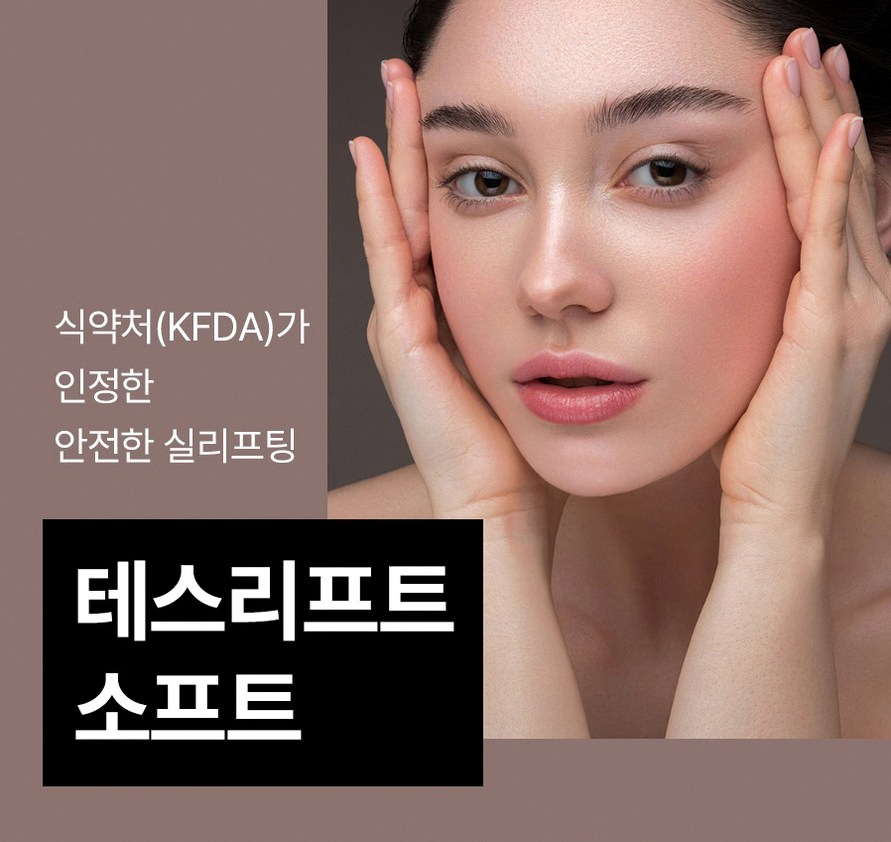
Several main factors influence the price.
Type of thread used
Different threads are used for different purposes. Cog or barbed threads, cone threads, and mono threads each have their own role. Cog or barbed threads are commonly used for lifting because their tiny barbs can catch and support the tissue. Mono threads are often used more for skin quality and mild tightening rather than strong lifting.
Materials can also differ, such as PDO or other absorbable materials. Some clinics use branded threads with specific design features, while others may use more general products. Branded, lifting-focused threads and newer designs often cost more per piece, which can raise the total price.
Number of threads
The more threads that are needed, the higher the cost. A small correction in a limited area, such as a slight lift along the jawline, may require fewer threads than a full-face approach that includes cheeks, nasolabial folds, and marionette lines.
During consultation, the doctor usually estimates how many lifting threads and, if used, how many auxiliary threads for skin quality might be needed. If the plan changes on the day of treatment because more support is needed, the price may change as well, so it is important to ask in advance how such adjustments are handled.
Treatment area and complexity
A partial treatment, such as only the jawline or only the midface, is generally less expensive than a full-face or face plus neck plan. However, if your sagging pattern is complex, with heavy tissue or significant asymmetry, the planning and procedure can be more time-consuming and technically demanding, which can influence the cost.
Combination with other lifting methods
In Anyang, many clinics do not rely only on threads. They may suggest combining thread lifting with device-based lifting such as Ultherapy-type ultrasound, radiofrequency lifting, or laser tightening. For example, threads may be used to reposition sagging tissue, while ultrasound or RF devices are used to firm the deeper layers or improve skin elasticity.
Combination plans usually have different pricing from thread-only plans. Sometimes the package price can be more economical than doing each treatment separately, but the total will still be higher than a single procedure. This is why you should always ask what is included in the quoted price.
Doctor’s experience and clinic system
Thread lifting is technique-sensitive. Clinics that focus on lifting and anti-aging, and doctors who perform lifting procedures regularly, may structure their prices to reflect the time they spend on detailed planning, anesthesia, and follow-up care. A clinic led by a board-certified anesthesiology and pain medicine specialist can also place special emphasis on pain control and procedural safety.
In addition, clinics with a wide range of skin and lifting devices, and a systematic process from consultation to aftercare, may price their thread lifting differently from smaller clinics that offer only basic procedures without much follow-up.
Follow-up care and what is included
Some Anyang clinics include follow-up visits, cooling care, mask packs, or additional gentle skin treatments in their thread lifting packages. Others may charge separately for follow-up or offer only a basic check. When you compare prices, it is important to confirm whether the quote covers only the procedure itself or also includes aftercare and monitoring.
How a lifting-focused clinic in Anyang approaches thread lifting
In Dongan-gu near Beomgye Station, there are clinics that have built a lifting-focused system rather than offering only one type of treatment. For example,
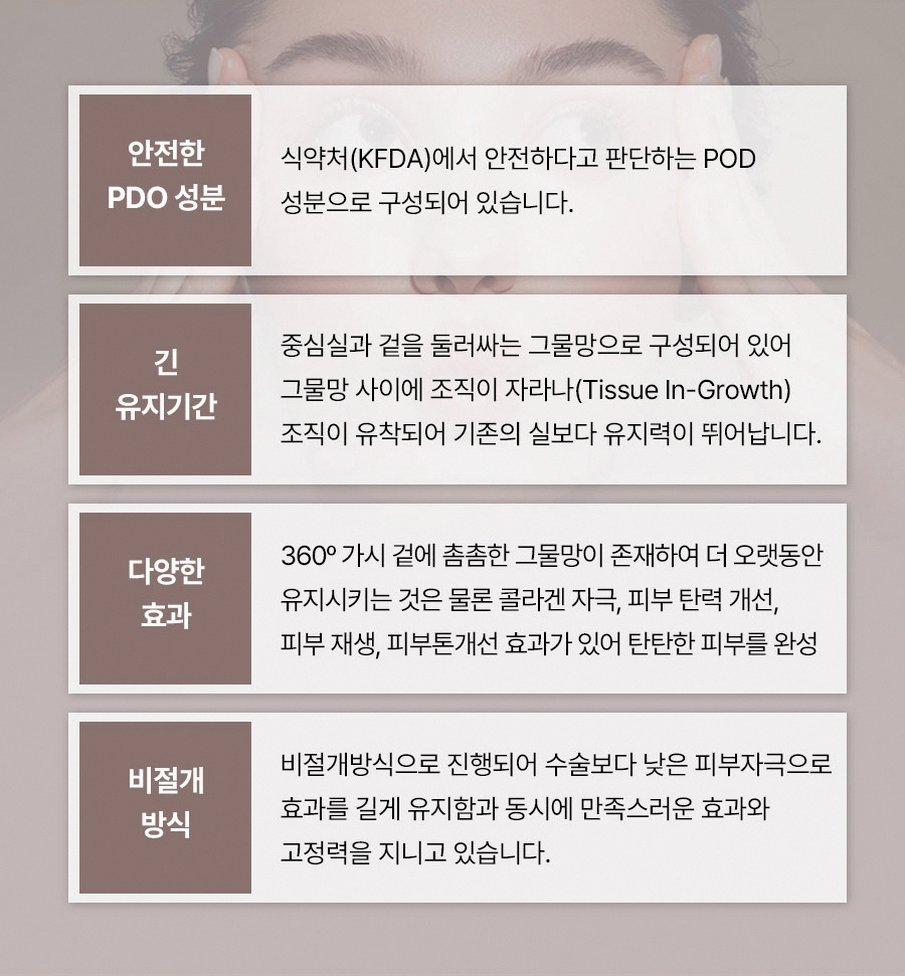
Having more than 14 types of skin and lifting devices allows the medical team to evaluate your skin laxity, fat volume, facial bone structure, and skin texture, then decide whether to prioritize threads, device-based lifting, or a combination. For very early sagging, device-based lifting alone may be suggested as a more gentle and sometimes more cost-effective option. For more visible jowls or midface descent, threads may be added to support the tissue.
This kind of clinic usually follows a structured multi-step process. A typical flow is consultation, cleansing, basic skin preparation such as scaling if needed, the main treatment, a calming mask pack, and finishing care. For thread lifting patients, this systematic approach can help manage swelling, bruising, and discomfort more comfortably.
Because the clinic also handles body contouring, injectables, skin boosters, and fat reduction programs, patients who travel from overseas can plan more than one type of anti-aging or contour treatment in a coordinated way, instead of visiting multiple locations.
What happens during a typical thread lifting procedure
Pre-treatment consultation
Your visit usually begins with a detailed consultation. The doctor reviews your medical history, current medications, allergies, and any previous cosmetic procedures such as fillers, threads, or device-based lifting. You will be asked about your main concerns, for example, a blurred jawline, deepened nasolabial folds, or a tired midface.
Photography and facial analysis
Standardized photos from different angles are often taken. The doctor assesses asymmetry, the direction of sagging, and the quality of your skin and underlying fat. Key anchor points for thread insertion and exit are planned. This planning stage is important for both the aesthetic result and the safety of the procedure.
Preparation and skin cleansing
Before the procedure, the skin is thoroughly cleansed. Some clinics add gentle scaling or basic skin preparation to remove surface debris and help keep the area clean. The doctor then marks the insertion and exit points and the vector lines along which the threads will be placed.
Anesthesia and pain control
Thread lifting is usually performed under local anesthesia. Numbing cream, local injections, or a combination can be used. In a clinic led by a specialist in anesthesiology and pain medicine, particular attention may be given to choosing an anesthesia method that balances comfort and safety, especially for patients who are nervous about pain.
Thread insertion
Once the area is numb, the doctor inserts the threads using fine needles or cannulas along the planned vectors. The threads are positioned to catch and support the sagging tissue. When the threads are gently lifted, the tissue is repositioned. The number of threads and the areas treated determine how long this step takes.
Post-procedure care and instructions
After the threads are placed, the treated area is usually cooled, and a soothing mask pack may be applied. The clinic provides instructions about how to sleep, how widely you can open your mouth, and what activities to avoid for a certain period. Strong facial massage, heavy pressure on the face, and intense exercise are often restricted for a time to protect the new support structure.
How to compare thread lifting prices in Anyang realistically
When you compare Anyang thread lifting prices, it can be tempting to focus only on the lowest number. However, this approach can be misleading. To compare fairly, you should look at what is included in each quote.
Key points to check include the type and brand of threads, the estimated number of threads, whether the plan is full-face or partial, and whether follow-up care is included. Also ask if any device-based lifting or skin treatments are part of a package.
During consultation, consider asking these questions.
Which thread types and brands will be used, and why are they suitable for my case. How many lifting threads and, if used, how many auxiliary threads are planned. Can this number change on the day, and how would that affect the price.
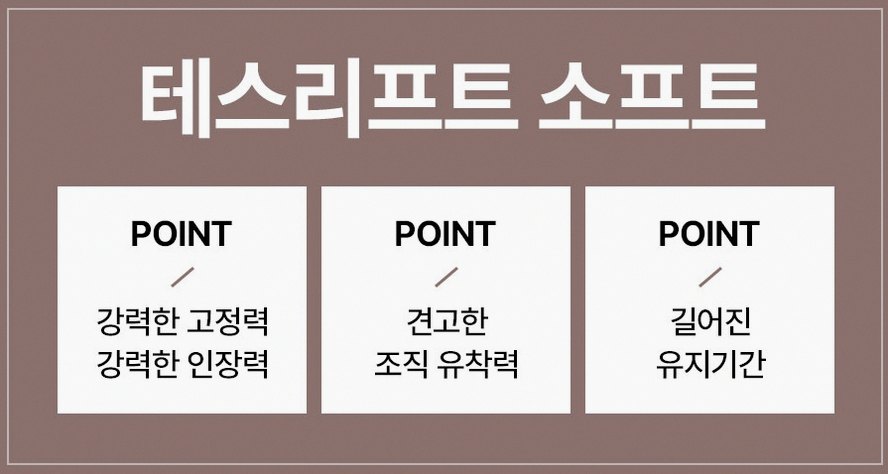
Is combination with Ultherapy-type ultrasound, RF lifting, or laser tightening recommended for me. If yes, how does that change the total cost, the expected effect, and the downtime.
How will pain control be managed during the procedure. What kind of monitoring is used for safety. How many follow-up visits are included, and what kind of aftercare, such as cooling, mask packs, or gentle lasers, is provided.
Also pay attention to how the doctor explains the limitations and possible side effects. A clinic that clearly explains both advantages and risks, and does not promise dramatic or permanent results, can help you make a more realistic decision.
Safety, side effects, and aftercare considerations
Thread lifting is minimally invasive but still a medical procedure. Common temporary reactions include swelling, bruising, mild pain or tightness when moving the face, and sometimes small dimples or irregularities along the thread paths. These usually improve over days to weeks.
Less common but more serious complications can include infection, prolonged asymmetry, visible or palpable threads near the skin surface, or dissatisfaction with the effect. These risks should be discussed before you decide to proceed. Following the clinic’s instructions can help reduce some of these risks.
After the procedure, you may be advised to sleep on your back with your head slightly elevated, avoid pressing your face into the pillow, and limit wide mouth movements, such as large bites or loud yawning, for a certain time. Alcohol, saunas, and very intense exercise may be restricted in the early period to help control swelling and bruising.
Threads gradually dissolve over time, and the lifting effect is not permanent. Some patients choose maintenance sessions or combination treatments later, depending on how their face changes with age and lifestyle.
When to consider other lifting options instead of or in addition to threads
Thread lifting is not the only option for facial lifting. For very mild sagging or mainly texture concerns, device-based lifting or skin tightening alone, such as Ultherapy Prime, XERF lifting, InMode lifting, Oligio, or needle RF like Flora Cell, may be sufficient and sometimes more cost-effective.
For heavier sagging or very thick, heavy tissue, thread lifting alone may have limitations. In such cases, a combination of threads and device-based lifting may be suggested to balance support and skin quality. For very advanced sagging, surgical options at other facilities might be discussed as part of a realistic long-term plan.
The right choice depends on your age, skin thickness, fat volume, facial structure, tolerance for downtime, and budget. A clinic with a broad lifting lineup can help you compare these options so that you do not feel forced into a single method.
Online consultation and pre-visit preparation for overseas patients
If you are traveling from overseas to Anyang for thread lifting, an online consultation is a practical first step. Many clinics offer video or photo-based consultations where you can share your concerns and receive a preliminary plan.
Before your online consultation, prepare clear photos of your face from the front, both sides, and a three-quarter angle. Natural lighting helps the doctor see your skin and contour more accurately. Make a list of previous cosmetic procedures, including any fillers, threads, lasers, or lifting devices you have had, and when they were done.
It is also helpful to think about your main priorities. For example, decide whether your top concern is your jawline, nasolabial folds, midface, or neck. Prepare a rough budget range so the clinic can suggest a plan that fits your situation. During the call or email exchange, ask about the expected number of visits, recommended combination treatments, and approximate recovery time so you can plan your stay in Korea.
Expected Korea visit timeline for thread lifting in Anyang
For many international patients, a short stay is possible for thread lifting. A common schedule might look like this.
On day one, you arrive in Korea and travel to your accommodation. If time allows, you may have your in-person consultation and detailed facial analysis on the same day. Otherwise, this can be done on day two.
On day two, after finalizing the plan and signing consent forms, the thread lifting procedure is performed. The treatment itself usually takes less than a couple of hours, including preparation and post-procedure cooling, but you should reserve half a day in your schedule.
On day three or four, a short follow-up visit is often recommended to check healing, manage any swelling or bruising, and provide additional care such as mask packs or gentle skin treatment if appropriate.
Many patients feel comfortable flying home within a few days after thread lifting, but mild swelling or bruising can still be visible. If you want to be more cautious, you can stay in Korea for about a week to allow more time for follow-up and recovery.
Aftercare tips for international patients
After you return home, you will not be able to visit the clinic easily, so careful aftercare is important. Follow all written instructions provided by the clinic. Take prescribed medications as directed, and avoid over-the-counter supplements or medicines that can increase bleeding unless you have discussed them with your doctor.
Try to sleep on your back for the first days, and avoid pressing your face against hard surfaces. Do not massage or rub the treated areas unless your doctor specifically instructs you to do so later in the healing process. Be gentle when washing your face and applying skincare.
If you notice unusual pain, increasing redness, discharge, or a sudden change in symmetry, contact the clinic promptly and provide photos if possible. They can advise you whether you need local medical attention in your home country.
Consultation in Anyang: location and what to prepare
Clinics in Dongan-gu, Anyang, near Beomgye Station on Line 4 are convenient for both local residents and visitors from other parts of Korea. The area is easy to reach from central Seoul by subway, which makes it practical if you are staying in the city but want to visit a clinic in Anyang.
Before your visit, prepare your passport or ID, a list of medications and supplements, and information about any chronic health conditions. Bring or have access to your previous cosmetic treatment records if available. Having your questions written down in advance can help you use your consultation time more effectively.
Frequently asked questions about Anyang thread lifting price
How much does thread lifting usually cost in Anyang
Exact numbers vary between clinics and from patient to patient, so most clinics do not publish a single fixed price. The cost depends on the type and number of threads, the areas treated, and whether you combine threads with device-based lifting. During consultation, the doctor will examine your face and explain a plan, then provide a detailed quote based on your individual needs.
What should I check besides the price when choosing a thread lifting clinic in Anyang
Besides the price, check which thread types and brands are used, how many threads are planned, and whether the clinic offers a range of lifting options such as Ultherapy Prime, XERF lifting, InMode lifting, Oligio, or laser lifting. Ask about the doctor’s experience with lifting procedures, how pain control is managed, and what follow-up care is included. It is also important that the clinic clearly explains possible side effects and realistic expectations.
Can I get thread lifting and device-based lifting in one trip to Korea
Many lifting-focused clinics in Anyang offer both thread lifting and device-based lifting. Depending on your skin condition and schedule, it may be possible to combine them in a single trip. Some patients receive device-based lifting first and threads on the same day or a nearby date, while others space treatments out. The exact plan should be decided after consultation, taking into account your recovery time and travel dates.
How long should I stay in Korea after thread lifting
For most international patients, a stay of several days is often sufficient. You can usually have consultation and treatment within the first one or two days, followed by at least one follow-up visit a few days later. If you want more time to monitor healing and receive extra care, staying around a week can provide additional reassurance. Your clinic can suggest a schedule based on your plan and overall health.
Soft call to action for online consultation
If you are considering thread lifting in Anyang and want to understand how the price would look for your specific face and goals, an online consultation is a helpful first step. By sharing photos, your medical history, and your budget range, you can receive a more personalized explanation of thread options, possible combination treatments, and an estimated visit schedule.
This information can make it easier to compare clinics and decide whether a lifting-focused clinic near Beomgye Station, with a wide lineup of lifting devices and a structured treatment process, matches what you are looking for. When you are ready, contact the clinic’s international desk or online channel to begin planning your visit to Korea.
- 공유 링크 만들기
- X
- 이메일
- 기타 앱


댓글
댓글 쓰기