Beomgye athlete’s foot care and treatment guide for busy commuters
- 공유 링크 만들기
- X
- 이메일
- 기타 앱
Introduction
If you live, work, or study around Beomgye Station and your feet are constantly itchy, peeling, or have a strong odor, there is a good chance you are dealing with athlete’s foot rather than simple dry skin. Athlete’s foot is common, but it can be stubborn if you ignore it or rely only on short-term home remedies.
This guide explains what athlete’s foot is, why it appears so often in people who wear closed shoes all day, how to tell it apart from other skin problems, and what treatment and prevention look like in a clinic near Beomgye. It is written for international patients who may be planning a short medical trip to Korea and want practical, realistic information before they visit.
Direct answer summary
Athlete’s foot (tinea pedis) is a fungal infection of the skin on the feet. It thrives in warm, moist conditions such as sweaty socks and shoes, public showers, and gyms. Typical symptoms include itching, burning, peeling skin between the toes, and sometimes thick, scaly skin on the soles. It is treatable with antifungal creams or tablets plus good foot hygiene, but treatment usually needs to continue for several weeks to reduce the risk of recurrence. If you are staying near Beomgye Station in Anyang, you can access skin-focused care within walking distance during your commute or lunch break.
What is athlete’s foot and why is it common around Beomgye?
Athlete’s foot is a fungal infection of the skin of the feet, most often between the toes or on the soles. The fungi responsible are called dermatophytes. They grow well in warm, moist environments and feed on keratin, a protein found in the outer layer of the skin.
In everyday life, this means that closed shoes, thick socks, and long hours of standing or walking can create the perfect conditions for these fungi. Around busy transport hubs like Beomgye Station, many people commute in enclosed footwear, move between offices and classrooms, and use gyms or public baths, all of which increase exposure.
Common causes and risk factors
The main reasons athlete’s foot develops include:
Long hours in closed shoes: Business shoes, safety shoes, sneakers, and boots trap heat and moisture, especially during long workdays or school days.
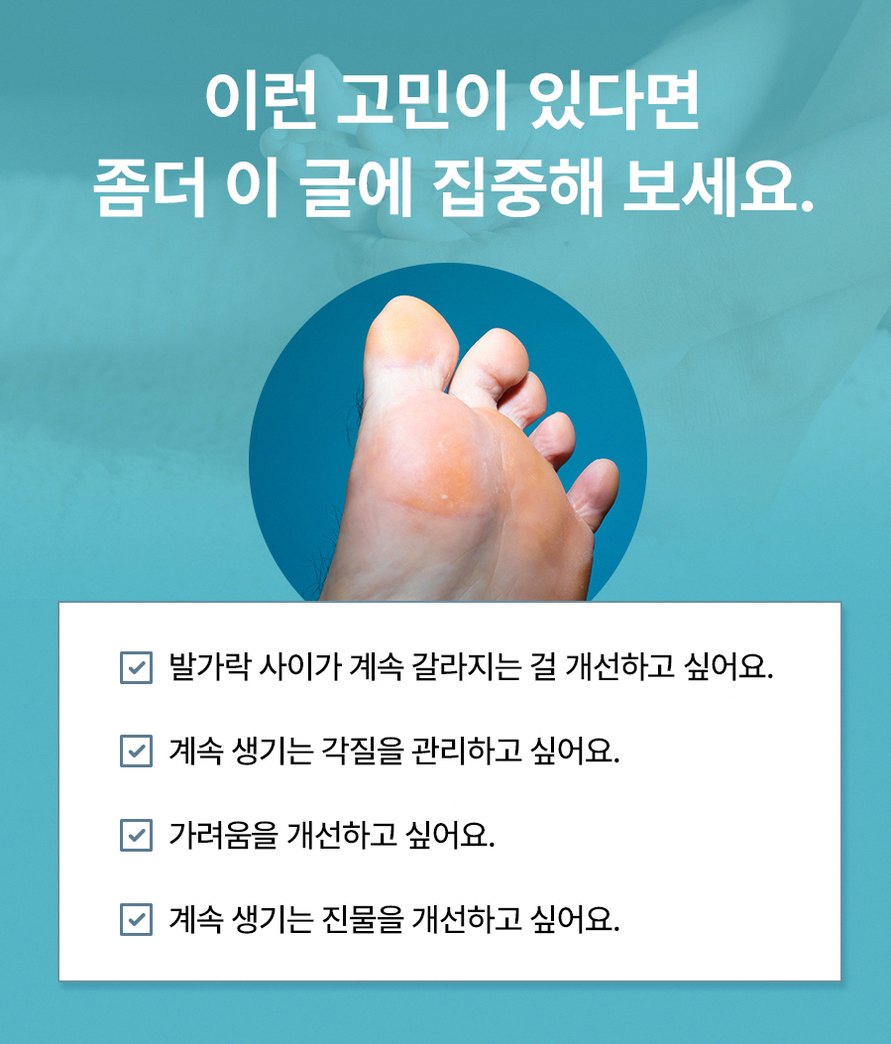
Sweaty feet: Some people naturally sweat more, and exercise, rushing for trains, or walking long distances can make this worse.
Not drying feet properly: If you shower in the morning or after the gym and quickly put on socks without drying between the toes, moisture stays trapped.
Shared environments: Public showers, swimming pools, gyms, and saunas are common places where fungal spores can be picked up from floors or shared items.
Shared personal items: Using another person’s towels, socks, or slippers can spread the fungi.
Weakened immunity or chronic conditions: People with diabetes or reduced immune function are more prone to infections and may have more severe symptoms.
Because many office workers and students around Beomgye spend the whole day in closed shoes and frequently use public transport and nearby facilities, athlete’s foot is especially common in this lifestyle.
Main symptoms and types of athlete’s foot
Athlete’s foot does not look the same in everyone. Doctors often describe three main patterns: interdigital (between the toes), moccasin type (on the soles), and vesicular type (with blisters).
Interdigital type (between the toes)
This is the most common form. It usually appears between the fourth and fifth toes or between other toes.
Typical signs include:
Intense itching or burning between the toes
White, soggy, peeling skin that may look macerated
Redness and small cracks or fissures
Unpleasant odor
When the skin cracks, it can be painful to walk and can allow bacteria to enter, leading to redness, swelling, or even pus.
Moccasin type (on the soles)
In this type, the entire sole or sides of the foot may be involved, sometimes both feet.
Common features:
Dry, thick, scaly skin that may look like you are wearing a “moccasin” of dry skin
Mild itching or tightness rather than sharp pain
Fine powdery scaling on the heels and sides of the feet
Because it can look like simple dry skin, many people do not realize it is a fungal infection and try only moisturizers, which are not enough.
Vesicular type (with blisters)
This type is less common but can be very uncomfortable.
Typical signs:
Small fluid-filled blisters on the arch or sides of the foot
Itching, burning, or stinging
Sometimes sudden onset after exposure to warm, moist environments
The blisters can break and leave sore, raw areas that are vulnerable to infection.
Toenail involvement (onychomycosis)
Long-standing athlete’s foot can spread to the toenails. Signs that your nails may be infected include:
Thickened nails that are difficult to trim
Yellow, brown, or white discoloration
Brittle or crumbly nails
Nails separating from the nail bed in severe cases
Toenail fungus usually requires longer treatment, often with oral antifungal medication, and should be evaluated by a doctor.
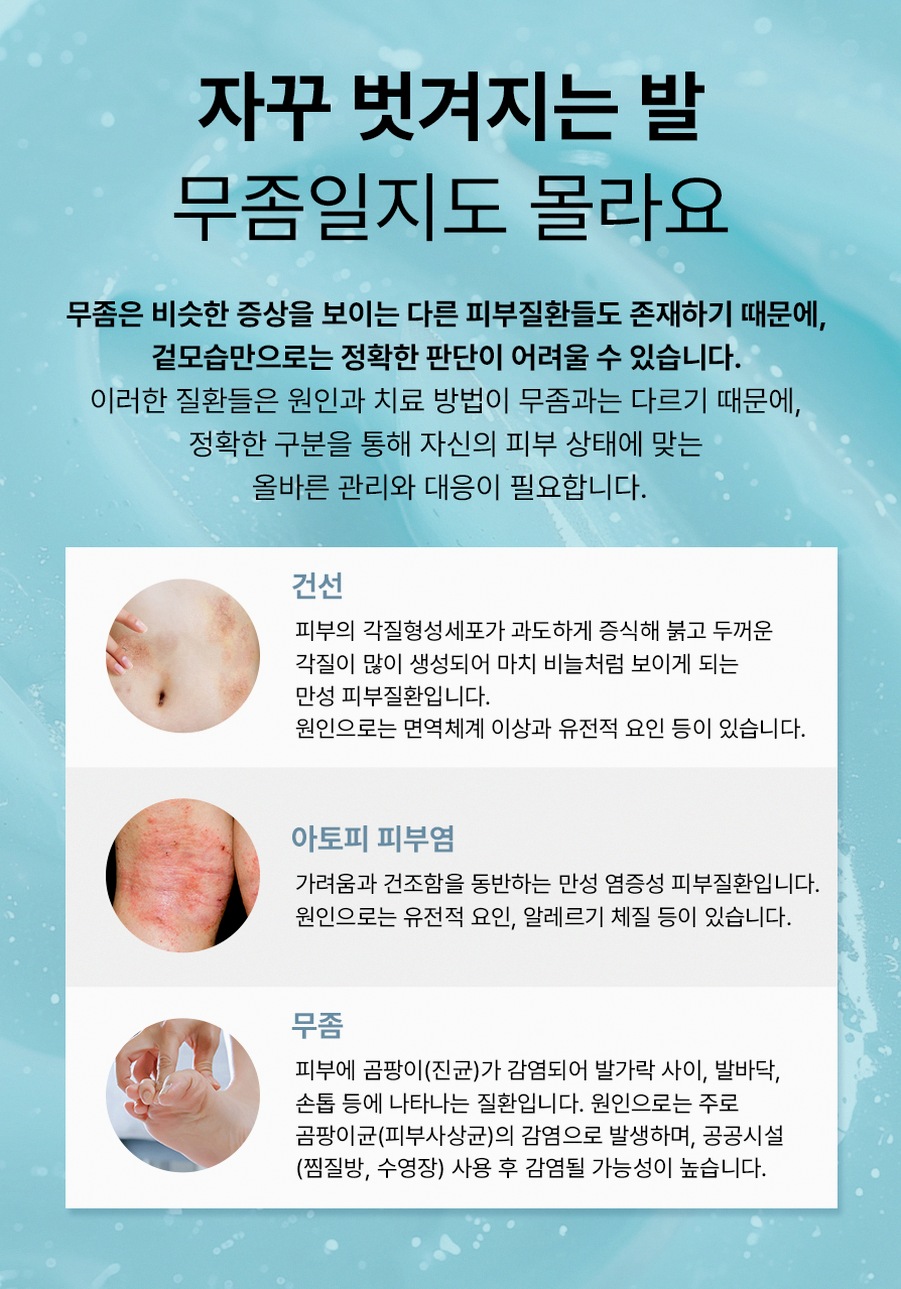
How to distinguish athlete’s foot from dry skin or eczema
Many people search online images and try to match their own feet, but several conditions can look similar.
Dry skin
Dry skin is usually:
More generalized, without clear borders
Less itchy, or only mildly itchy
Improved significantly with regular use of moisturizers
Athlete’s foot, in contrast, often has more intense itching, especially after removing shoes, and tends to affect specific areas such as between the toes or a defined area on the sole.
Eczema or contact dermatitis
Eczema or irritation from shoes, socks, or detergents can cause:
Red, inflamed patches
Small bumps or blisters
Itching that may affect other areas of the body as well
These conditions are not caused by fungi and are usually treated with different medications such as topical steroids or barrier creams. Using steroid cream on a fungal infection without antifungal medication can temporarily reduce redness but allow the fungus to spread more deeply.
Because self-diagnosis can be misleading, especially when relying on photos, a proper examination in a clinic is often the safest way to confirm the cause and choose the right treatment.
When to see a doctor near Beomgye
Not every mild itch requires an urgent visit, but certain situations make professional evaluation important.
You should consider seeing a doctor if:
Itching or burning persists for more than two to three weeks despite over-the-counter creams
The skin is cracked, painful, or bleeding
Redness is spreading, the area is warm or swollen, or you see pus (signs of possible bacterial infection)
You have repeated recurrences several times a year
Your toenails are thick, discolored, or brittle
You have diabetes, poor circulation, or a weakened immune system
The rash is spreading to other parts of the body such as the hands or groin
For people commuting through Beomgye Station, a clinic within walking distance allows you to combine a short visit with your daily routine instead of delaying care.
How athlete’s foot is diagnosed in a clinic
For international patients, it can be reassuring to know what to expect during a visit.
Medical history and symptom check
The doctor will usually start by asking:
When your symptoms began and how they have changed
What treatments you have already tried (creams, sprays, home remedies)
Whether anyone in your household has similar symptoms
Your work and shoe habits (for example, safety shoes, long hours in sneakers)
Any underlying health conditions such as diabetes or immune problems
Foot examination
Next, the doctor will examine:
The skin between your toes
The soles, sides, and heels of your feet
Your toenails
They will look for typical patterns of fungal infection, signs of secondary bacterial infection, and any involvement of the nails.
Simple skin test if needed
If the diagnosis is not completely clear, the doctor may gently scrape a small amount of skin from the affected area and examine it under a microscope. This quick test can confirm the presence of fungal elements.
This step helps avoid unnecessary or ineffective treatments and ensures that the chosen medication targets the real cause of your symptoms.
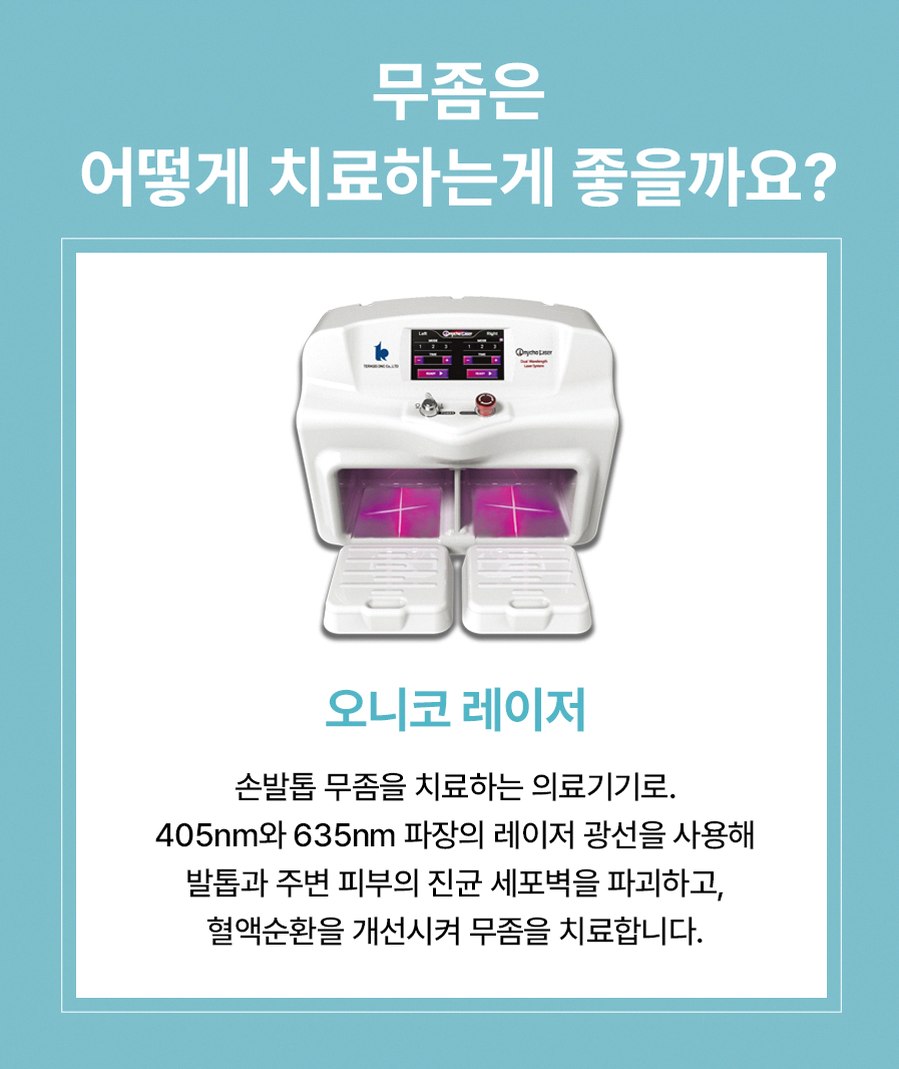
Treatment options for athlete’s foot
Treatment is tailored to the severity, location, and duration of your infection, as well as your general health. It usually involves a combination of medication and lifestyle changes.
Topical antifungal medications
For many cases, creams, gels, sprays, or solutions applied directly to the affected skin are sufficient.
Key points:
They are usually applied once or twice a day.
Treatment often continues for at least two to four weeks, sometimes longer.
You may need to continue for a period even after symptoms improve, to reduce the risk of recurrence.
The doctor will explain how much to apply, how far beyond the visible rash to treat, and for how long.
Oral antifungal medications
Tablets or capsules may be recommended when:
The infection is extensive or has not responded to topical treatment
Both feet and multiple areas are involved
Toenails are infected
You have frequent recurrences
Before prescribing oral medication, the doctor will consider your medical history, other medications you take, and, if necessary, may recommend blood tests to check liver function, depending on the specific drug and duration.
Management of complications
If the skin is cracked and bacteria have entered, you may have:
Redness spreading beyond the original rash
Swelling, warmth, or tenderness
Pus or oozing
In such cases, additional treatment such as antibiotics or antiseptic care may be needed. The doctor will guide you on how to protect the area, when to return for review, and what warning signs to watch for.
How long treatment usually takes
Many people expect athlete’s foot to clear in a few days, but it often requires more time.
For mild skin-only infections, noticeable improvement can appear within one to two weeks, but treatment may need to continue for two to four weeks or more.
For moccasin-type or long-standing infections, several weeks of consistent treatment are often necessary.
For toenail involvement, treatment can take several months, especially if oral medication is needed.
Following the full recommended course, even after symptoms improve, is important to reduce the chance of the infection returning.
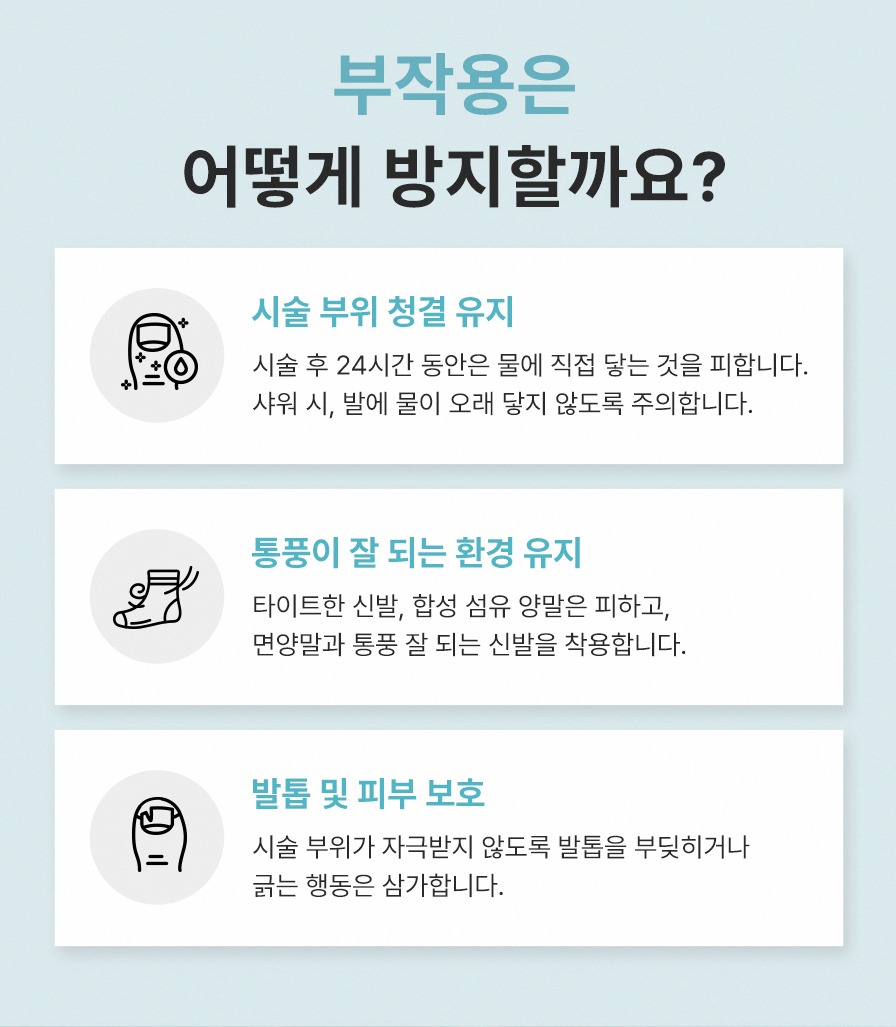
Daily care and prevention tips
Medication works best when combined with good daily habits. These steps are especially relevant if you are active around Beomgye Station and use public facilities.
Keep feet clean and dry
Wash your feet daily with mild soap and lukewarm water.
Dry thoroughly, especially between the toes, using a clean towel.
If you tend to sweat a lot, consider using an antifungal powder or spray as advised by your doctor.
Manage socks and shoes
Change socks at least once a day, more often if your feet become damp.
Choose breathable materials such as cotton or moisture-wicking sports socks.
Rotate shoes so each pair has time to dry completely between uses.
Avoid wearing the same pair of shoes every day if possible.
Protect yourself in public spaces
Wear slippers or sandals in public showers, gyms, swimming pools, and saunas.
Avoid walking barefoot on locker room floors.
Do not share towels, socks, or shoes with others.
For frequent recurrences
If you experience athlete’s foot repeatedly, discuss with a doctor whether intermittent preventive use of antifungal products is appropriate for you. This might mean using a cream or powder for a short period after symptoms resolve, especially during hot weather or heavy exercise periods.
Example of a structured care approach near Beomgye Station
Some clinics around Beomgye are known for a systematic approach to skin-focused care. Lamar Premier Clinic, located in Dongan-gu, Anyang, within walking distance (about 160 meters) of Beomgye Station on Line 4, is one example.
The clinic is led by a specialist in anesthesiology and pain medicine (representative director Choi Wonjin) and offers a wide range of lifting, anti-aging, and skin laser treatments, with more than 14 types of devices for different skin concerns. The clinic's range of equipment and its stated 6-step treatment process support a structured approach to assessment and care.
The clinic’s general 6-step standard procedure for skin care (consultation, cleansing, scaling, treatment, mask pack, finishing) reflects this organized style. For athlete’s foot, a similar structured flow can be applied:
Initial consultation and examination: Review of symptoms, lifestyle, and medical history, plus a detailed look at the feet and nails.
Explanation of diagnosis and plan: Clear discussion of whether the problem is fungal, eczematous, or mixed, and what this means for treatment.
Prescription of topical or oral antifungals: Selection of medication and duration based on your specific condition.
Guidance on foot hygiene and lifestyle: Practical advice on socks, shoes, and daily routines tailored to your work and commute.
Follow-up visits: Short review appointments to check improvement, adjust treatment if needed, and discuss prevention.
For international patients staying near Beomgye, this kind of structured approach can be convenient to fit into a short stay.
Who may consider athlete’s foot care during a Korea visit
You may consider scheduling a visit for athlete’s foot assessment and treatment while in Korea if:
You already suspect athlete’s foot and want a clear diagnosis.
Your symptoms have not improved with over-the-counter creams.
You are planning to stay near Beomgye Station for study, work, or travel and want to address the problem efficiently.
You also have other skin concerns and prefer to manage them together in a skin-focused clinic.

Online consultation and pre-visit preparation
Before traveling, many international patients find it helpful to arrange an online consultation or send basic information to the clinic.
To prepare, you can:
Note your symptoms: When they started, which areas are affected, and what makes them better or worse.
List previous treatments: Names of creams or tablets you have used and how long you used them.
Take clear photos: If possible, take photos of the soles, between the toes, and the toenails in good lighting to share during an online consultation.
Prepare medical history: Include any chronic illnesses (especially diabetes or immune conditions) and current medications.
During an online consultation, you can ask about:
Expected number of visits during your stay
Whether any tests are likely
Approximate treatment duration and aftercare
Any precautions related to your other health conditions
Expected Korea visit timeline for athlete’s foot
Although exact schedules vary, a typical short-stay plan might look like this:
Day 1: In-person consultation and examination, possible simple skin test, and start of treatment with topical or oral medication.
Day 7–10 (optional, depending on severity and stay length): Follow-up visit to check response, adjust medication if needed, and reinforce prevention advice.
Longer stays: If you are in Korea for several weeks or months, additional follow-up visits can be scheduled to monitor progress, especially for nail involvement.
After you return home, you can usually continue the prescribed regimen and, if necessary, arrange online follow-up to discuss your progress.
Aftercare and long-term prevention
After the main symptoms improve, it is important not to stop care abruptly.
Continue medication for the full recommended period, even if itching and redness have mostly disappeared.
Maintain good foot hygiene and shoe management habits.
Monitor your feet regularly, especially between the toes and on the soles, for early signs of recurrence.
If you notice changes in your toenails, seek medical advice rather than waiting for them to “grow out” on their own.
Frequently asked questions
How long does athlete’s foot treatment usually take?
For mild cases limited to the skin, you may notice improvement within one to two weeks, but treatment often needs to continue for at least two to four weeks to reduce recurrence. Moccasin-type infections and those that have lasted for months can require longer. If the toenails are involved, treatment may extend over several months, especially if oral antifungal medication is used.
Can athlete’s foot go away on its own without treatment?
In some people, mild symptoms may temporarily improve, especially if the weather becomes cooler or if shoe habits change. However, the fungus often remains on the skin and can flare up again. Without proper treatment, the infection may spread, become chronic, or involve the toenails. For this reason, medical treatment is generally recommended rather than waiting for it to disappear on its own.
Is over-the-counter cream enough, or should I see a doctor?
Over-the-counter antifungal creams can help in early, mild cases if used correctly and consistently. However, many people stop too soon or use the wrong product, leading to repeated recurrences. You should see a doctor if symptoms persist after two to three weeks of self-treatment, if the infection is widespread or painful, if your toenails are affected, or if you have underlying health conditions such as diabetes.
Can athlete’s foot spread to family members or other parts of the body?
Yes. The fungi that cause athlete’s foot can spread through shared towels, socks, shoes, and floors, especially in bathrooms and showers. They can also spread to other parts of your own body, such as the hands or groin, through scratching or contact with contaminated items. Good hygiene, not sharing personal items, and timely treatment all help reduce the risk of spreading the infection.
What should I do if my toenails are thick and discolored too?
Thick, discolored, or brittle toenails often indicate toenail fungus, which usually requires longer and sometimes different treatment than skin-only athlete’s foot. A doctor can examine your nails and may recommend oral antifungal medication, topical nail treatments, or a combination. Because nail treatment can take months, it is helpful to start as early as possible and follow the plan consistently.
Soft call to action for online consultation
If you are planning a stay near Beomgye Station and are concerned about persistent itching, peeling, or nail changes, it may be easier to address athlete’s foot while you are already in Korea. Clinics such as Lamar Premier Clinic in Dongan-gu, Anyang, can provide structured, skin-focused care within a short walk of the station, making it practical to fit treatment into a busy schedule.
You can begin by arranging an online consultation, sharing your symptoms and photos, and discussing a realistic treatment plan that matches the length of your visit. With early, appropriate care and simple daily habits, athlete’s foot can usually be managed effectively so that it interferes less with your work, travel, and everyday life.
- 공유 링크 만들기
- X
- 이메일
- 기타 앱


댓글
댓글 쓰기