Beomgye Rejuran: who it's for, sessions & recovery
- 공유 링크 만들기
- X
- 이메일
- 기타 앱
Direct answer summary
If you are searching for Beomgye Rejuran, you are likely looking for a skin booster injection marketed to support skin regeneration rather than adding volume. Rejuran is marketed as using polynucleotides (PN) and is commonly used to target fine lines, rough texture, enlarged pores, and tired-looking skin. Some clinics around Beomgye Station offer Rejuran; confirm availability and suitability with Lamar Premier Clinic or other local clinics, and ask whether it is offered alongside lifting or laser treatments.
This guide explains what Rejuran is, who it may suit, how a typical session is performed, what kind of schedule and downtime to expect, and how it can be integrated into a broader anti-aging plan during a visit to Korea.
What Rejuran is and how it works
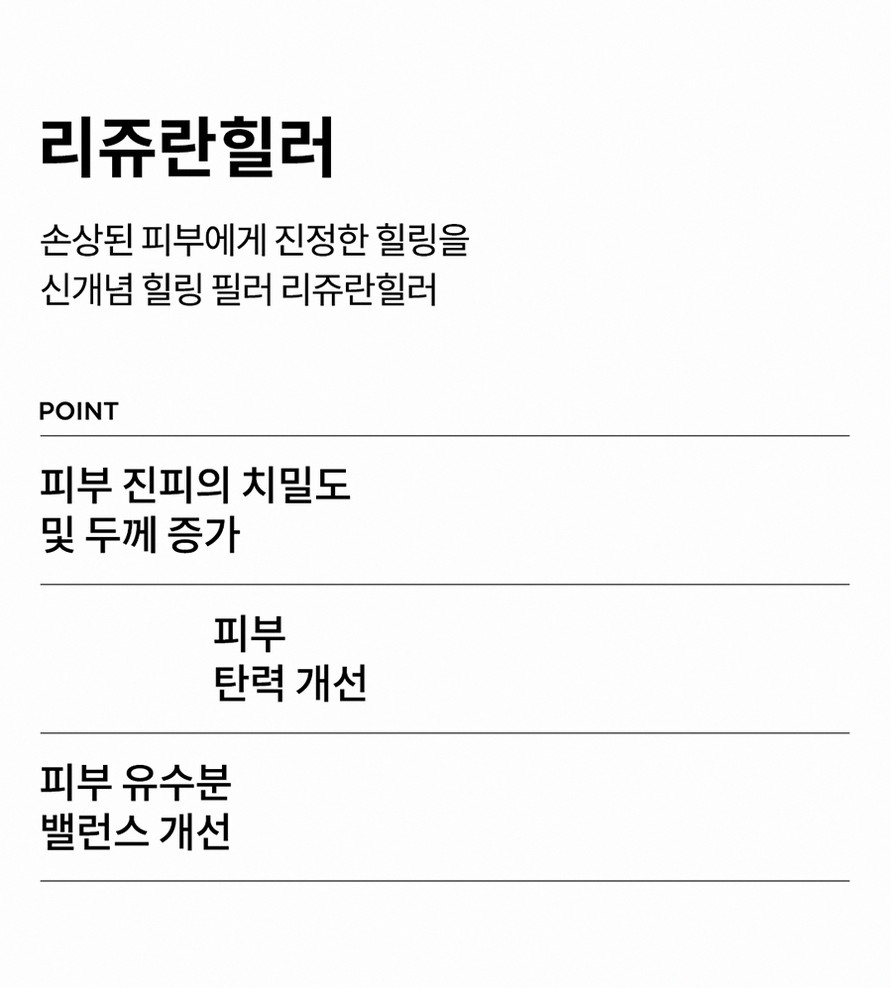
Rejuran is marketed as an injectable skin booster containing polynucleotides (PN). Manufacturers and clinics describe it as intended to support the skin's regenerative processes over time, distinguishing it from hyaluronic acid–based boosters that mainly focus on hydration and an immediate dewy look. For verified details on composition, mechanism, and expected results, check product documentation or consult your clinic.
As a result, Rejuran is often used to address concerns such as fine wrinkles, loss of elasticity, uneven texture, enlarged pores, and dull or tired-looking skin.
How Rejuran differs from other skin boosters
Rejuran versus hyaluronic acid water-glow injections
Hyaluronic acid skin boosters focus on attracting and holding water in the skin, giving a plumper and more hydrated appearance. They can be helpful for dryness and superficial fine lines.
Rejuran, by contrast, is not primarily a water-binding filler. Its goal is to support regeneration in the deeper layers of the skin. While some people also feel their skin becomes more supple and hydrated over time, the main focus is on texture, elasticity, and overall quality.
Rejuran versus fillers
Fillers are usually used to add volume or contour specific areas such as the cheeks, nasolabial folds, or lips. They are placed in targeted planes to lift or shape.
Rejuran is not a shaping or contouring injection. It is typically injected in small amounts across wider areas of the face or specific problem zones to support the skin itself rather than change facial structure.
Rejuran versus device-based lifting
Ultrasound and radiofrequency lifting devices use energy to heat deeper layers of the skin and supporting tissues, encouraging tightening and collagen remodeling.
Rejuran does not use energy-based heating. Instead, it is injected directly into the skin. In some cases, both approaches can be combined: lifting devices to address sagging and facial contour, and Rejuran to improve the quality of the skin surface, pores, and fine lines.
Who may consider Rejuran near Beomgye Station
People around the Beomgye area, or international visitors planning to stay nearby, might consider Rejuran if they have one or more of the following concerns:
Mild to moderate fine lines, especially around the eyes, cheeks, or mouth
Early signs of loss of elasticity and firmness
Rough or uneven skin texture, including mild acne scarring
Enlarged pores and dull, tired-looking skin
Desire for natural-looking improvement without obvious volume changes
Rejuran is often considered by adults in their late 20s and above, but the appropriate age range depends on individual skin condition rather than age alone. Some people in their 30s or 40s choose it as part of a preventive or early anti-aging strategy; others with more advanced aging or scarring may use it in combination with other treatments.
People who prefer subtle, gradual changes rather than a sudden, noticeable alteration in appearance often find the concept of Rejuran appealing. It is typically not a one-time “big change” procedure, but part of a series of sessions and a longer-term skin management plan.
However, Rejuran is not suitable for everyone. People with certain medical conditions, skin infections, or specific allergies, as well as those who are pregnant or breastfeeding, may be advised to postpone or avoid treatment. A direct consultation with medical staff is always necessary to determine suitability.
Typical Rejuran procedure flow in a structured clinic setting
Clinics around Beomgye Station that focus on systematic skin care often follow a multi-step process. While details vary, a typical Rejuran session may include the following stages.
- Consultation and assessment
- You meet with medical staff to discuss your concerns, medical history, medications, and previous procedures. The skin is examined for texture, elasticity, pores, pigmentation, and redness. In a clinic like Lamar Premier Clinic, which offers various lifting and laser devices, this step is also used to decide whether Rejuran alone is appropriate or whether it should be combined with other treatments.
- Cleansing and basic preparation
- Makeup and sunscreen are removed thoroughly. The skin is cleansed to reduce surface oil and impurities. In some cases, gentle scaling or basic exfoliation may be performed to prepare the skin, depending on the clinic’s protocol and your skin sensitivity.
- Topical anesthesia
- A numbing cream is usually applied to the treatment area and left on for a set period of time to reduce discomfort during the injections. The duration can vary, but many clinics allow enough time for the cream to take effect before proceeding.
- Rejuran micro-injection
- The Rejuran solution is injected into the skin using a fine needle or, in some clinics, an injector device. Small amounts are placed at multiple points across the target area, such as the full face, specific zones like the cheeks or under-eye area, or other regions as planned.
During this step, you may feel mild stinging or pressure. Some clinics adjust the depth and spacing of injections according to skin thickness and the degree of damage in different areas.
- Soothing and mask care
- After the injections, the skin is often slightly red and bumpy where the solution was placed. To calm the skin, clinics may apply a soothing mask pack, cooling care, or light regeneration-focused products. This step can help with comfort and initial recovery.
- Finishing care and instructions
- Finally, a light moisturizer and sun protection may be applied. Medical staff will explain aftercare instructions, expected short-term reactions, and the recommended schedule for follow-up sessions. If you are combining Rejuran with other treatments, the overall plan and timing are usually reviewed at this stage.
Expected course, sessions, and timeline
Number of sessions
Rejuran is usually planned as a series rather than a single session. Many protocols suggest multiple sessions spaced a few weeks apart. The exact number of sessions and interval depend on factors such as age, skin condition, and whether you are combining other procedures.
Some people choose a more intensive initial series, followed by maintenance sessions at longer intervals. Others may integrate Rejuran into a broader, rotating program of skin management that also includes lasers or lifting devices.
Onset and progression of changes
Because Rejuran works by supporting the skin’s own regeneration, changes tend to appear gradually. In the days immediately after treatment, the most noticeable effects are usually temporary injection marks and mild swelling rather than improvement.
Over the following weeks, some people report that their skin feels smoother and more supple, with gradual improvement in fine lines and texture. Pores and overall tone may also appear more refined over time. However, the degree and speed of change vary widely from person to person.
Duration of effects
How long the effects of Rejuran last depends on individual skin, lifestyle, sun exposure, and other treatments. Some people choose periodic maintenance sessions to support ongoing skin quality. It is important not to expect permanent or identical results for everyone; Rejuran is one tool among many in long-term skin care.
Downtime, aftercare, and precautions
Immediate reactions
Right after Rejuran injections, it is common to see and feel small bumps at the injection points. These are sometimes described as “mosquito bite-like” elevations and are a normal result of the solution sitting within the skin.
Mild redness, swelling, or a sensation of tightness can also occur. In some cases, small bruises appear, especially in areas where blood vessels are more superficial. These temporary reactions usually settle over several hours to a few days, but the exact timeline varies.
Basic aftercare
Typical aftercare instructions may include:
Avoiding heavy makeup on the day of treatment, or until medical staff advise it is safe
Using gentle, non-irritating cleansers and moisturizers
Applying broad-spectrum sun protection daily and avoiding excessive sun exposure
Avoiding harsh exfoliating products, strong acids, or retinoids for a short period
Not rubbing or massaging the treated area unless specifically instructed
Heat and activity precautions
You may be advised to avoid saunas, hot baths, intense exercise, or other activities that significantly raise body temperature for a short time after treatment. This is to minimize additional swelling or irritation while the skin is settling.
Monitoring and follow-up
If you notice unusual pain, prolonged redness, significant swelling, or any symptoms that concern you, you should contact the clinic promptly. Follow-up appointments are used to evaluate how your skin is responding and to adjust the plan if needed.
Combining Rejuran with lifting and laser treatments
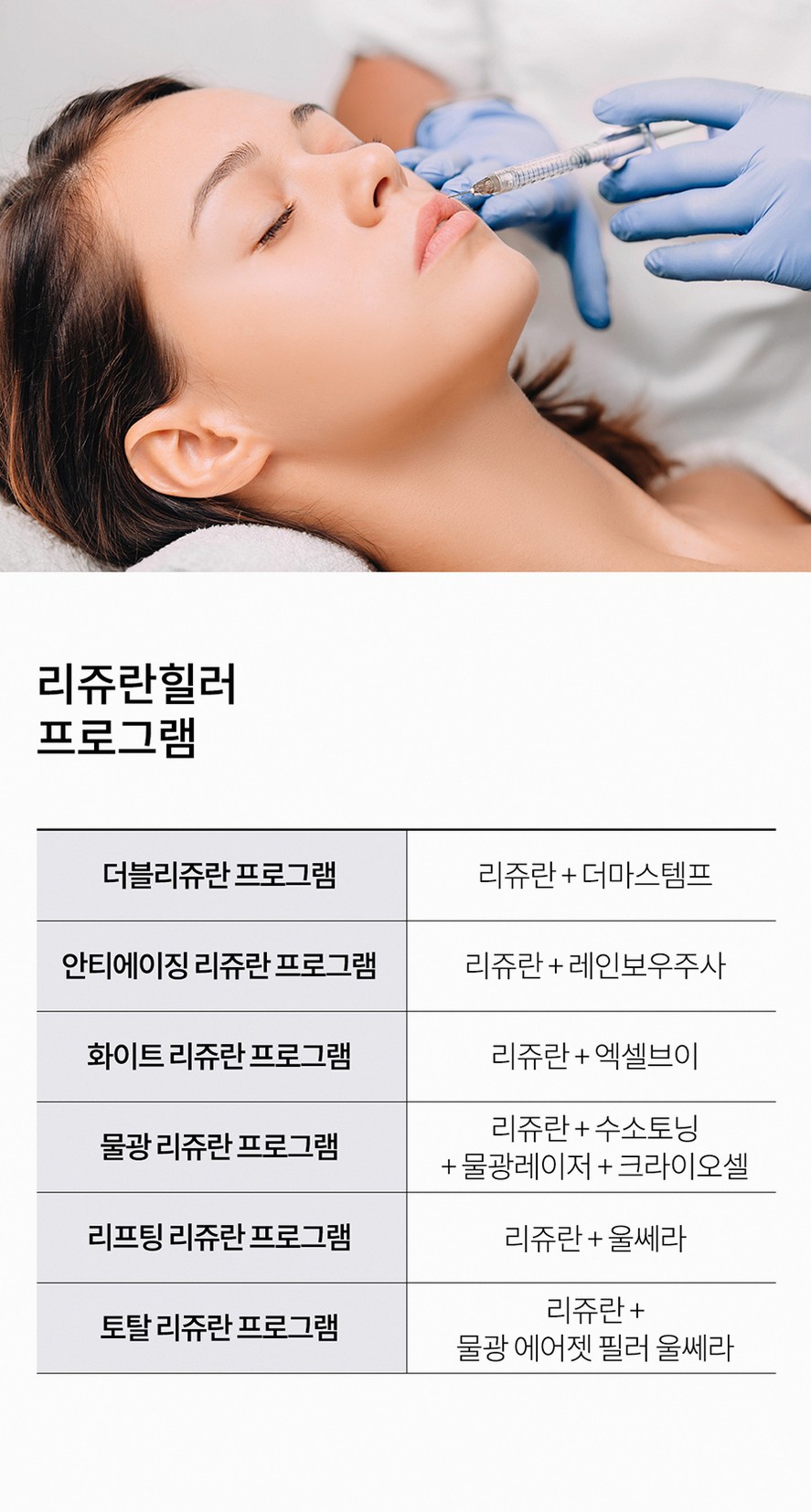
Because Rejuran focuses on skin quality and regeneration, it is often combined with other modalities in clinics that have a wide device lineup. Around Beomgye Station, some clinics use more than a dozen types of laser and energy-based devices, which allows for tailored programs.
Rejuran with lifting devices
Ultrasound or radiofrequency lifting can target deeper structures to address sagging and contour. Rejuran can then be used to support the superficial skin layer, improving texture and fine lines. The sequence and timing depend on your skin condition and the specific devices used.
Rejuran with pigment and redness care
If you have pigmentation or redness along with texture issues, lasers or light-based treatments may be used to address color, while Rejuran focuses on texture and elasticity. Some clinics emphasize cause-based and depth-based planning, choosing different devices according to whether the issue is superficial or deeper.

Rejuran with other skin boosters
In some cases, Rejuran may be combined with hyaluronic acid skin boosters or other injectables, depending on your goals. For example, someone might receive Rejuran for regeneration and a small amount of filler in specific areas for contour. These combinations require careful planning by medical staff to ensure safety and balance.
Customized planning and what to discuss before treatment
Before deciding on Rejuran, it is useful to have a clear discussion with the clinic about:
Your main priorities: fine lines, pores, pigmentation, sagging, or a combination
Your medical history, medications, allergies, and any previous reactions to procedures
Your schedule in Korea, including how many visits you can make and how much downtime you can accept
Your long-term skin care habits, such as sun protection and home care products
Clinics like Lamar Premier Clinic, located near Beomgye Station on Line 4 in Anyang, often integrate Rejuran into a broader anti-aging and body-contouring service lineup. If you are interested in both facial and body concerns, you can ask whether it is possible to coordinate sessions for face and body in a way that fits your travel schedule.
Online consultation and pre-visit preparation for overseas patients
For international patients planning a trip to Korea, an online consultation before arrival can make the process more efficient.
Information to prepare
To help the clinic understand your situation, you can prepare:
Clear, makeup-free photos of your face from the front and both sides, in good lighting
A brief summary of your main concerns and goals
A list of any previous procedures on the face or skin (for example, lasers, lifting devices, injectables)
A list of current medications, supplements, and known allergies
Any relevant medical history, such as autoimmune conditions, bleeding disorders, or pregnancy status
Questions to ask during online consultation
You may find it helpful to ask:
Whether Rejuran alone is recommended, or if a combination with lifting or laser is suggested
How many sessions are realistically possible within your travel dates
What kind of downtime you should expect, especially if you have business meetings or sightseeing planned
What aftercare products or precautions they recommend during your stay
Expected Korea visit timeline for Rejuran
Short visit (around 3–5 days)
If you have a short stay, you may be able to receive an initial consultation and one Rejuran session. The first day can be used for consultation and possibly treatment, with the following days for basic recovery. Mild bumps and redness are common in the first 1–2 days, so it is wise not to schedule important photo events immediately after.
Longer stay (around 2–4 weeks)
With a longer stay, it may be possible to have two sessions spaced a couple of weeks apart, depending on medical advice. You could also combine Rejuran with certain laser or lifting procedures, if suitable. The exact schedule needs to be customized based on your skin and the clinic’s protocol.
Repeat visits to Korea
Some international patients plan to return to Korea periodically for maintenance. If this is your case, you can discuss a long-term plan that fits your likely visit frequency, such as once or twice a year, while maintaining daily care at home.
Aftercare during and after your trip
During your stay in Korea, follow the clinic’s instructions carefully, including sun protection and gentle skin care. If you will be flying soon after treatment, inform the clinic so they can advise you on timing and precautions.
Once you return home, it is important to continue basic protective habits, such as using sunscreen and avoiding harsh products until your skin is stable. If you plan to have additional procedures in your home country, inform your local provider about your Rejuran sessions and provide dates and details.
Frequently asked questions about Beomgye Rejuran
Is Rejuran very painful?
Most people describe Rejuran as mildly to moderately uncomfortable rather than severely painful. Topical numbing cream is usually applied before the injections, which helps reduce the sensation. During the procedure, you may feel brief stinging or pressure at each injection point. Sensitivity varies between individuals and between different areas of the face. If you are particularly sensitive, you can discuss pain management options with the medical staff in advance.
How many Rejuran sessions will I need?
There is no single number that fits everyone. Many treatment plans involve several sessions spaced a few weeks apart, followed by possible maintenance at longer intervals. The exact number depends on your age, skin condition, goals, and whether you are combining other treatments. During consultation, the clinic can suggest a tentative plan, but it may be adjusted based on how your skin responds.
Can I combine Rejuran with other procedures during one trip to Korea?
In many cases, Rejuran can be combined with other treatments such as lifting devices or lasers, but the specific combination and timing must be decided by medical staff after assessing your skin and health. Some procedures may be done on the same day, while others are better spaced out. It is important to share your full plan and travel schedule so the clinic can design a safe and realistic sequence.
Who should avoid Rejuran treatment?
People with active skin infections in the treatment area, certain uncontrolled medical conditions, or known allergies to components of the product may be advised to avoid Rejuran. Those who are pregnant or breastfeeding are often recommended to postpone elective aesthetic procedures in general. Only a direct consultation with qualified medical staff, including a review of your medical history and current health, can determine whether Rejuran is appropriate for you.
How long is the downtime after Rejuran?
Most people experience visible small bumps and mild redness for a short period after treatment. These usually soften and become less noticeable over the next hours to a few days, but the exact duration differs by individual and by area. Light daily activities are often possible soon after, but you may wish to avoid important social events immediately following treatment. Your clinic can give more specific guidance based on your skin and the injection technique used.
Soft call to action for online consultation
If you are considering Beomgye Rejuran as part of your skin improvement or anti-aging plan during a visit to Korea, an online consultation can help you understand whether it suits your skin, how many sessions might be realistic within your schedule, and whether it should be combined with lifting or laser treatments.
Before you finalize your travel plans, you can contact the clinic for an online assessment, share your concerns and photos, and discuss a tentative treatment schedule that matches your stay.
Please remember that all aesthetic procedures, including Rejuran, involve individual variation in response and potential side effects. The information in this guide is for general understanding only and does not replace a personal consultation with medical staff. Always discuss your specific situation, expectations, and medical history directly with a qualified professional before making any treatment decisions.
- 공유 링크 만들기
- X
- 이메일
- 기타 앱


댓글
댓글 쓰기