Beomgye Station thread lifting options for international patients
- 공유 링크 만들기
- X
- 이메일
- 기타 앱
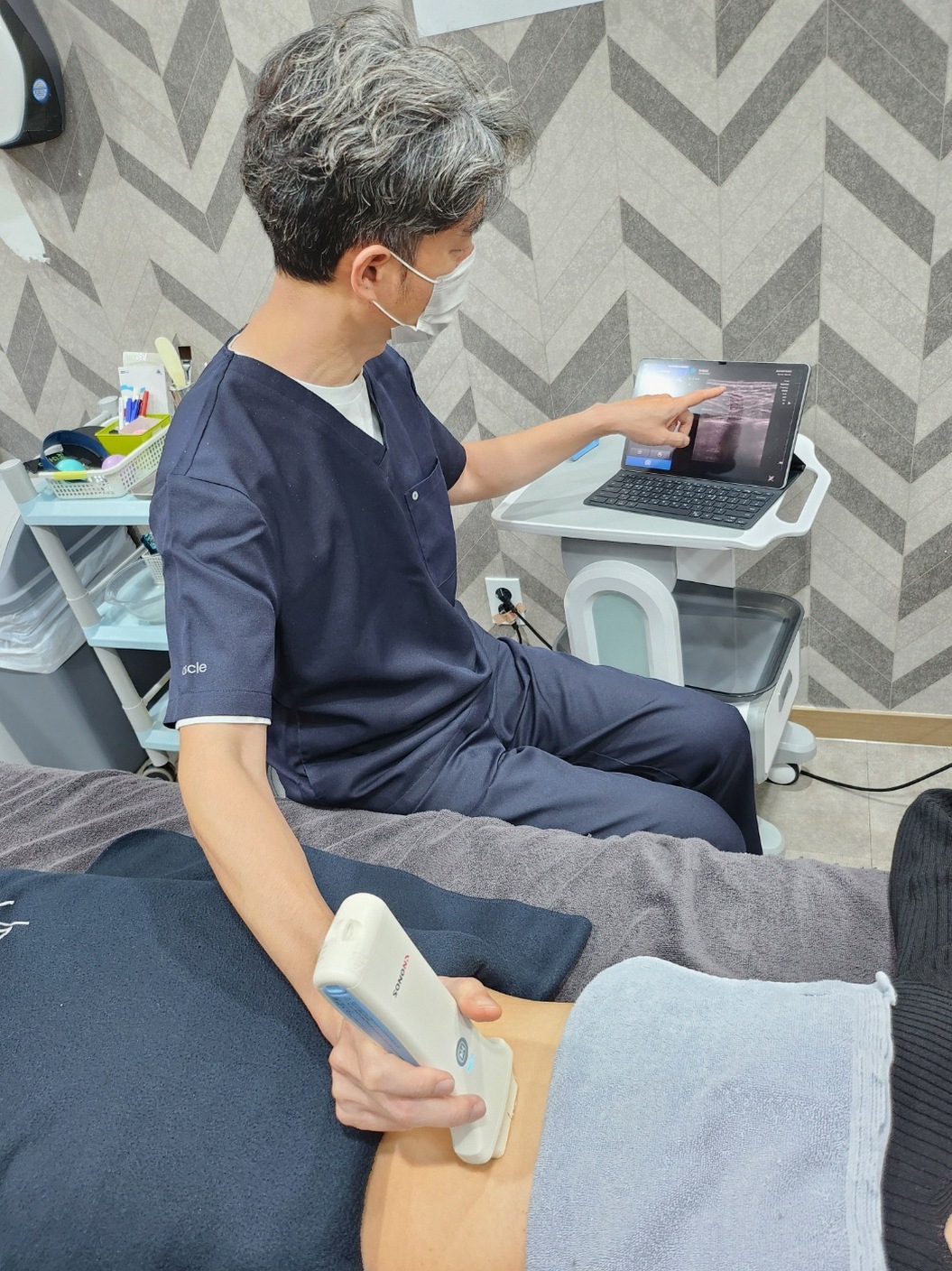
Direct answer summary
Search for Beomgye Station thread lifting if you want a minimally invasive option near Line 4; several clinics in Dongan‑gu, Anyang are within a short walk of the station. Thread lifting involves fine absorbable threads inserted under the skin to lift sagging areas and can require less downtime than surgery. Lamar Premier Clinic, located about 160 meters from Beomgye Station, offers thread lifting alongside ultrasound, RF, and laser lifting so treatment plans can be tailored after a medical consultation rather than relying on a single method.
Treatment overview: what is thread lifting?
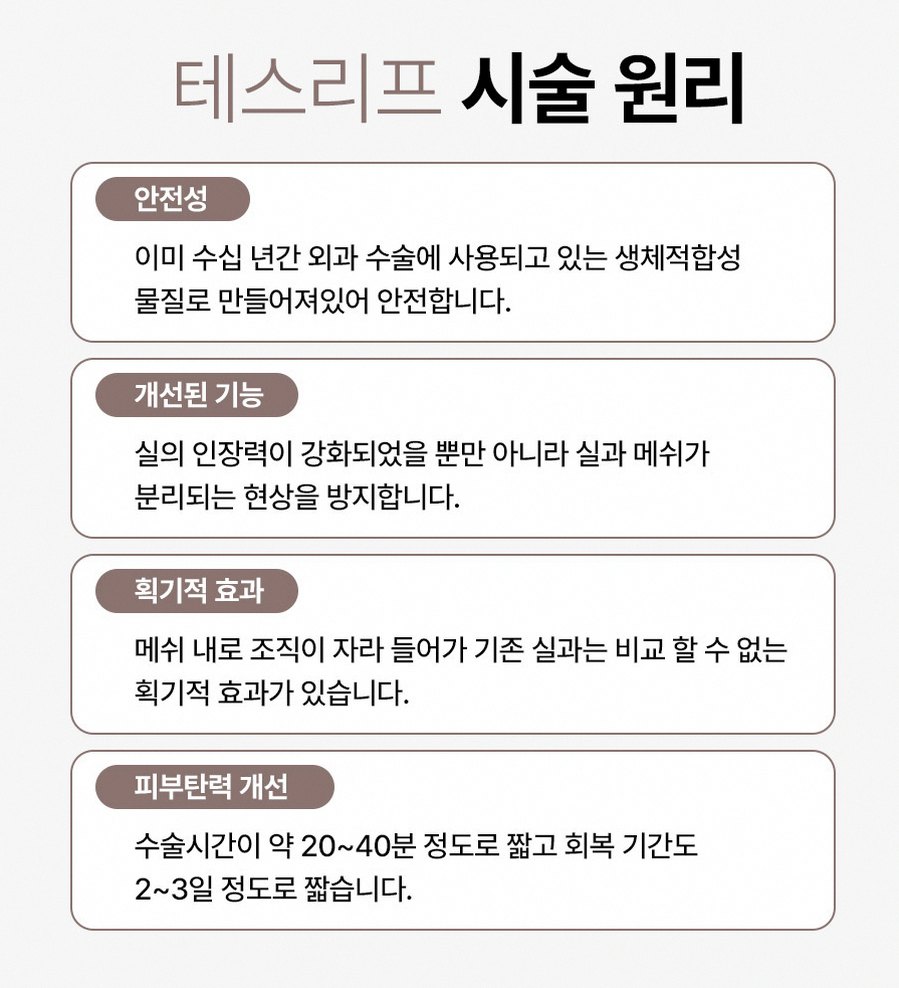
Thread lifting is a minimally invasive facial lifting procedure that uses very thin, absorbable threads inserted under the skin. Threads are absorbable and designed to dissolve over time; discuss material specifics, potential risks, and safety with your treating physician.
During the procedure, the doctor places the threads along specific vectors under the skin. Tiny barbs, cones, or texture on the threads help to catch and reposition sagging tissue. This creates a mechanical lifting effect, especially around the jawline, cheeks, and lower face. As the threads remain in place, they can also stimulate collagen production in the surrounding tissue, which may help support the skin’s firmness over time.
Thread lifting is usually considered for mild to moderate sagging rather than very advanced laxity. It is less invasive than a surgical facelift, but it is still a medical procedure that requires proper diagnosis, planning, and technique.
Typical areas for thread lifting
Common treatment areas include the jawline and early jowls, where many people first notice a loss of definition. Threads can also be used around the nasolabial folds (smile lines), marionette lines, lower cheeks, and sometimes the midface to give a more lifted, refreshed contour.
Some patients focus on one main concern, such as sagging around the mouth, while others choose a more comprehensive lower face or midface lift plan. The exact design depends on your facial structure, skin thickness, and the degree of sagging.
How long results may last
The lifting effect from thread lifting is not permanent. The threads gradually dissolve, and the visible effect can soften over time. Many people experience an initial lifting effect followed by a period where collagen remodeling contributes to a more subtle, supportive improvement.
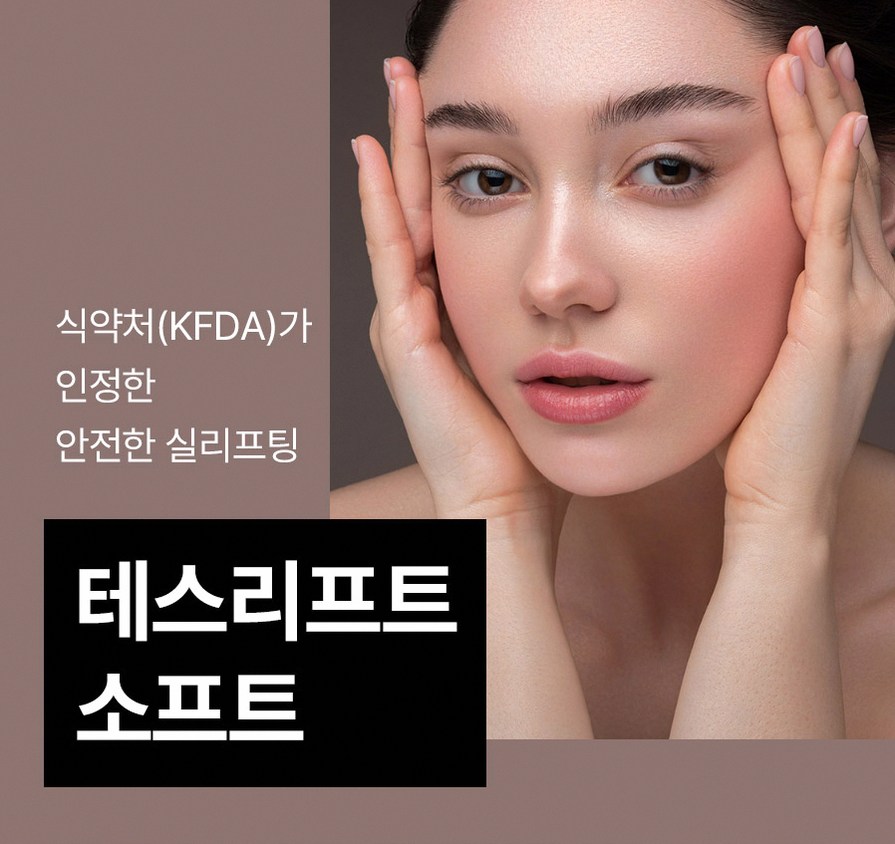
Duration varies widely depending on thread type, number and placement of threads, your skin quality, lifestyle, and how your body responds. Because of this, it is important to discuss realistic expectations and possible timelines directly with the treating doctor rather than relying on fixed promises.
Who may consider thread lifting near Beomgye Station
People living in or visiting Anyang and using Line 4 often look for lifting options that fit into a busy schedule. Thread lifting near Beomgye Station can be suitable in several situations.
You may consider a consultation for thread lifting if you notice early jowling or a softer jawline and want to improve definition without surgery. It can also be an option when sagging around the mouth and smile lines is not fully improved by skincare, simple laser toning, or basic facials.
Some people choose thread lifting because they want a noticeable lifting effect but prefer shorter downtime compared with surgical procedures. Others are interested in combining thread lifting with ultrasound or RF lifting for a more comprehensive anti-aging approach that addresses both deeper support and surface quality.
Thread lifting process near Beomgye Station
Although each clinic has its own protocol, the process around Beomgye Station generally follows several key steps: pre-consultation, planning, procedure, and aftercare.
Pre-consultation and facial analysis
Before any thread is placed, a face-to-face consultation is essential. The doctor will typically:
Assess your overall facial balance, including symmetry and proportions.
Check skin thickness and elasticity, since very thin or very heavy skin may respond differently.
Evaluate the degree and pattern of sagging, such as jowls, cheek descent, or deepening folds around the mouth.
Review your medical history, medications, allergies, and any bleeding tendency.
For international patients, an online pre-consultation can help you share photos and concerns in advance. However, final decisions about thread type and exact plan are usually made after in-person examination.
Planning the lifting design
Once your face has been assessed, the doctor designs a lifting plan. This involves choosing:
The type of threads to be used.
The number of threads and their insertion directions.
The main anchor points and lifting vectors.
Whether to combine thread lifting with device-based lifting such as ultrasound or RF, or with skin treatments like toning or vascular lasers.
Clinics near Beomgye Station that have a broad lifting lineup can tailor the plan to your needs instead of relying on one device. For example, if your main issue is lower face sagging with mild skin laxity, the focus may be on thread lifting plus ultrasound lifting. If you also have redness, pigmentation, or uneven texture, additional laser or needle RF treatments may be suggested in a staged plan.
Procedure outline
On the day of the procedure, the steps often include:
Cleansing and preparation of the treatment area to reduce surface impurities.
Marking of key lines and points on the face to guide thread placement.
Local anesthesia injections or numbing to keep you as comfortable as possible during the procedure.
Insertion of the threads through small entry points using fine cannulas or needles, followed by gentle adjustment to achieve the planned lift.
Immediate post-procedure cooling or soothing mask care to help with swelling and comfort.
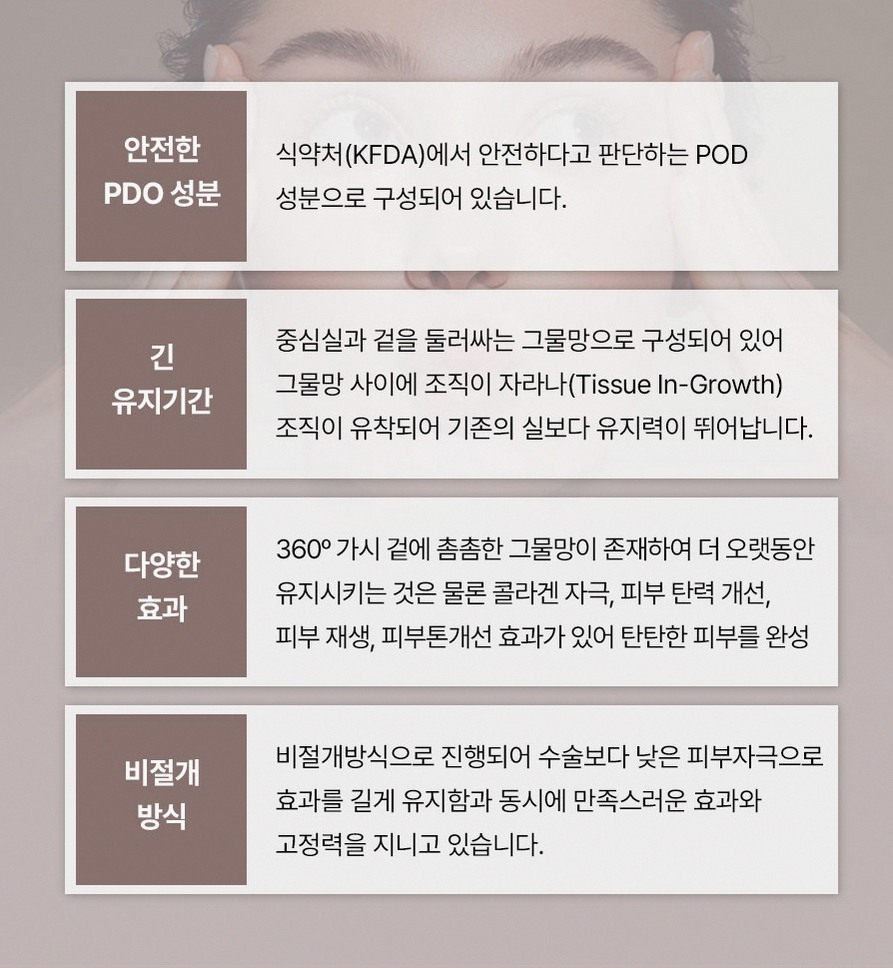
The procedure time can vary depending on the number of threads and whether combination treatments are done in the same visit. Many patients can leave the clinic on the same day and return to light activities relatively quickly, although some swelling and minor bruising are common.
Aftercare and recovery
After thread lifting, you can usually expect:
Temporary swelling, tightness, or mild discomfort in the treated areas.
Possible bruising along the thread paths or entry points.
A feeling of pulling or tightness when making certain facial expressions in the first days.
Doctors often recommend:
Sleeping on your back with your head slightly elevated for a period after the procedure.
Avoiding strong facial massage, pressing on the treated areas, or heavy exercise for a recommended time.
Being gentle when washing your face and applying skincare.
Attending follow-up visits so the doctor can check healing and answer questions.
Mild asymmetry or irregularity can appear in the early period due to swelling or tissue adjustment and often improves as healing progresses. However, you should contact the clinic promptly if you notice unusual pain, redness, or other concerning symptoms.
Combining thread lifting with other lifting and skin treatments
One of the advantages of choosing a clinic near Beomgye Station with a broad equipment lineup is the ability to combine thread lifting with other modalities.
Ultrasound lifting and RF lifting
Ultrasound lifting devices target deeper layers of tissue with focused ultrasound energy to stimulate tightening. RF (radiofrequency) lifting uses radiofrequency energy to heat the skin and deeper layers in a controlled way to encourage collagen production.
When combined with thread lifting, these treatments can support the deeper foundation and help maintain or enhance the lifting effect. For example, a plan might include ultrasound lifting for deeper tightening, thread lifting for mechanical repositioning of sagging tissue, and RF or needle RF for skin texture and pore improvement.
Laser lifting and skin lasers
Laser lifting can target superficial to mid-depth layers for mild tightening and tone improvement. Clinics with multiple devices may also have toning lasers for pigmentation, vascular lasers for redness and visible vessels, and other skin-focused technologies.
If you have both sagging and concerns like pigmentation or redness, a staged combination plan may be recommended. For example, thread lifting might be performed first, followed by pigment or redness-focused lasers after an appropriate healing period.
Importance of medical consultation for combination plans
While it can be tempting to choose treatments based on online reviews or social media, combination lifting plans should be decided after a thorough medical consultation. The doctor will consider your skin type, sensitivity, history of keloids or scarring, and how much downtime you can accept.
A cause-based approach looks at whether your main issue is laxity, volume loss, pigmentation, redness, or texture, and then builds a plan accordingly.
Safety, expectations, and who should be cautious
Thread lifting is less invasive than surgery, but it is not risk-free. Understanding safety and limitations is important, especially if you are traveling from overseas.
Possible side effects
Common temporary side effects include swelling, bruising, mild pain or discomfort, and a feeling of tightness. Some patients notice temporary dimpling, irregularity, or slight asymmetry as tissues settle.
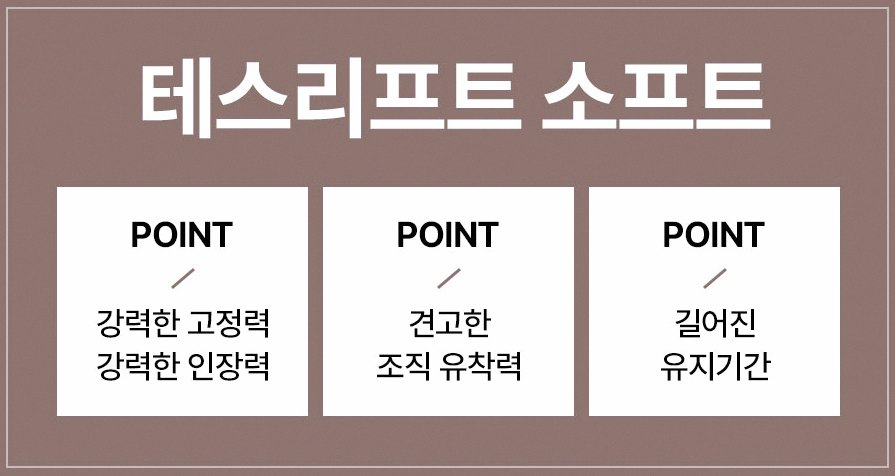
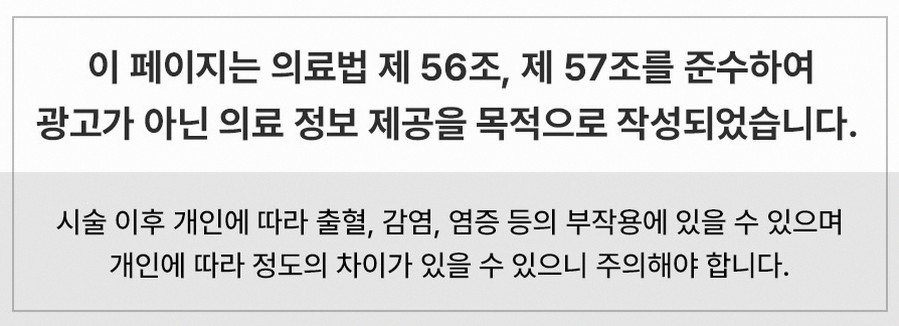
Less common but more serious complications can include infection, prolonged pain, visible threads, or more pronounced asymmetry. These risks underline the importance of choosing a clinic with proper medical protocols and attending follow-up visits.
Who should be cautious
People with very severe sagging or extremely thin, fragile skin may not be ideal candidates for thread lifting alone. In such cases, the doctor may recommend alternative or additional approaches.
You should also be cautious and discuss thoroughly with the doctor if you:
Have a bleeding disorder or are taking blood-thinning medications.
Have uncontrolled chronic illnesses.
Have a history of poor wound healing or problematic scarring.
Are pregnant or breastfeeding.
Always disclose your full medical history, medication list, and any previous facial procedures during consultation. This helps the doctor plan safely and realistically.
Why consider a clinic near Beomgye Station for thread lifting
For both local and international patients, location and system matter. A clinic near Beomgye Station on Line 4 offers convenient access from central Seoul and other parts of Gyeonggi-do, which is helpful if you need multiple visits.
Lifting and anti-aging focus
Clinics in this area that emphasize lifting and anti-aging often provide both device-based lifting and thread lifting. This allows for more tailored plans instead of a one-method-fits-all approach. When a clinic can combine ultrasound, RF, laser lifting, and threads, it can respond more flexibly to different degrees of sagging and skin conditions.
Systematic treatment process
Some clinics follow a structured process for treatments, which can include steps such as consultation, cleansing, scaling or basic skin preparation, treatment, soothing mask pack, and finishing care. For thread lifting, this systematic thinking extends to pre-procedure assessment, anesthesia planning, the procedure itself, and post-care instructions.
This kind of structure can be reassuring for international patients who may be concerned about hygiene, preparation, and aftercare in a foreign country.
Medical background and comfort
At Lamar Premier Clinic, the representative doctor, Choi Wonjin, MD, is a specialist in anesthesiology and pain medicine. This background can be relevant for planning anesthesia and monitoring comfort during procedures, including thread lifting and combination treatments.
In addition to face-focused lifting, some patients are interested in overall contouring. The availability of options such as fat extraction injections, liposuction for body and full-face, and diet programs in the same location can be convenient for those who want to address facial lines and body shape within one coordinated plan.
Online consultation and pre-visit preparation for overseas patients
If you are planning to travel to Korea for thread lifting near Beomgye Station, careful preparation will help you use your time efficiently and safely.
Online consultation steps
Before booking flights, consider:
Contacting the clinic through email or messaging to request an online consultation.
Sending clear photos of your face from the front and both sides in good lighting.
Describing your main concerns: for example, jowls, smile lines, or midface sagging.
Listing any previous procedures such as fillers, energy-based lifting, or surgery.
Sharing your medical history and current medications.
Based on this information, the clinic can give you a preliminary idea of whether thread lifting might be suitable and what combination treatments may be considered. Final decisions and exact plans will still require an in-person examination.
What to prepare before your visit
Before you arrive in Korea, it is helpful to:
Prepare a list of questions about expected range of effect, type and number of threads, possible side effects, and aftercare schedule.
Check how many days you can stay and whether you can avoid intense exercise or long flights immediately after the procedure.
Ask the clinic about recommended timing between thread lifting and any other planned treatments.
Confirm whether you need to stop certain medications or supplements before the procedure, according to your doctor’s advice.
Expected Korea visit timeline for thread lifting
The exact schedule will vary, but a typical visit for international patients might look like this:
Day 1: In-person consultation and skin analysis near Beomgye Station. If both you and the doctor agree and your health status allows, some patients proceed with thread lifting on the same day.
Day 2–3: Rest and light sightseeing only. You may have swelling or bruising, so it is better to avoid heavy exercise and very tight masks or hats pressing on the treated areas.
Day 3–7: Optional follow-up visit to check healing and answer questions. If combination treatments such as gentle laser toning are planned, they may be scheduled after the initial recovery period, depending on the doctor’s recommendation.
Day 7 and beyond: Many international patients can safely fly home within several days after thread lifting, but you should confirm your individual situation with the clinic. Continue following aftercare instructions once you return home.
Aftercare and long-term maintenance
After you leave the clinic, your role in aftercare is important.
Short-term care
Follow the clinic’s instructions on:
How to clean your face and when to resume your usual skincare.
Which activities to avoid temporarily, such as saunas, intense workouts, or facial massages.
What to do if you notice increased swelling, pain, or other unusual symptoms.
If you are returning overseas, ask how to stay in touch for follow-up questions, such as through email or messaging apps.
Long-term maintenance
Thread lifting is one part of an overall anti-aging strategy. To maintain your results and skin health, your doctor may suggest:
Periodic device-based lifting sessions such as ultrasound or RF.
Skin treatments for pigmentation, redness, or texture.
Daily sun protection and a consistent skincare routine.
Healthy lifestyle habits such as not smoking and managing stress.
Frequently asked questions about Beomgye Station thread lifting
Is thread lifting near Beomgye Station suitable for first-time lifting patients?
Many first-time lifting patients choose thread lifting near Beomgye Station because it is less invasive than surgery and clinics in this area often offer both threads and devices. It can be suitable if you have mild to moderate sagging and want a noticeable but not extreme change. However, a face-to-face consultation is necessary to confirm whether your skin thickness, facial structure, and health status make you a good candidate.
How much downtime should I expect after thread lifting?
Most people can return to light daily activities within a few days, but visible swelling or bruising can last longer depending on the individual. You may feel tightness or pulling when moving your face in the first days. If you are traveling from overseas, it is wise to allow some buffer days in your schedule so you can rest and attend a follow-up visit before flying home.
Can thread lifting be combined with ultrasound or RF lifting in the same trip?
Yes, many clinics near Beomgye Station design combination plans that include thread lifting plus ultrasound or RF lifting, either in the same visit or staged over several days or weeks. The exact timing depends on your skin condition and the doctor’s protocol. It is important not to self-schedule multiple procedures too tightly without medical guidance; instead, discuss your available travel dates and let the doctor design a safe sequence.
What should I ask during my thread lifting consultation near Beomgye Station?
Before your consultation, prepare a list of practical questions, such as: Which areas will be treated and with what type of threads? Approximately how many threads are planned? What range of effect can I realistically expect? What side effects are possible in my case, and how are complications handled? How long should I avoid exercise, saunas, or facial treatments? Clear answers to these questions will help you compare clinics and feel more confident in your decision.
Soft call to action
If you are considering Beomgye Station thread lifting and want a customized lifting plan rather than a single fixed method, you may find it helpful to arrange an online consultation with a clinic near the station, such as Lamar Premier Clinic on the 2nd floor of Anyang Trade Center. By sharing your photos, concerns, and travel schedule in advance, you can check whether thread lifting is appropriate for your facial structure and skin condition and plan a visit that fits your time in Korea.
Always remember that final treatment decisions should be made after an in-person medical consultation and examination, and individual results and recovery experiences can vary.
- 공유 링크 만들기
- X
- 이메일
- 기타 앱


댓글
댓글 쓰기