Beomgye Thread Lifting Guide for International Patients
- 공유 링크 만들기
- X
- 이메일
- 기타 앱
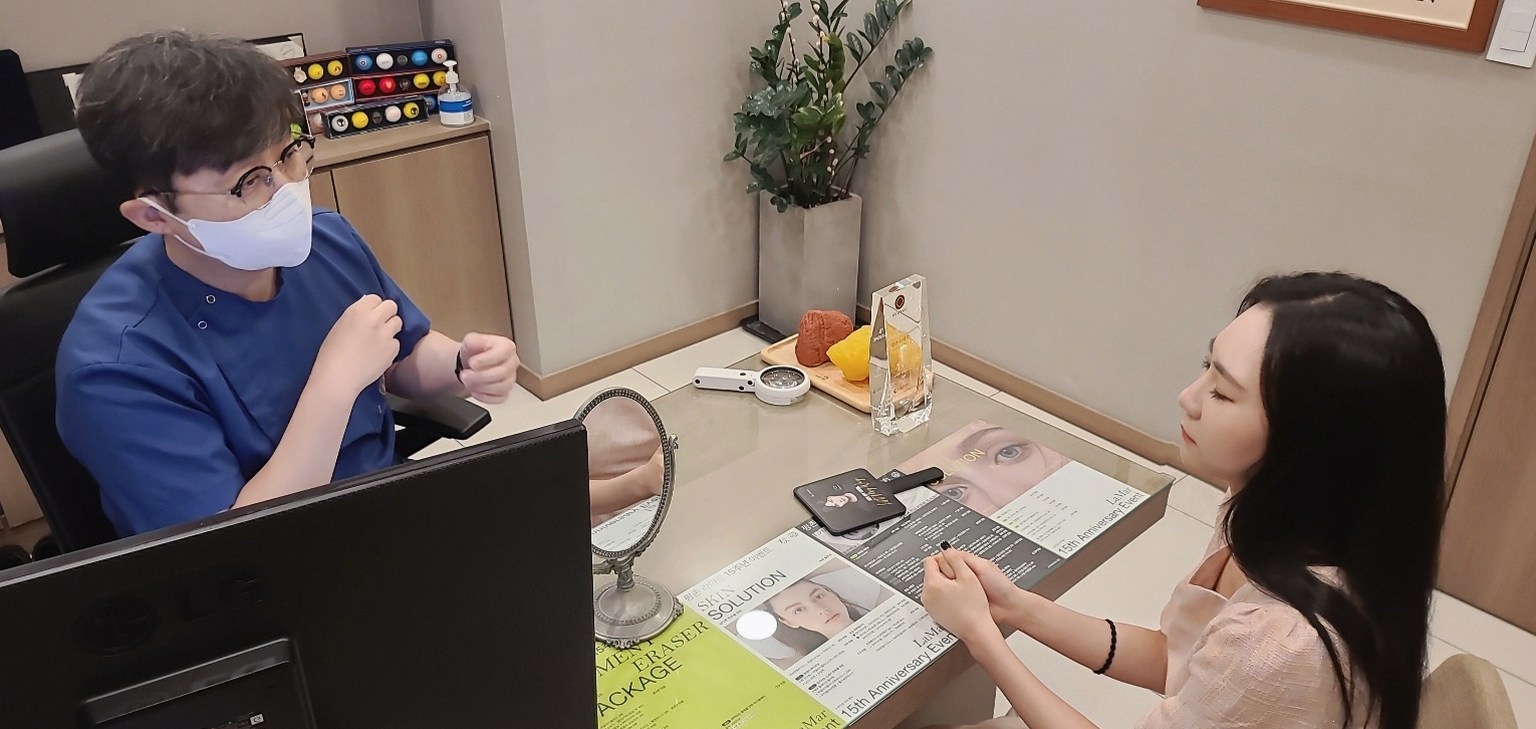
If you are staying near Beomgye Station in Anyang and are considering thread lifting for facial sagging or jawline definition, you will find several clinics within a short walking distance of Line 4. For overseas patients, the safest way to choose is to focus less on marketing and more on the consultation process, the type of threads used, imaging equipment, and how carefully the clinic explains risks and aftercare. A well‑run clinic near Beomgye will usually offer a structured consultation, customized thread plan, and clear guidance for visitors with limited time in Korea.
This guide explains what thread lifting is, who may consider it, how to prepare before you travel, what a typical visit schedule looks like, and what to ask a Beomgye clinic before you decide.
What is thread lifting near Beomgye Station
Thread lifting overview
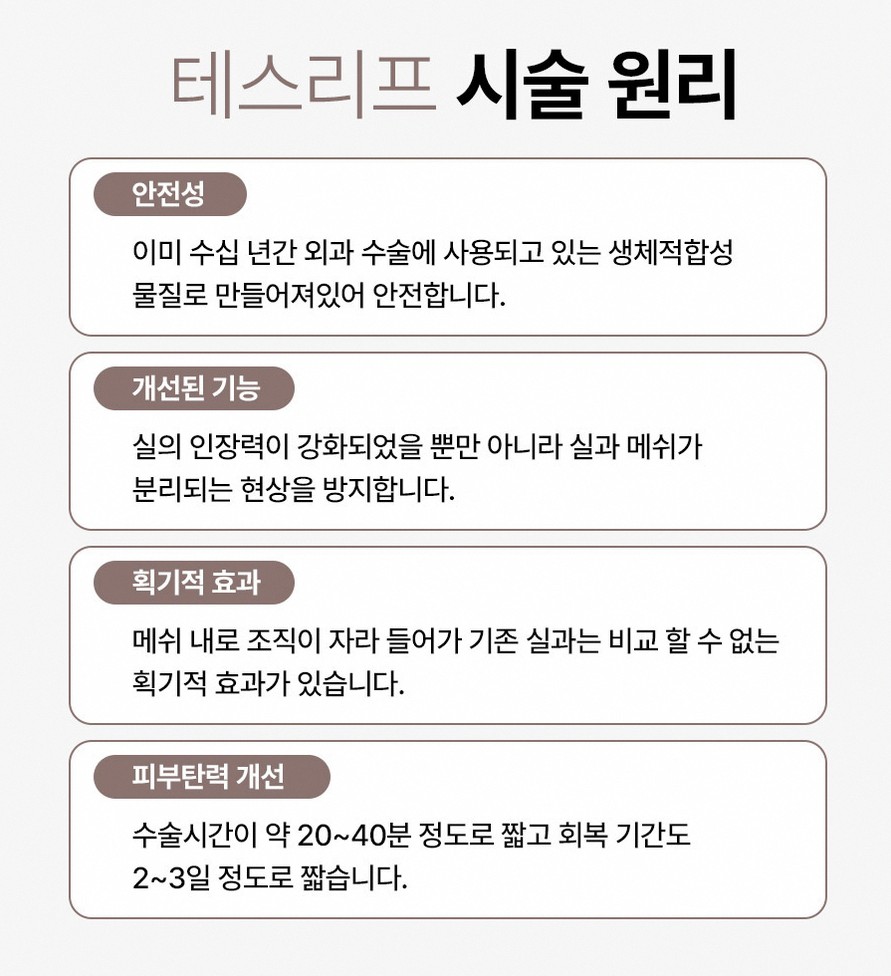
Thread lifting is a minimally invasive lifting procedure that uses thin, absorbable threads placed under the skin to support and reposition soft tissue. The threads are usually made of materials such as PDO, PLLA, or PCL, which gradually dissolve over time. While the threads are in place, they provide mechanical lifting and can stimulate collagen production around them.
Around Beomgye Station, thread lifting is commonly chosen for mild to moderate facial sagging, especially along the jawline, cheeks, nasolabial folds, and marionette lines. Many people living or working in Dongan‑gu prefer it because it can often be done in under one hour with relatively quick return to daily activities compared with surgical lifting.
How thread lifting works
During the procedure, local anesthesia is applied to the treatment area. The doctor inserts the threads through a fine cannula or needle, following a planned vector line to lift the tissue in a specific direction. Some threads have tiny barbs or cones that anchor into the tissue to hold it in a lifted position.
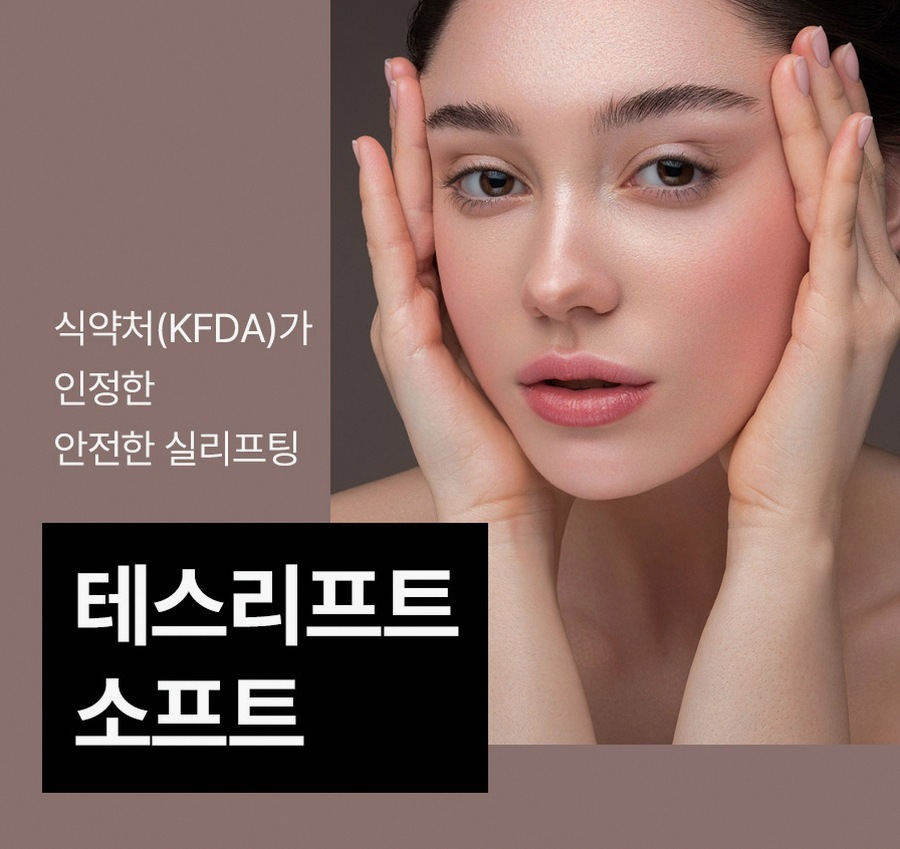
Over the following months, your body forms collagen around the threads. The threads themselves slowly break down and are absorbed, but the new collagen may help maintain some support even after the material is gone. The degree of visible change and how long it lasts can vary widely depending on skin condition, age, lifestyle, and the technique used.
Areas commonly treated near Beomgye
In clinics around Beomgye Station, thread lifting is typically used for:
Jawline definition and mild jowls
Cheek lifting and mid‑face sagging
Nasolabial folds and marionette lines
Mild lifting of the lower face for a more V‑line impression
Eyebrow or outer eye corner lifting in selected cases
Not all areas are suitable for every person. A careful face‑to‑face consultation is necessary to decide which zones can be safely treated and what can realistically be improved.
Who may consider thread lifting in Anyang
Suitable candidates
Thread lifting near Beomgye may be considered by people who:
Are noticing early to moderate sagging of cheeks or jawline
Want a lifting effect but are not ready for surgical lifting
Prefer a procedure with local anesthesia and relatively short downtime
Are in generally good health and can follow aftercare instructions
Have realistic expectations about gradual, modest improvement rather than a dramatic transformation
Age is not the only factor. Some people in their early 30s with soft tissue laxity may benefit, while others in their 40s or 50s may need a combination of treatments. The condition of your skin, facial fat, and supporting structures matters more than the number of years.
Who should be cautious
You should be more cautious or may need alternative options if you:
Have very thin, fragile skin with little support
Have severe sagging that may be better suited to surgical lifting
Have uncontrolled medical conditions such as bleeding disorders or poorly controlled diabetes
Are pregnant or breastfeeding
Have active skin infections or severe inflammatory skin conditions in the treatment area
If you are traveling from overseas, it is especially important to share your full medical history, medications, and any history of keloid or hypertrophic scarring with the clinic during online consultation before you book flights.
How to choose a thread lifting clinic near Beomgye Station
Key factors to check
When comparing clinics around Beomgye Station, focus on the following practical points instead of just photos or price:
Type of threads used: Ask which materials and brands are used (PDO, PLLA, PCL, or combinations) and why they are recommended for your skin and goals.
Planning tools: Some clinics use imaging systems or facial analysis tools to plan thread direction and number. This can help you understand the treatment design more clearly.
Consultation style: Look for a doctor who explains both benefits and limitations, discusses possible side effects, and does not push you to decide immediately.
Emergency and follow‑up system: Ask how you can contact the clinic after the procedure, especially as an overseas visitor, and whether they provide clear written aftercare instructions in English.
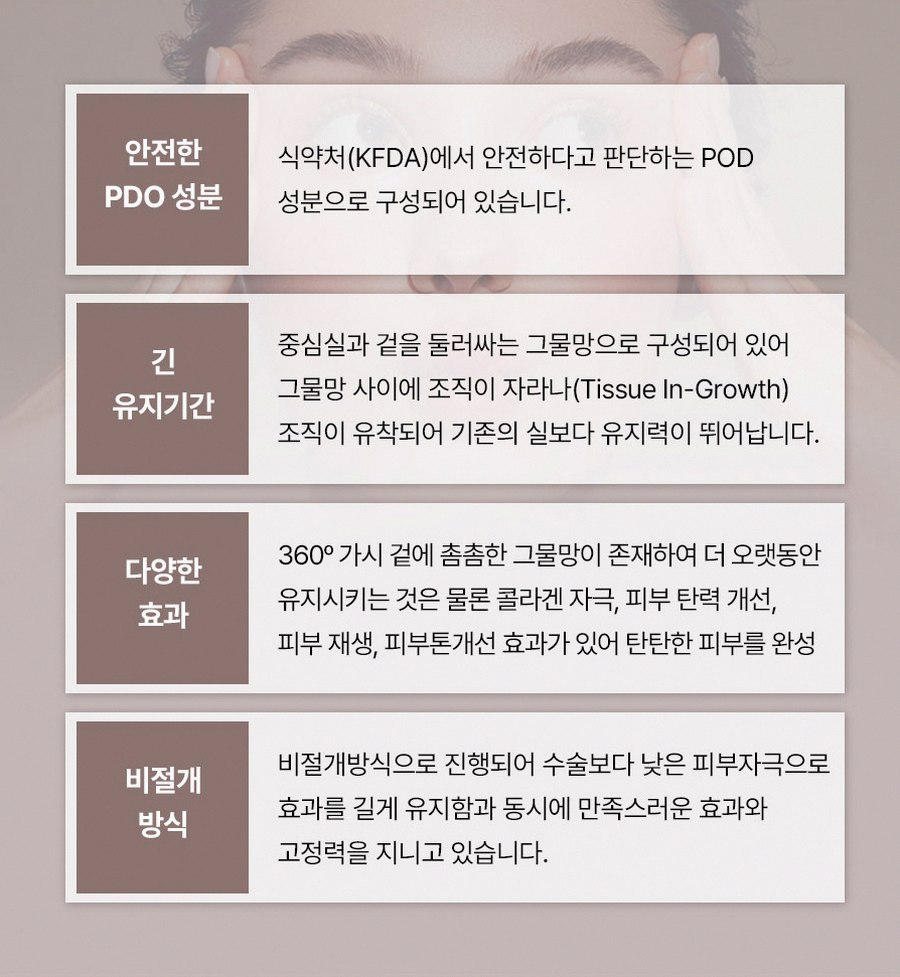
What distinguishes a careful clinic near Beomgye
Around Beomgye, some clinics stand out by offering:
Structured pre‑treatment assessment: Detailed facial analysis, medical history review, and discussion of alternative options such as energy‑based lifting or skin tightening.
Customized thread mapping: Planning the number, length, and direction of threads according to individual facial structure rather than using a fixed package for everyone.
Attention to symmetry: Careful marking and checking from multiple angles before inserting threads to reduce the risk of asymmetry.
Transparent explanation of downtime: Clear guidance on expected swelling, bruising, and how many days you may want to avoid important meetings or photos.
If you find a clinic near Beomgye Station that offers these elements and can communicate comfortably in English, it can be a practical choice for international patients.
Questions to ask before you book
Before confirming your appointment, prepare a short list of questions:
How many thread lifting procedures does the doctor perform per week or per month?
Which thread materials and brands will be used in my case, and why?
How many threads are planned, and in which areas of my face?
What kind of anesthesia is used, and how long does the procedure usually take?
What side effects are most common, and how are they usually managed?
How many days should I stay in Korea after the procedure for follow‑up?
Writing these questions down before your online consultation helps you compare clinics more objectively.
Online consultation and pre‑visit preparation
Sharing photos and medical history
For overseas patients, most Beomgye clinics will begin with an online consultation. To make this efficient:
Prepare clear, well‑lit photos of your face from the front, 45‑degree angles, and both sides, with a neutral expression.
List your medical conditions, previous facial procedures, allergies, and all medications or supplements you are taking.
Mention your travel dates, how many days you can stay in Korea, and whether you will be traveling alone.
This information allows the clinic to judge whether thread lifting is appropriate and to suggest a realistic schedule.
Setting expectations
During online consultation, the clinic may:
Explain what kind of improvement is realistic for your degree of sagging
Discuss whether you might benefit from combining thread lifting with other non‑surgical treatments
Outline expected recovery time, including possible swelling or bruising
Recommend the minimum stay in Korea for safe follow‑up
Be cautious of any promise of guaranteed results or statements that there will be no side effects. A careful clinic will always mention that results vary and that there are risks, even if they are usually mild.
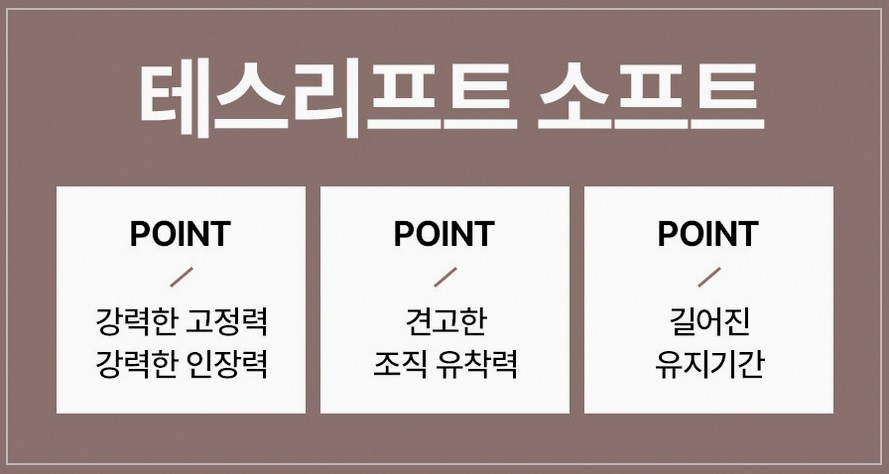
Travel preparation checklist
Before flying to Korea for thread lifting near Beomgye, consider the following:
Avoid blood‑thinning supplements and medications if your prescribing doctor agrees, such as high‑dose fish oil or certain painkillers, to reduce bruising risk.
Arrange accommodation within easy distance of Beomgye Station so you can return to the clinic quickly if needed.
Plan a light schedule for two to three days after the procedure, in case of swelling or tenderness.
Prepare loose, comfortable clothing and avoid tight neckwear that may rub against treated areas.
A typical Korea visit timeline for thread lifting
Day 1: In‑person consultation and planning
When you arrive at the clinic near Beomgye Station, you will usually:
Fill out medical questionnaires
Have facial photos taken for planning and medical records
Discuss your concerns and goals in detail with the doctor
Review the treatment plan, including thread type, number, and insertion pattern
Receive information about risks, aftercare, and follow‑up schedule
Some clinics may perform the procedure on the same day if you have already completed an online consultation and pre‑assessment. Others may schedule it for the next day, especially if you need more time to consider.
Day 1 or Day 2: Thread lifting procedure
On the procedure day, the general steps are:
Cleansing and disinfection of the face
Drawing of guidelines on the skin to mark thread paths
Local anesthesia injections along the planned lines
Insertion of threads through a cannula or needle
Adjustment of tension and trimming of thread ends
Application of cooling packs or gentle compression
Procedure time is generally estimated at about 30 to 60 minutes for many patients, depending on the number of threads and areas treated; this is a general estimate and individual cases vary. Many clinics permit patients to return to their accommodation the same day, but this depends on the clinic's protocols and your personal recovery. The duration of visible lifting effects also varies widely between individuals and techniques. Before booking travel, confirm the expected procedure length, typical result duration, and any recommended post-procedure stay or follow-up schedule with your chosen Beomgye clinic.
Day 2 to Day 4: Early recovery
In the first few days, you may notice:
Mild to moderate swelling, especially along the jawline and cheeks
Bruising in some insertion areas
Tightness, pulling sensations, or mild discomfort when moving facial muscles
Slight asymmetry due to temporary swelling
Most people can walk around Beomgye comfortably, use public transport, and eat normally, but you may prefer to avoid important meetings, heavy exercise, or long flights during this early period.
Day 5 to Day 10: Follow‑up visit
Many clinics near Beomgye Station will schedule a follow‑up visit within about one week to:
Check thread positions and healing
Evaluate any bruising or swelling
Answer questions about facial expressions, sleeping positions, or massage
Update aftercare instructions if needed
If you are an overseas patient, it is wise to stay in Korea at least several days after the procedure so that this follow‑up can be done in person. If that is not possible, ask whether a video follow‑up is available.
Aftercare and recovery tips
Basic aftercare instructions
After thread lifting, clinics near Beomgye commonly advise:
Avoid strong pressure or massage on the treated areas for several weeks.
Sleep on your back with your head slightly elevated for a few days to reduce swelling.
Avoid wide mouth opening, very chewy foods, or strong facial expressions in the first week if they cause discomfort.
Keep the insertion sites clean and follow any cleansing or ointment instructions provided.
Avoid saunas, hot baths, and intense exercise for a short period as advised by the clinic.
These instructions may vary slightly depending on the type of threads and the areas treated, so always follow the specific guidance you receive.
Managing discomfort and appearance
Mild pain or tenderness can usually be managed with pain medication recommended by the clinic. Bruising may be covered with makeup after the insertion points have closed, typically after a couple of days, but confirm the exact timing with your doctor.
Some people feel unevenness or small ridges under the skin at first. These often soften as swelling decreases and tissues settle, but if you notice anything that worries you, contact the clinic promptly rather than trying to massage it yourself.
Long‑term care
To support your results over time:
Protect your skin from excessive sun exposure with sunscreen and hats.
Maintain a stable weight, as large weight changes can affect facial volume and sagging.
Follow any recommended skincare or complementary treatments discussed during consultation.
Schedule periodic check‑ins if you visit Korea again, or share photos by email or messaging if the clinic offers remote follow‑up.
Frequently asked questions about Beomgye thread lifting
Is thread lifting near Beomgye Station suitable for first‑time cosmetic procedures?
For many people, thread lifting can be a first step into aesthetic procedures because it is less invasive than surgery and usually involves local anesthesia only. However, it is still a medical procedure with risks such as bruising, swelling, asymmetry, or thread visibility in some cases. If you are new to cosmetic treatments, a thorough consultation is especially important so you understand what to expect and whether a milder option, such as skin tightening with energy‑based devices, might be more appropriate.
How long do thread lifting results usually last?
The visible effect of thread lifting is typically most noticeable in the first several months and may gradually soften over time. Many people feel that the lifting effect is most evident for about 6 to 18 months, but this varies with age, skin quality, lifestyle, and the type of threads used. The threads themselves dissolve, but the collagen they stimulate can provide some ongoing support. Your doctor near Beomgye Station can give a more tailored estimate based on your individual case.
How many days should I stay in Korea for thread lifting around Beomgye?
If you are an overseas visitor, staying at least 5 to 7 days in Korea is often practical. This allows time for an in‑person consultation, the procedure itself, and at least one follow‑up visit to check healing and thread position. Some patients stay longer to allow more recovery before flying, especially if they are concerned about appearing swollen in public or on business trips. Discuss your schedule with the clinic in advance so they can plan your appointments efficiently.
What are the main risks or side effects I should know about?
Common temporary side effects include swelling, bruising, mild pain, tightness, and a feeling of pulling when moving facial muscles. Less common but more serious issues can include infection, prolonged asymmetry, skin irregularities, or thread exposure. Choosing a clinic near Beomgye that provides a careful consultation, uses appropriate sterilization, and offers clear aftercare instructions can help reduce risks, but they cannot be completely removed. Always inform the clinic promptly if you notice increasing redness, heat, severe pain, or any sudden change in appearance.
Soft call to action for online consultation
If you are considering thread lifting during a stay near Beomgye Station and would like to understand whether it suits your face shape, age, and travel schedule, an online consultation is a practical first step. By sharing clear photos and your medical history in advance, you can receive a more personalized plan and a realistic idea of recovery time before you book flights or hotels.
Use online channels such as email or messaging apps offered by the clinic to ask your questions, compare plans, and confirm that you feel comfortable with the communication style. Taking this time before you travel can make your thread lifting experience in Anyang safer, smoother, and better aligned with your expectations.
- 공유 링크 만들기
- X
- 이메일
- 기타 앱


댓글
댓글 쓰기