Beomgye Toenail Fungus: How to Recognize It and When to See a Doctor
- 공유 링크 만들기
- X
- 이메일
- 기타 앱

Direct answer summary
If you live or work around Beomgye Station in Anyang and your toenails have become thick, yellow, or crumbly, you may be dealing with toenail fungus, also called onychomycosis. A local clinic near Beomgye can usually diagnose it with a simple examination and, if needed, a small nail sample, then suggest topical or oral antifungal treatment. Because toenails grow slowly, treatment takes months, and daily foot care is important to reduce the chance of recurrence.
This guide is written for international patients who are considering visiting Korea, staying near the Beomgye Station area, and want to understand what to expect from toenail fungus evaluation and treatment.
What toenail fungus is
Toenail fungus, or onychomycosis, is an infection of the nail plate and the nail bed underneath, caused by fungi that like warm, moist environments. It most often affects the big toenail but can appear on any toenail and sometimes on several nails at once.
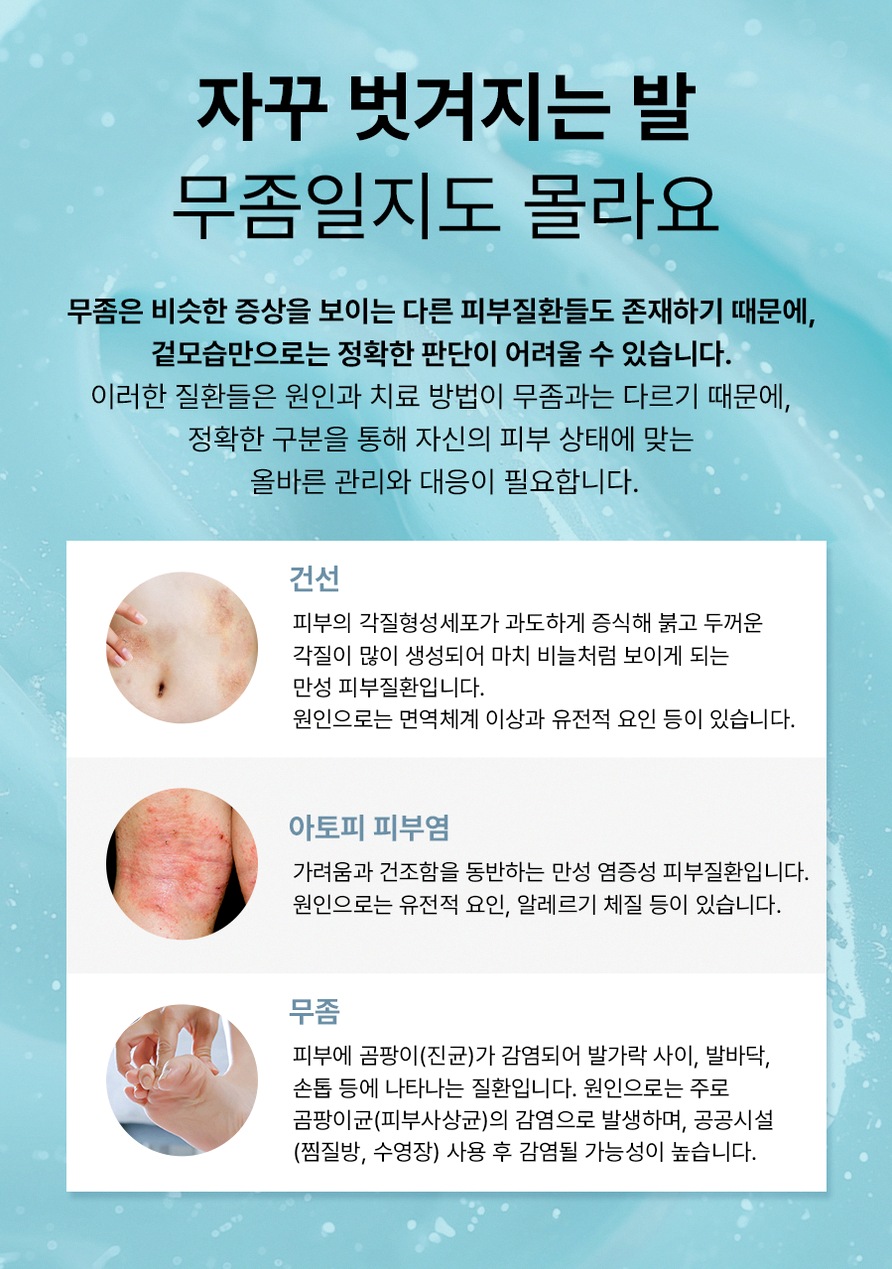
It is different from athlete’s foot, which is a fungal infection of the skin between the toes or on the sole. Athlete’s foot makes the skin itchy, red, or peeling, while toenail fungus mainly changes the color, thickness, and texture of the nail itself. Both problems can exist together and can spread from one to the other.
Fungi that cause toenail infections are commonly found in shared showers, swimming pools, gyms, and inside sweaty shoes. Once they get under the edge of the nail, they can slowly spread along the nail and into neighboring nails if not treated.
Typical symptoms and how the condition progresses
In the early stage, toenail fungus can be very subtle. Many people do not notice it or assume it is just minor nail damage.
Common early signs include:
Slight yellow or white discoloration at the tip or one side of the nail
Mild thickening compared to other nails
Loss of natural shine, with a more dull or cloudy appearance
As the infection progresses, you may see:
More obvious yellow, brown, or whitish discoloration
The nail becoming thicker and harder to trim
Brittle or crumbly edges that break easily
Debris building up under the nail, sometimes looking like powder or dirt
The nail lifting away slightly from the nail bed
A mild odor from the nail
Discomfort or pressure pain when wearing tight shoes or walking long distances
The infection often starts in one nail, usually the big toe, and can gradually spread to other toenails or to the surrounding skin. If it spreads to the skin, you may notice itching, peeling, or redness between the toes, similar to athlete’s foot.
Why self-diagnosis is not always accurate
Many people assume that any thick, yellow toenail must be fungus, but this is not always true. Several other conditions can look similar, including:
Nail damage from tight shoes, running, hiking, or repeated trauma
Nail changes after an injury where the nail was bruised or lifted
Psoriasis affecting the nails, which can cause pitting, discoloration, and thickening
Age-related nail changes that make nails thicker and more opaque over time
Because these conditions can mimic toenail fungus, self-diagnosis is often wrong. Using over-the-counter creams or home remedies without a proper diagnosis can waste time and money and delay effective treatment.
A medical evaluation helps clarify what is really happening with your nails. This is especially important if you are considering oral antifungal medication, which should only be used when a true fungal infection is confirmed.
How toenail fungus is diagnosed at a clinic near Beomgye Station
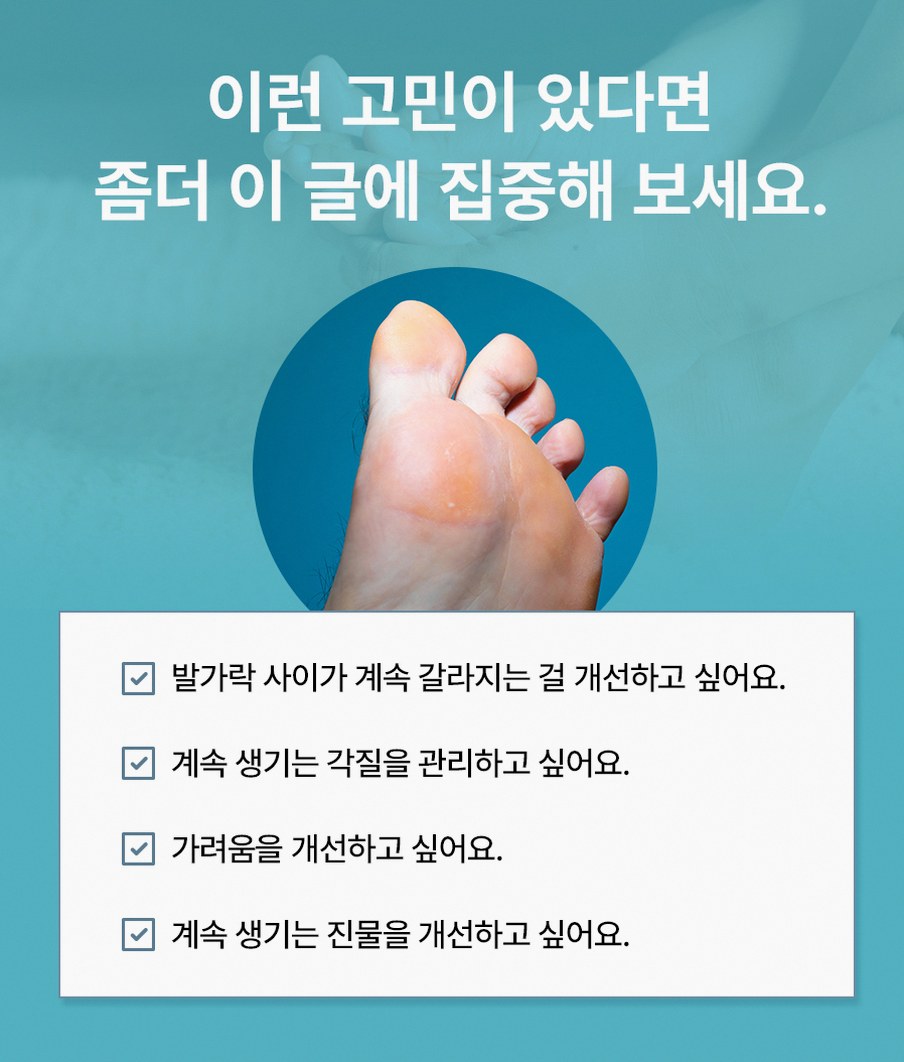
If you visit a clinic in the Beomgye Station area, the diagnostic process is usually straightforward and not painful.
Typical steps include:
Visual examination
The doctor will look closely at your toenails and the surrounding skin. They will check which nails are affected, how thick and discolored they are, and whether there are signs of infection on the skin of the feet.
Simple tests on the nail
To confirm that fungi are present, the doctor may take:
A small clipping of the nail
A gentle scraping from under or on the surface of the nail
These samples can be examined under a microscope or sent to a laboratory to detect fungal elements. In some cases, this test can also help identify the type of fungus, which may guide the choice of treatment.
Why confirmation matters
Accurate diagnosis helps avoid unnecessary or ineffective treatment. For example, if the nail is thick due to old trauma rather than fungus, antifungal medication will not help. Confirming a fungal infection is especially important before starting oral antifungal tablets, which require medical judgment and sometimes blood tests.
Treatment options for toenail fungus
Treatment for toenail fungus focuses on clearing the infection and allowing a healthier nail to grow out over time. Because toenails grow slowly, visible improvement is gradual.
Topical antifungal treatment
Topical treatment means applying medication directly to the nail. This may be in the form of a medicated nail lacquer, solution, or cream.
Topical treatment is usually considered when:
The infection is mild or in its early stage
Only one or a few nails are involved
Oral medication is not suitable due to other health conditions or medication interactions
Important points about topical treatment:
It must be used consistently, often once daily or several times per week, for many months
The nail surface may need to be thinned or filed slightly to help the medicine penetrate
Results are slow; you may only see clearer nail growing from the base after several weeks or months
Oral antifungal medication
For more advanced cases, or when multiple nails are affected, doctors often recommend oral antifungal tablets.
Key aspects of oral treatment:
Duration: usually several weeks to a few months, depending on the drug and severity
Effect: the medicine works from inside the body, reaching the nail bed through the bloodstream
Visible results: you will not see an instant change; instead, a new, clearer nail gradually grows from the base while the damaged part grows out
Because oral antifungal medicines can affect the liver in some people, they should be prescribed and monitored by a doctor. You may be asked about your medical history, current medications, and sometimes to do a blood test before or during treatment.
Procedural or laser options
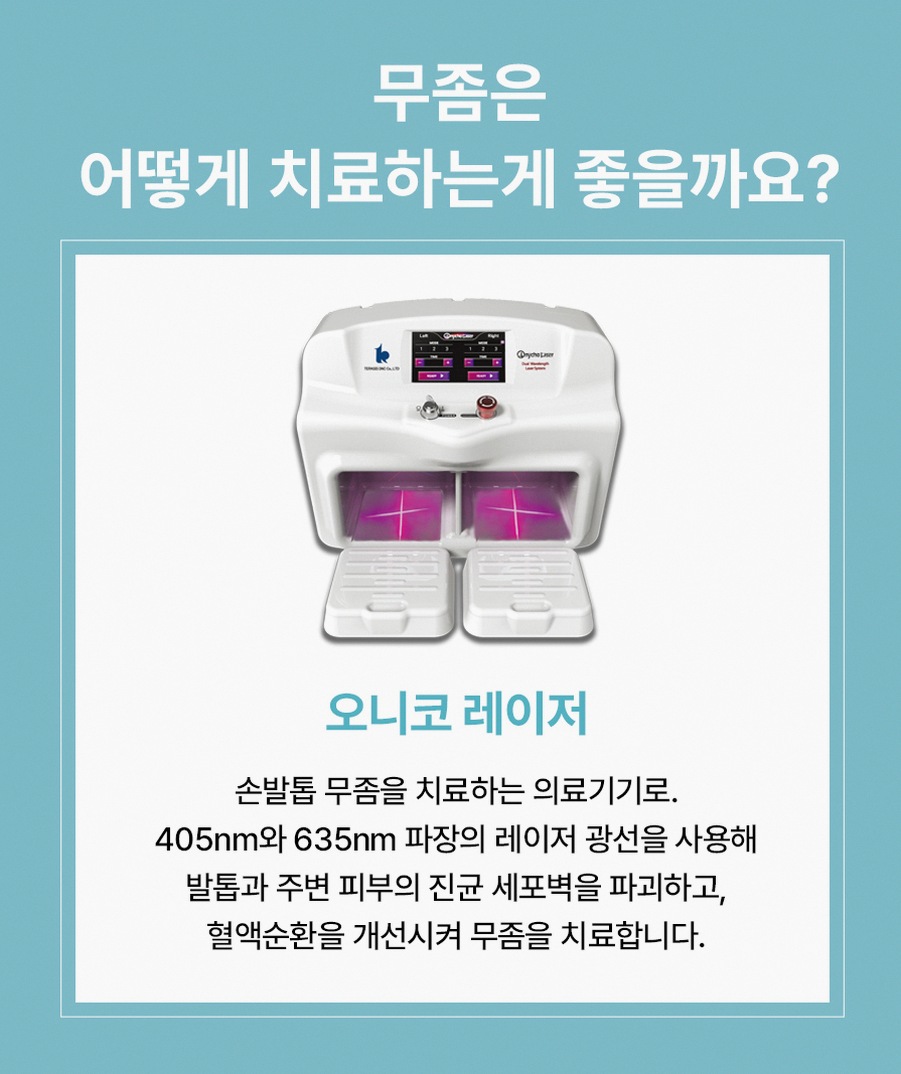
Some clinics offer laser or other procedural treatments as an additional option for toenail fungus. These are usually considered as a complement to standard medical therapy, not a replacement.
Laser or device-based treatments may help reduce fungal load in the nail, but they are not guaranteed to work for everyone. They are often combined with topical or oral medication and proper nail care for better overall management.
Realistic expectations and treatment timeline
Even with appropriate treatment, toenail fungus does not disappear overnight. The infected part of the nail must grow out and be replaced by new, healthier nail.
Toenails grow slowly; full regrowth of an affected big toenail can take many months. The duration of antifungal treatment varies by medication and severity—confirm the expected timeline with your treating clinician.
You may see early improvement in a few months, with a clearer area near the base of the nail
Full cosmetic improvement can take many months, even after the active infection is controlled
Consistency with medication and nail care is essential to avoid relapse
Safety, side effects, and monitoring
Any medical treatment should balance benefits and potential risks. For toenail fungus:
Topical antifungals
Side effects are usually mild and limited to the application area. Some people may experience slight redness, irritation, or dryness around the nail. If this happens, you should inform your doctor so they can adjust the regimen.
Oral antifungals
Oral medication is more powerful but also requires more careful monitoring. Possible concerns include:
Impact on liver function in a small number of patients
Interactions with other medications, such as some heart, cholesterol, or blood pressure drugs
Suitability in people with existing liver disease or certain chronic conditions
Before prescribing oral antifungals, the doctor will usually:
Ask about your full medical history
Review your current medications and supplements
Explain possible side effects and what to watch for
Order blood tests if needed, especially if treatment will be long or if you have other health issues
Not everyone is a candidate for oral medication. In such cases, the doctor may focus on topical treatment, careful nail trimming, and supportive measures.
Daily care and prevention of recurrence
Even after successful treatment, toenail fungus can return if the environment remains favorable for fungi. Daily habits make a big difference.
Foot hygiene
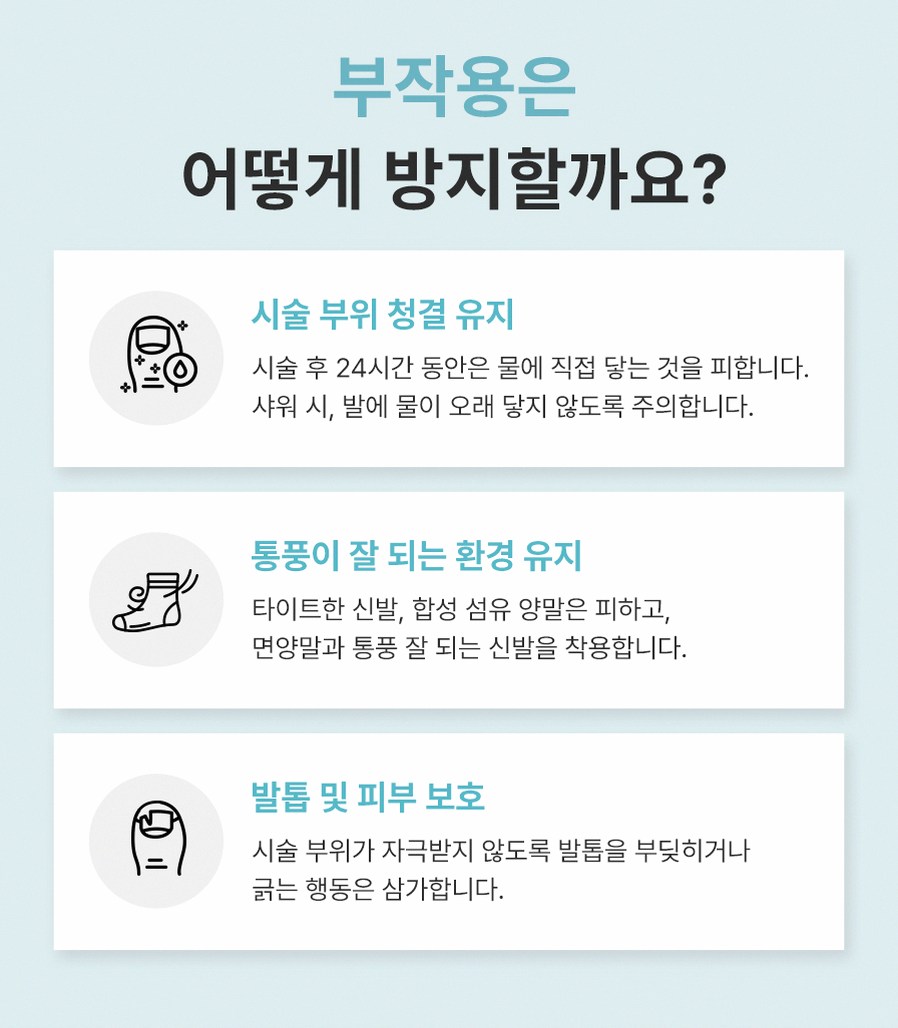
Keep your feet clean and dry. Wash them daily with soap and water, then dry carefully, especially between the toes.
Change socks at least once a day, more often if your feet sweat a lot. Choose breathable materials like cotton or moisture-wicking sports socks.
Shoe and environment care
Wear shoes that allow air circulation and are not too tight in the toe area.
Rotate shoes so each pair has time to dry completely between uses. If your feet sweat, consider using an antifungal powder or spray inside the shoes.
Disinfect or replace old shoes that may be contaminated with fungal spores. Similarly, clean nail clippers and files regularly.
Avoiding spread and reinfection
Do not share nail clippers, files, or shoes with others.
Wear sandals or shower shoes in public showers, gyms, and swimming pool areas.
If you visit nail salons, choose places that clearly sterilize tools between clients. Consider bringing your own nail tools if possible.
Try to avoid covering infected nails with thick nail polish for long periods, as this can trap moisture and make it harder to monitor improvement.
Who might consider treatment in Korea near Beomgye
International patients may consider toenail fungus evaluation and treatment in Korea if:
They are staying or working near Beomgye Station in Dongan-gu, Anyang
They want a structured, medically guided approach rather than relying on home remedies
They are planning a longer stay or repeated visits to Korea and can follow a long-term treatment plan
A clinic near Beomgye Station can be convenient for office workers, residents, and commuters on Line 4. The area around Anyang Trade Center and nearby commercial buildings offers easy access by public transport and on foot.
Clinic approach near Beomgye Station
In the Beomgye Station area, you may find an aesthetic and dermatologic clinic located on an upper floor of a commercial building such as the Anyang Trade Center.
For toenail fungus, the focus is usually on:
Systematic consultation to understand your symptoms, medical history, and expectations
Stepwise care, such as consultation, cleansing or basic nail care, treatment, and follow-up
Use of various medical devices primarily for skin and body treatments, with the possibility of procedural support for nail conditions in some cases
While the same clinic may also offer services like lifting or body contouring, those are separate from toenail fungus care. For onychomycosis, the main tools remain proper diagnosis, topical or oral antifungal medication, and guidance on hygiene and prevention.
Online consultation and pre-visit preparation
If you are an overseas patient planning to visit Korea, an online consultation before your trip can be very helpful.
Before contacting the clinic, prepare the following:
Clear photos of your toenails from several angles, including close-ups of the most affected nails
Information about when you first noticed changes and how they have progressed
A list of any previous treatments you have tried, such as creams, oral medication, or home remedies
A summary of your medical history, including liver or kidney problems, heart disease, diabetes, or immune conditions
A list of all medications and supplements you are currently taking
During an online consultation, the doctor can:
Give a preliminary opinion on whether your nails likely have fungal infection or another issue
Explain possible treatment options and approximate duration
Advise whether you might need blood tests or follow-up visits during your stay
Help you plan the timing of your in-person visit once you arrive in Korea

Expected Korea visit timeline for toenail fungus care
Because toenail fungus treatment is long-term, your visit to Korea will usually focus on diagnosis, starting treatment, and planning follow-up.
A typical timeline might look like this:
First visit (Day 1–3 of your stay)
In-person consultation and examination of your nails and feet
Possible nail clipping or scraping for microscopic or lab testing
Discussion of treatment options (topical vs oral, possible procedural support)
Baseline blood tests if oral medication is being considered
Prescription of medication and instructions for home care
Follow-up during the same trip (if you stay longer than a couple of weeks)
Review of test results
Final decision on oral medication if appropriate
Clarification of how to continue treatment after you return home
After you return home
Continue topical or oral medication as directed
Maintain foot hygiene and preventive habits
Use email or online consultation for questions or to share progress photos
Plan another in-person review if you return to Korea in the future
Aftercare and long-term management
Aftercare for toenail fungus is mostly about consistency and prevention.
Trim nails carefully and regularly, keeping them short but not too short.
Avoid aggressive pedicures that can damage the nail or surrounding skin.
Monitor your nails every few weeks. Look for new clear nail growing from the base and a gradual reduction in discoloration.
Even after the nail looks better, continue good hygiene and shoe care to reduce the chance of the fungus returning.
Frequently asked questions
Can toenail fungus go away on its own?
Toenail fungus rarely disappears completely without treatment. In some mild cases, it may stay stable for a long time, but more often it slowly worsens, affecting more of the nail or additional nails. Early medical treatment can prevent progression and reduce the risk of spread to other toes or to family members.

How long does treatment for toenail fungus take?
The active treatment phase with topical or oral medication usually lasts several weeks to a few months. However, because toenails grow slowly, it can take 9–12 months or longer for a big toenail to fully grow out and show the final result. Patience and consistent use of medication are important.
Is toenail fungus contagious to family members?
Yes, toenail fungus can spread to others, especially in shared environments. Family members who share showers, towels, socks, or nail tools have a higher risk. To reduce this risk, avoid sharing personal items, keep the bathroom clean and dry, and wear shower shoes in shared wet areas.
Can I use nail polish during treatment?
Light, occasional use of nail polish is sometimes possible, but it is generally better to minimize it during treatment. Thick or long-lasting polish can trap moisture, make it harder for topical medication to penetrate, and prevent you and your doctor from monitoring improvement. If you do use polish, discuss it with your doctor and remove it regularly to check the nail.
Soft call to action
If you are planning a trip to Korea and are concerned about thick, yellow, or crumbly toenails, By sharing photos and your medical history in advance, you can receive guidance on likely diagnosis, treatment options, and the best timing for your in-person visit. Early, well-planned care can make your stay more efficient and help you start a long-term strategy to manage toenail fungus safely and effectively.
- 공유 링크 만들기
- X
- 이메일
- 기타 앱


댓글
댓글 쓰기