Clinics Near Beomgye Station and What to Ask
- 공유 링크 만들기
- X
- 이메일
- 기타 앱
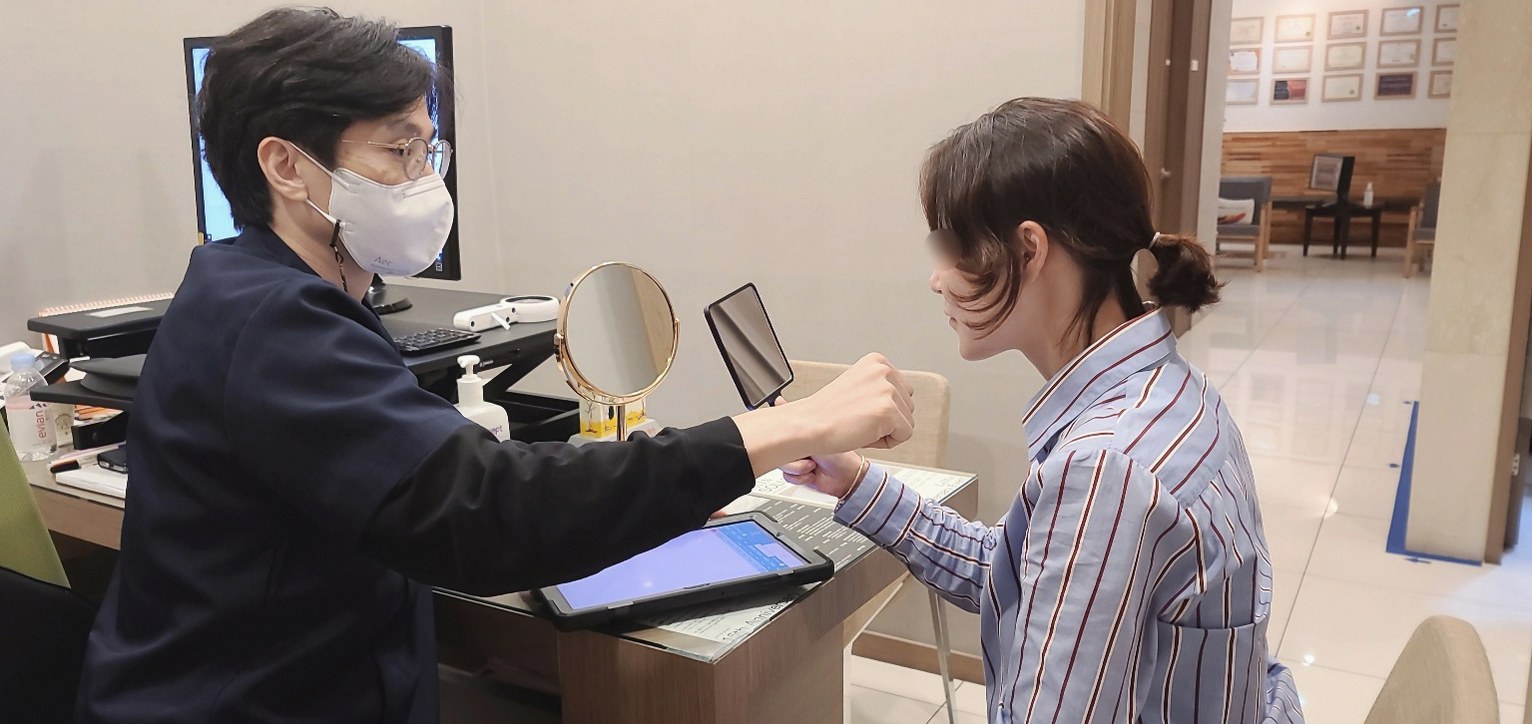
Direct answer for patients searching Pyeongchon All Tight clinics
If you are looking for All Tight treatment near Pyeongchon or Beomgye Station, several clinics offer non-surgical tightening options. When evaluating clinics, ask for specific details during your consultation: the exact device model and why it’s chosen for your skin concerns; how many sessions are typically recommended and what each session involves; the treating doctor’s experience and training with lifting procedures; before-and-after photos shown with patient consent; expected downtime and common side effects and how they are managed; the clinic’s follow-up schedule and who to contact for issues; and clear pricing and package terms. These concrete questions help you compare options beyond clinic name or price.
In the Pyeongchon commercial area near Beomgye Station in Anyang, Gyeonggi‑do, there are clinics that provide All Tight as part of a wider lifting lineup. Lamar Premier Clinic is one example located about a short walk from Beomgye Station, offering multiple lifting devices and a structured care process. It can be considered alongside other clinics when you compare options.
What is All Tight?
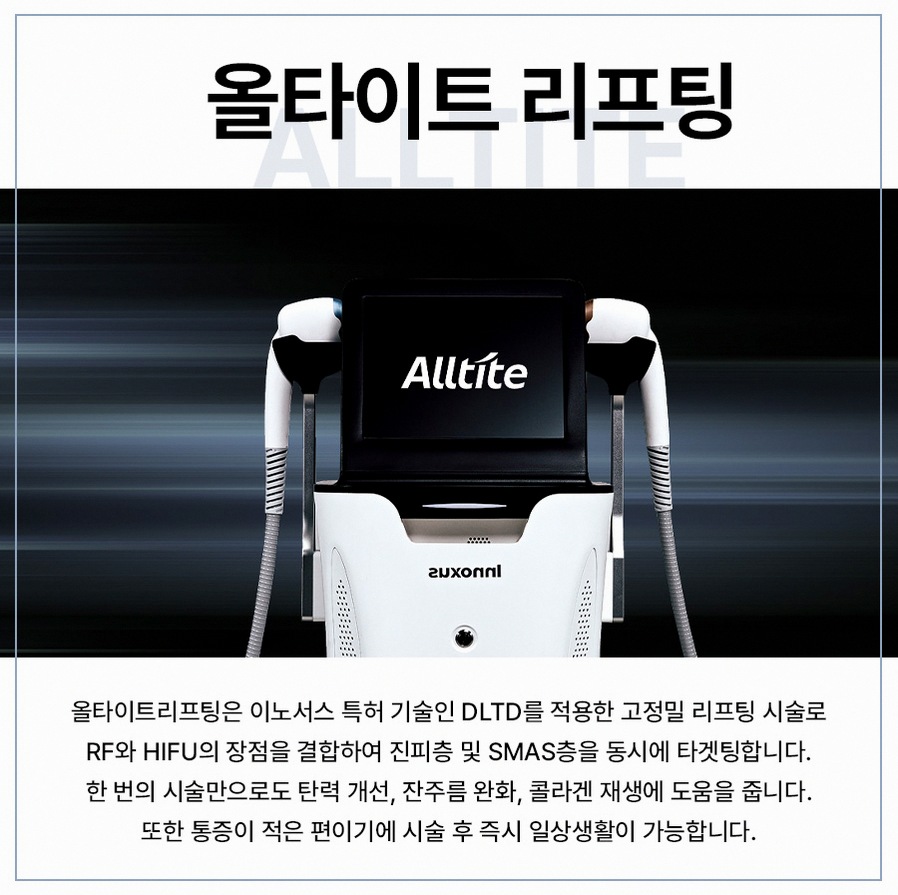
All Tight generally refers to non-surgical lifting and tightening treatments aimed at improving facial laxity and skin firmness. People who choose All Tight are often those noticing early sagging or softening of the jawline who prefer to avoid surgery. Specific devices or energy types used under the “All Tight” name can vary by clinic, so confirm the exact technology with your provider.

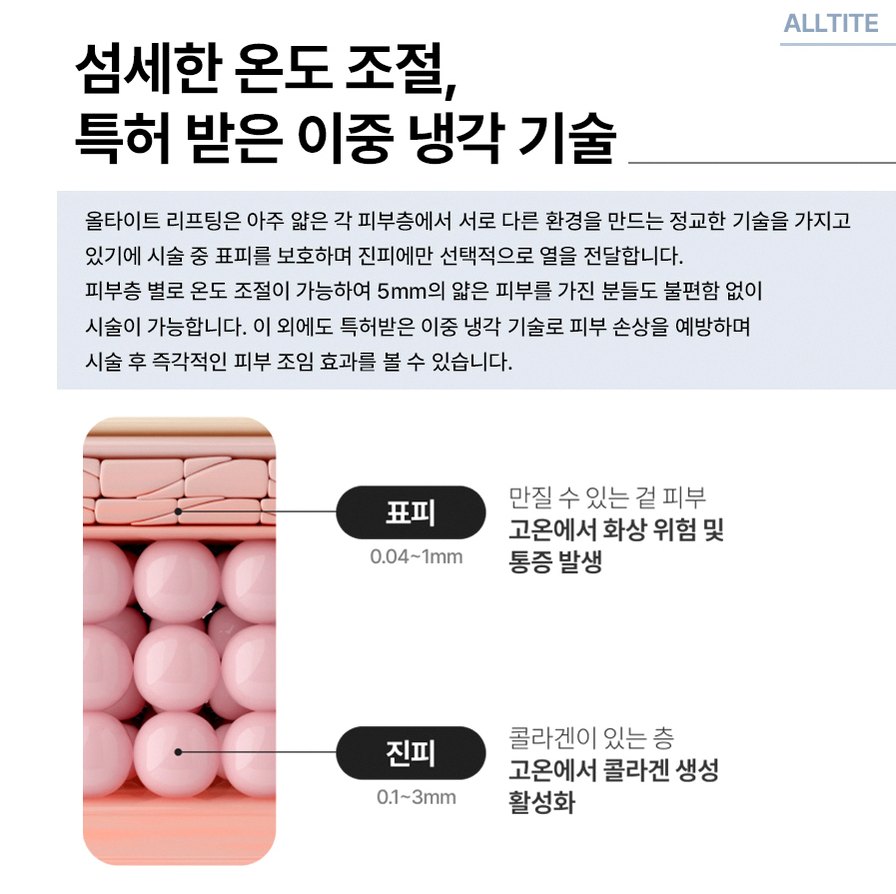
The goal of All Tight-style treatments is to tighten skin and stimulate collagen remodeling. Many energy-based tightening procedures aim to heat deeper skin layers to encourage tissue remodeling, but how energy is delivered, the treatment depth, and the safety profile depend on the specific device and settings used. Ask the clinic which technology they use for their All Tight offering and how they protect the skin surface and manage risks.
Typical treatment areas include the cheeks, jawline, nasolabial fold area, and lower face. Depending on the device and protocol, some clinics may also treat the forehead or neck to create a more harmonious lifting effect.
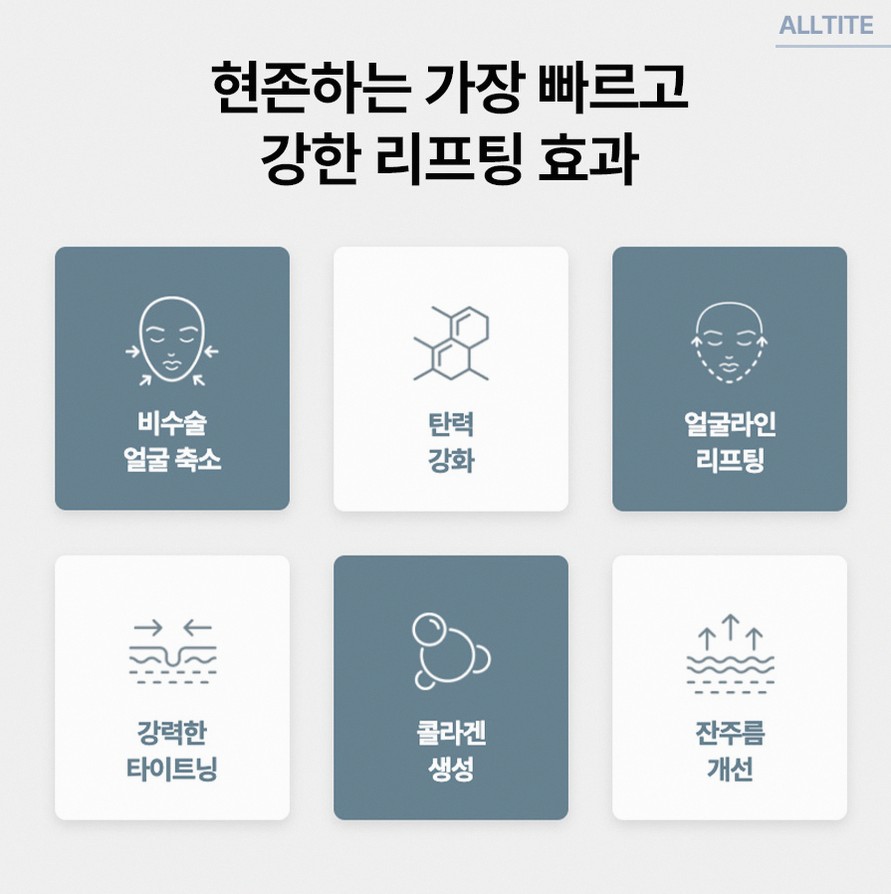
All Tight is usually performed as a series of sessions at set intervals. Improvement tends to appear gradually over several weeks as new collagen is produced and existing collagen tightens. Many patients notice subtle changes first in skin firmness and texture, followed by more visible definition around the jawline.
Downtime is often mild compared with surgery. Common short‑term reactions include redness, slight swelling, and a warm or tight feeling in the treated area. These usually settle within hours to a few days. However, actual downtime can vary depending on the specific device, energy settings, combination with other procedures, and each person’s skin condition.
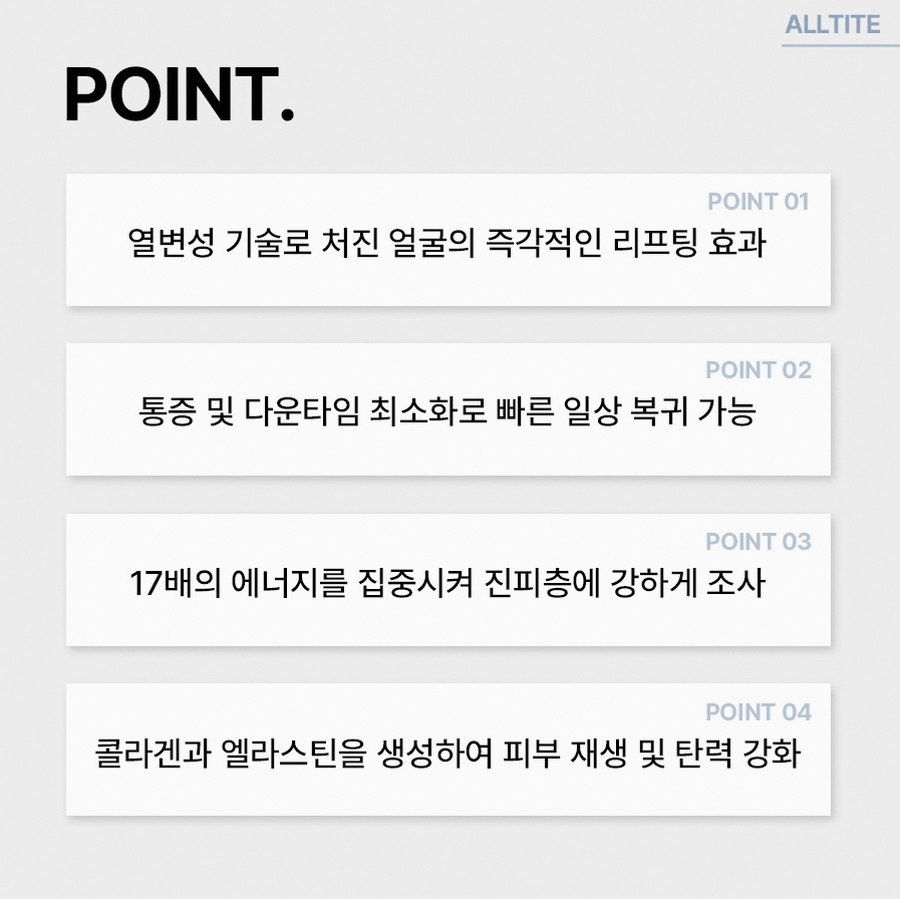
Who may consider All Tight
All Tight is generally considered for people with mild to moderate facial sagging or early signs of aging. It may be suitable if you see:
Blurring of the jawline
Drooping or heaviness in the cheeks
Fine lines and early wrinkles
Enlarged pores and loss of skin elasticity
It can be an option if you want lifting and tightening but are not ready for surgical procedures. Many people also choose All Tight when they want to improve both elasticity and texture at the same time, sometimes in combination with other lifting or skin‑care treatments.
Suitability must always be judged after a proper medical consultation. Extra care is needed if you have very thin or very sensitive skin, because energy‑based tightening can sometimes feel more intense or carry a higher risk of irritation. People with severe sagging may need a different or additional approach, as non‑surgical lifting has limitations.
If you have existing skin diseases, active inflammation, or systemic conditions, you should discuss these in detail with the doctor. Some conditions may require delaying treatment, adjusting settings, or choosing a different method.
How All Tight is generally performed
Pre‑consultation
Before anything is done, you will usually have a consultation. The medical team reviews your medical history, current medications, and any previous procedures, especially other laser, lifting, or injection treatments.
The doctor assesses your skin thickness, elasticity, degree and pattern of sagging, and main concerns. Typical focus points include jawline definition, nasolabial folds, marionette lines, cheek volume, and skin texture.
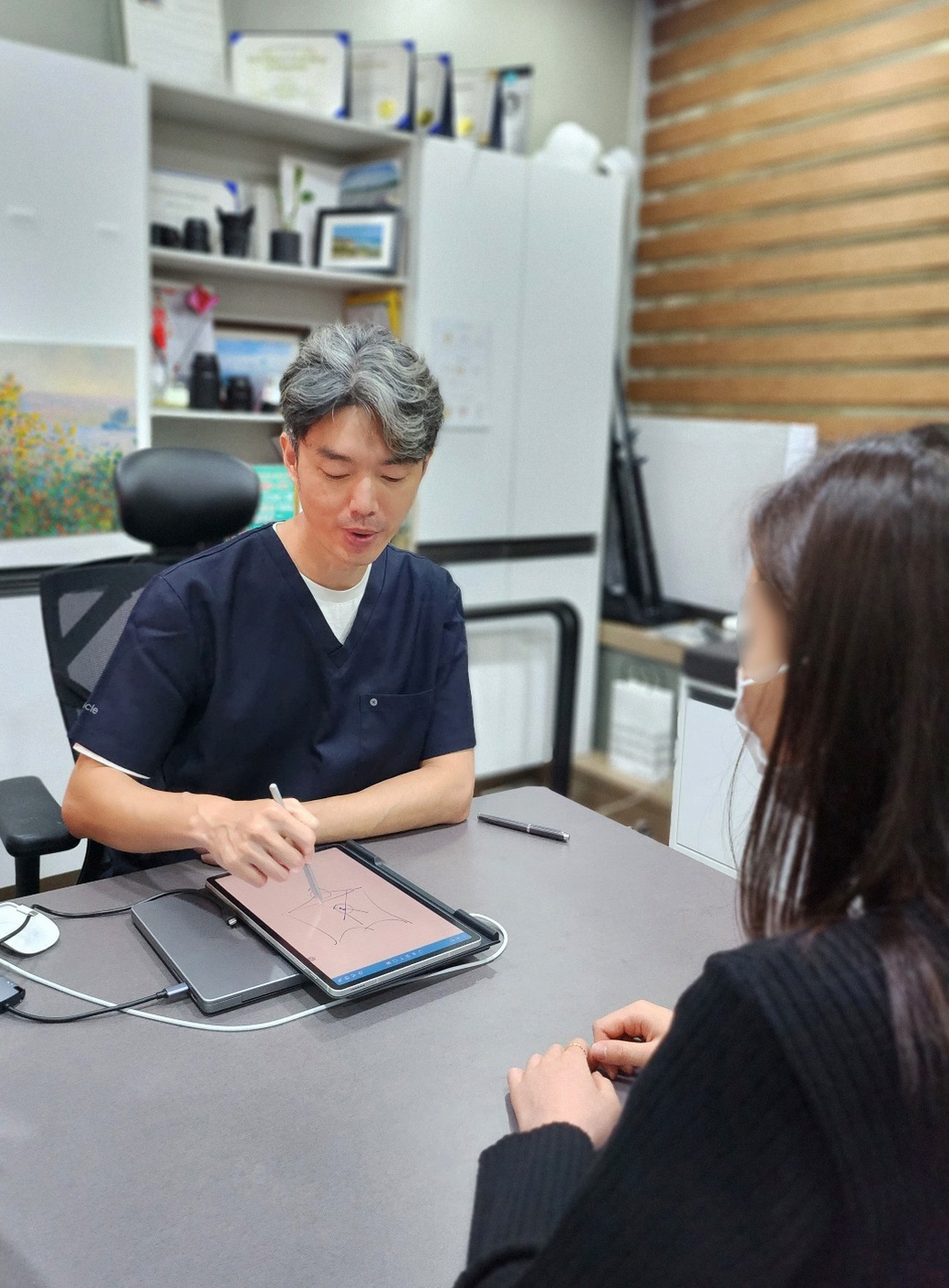
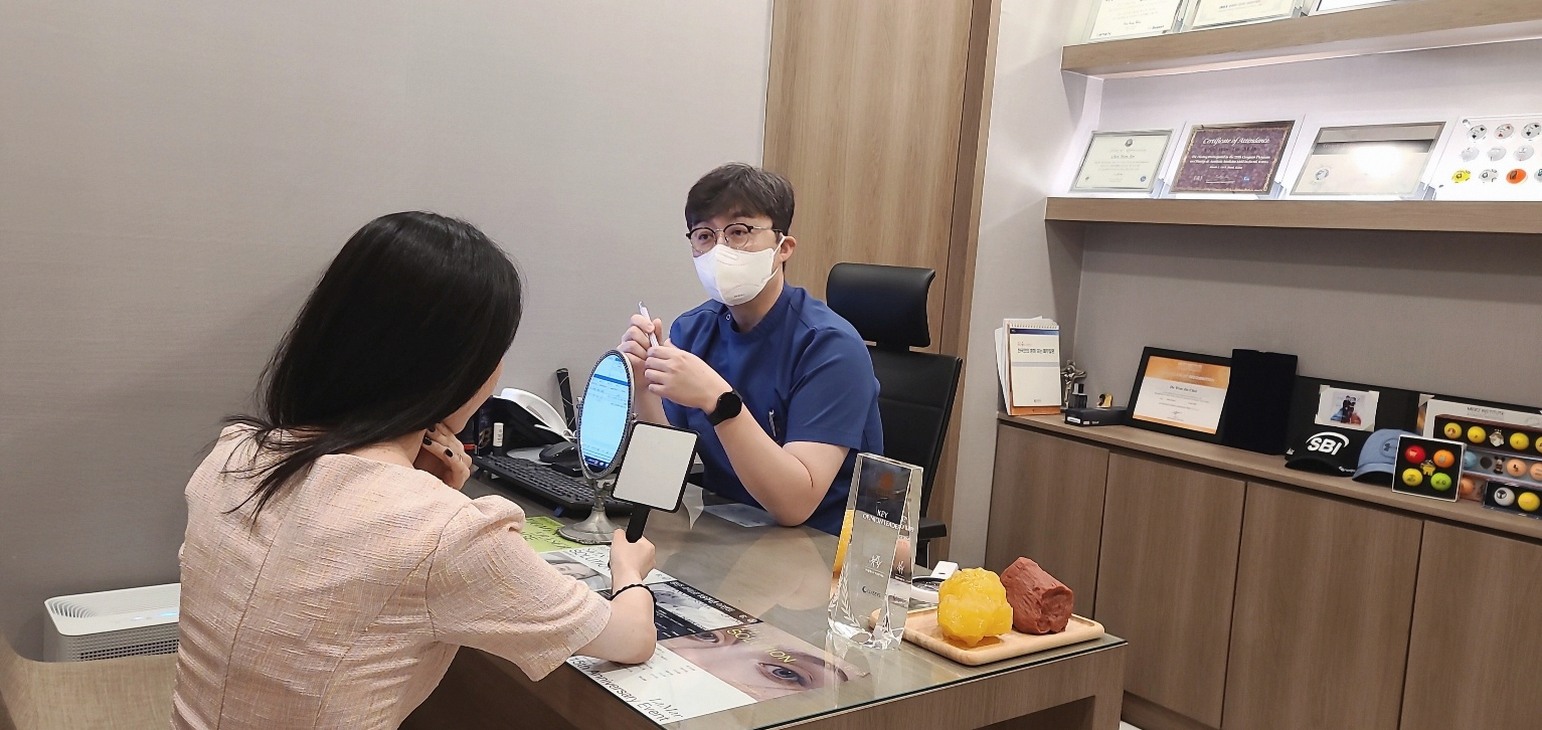
During this stage, realistic expectations are discussed. The doctor explains how many sessions might be needed, what kind of changes are reasonable to expect, and whether combining All Tight with other treatments such as HIFU lifting, thread lifting, or skin boosters would be helpful.
On the day of treatment
On the treatment day, the skin is first cleansed to remove makeup, sunscreen, and surface impurities. Some clinics include gentle scaling or exfoliation before energy‑based treatment to help the device work more evenly.
The practitioner may mark the treatment areas on your face to guide the procedure and ensure even coverage. Device parameters such as energy level, depth, and number of passes are adjusted according to your skin type, thickness, laxity, and pain tolerance.
A topical anesthetic cream is often applied and left for a certain time to reduce discomfort. Once the skin is numbed and cleaned again, the All Tight procedure begins. You may feel heat, tingling, or a brief sharp sensation with each shot, depending on the device.
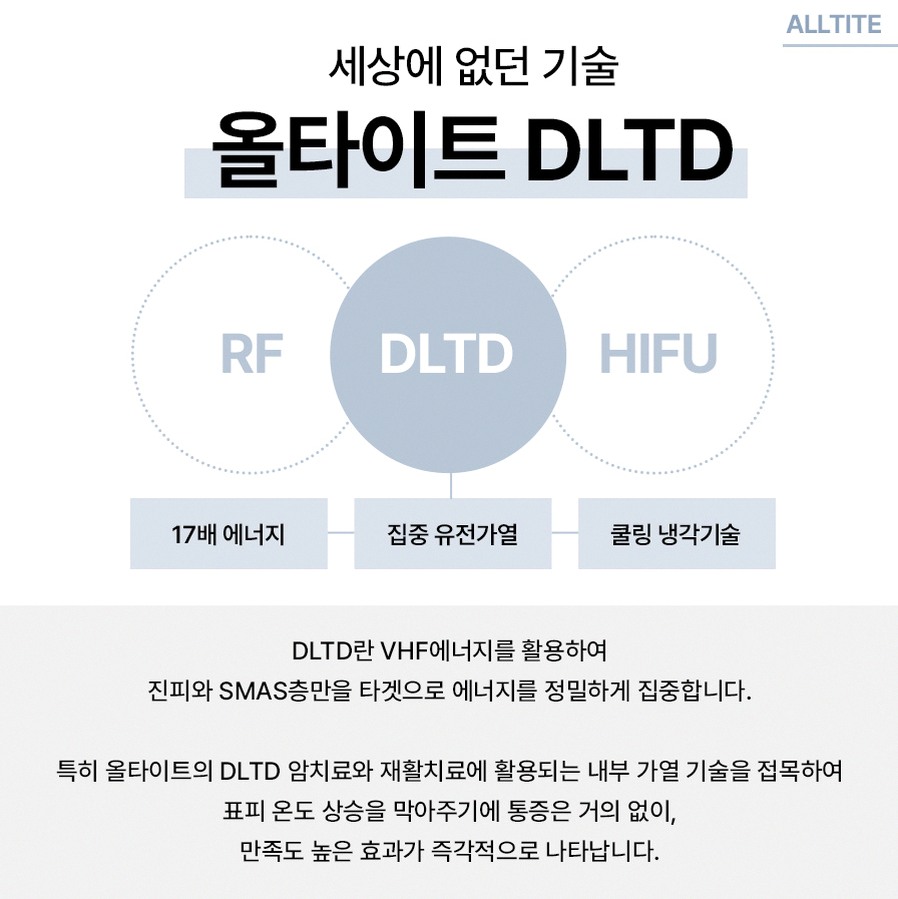
After the session, cooling or a soothing mask pack is commonly applied to calm the skin. Some clinics, such as Lamar Premier Clinic, use a structured multi‑step process for skin procedures, including consultation, cleansing, scaling, treatment, mask pack, and finishing care. This type of stepwise approach can help reduce irritation and support recovery.
Aftercare and recovery
After All Tight, you will usually be advised to use gentle skincare and strong sun protection. The skin may be more sensitive to UV light for a short period, so daily sunscreen and avoiding direct strong sun exposure are important.
You are often asked to avoid harsh exfoliation, scrubs, or acid products for several days. High‑heat environments such as saunas, very hot baths, or intense exercise that overheats the face may also be restricted for a short time.
Temporary redness, swelling, mild pain, or a tight sensation can occur and usually settle on their own. The clinic should give you clear instructions on what is normal and when you should contact them.
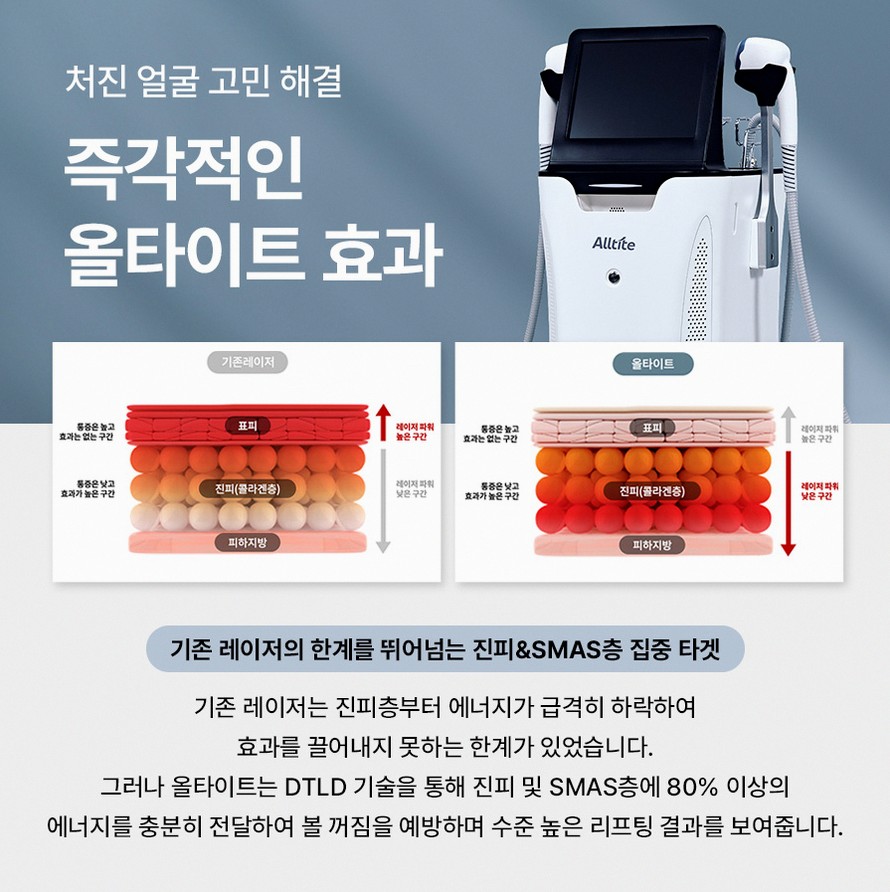
Follow‑up visits are often scheduled to monitor your skin’s response and to plan the next session if a series is recommended. Many people repeat tightening treatments at intervals for maintenance, as aging and gravity continue over time.
How to choose a Pyeongchon All Tight clinic
When you search for a good All Tight clinic in Pyeongchon or near Beomgye Station, it helps to look beyond advertisements and focus on objective points.
Device and treatment options
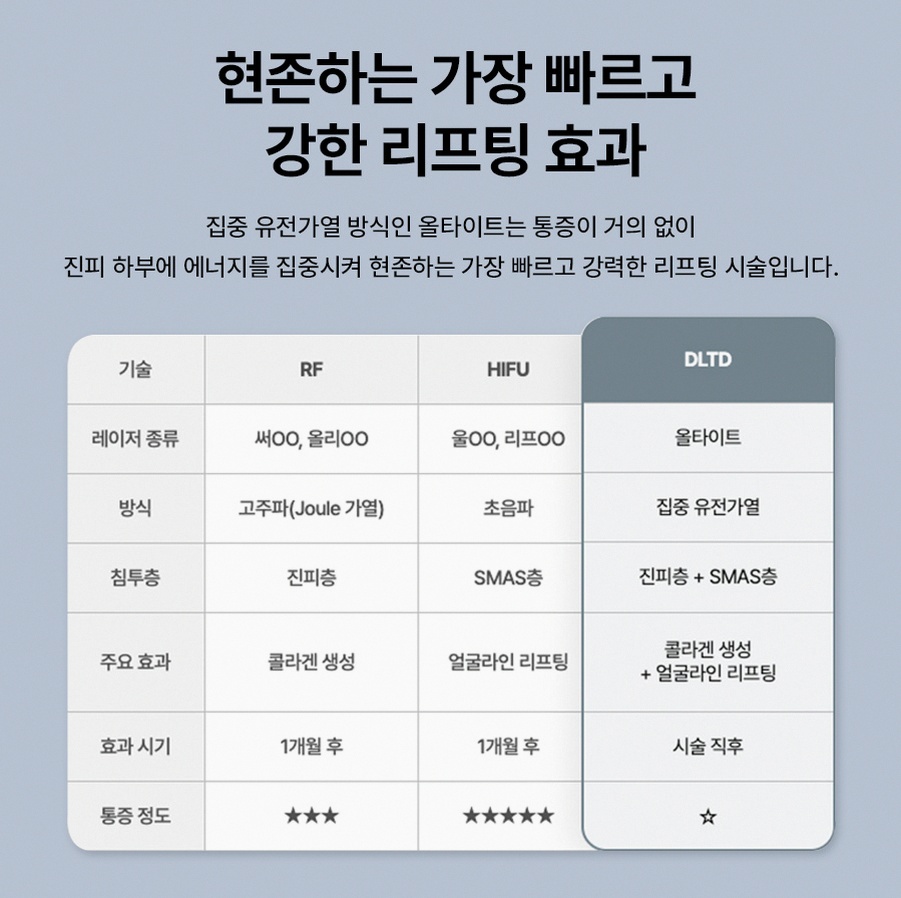
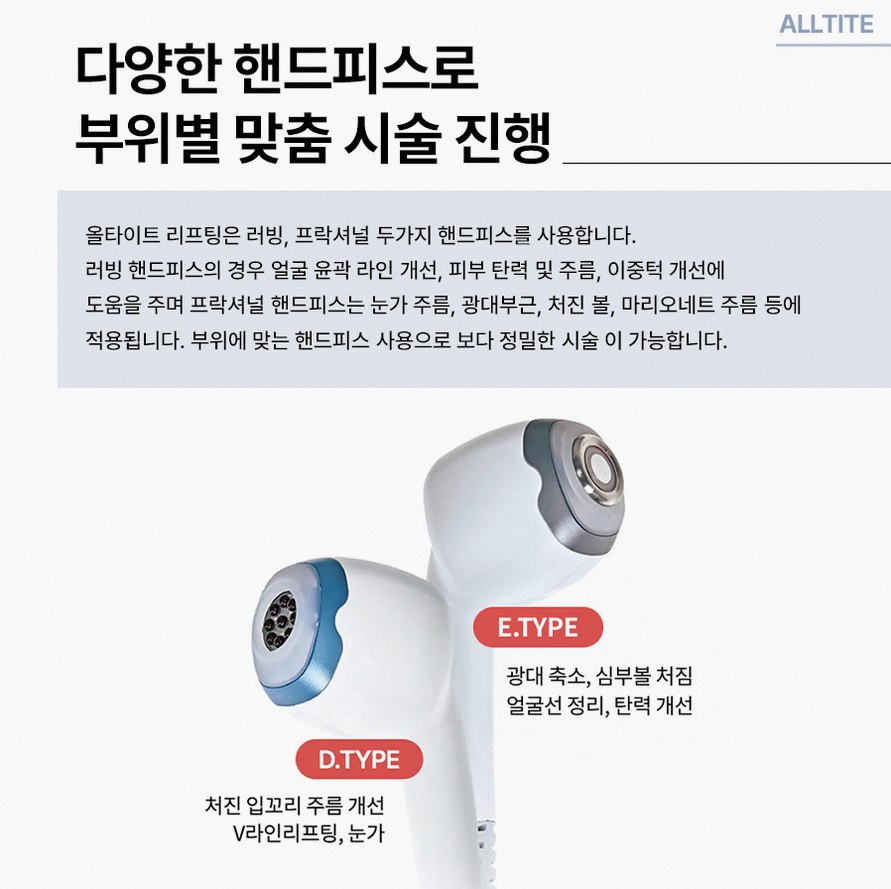
Clinics that have multiple lifting and tightening devices can more easily tailor treatment to your skin. For example, some may offer HIFU‑type lifting, radiofrequency lifting, needle RF, thread lifting, and laser lifting in addition to All Tight.
If All Tight is one of several options, the doctor can compare which method or combination is better for your skin thickness, pain tolerance, and budget. For example, deeper HIFU may be chosen for structural lifting, while All Tight or RF can refine skin texture and surface tightening.
Doctor’s background and consultation quality
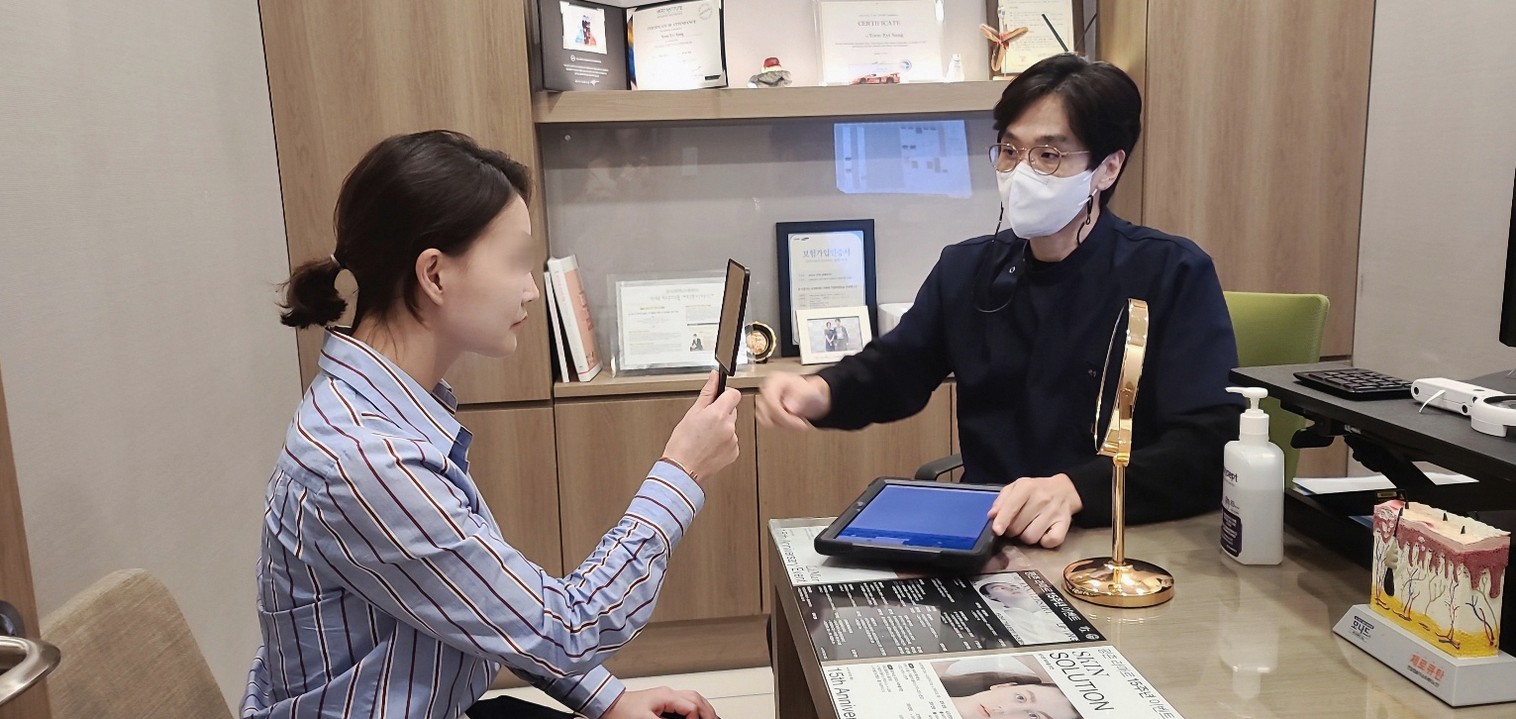
Check the doctor’s training and experience with aesthetic lifting procedures. During consultation, observe whether the doctor directly evaluates your skin laxity, explains the pros and cons of All Tight versus other options, and sets realistic expectations.
You should feel comfortable asking questions about the procedure, pain control, downtime, and possible side effects. A good consultation is usually detailed, not rushed, and includes a clear explanation of what All Tight can and cannot do.
Diagnosis‑based planning
Effective lifting often requires understanding why your face looks tired or sagging. Is it mainly skin laxity, volume loss, or texture changes? A diagnosis‑based plan may combine tightening with volume replacement or skin‑texture care when needed.
Some clinics in the Pyeongchon area, such as Lamar Premier Clinic, emphasize planning treatments according to skin condition and the cause of concerns. They may, for example, treat pigmentation by type and depth or redness by cause and vessel characteristics, and then add lifting for elasticity. This kind of thinking can be helpful when you choose a clinic, even if you ultimately select a different provider.
Process and aftercare
Ask the clinic to explain the full procedure steps, from preparation to finishing care. Clarify how they manage pain, what products they apply after the device treatment, and how they handle any unexpected reactions.
It is also important to know whether follow‑up visits are available and how side effects are managed if they occur. Clinics with a clear aftercare system and easy communication channels are often more reassuring for overseas patients.
Safety and realistic communication
Be cautious of clinics that guarantee dramatic or permanent results or use absolute expressions. All Tight can help with early to moderate sagging, but results vary and maintenance is usually needed.
Look for clinics that openly explain possible side effects, limitations of the procedure, and the expected duration of effects. Honest communication is a key part of safety.
Lamar Premier Clinic as one example in Pyeongchon
Lamar Premier Clinic is located in Dongan‑gu, Anyang, Gyeonggi‑do, within walking distance of Beomgye Station on Line 4, in the Pyeongchon commercial area. For international patients staying in this district, the location can be convenient.
The clinic’s representative doctor is reported as Choi Won Jin, an anesthesiology and pain medicine specialist who graduated from Hanyang University College of Medicine. Goodoc listings indicate that several doctors work at this address.
In terms of lifting and anti‑aging, Lamar Premier Clinic offers a broad lineup including options such as Ulthera Prime, XERF lifting, InMode lifting, Oligio, thread lifting, laser lifting, and needle RF (Florasel). This illustrates how some clinics can select or combine procedures according to skin condition and degree of sagging instead of relying on a single device.
The clinic also has more than 14 types of skin and body devices, for example hydrogen toning, Clarity, Volumer, and Florasel. This variety supports customized plans for pigment issues, redness, pores, and elasticity.
In addition to facial lifting, the clinic covers pigmentation and toning, redness, texture and pores, skin boosters and injectables, and body contouring such as fat injections, liposuction, and diet programs. For overseas visitors, such one‑stop care can be practical when planning a short medical tourism trip, although it is still important to compare with other clinics and choose what fits your needs.
Combining All Tight with other treatments
All Tight is often part of a wider anti‑aging plan rather than a stand‑alone solution. Depending on your concerns, clinics may suggest combining it with other procedures.
HIFU or ultrasound lifting can target deeper layers for structural lifting, while All Tight or RF‑type treatments focus more on skin tightening and texture. Thread lifting may be considered when there is more noticeable sagging and a need for mechanical support.
Skin boosters, injectables, or volumizing treatments can be added when volume loss contributes to a tired appearance. In some cases, pigment or redness treatments are done first to even out skin tone, followed by tightening for elasticity.
For body concerns, some clinics offer body contouring or fat reduction programs alongside facial lifting. This may appeal to international patients who want to manage both facial elasticity and body line during one visit to Korea.
Safety, side effects, and precautions
All medical procedures carry risks, and All Tight is no exception. Common temporary side effects include redness, swelling, mild pain or heat sensation, dryness, or transient sensitivity in the treated area. These usually resolve within a few days.
More serious side effects are less common but can include burns, blisters, pigmentation changes, or textural changes if parameters are not appropriate or if aftercare is poor. This is why it is important to have the procedure performed by trained medical staff who understand the device and your skin type.
Before treatment, inform the doctor if you are pregnant, breastfeeding, have implanted devices, have a tendency to form keloid scars, or have had recent procedures in the same area. These factors can influence whether All Tight is suitable for you or how it should be adjusted.
After treatment, follow the clinic’s instructions on skincare, sun protection, and avoidance of irritants. If you notice unusual pain, strong swelling, blisters, or color changes, contact the clinic promptly.
Online consultation and pre‑visit preparation for overseas patients
If you live abroad and are planning to visit Korea for All Tight, an online consultation before your trip can save time. Many clinics in the Pyeongchon and Beomgye Station area accept inquiries through email, messaging apps, or their website.
Before contacting a clinic, prepare clear photos of your face from the front and both sides under natural light. Make a list of your main concerns, such as jawline sagging, nasolabial folds, or enlarged pores, and note any previous procedures and current medications.
Useful questions to ask include:
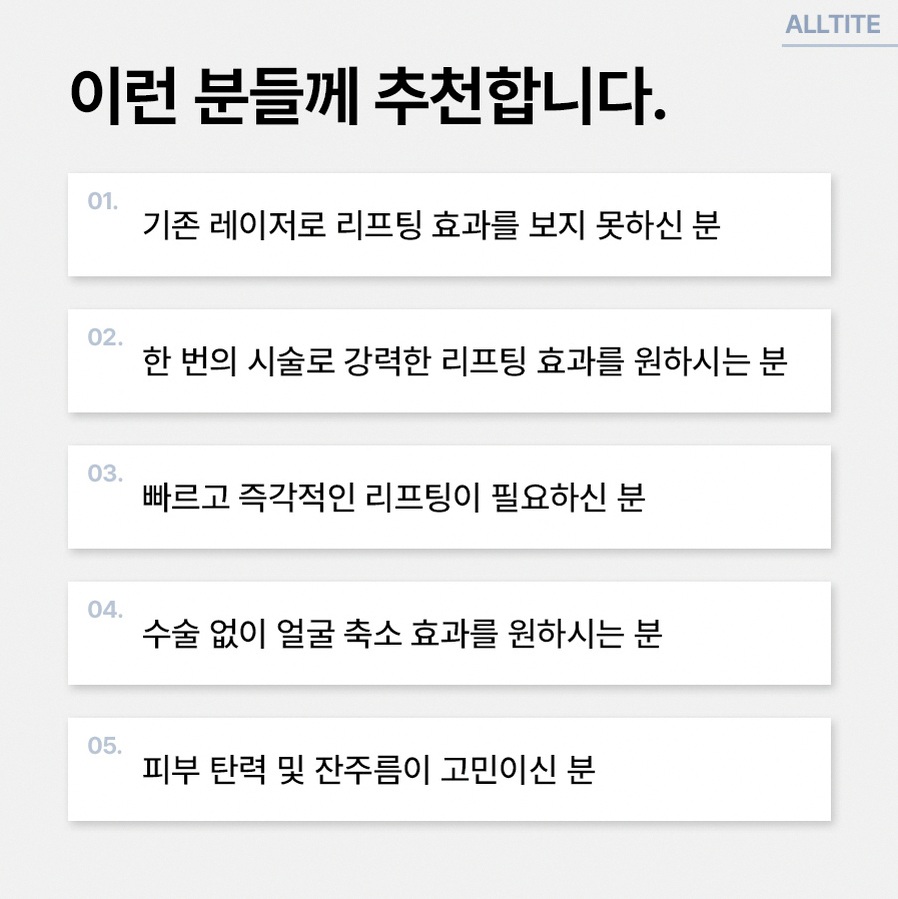
How many All Tight sessions are typically recommended for someone with my level of sagging?
What other lifting options do you offer, and how do they differ from All Tight?
What is the expected downtime and when can I return to work or sightseeing?
How are side effects handled if they occur after I return to my country?

By asking these questions in advance, you can compare clinics more objectively and plan your travel schedule more accurately.
Expected Korea visit timeline for All Tight
For a simple All Tight course, many overseas patients can plan a short stay.
Day 1: In‑person consultation, detailed skin assessment, and possibly the first All Tight session if both you and the doctor agree. Allow enough time for paperwork, discussion, and treatment.
Day 2–3: Light aftercare and observation. You may be able to enjoy gentle sightseeing or shopping in the Pyeongchon area, while avoiding strong sun and very hot activities.
If multiple sessions are required, they are often spaced weeks apart. Some international patients schedule one session during each visit to Korea, while others plan a longer stay to complete a short series. Discuss this in advance during online consultation so that your travel and treatment schedules match.
Aftercare and follow‑up from abroad
Once you return home, continue sun protection and gentle skincare as advised. Many clinics are willing to review follow‑up photos by email or messaging to check your progress.
If you experience any worrying symptoms, contact the clinic that performed the treatment and, if needed, see a local doctor in your country. Keep a record of the device used, energy settings if available, and the date of treatment, as this information can help other medical professionals understand what was done.
Frequently asked questions about All Tight in Pyeongchon
What is the difference between All Tight and HIFU lifting?
Practitioners often distinguish treatment approaches by the type of energy and the depth they target: some energy-based tightening methods focus on more superficial dermal layers, while high-intensity focused ultrasound (HIFU) is designed to reach deeper tissues in certain protocols. Which approach is more appropriate depends on your specific concerns—surface texture and fine lines versus deeper structural lift—and on individualized assessment. Consult a clinician to determine whether a particular device or a combination of modalities is right for you.
How many All Tight sessions do I usually need?
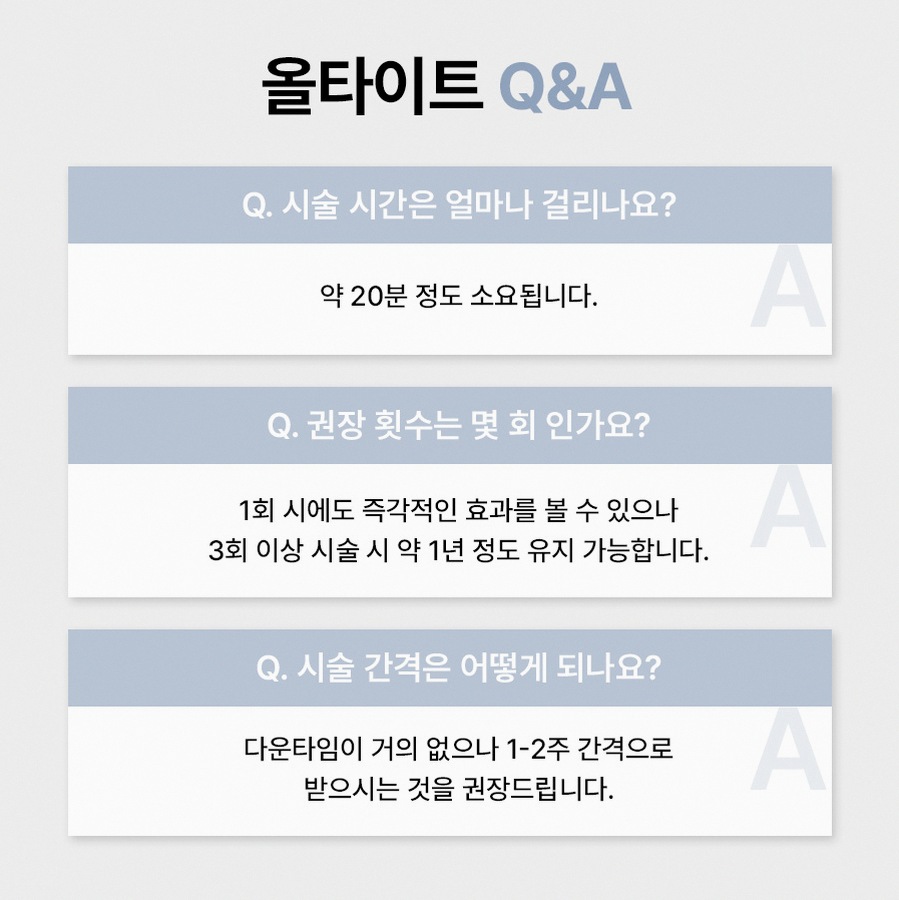
The number of sessions depends on your age, degree of sagging, and skin condition. Many people start with a series of sessions spaced several weeks apart, followed by maintenance once or twice a year. Your doctor can suggest a plan after examining your skin in person.
Is All Tight suitable for severe sagging?
All Tight is generally more effective for mild to moderate sagging and early signs of aging. For severe laxity, non‑surgical methods alone may not be enough, and other options may be recommended. A face‑to‑face consultation is necessary to decide whether All Tight, other lifting procedures, or a combination is more appropriate.
Can overseas patients safely get All Tight during a short trip to Korea?
Many overseas patients do receive All Tight during short visits, but safety depends on proper consultation, realistic planning, and careful aftercare. It is important to have an online consultation before your trip, schedule enough time for in‑person assessment, and understand possible side effects. Make sure you can reach the clinic after returning home if you have questions.
Soft call to action for online consultation
If you are considering All Tight in the Pyeongchon and Beomgye Station area, start by gathering information and comparing clinics based on devices, doctor experience, and consultation quality. Clinics such as Lamar Premier Clinic, with a broad lifting lineup and multiple skin and body devices, can be one of the options you review.
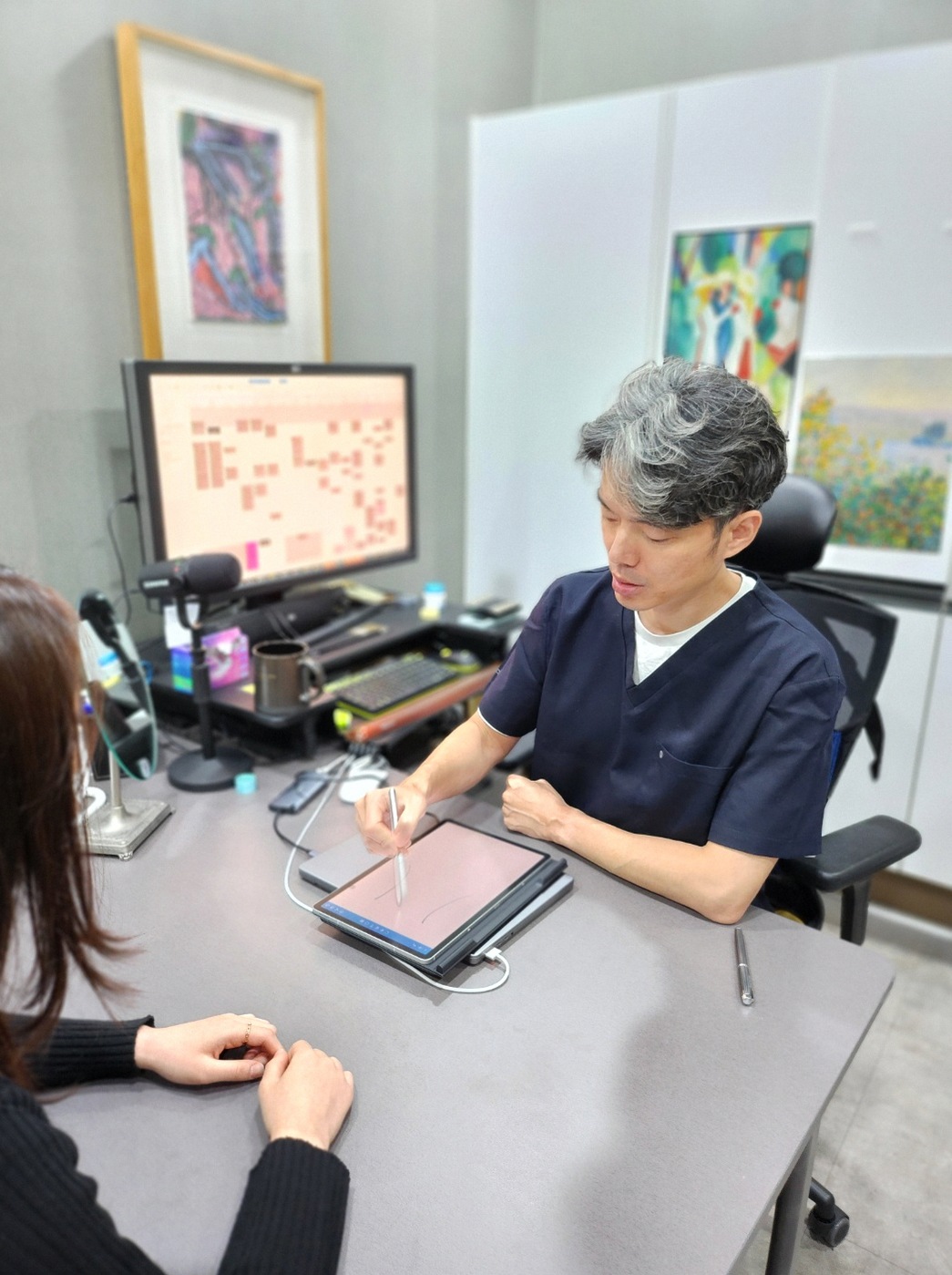
Before booking flights, consider sending your photos and questions for an online consultation. This will help you understand whether All Tight is suitable for you, how many sessions may be needed, and how to fit treatment into your Korea visit. Careful preparation and diagnosis‑based planning are more important than choosing only by price or name.
- 공유 링크 만들기
- X
- 이메일
- 기타 앱


댓글
댓글 쓰기