Pyeongchon Juvelook Guide for International Patients Considering Collagen Skin Boosters
- 공유 링크 만들기
- X
- 이메일
- 기타 앱
Direct answer summary
If you're searching for “Pyeongchon Juvelook,” you may be looking for a skin booster that some providers describe as collagen‑stimulating to improve pores, fine lines, acne scars, and overall texture. In the Pyeongchon area near Beomgye Station (Dongan‑gu, Anyang), clinics that focus on anti‑aging often include Juvelook as one element of a broader, structured treatment plan alongside lifting devices and skin programs rather than as a stand‑alone quick fix. Confirm product details and a tailored plan with the clinic.
This guide explains what Juvelook is, who may consider it, how a multi-device clinic typically plans treatment, what a session may look like, and what overseas patients can expect when visiting Korea.
What is Juvelook and who is it for
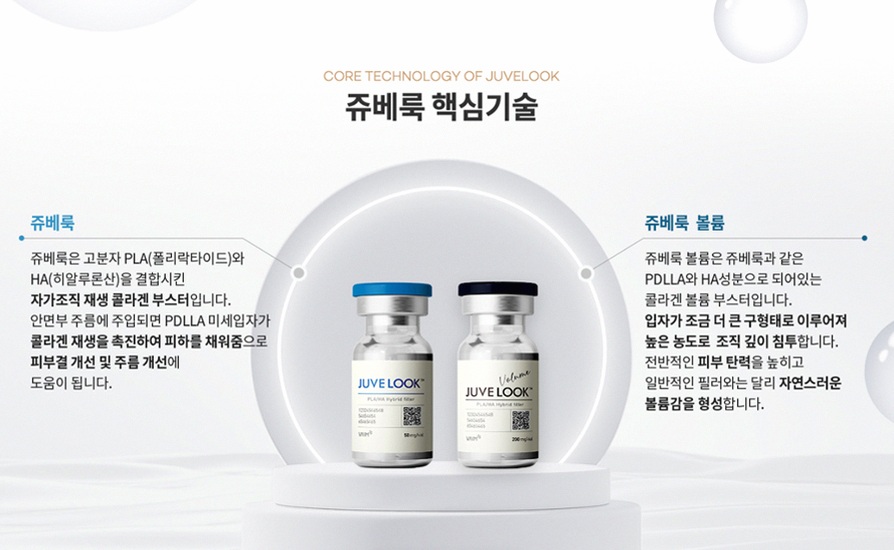
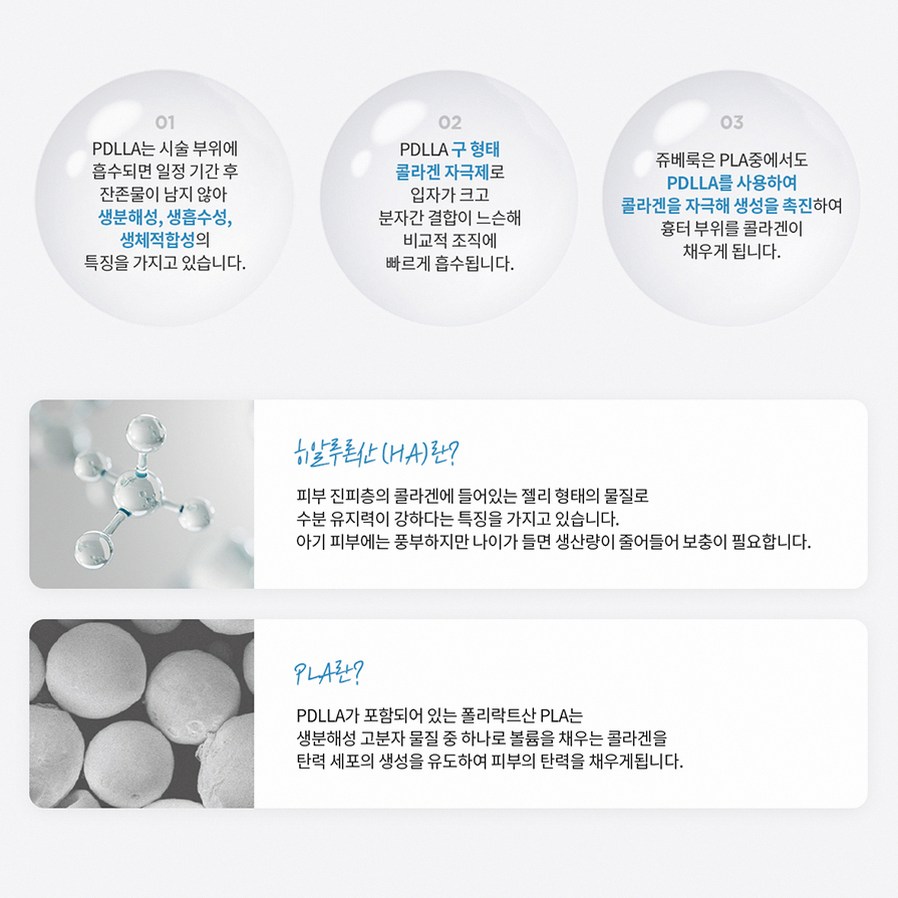
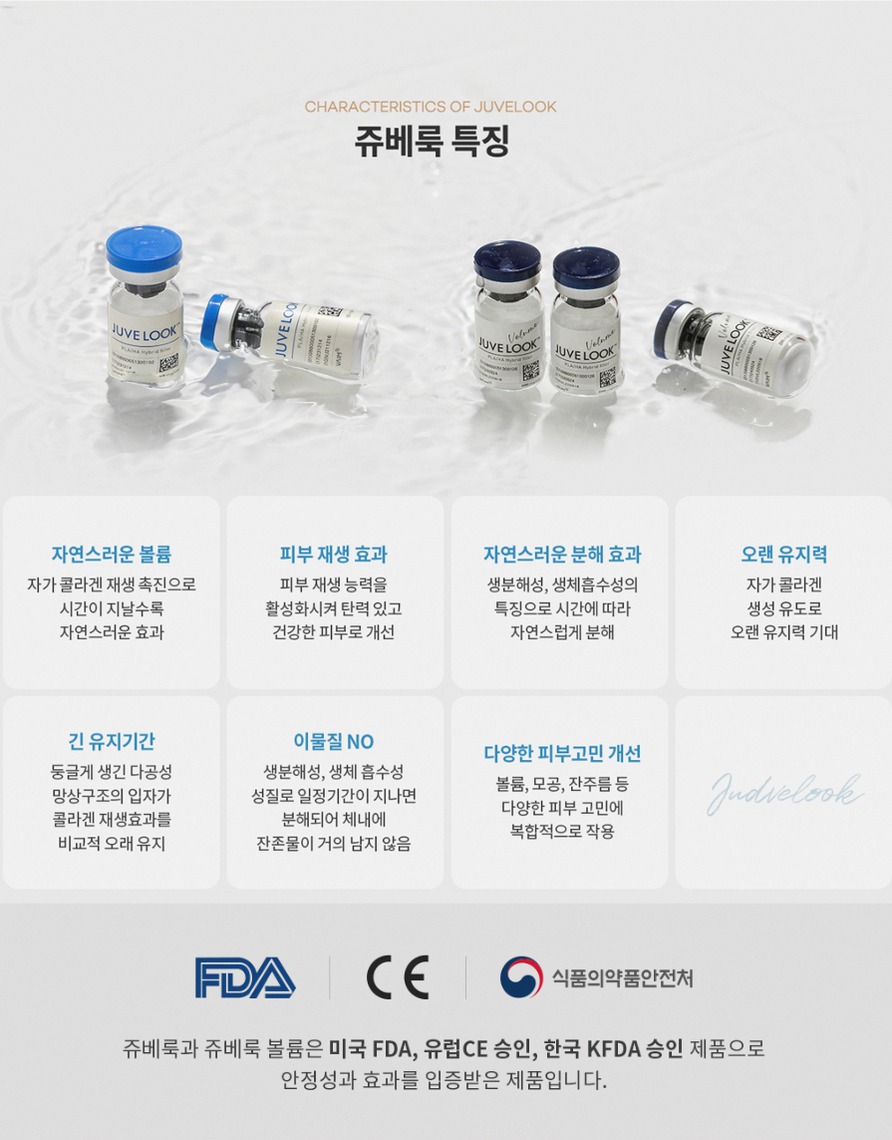
Juvelook is described by some providers as a collagen‑stimulating skin booster; confirm the product’s specific ingredients and mechanisms with Lamar Premier Clinic or your treating physician. Providers often distinguish skin boosters from volumizing fillers based on their intended purpose, with boosters focused on improving overall skin quality. Ask the clinic how Juvelook compares with other injectable options and which one is right for your concerns.
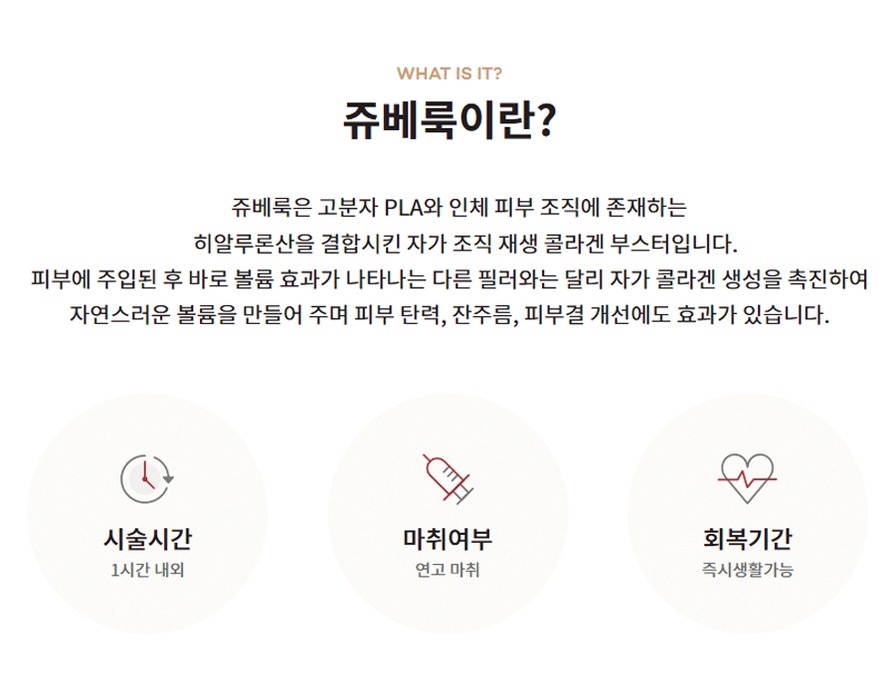
Typical concerns for Juvelook include early fine lines around the eyes and mouth, enlarged pores on the cheeks and nose, depressed acne scars, rough or uneven skin texture, and mild loss of elasticity that makes the skin look tired or dull. It can also be considered when the skin tone looks uneven because of shadowing from small depressions and textural irregularities.
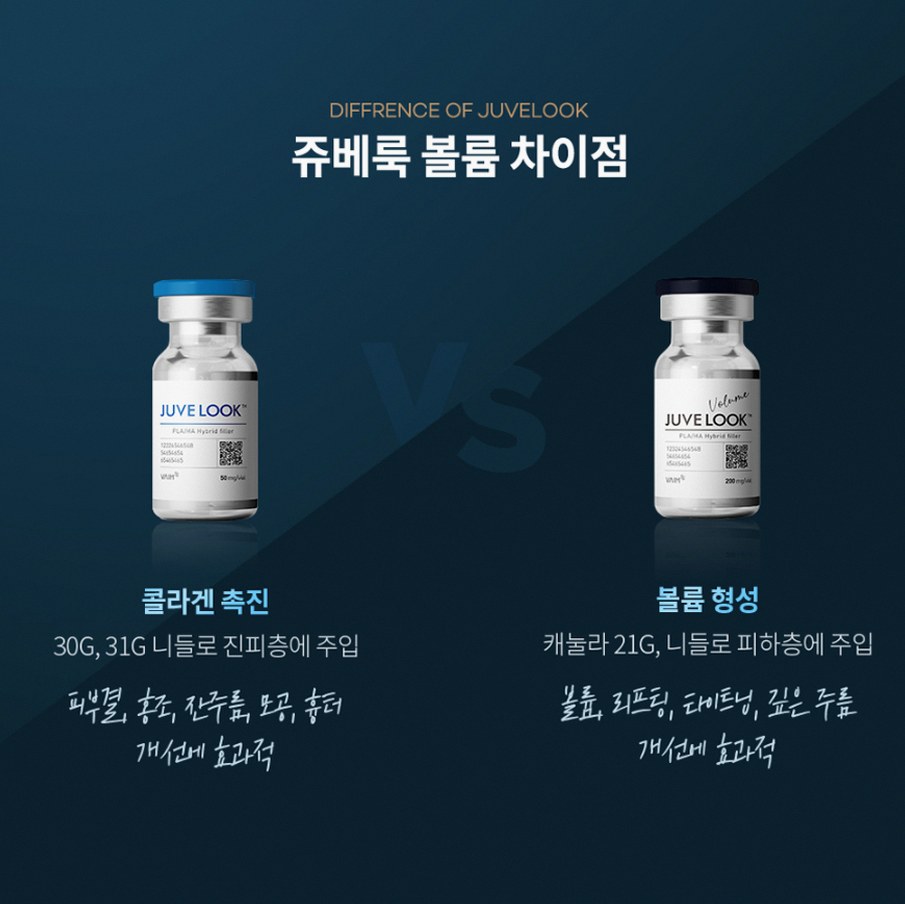
Compared with moisture-focused skin boosters that rely on hyaluronic acid to hydrate the skin, Juvelook focuses more on collagen regeneration and long-term texture improvement. Hydration can improve glow for a short period, but collagen-related changes tend to develop more slowly and can last longer, although this varies by person.
Juvelook in the Pyeongchon area
The Pyeongchon area in Dongan-gu, Anyang, is conveniently accessed via Beomgye Station on Line 4. Around this area, you can find clinics that focus on lifting and anti-aging, combining energy devices with injections and skin boosters.
At such clinics, including Lamar Premier Clinic near Beomgye Station, Juvelook is usually one option within a wider lineup that may also include other skin boosters, water glow type injections, botulinum toxin, and fillers. Because these clinics often also provide body contouring and lifting procedures, it is possible to plan both facial texture care and body line management in one place if needed.
For international patients, the location near a subway station can make it easier to combine treatment days with sightseeing or work schedules, especially if you are staying in central Seoul and commuting to Anyang.
How Juvelook differs from other skin boosters
Many people first hear about skin boosters in the context of hyaluronic acid injections that give a dewy, hydrated look. Juvelook is different in several ways.
Mechanism of action
Hyaluronic acid based boosters mainly attract and hold water in the skin. This can improve glow and fine lines caused by dryness, but the effect often decreases as the product is broken down.
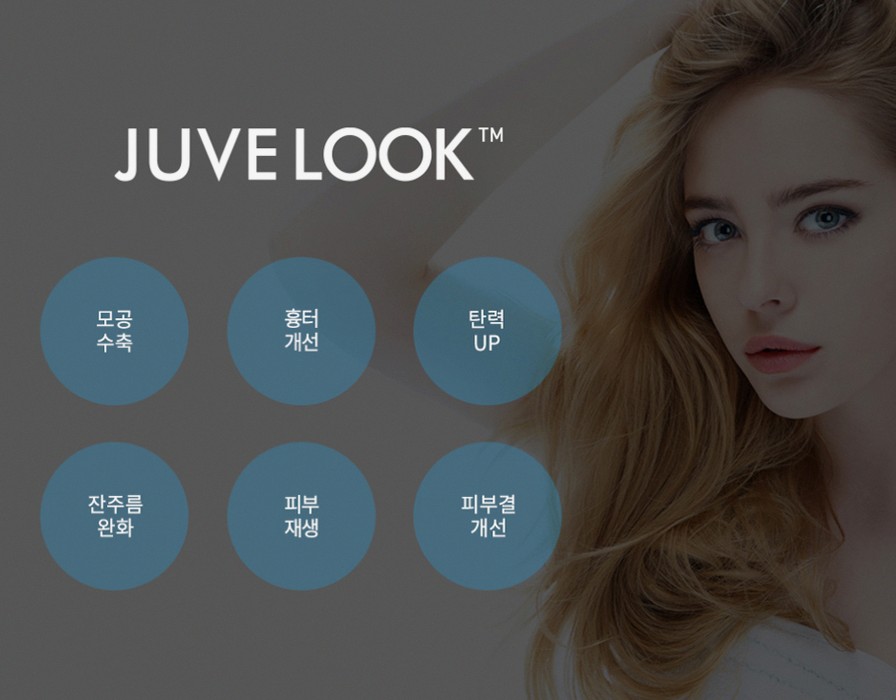
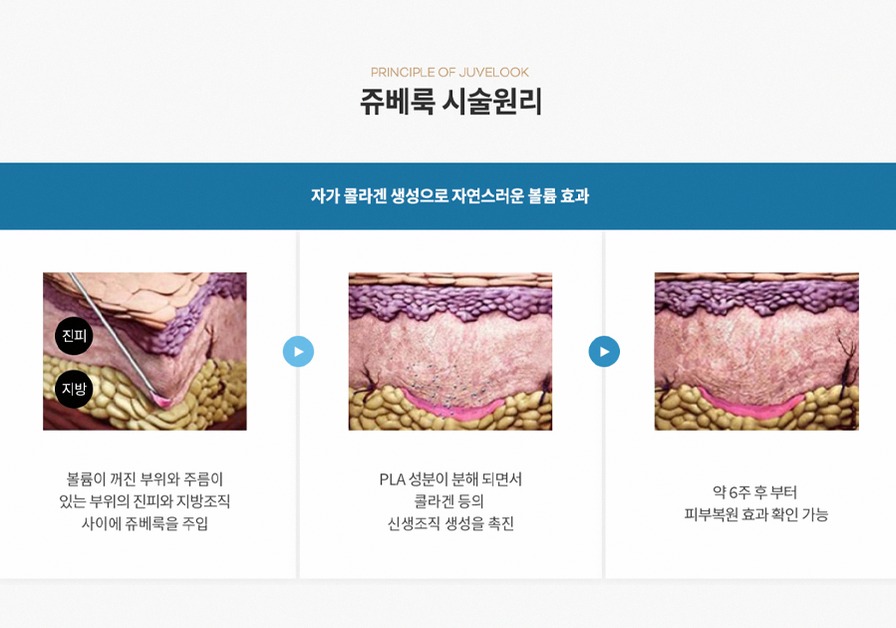
Juvelook’s polylactic acid component is designed to act as a trigger for collagen production. After injection, the material gradually stimulates fibroblasts in the dermis to build new collagen fibers. The goal is to improve the underlying structure of the skin rather than just surface moisture.
Timeline of improvement
With hyaluronic acid boosters, many people notice a plumper, more hydrated look within days. Reports about Juvelook indicate that meaningful changes may develop more gradually over weeks to months as the skin response evolves; however, timing and treatment schedules vary by patient and clinic. Many providers may recommend multiple sessions or follow‑up visits as part of a personalized plan—your doctor will propose a schedule based on assessment and goals.
When Juvelook may be preferred
Juvelook may be considered when the main issues are enlarged pores, acne scars, or fine wrinkles that are related to loss of dermal support. It can be helpful when the skin looks uneven even with good moisturizers and basic care.
In contrast, a different type of skin booster or a filler might be suggested if the main concern is deep static wrinkles that need volume support, or if the priority is short-term hydration before an event. The choice depends on your skin condition, goals, and how much downtime you can accept.
Customized Juvelook plans based on skin diagnosis
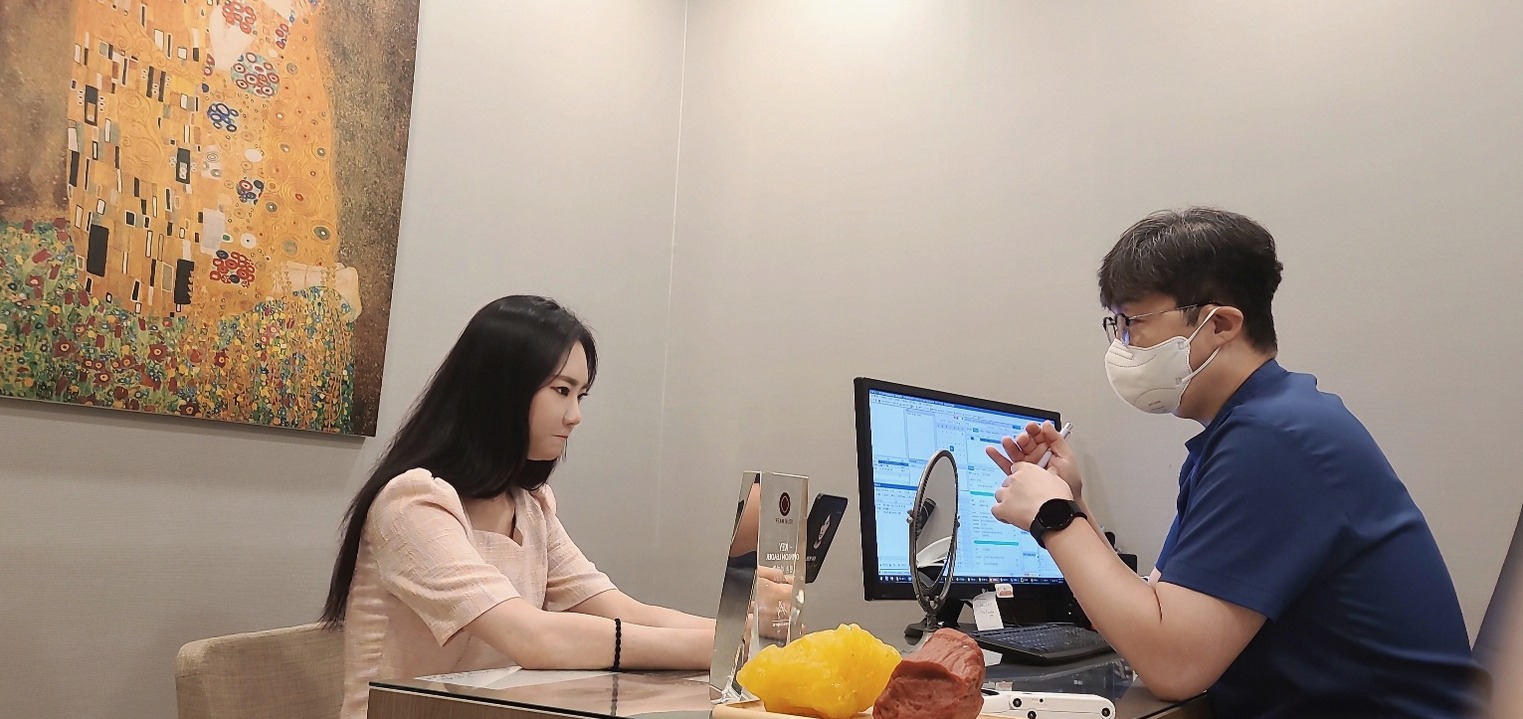
Before deciding on Juvelook, a careful skin diagnosis is important. In a lifting and anti-aging oriented clinic, the doctor typically looks at several aspects rather than only one symptom.
Key points in assessment
The doctor may assess pigment and redness to see whether there are issues like melasma, sun spots, or diffuse redness that might need laser toning or vascular treatment. Scar depth and type are examined to distinguish between shallow rolling scars and deeper boxcar or icepick scars. Pore size and distribution are checked, as well as overall elasticity and degree of sagging.
Cause-based treatment concept
Many clinics follow a cause-based approach. For example, pigment and redness may be addressed with specific lasers and light devices, while texture and scars are managed with collagen-inducing methods such as Juvelook, needle RF, or microneedling. Laxity and sagging may be approached with lifting devices like Ulthera Prime, XERF lifting, InMode, or thread lifting.
In this framework, Juvelook is placed in the texture and scar category. It can be used alone or combined with other procedures depending on what is driving your main concerns.
Possible combination treatments
Because some clinics in the Pyeongchon area have more than 14 types of devices for skin and body, they can tailor combination plans around Juvelook. Examples include pairing Juvelook with aqua peel for deep cleansing before injections, PDT for active acne if breakouts are present, needle RF for deeper collagen remodeling, or laser toning for pigment and overall tone.
The exact combination is not fixed. It is adjusted based on your skin type, sensitivity, downtime tolerance, and schedule as an overseas visitor.
Example of a structured Juvelook session
A typical Juvelook session in a structured clinic may follow a 6-step standard process. Details vary by clinic, but the flow often looks like this.
Step 1: Consultation
You meet the doctor to discuss your main concerns, medical history, allergies, medications, and previous procedures. Photos may be taken for documentation. The doctor explains whether Juvelook is suitable, how many sessions may be recommended, and possible combination treatments.
Step 2: Cleansing
Professional cleansing removes makeup, sunscreen, and surface impurities. This helps reduce the risk of contamination during injections and allows the doctor to clearly see your skin condition.
Step 3: Scaling or basic preparation
Some clinics perform gentle exfoliation or scaling to remove dead skin cells. This can help the skin receive treatment more evenly. If needed, numbing cream is applied and allowed to work for a set period to reduce discomfort during the injection process.
Step 4: Juvelook injection procedure
The doctor injects Juvelook into targeted areas. Techniques may include multiple microinjections across the face or focused injections into acne scars and areas with pronounced pores or wrinkles. A doctor with an anesthesiology and pain medicine background can plan numbing and pain control methods, but each person’s pain perception is different, so a completely painless experience cannot be promised.
Step 5: Soothing mask pack
After injections, the skin may feel warm or sensitive. A calming mask pack or soothing treatment is applied to help reduce redness and provide comfort. This step also supports the skin barrier after the procedure.
Step 6: Finishing care
Finishing care may include gentle products for hydration and barrier support, as well as sunscreen if you are leaving the clinic during the day. Post-treatment instructions are given, including what to avoid and how to care for your skin in the following days.
Combination options with lifting devices and other treatments
Juvelook focuses on skin quality, pores, and mild laxity. It is not a replacement for surgical lifting or full-face fat removal. When deeper sagging is present, doctors may suggest combining Juvelook with lifting procedures.
Possible lifting combinations
Energy-based lifting devices such as Ulthera Prime, XERF lifting, and InMode are often used to target deeper layers like the SMAS and subcutaneous tissue. Thread lifting may also be considered for mechanical support in selected patients.
In a multi-device clinic, Juvelook can be scheduled on the same day or on a different day from lifting treatments, depending on your skin condition and travel schedule. The doctor decides the order and timing to balance effectiveness and safety.
Flexibility from multiple devices
Having more than 14 devices for skin and body allows the clinic to avoid a one-size-fits-all protocol. For example, a patient with mainly pores and scars might focus on Juvelook plus needle RF and MTS, while someone with early jowls and neck laxity might combine lifting devices with Juvelook for fine lines and texture.
These combinations are not mandatory. Some patients choose to start with Juvelook alone and add other treatments later after seeing how their skin responds.
What to expect after Juvelook: results and downtime
Immediately after Juvelook injections, it is common to experience temporary effects at the injection sites.
Typical short-term reactions
You may notice redness, mild swelling, small bumps where the product was placed, or slight bruising. These usually improve over several days. Makeup may be allowed after a certain period, depending on the clinic’s protocol and your skin’s reaction.
If you are visiting from overseas, it is advisable not to schedule your Juvelook session on the very last day of your trip, in case your skin needs a few days to calm down.
Timeline of visible changes
Because Juvelook works by stimulating collagen, visible changes in texture and elasticity are gradual. Some people notice subtle improvements after a few weeks, with further changes over several months. Multiple sessions are often recommended, spaced several weeks apart.
Results are not permanent and vary by individual. Factors such as age, lifestyle, sun exposure, and general health can influence how long the effects seem to last. Maintenance sessions may be suggested.
Realistic expectations
Juvelook can soften fine lines, improve the appearance of pores and shallow scars, and make the skin look smoother. However, it does not create the same effect as surgery, and it may not fully correct deep wrinkles or very pronounced scars. No clinic can guarantee specific results, and responses differ from person to person.
Safety, contraindications, and aftercare
As with any injection-based procedure, safety starts with a thorough consultation and honest communication.
Who may need extra caution
Patients with known allergies to injection components, autoimmune conditions, bleeding disorders, or those taking blood-thinning medications should inform the doctor in advance. Active skin infections, severe acne flare-ups, or open wounds in the treatment area may require postponing Juvelook.
Pregnant or breastfeeding patients, or those planning major medical procedures, should discuss timing and suitability with their healthcare providers.
General aftercare guidance
After Juvelook, clinics usually recommend avoiding intense heat such as saunas, hot baths, or very hot yoga for a short period. Vigorous exercise that increases facial flushing might also be limited for a day or two, depending on your condition.
Sun protection is important. Use a broad-spectrum sunscreen and avoid strong sun exposure while the skin is recovering. Harsh exfoliation, scrubs, or strong active ingredients should be paused until the clinic confirms it is safe to resume.
If you notice unusual or prolonged symptoms such as significant pain, persistent hard nodules, or extensive redness, you should contact the clinic promptly for evaluation.
Online consultation and pre-visit preparation for overseas patients
If you are considering Juvelook in Pyeongchon while living abroad, an online consultation can help you plan efficiently.

Information to prepare
Before contacting the clinic, it is useful to prepare clear photos of your face in good lighting from the front and both sides. Make a list of your main concerns, such as pores on the cheeks, acne scars on the temples, or fine lines under the eyes. Note any previous procedures, including lasers, injections, or surgeries, and when they were done.
Also prepare a list of medications and supplements you are taking, as well as any known allergies. This helps the doctor assess safety and timing.
Questions you may want to ask
International patients often find it helpful to ask how many sessions are typically suggested for their condition, how far apart the sessions should be, and how much visible downtime they should expect. You may also ask whether Juvelook alone is recommended or whether a combination with other treatments like needle RF, aqua peel, or lifting devices is advisable in your case.
Clarifying whether you can safely fly soon after treatment, and how many days you should stay in Korea between sessions if you plan multiple visits, can also guide your travel planning.
Expected Korea visit timeline for Juvelook
For a single Juvelook session, many overseas patients plan to stay in Korea for at least several days.
A common simple schedule might look like this:
Day 1: Arrival, rest, possible in-person consultation if timing allows.
Day 2: Detailed consultation, skin analysis, and Juvelook treatment, with or without combination procedures.
Day 3–4: Follow-up check if needed, monitoring of redness or swelling, sightseeing or light activities.
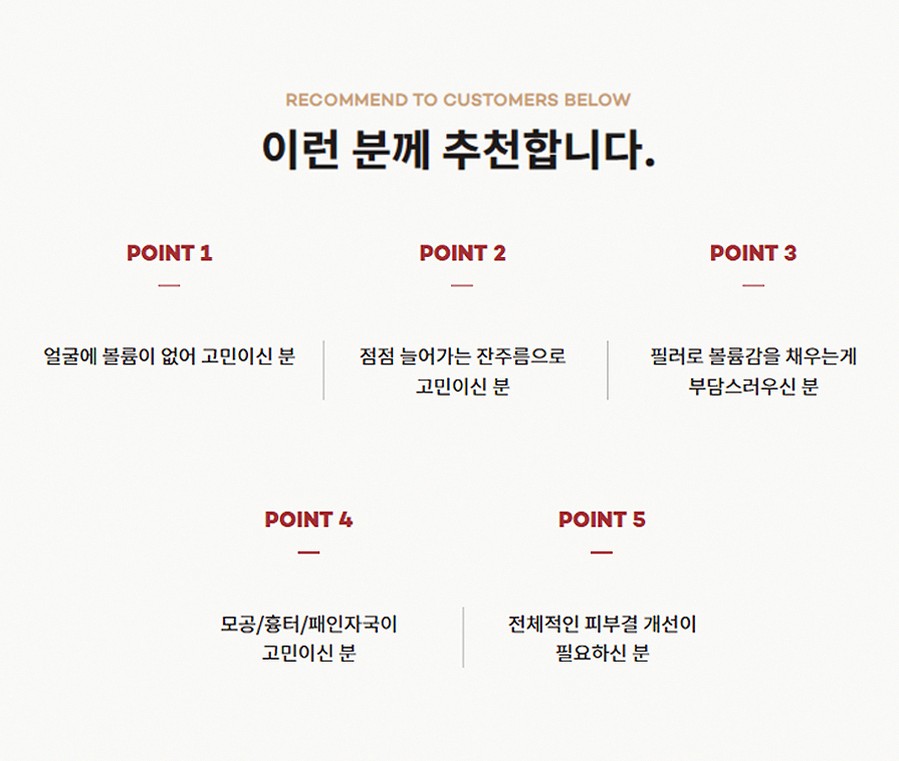
If you plan multiple Juvelook sessions, the doctor may recommend intervals of several weeks between treatments. In that case, you can either return to Korea for each session or discuss whether some parts of your plan can be continued in your home country.
Aftercare and long-term maintenance
After returning home, following the aftercare instructions from the clinic is important. Use gentle skincare, maintain good sun protection, and avoid aggressive at-home treatments until your skin has fully recovered.
For long-term maintenance, a balanced routine that includes sunscreen, appropriate moisturizers, and possibly mild active ingredients under guidance can support the benefits of Juvelook. Lifestyle factors such as not smoking, managing stress, and getting enough sleep also influence skin quality.
If you plan to combine Juvelook with other procedures in the future, inform any new clinic about your past treatments and timing so they can plan safely.
Frequently asked questions about Juvelook in Pyeongchon
How is Juvelook different from regular skin boosters?
Juvelook is based on polylactic acid, which is designed to stimulate collagen production in the dermis. Regular skin boosters are often hyaluronic acid based and mainly focus on hydrating the skin and adding slight volume. While hyaluronic acid boosters can give a quick dewy effect, Juvelook aims for more structural improvement in pores, fine lines, and scars over weeks to months. The choice between them depends on whether your priority is short-term glow or longer-term texture change.
How many Juvelook sessions are usually recommended and at what intervals?
The number of sessions varies by individual, but many patients are advised to have multiple treatments rather than a single session. A common pattern is to space sessions several weeks apart to allow collagen to build gradually. During consultation, the doctor will consider your age, skin condition, and travel schedule to suggest a realistic plan. Maintenance sessions may be proposed later if you wish to sustain the effect.

Can Juvelook help with both pores and acne scars?
Juvelook is often chosen for concerns that involve both enlarged pores and shallow depressed acne scars. By stimulating collagen, it may help tighten the appearance of pores and soften the edges of rolling or shallow scars. However, very deep scars or certain scar types may require additional treatments such as needle RF, MTS, or laser resurfacing. A face-to-face assessment is necessary to set realistic expectations and design a combined approach if needed.
Is there significant downtime after a Juvelook treatment?
Most people experience mild to moderate downtime rather than severe disruption. Redness, small bumps, and occasional bruising can appear in the treated areas and usually improve over several days. Some patients feel comfortable going back to work after a day or two, while others prefer to schedule the procedure before a weekend or holiday. If you are traveling, it is sensible to allow a few days in Korea after treatment in case your skin reacts more strongly than expected.
Can Juvelook be combined with lifting procedures like Ulthera or thread lifting?
Yes, Juvelook is sometimes combined with lifting devices such as Ulthera Prime, XERF lifting, or InMode, and in selected cases with thread lifting. Juvelook focuses on skin texture and mild laxity, while lifting procedures target deeper tissues to address sagging. The doctor will decide whether to perform them on the same day or in separate sessions, based on your skin status and tolerance. These combinations are optional and should be tailored to your goals and budget.
Who might not be a good candidate for Juvelook?
People with active skin infections, uncontrolled inflammatory skin diseases, or severe acne flare-ups in the treatment area may be advised to postpone Juvelook. Those with certain autoimmune conditions, bleeding disorders, or known allergies to injection components also require careful evaluation. Pregnant or breastfeeding individuals, and those planning major surgeries, should discuss timing and suitability with their medical providers before proceeding.
What kind of aftercare is needed following Juvelook injections?
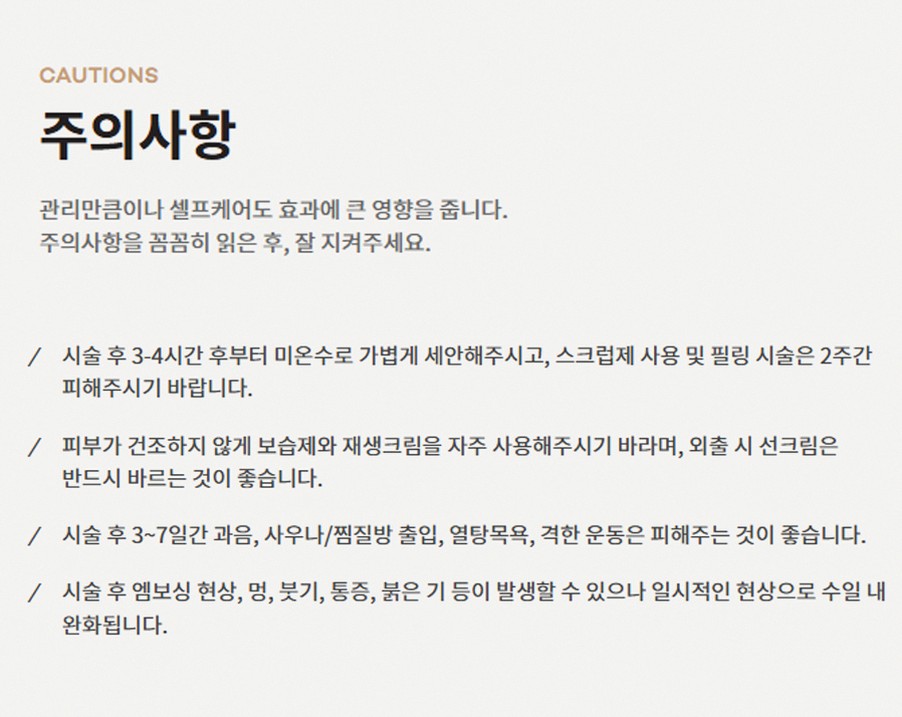
After Juvelook, you will usually be asked to avoid strong heat, saunas, and intense exercise for a short period. Gentle cleansing, soothing products, and consistent sunscreen are recommended while the skin recovers. Harsh scrubs, peels, or strong active ingredients should be paused until the clinic confirms they are safe to resume. If you notice unusual symptoms such as persistent pain, marked swelling, or hard nodules, you should contact the clinic promptly.
Soft call to action for online consultation
If you are considering Pyeongchon Juvelook while living overseas, arranging an online consultation with a clinic such as Lamar Premier Clinic near Beomgye Station can help you understand whether this collagen-stimulating skin booster fits your needs. By sharing clear photos, your medical history, and your travel plans in advance, you can receive a more personalized suggestion for session numbers, possible combination treatments, and an appropriate visit timeline.
Use the consultation to ask detailed questions, compare options, and make sure you understand both the potential benefits and the limitations of Juvelook. This way, your trip to Korea can be planned around safe, realistic, and well-informed skin care decisions.
- 공유 링크 만들기
- X
- 이메일
- 기타 앱


댓글
댓글 쓰기