Severe Obesity Liposuction: What to Know Before Large-Volume Fat Removal in Korea
- 공유 링크 만들기
- X
- 이메일
- 기타 앱
Quick Summary
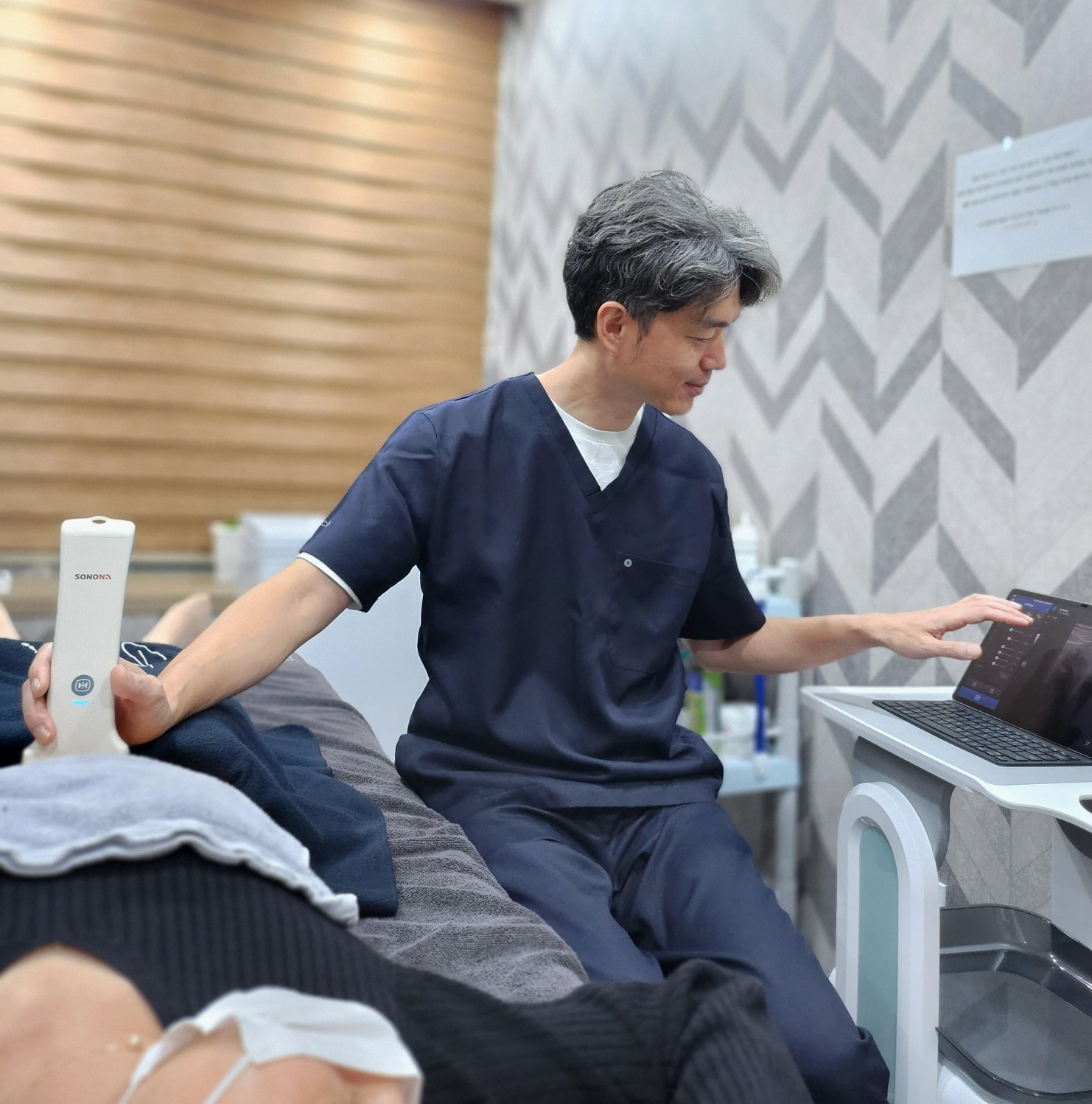
In Korea, clinics such as Lamar Premier Clinic may combine large-area liposuction with injection-based fat extraction, diet starter programs, and body contouring plans, while paying close attention to anesthesia and safety, especially for high-BMI patients.
This guide explains what severe obesity liposuction involves, who may consider it, how it is performed, what to expect during a visit to Korea, and how to prepare for online consultation and aftercare.
What severe obesity liposuction really means
Severe obesity liposuction refers to liposuction planned for patients with a high body mass index and significant fat accumulation in several large areas. Instead of treating just a small zone like the lower abdomen or a double chin, the goal is to contour multiple regions such as the abdomen, flanks, hips, thighs, and sometimes the full face.
The focus is on reducing subcutaneous fat, which is the fat under the skin that you can pinch. It is not a treatment for visceral fat, which is the fat around internal organs inside the abdomen. Because of this, severe obesity liposuction is better understood as a body-contouring and fat-reduction procedure, not a full obesity treatment on its own.
In many cases, large-volume liposuction is combined with lifestyle management, diet programs, and sometimes injection-based fat extraction to refine specific areas. The aim is to help reshape the body line and make it easier for patients to continue weight management with diet and exercise.
How it differs from small-area cosmetic liposuction
Small-area cosmetic liposuction usually targets one or two limited areas, such as the lower abdomen, love handles, or a small part of the thighs. The fat volume removed is relatively modest, and the procedure time and anesthesia needs are often shorter.
Severe obesity liposuction, in contrast, often involves
Multiple large areas: abdomen, flanks, hips, outer and inner thighs, and sometimes upper arms or full-face contouring.
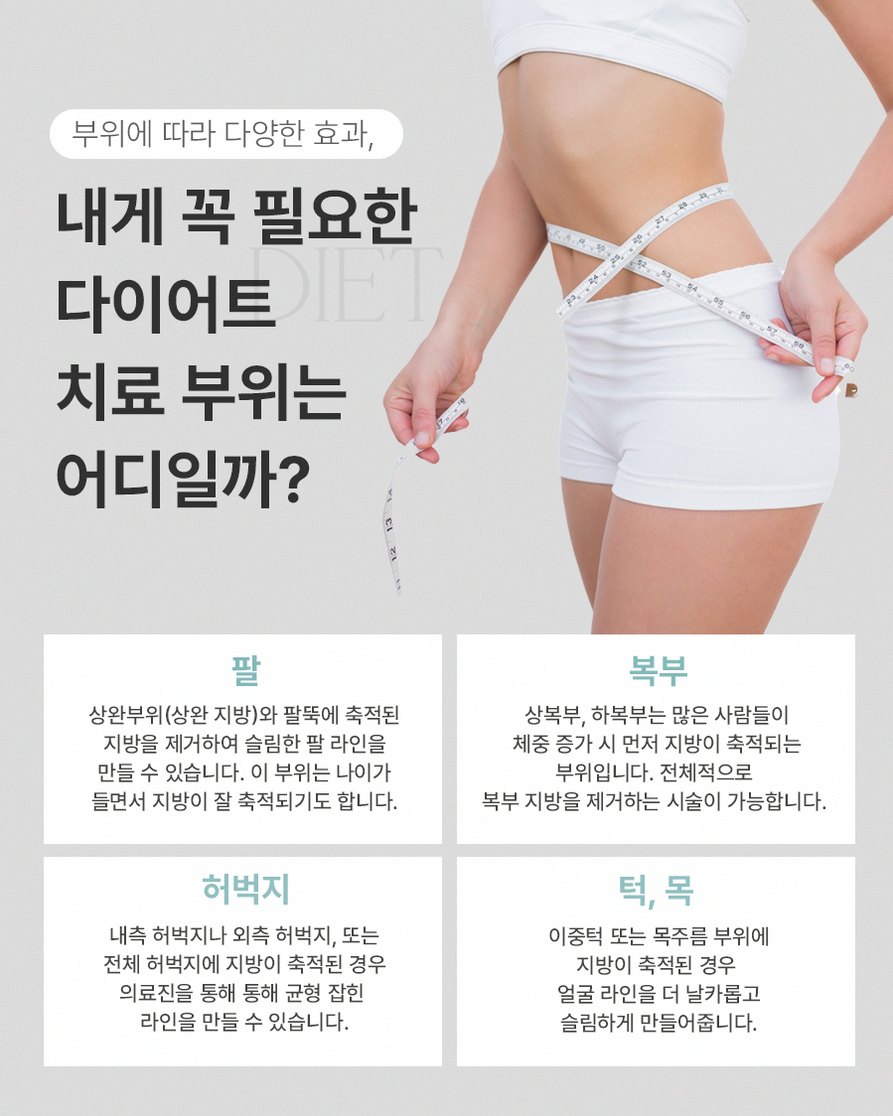
Higher fat volume: more fat may be removed, within safe limits, so planning and monitoring are more detailed.
More complex anesthesia: sedation or deeper anesthesia may be considered, and fluid balance is closely managed.
Potential staging: sometimes the treatment is divided into two or more sessions rather than doing everything at once.
Because of the larger scale, careful pre-assessment, anesthesia planning, and aftercare are especially important.
Treatment overview: how large-volume liposuction is done
For most patients, the procedure follows several key steps, adjusted to body size, health condition, and target areas.
Marking the treatment areas
Before surgery, the doctor examines you in a standing position and marks the areas to be treated: abdomen, flanks, hips, thighs, back rolls, or face. For facial liposuction, lines are usually drawn along the jawline, cheeks, and under the chin to define the planned contour.
Tumescent solution and cannula insertion
After skin disinfection and anesthesia, a tumescent solution is injected into the fat layer. This solution typically contains saline, a local anesthetic, and a small amount of vasoconstrictor to reduce bleeding. The fluid helps loosen fat cells and makes them easier to remove.
Small incisions are made in hidden or less visible areas (such as the groin crease, belly button, or natural skin folds). Through these openings, thin tubes called cannulas are inserted. The surgeon moves the cannula back and forth to break up fat and then suctions it out.
Adjusting technique for large-volume cases
In severe obesity liposuction, different cannula sizes and patterns may be used for different regions. For example, larger cannulas can be used for deep fat in the abdomen or flanks, while finer cannulas are used for areas like the knees or face to create smoother lines.
The surgeon also plans how much fat to remove from each zone to avoid unevenness and to maintain a balanced body shape. In some cases, the total volume removed in one session is limited for safety reasons, and additional areas are treated in a later session.
Injection-based fat extraction (LookFat) as a complement
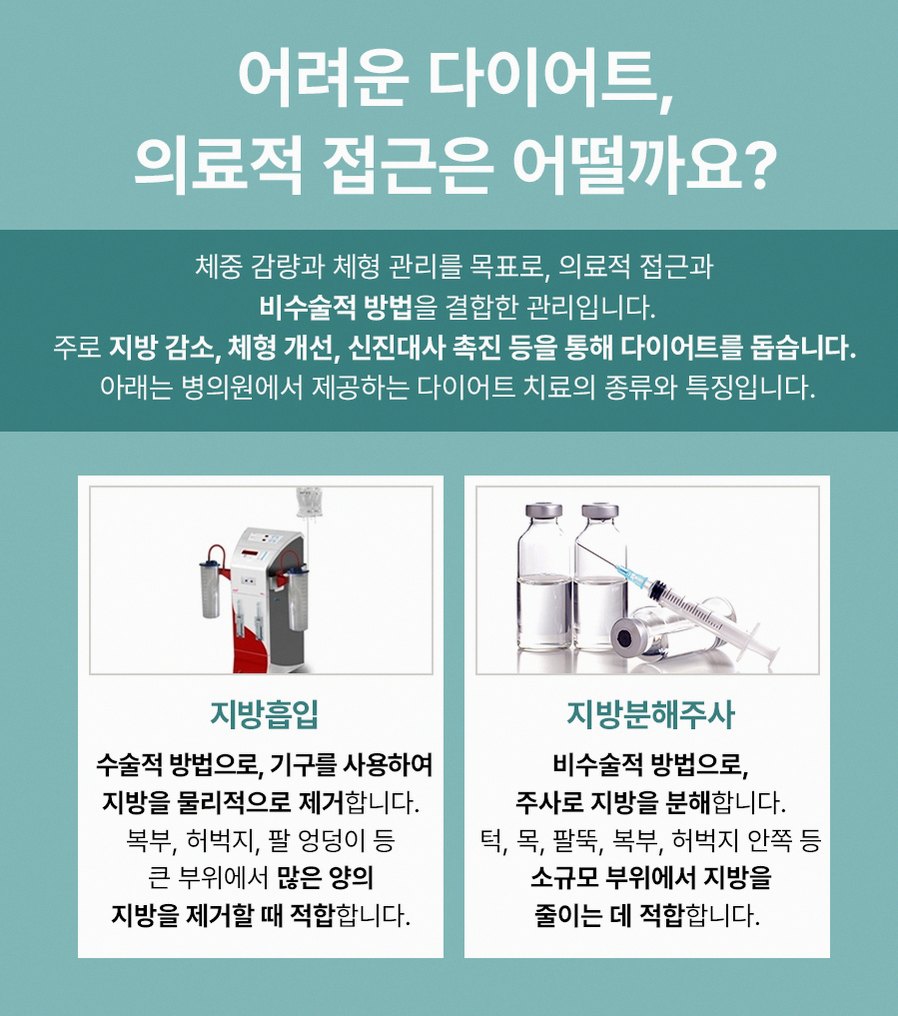
For severe obesity, LookFat or similar injections may be used for
Small pockets of fat that remain after main liposuction.
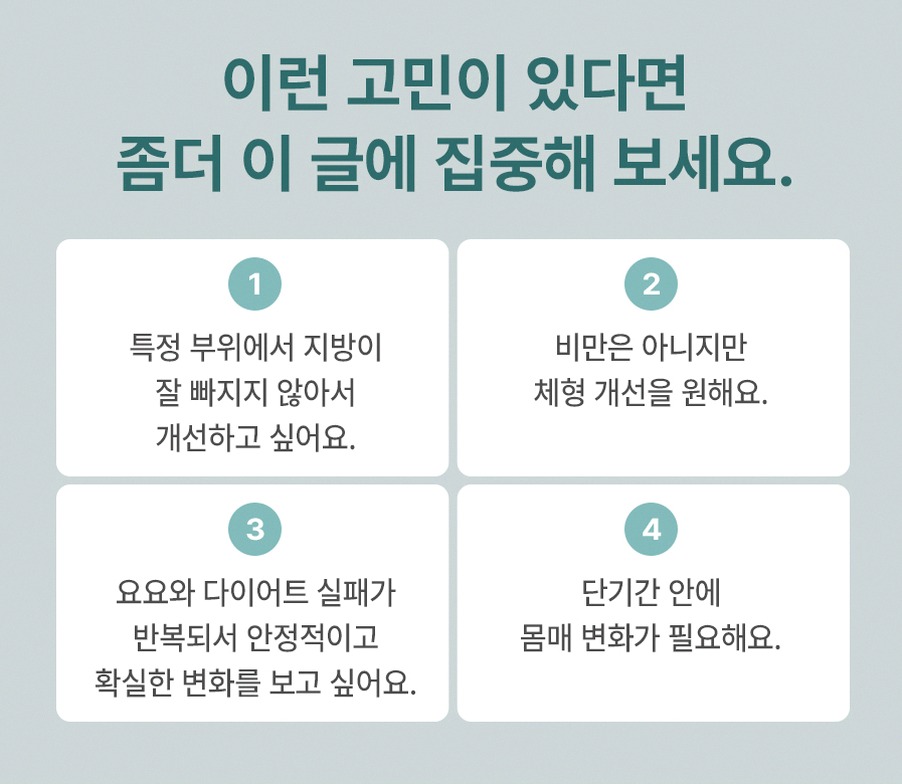
Areas where surgical cannulas are less suitable, such as very localized bulges.
Patients who want a gentler step before or after large-volume liposuction.
This combination approach can help fine-tune contours after the main reduction.
Who may consider severe obesity liposuction
Typical candidates
Severe obesity liposuction may be considered for adults who
Have a high BMI and thick subcutaneous fat in areas like the abdomen, flanks, hips, and thighs.
Have tried diet and exercise but still have large, resistant fat deposits.
Have relatively stable weight, rather than ongoing rapid gain or loss.
Do not have uncontrolled systemic diseases such as severe heart, lung, or kidney conditions.
Are prepared to maintain or improve lifestyle habits after the procedure.
It is important to understand that liposuction is not a substitute for bariatric surgery or medical weight-loss programs. It does not directly treat metabolic conditions like diabetes or high blood pressure, although body contour changes may support lifestyle efforts.
Pre-assessment and safety evaluation
Before deciding on severe obesity liposuction, a detailed consultation and medical check are essential. This usually includes
Medical history review: existing diseases, past surgeries, medications, allergies, smoking and alcohol habits.
Physical examination: distribution of fat, skin elasticity, presence of stretch marks, and muscle condition.
Basic tests: depending on age and health, blood tests, coagulation tests, and sometimes imaging or heart evaluation may be recommended.
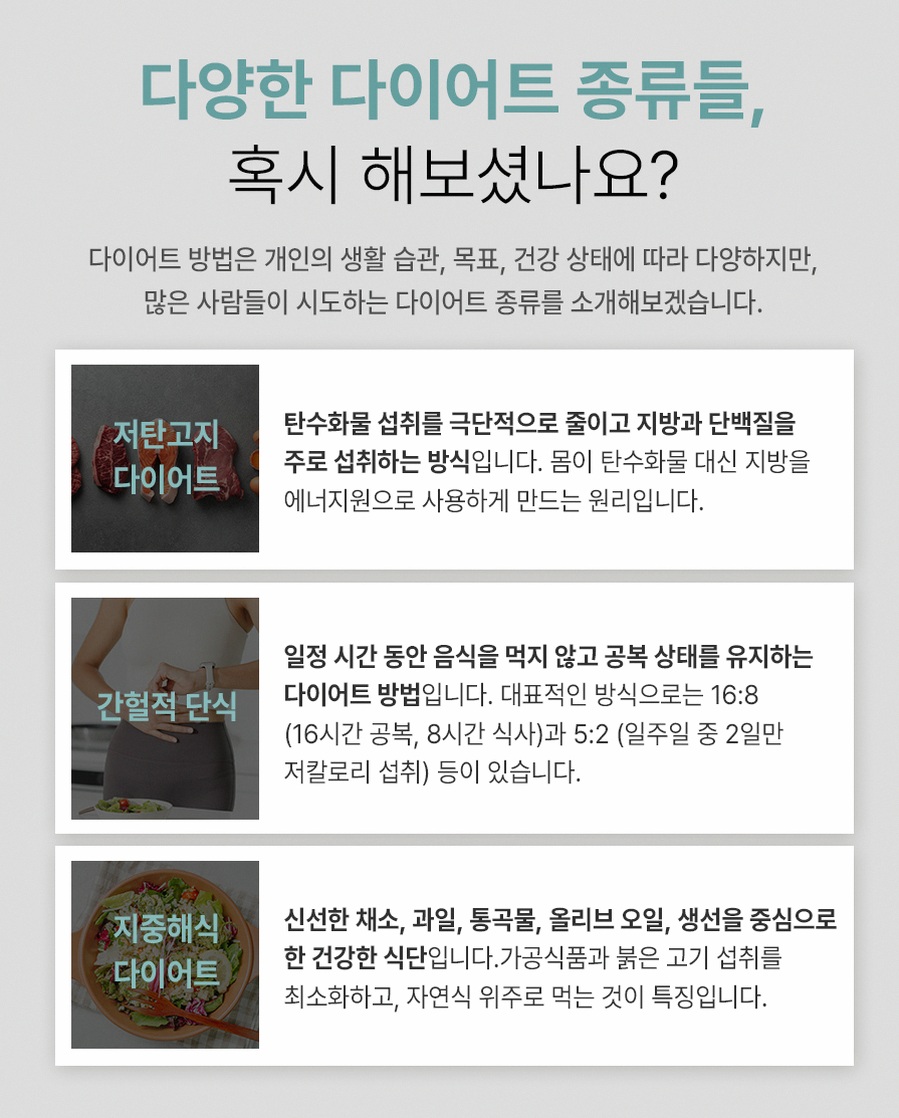
Anesthesia assessment: because large-volume liposuction involves more anesthesia and fluid management, the anesthesia plan is tailored to your health status.
At Lamar Premier Clinic, the representative doctor is a board-certified anesthesiology and pain medicine specialist, which is particularly relevant for planning sedation, monitoring vital signs, and managing pain during and after liposuction.
Choosing between liposuction and injection-based fat extraction
During consultation, the doctor will also assess whether liposuction, injection-based fat extraction, or a combination is more suitable. Factors include
Thickness and depth of fat: deep, thick fat layers often respond better to cannula-based liposuction.
Skin elasticity: if the skin is very loose, additional lifting or tightening procedures might be discussed.
Area size: large areas like the abdomen and thighs are usually better suited to liposuction, while small localized bulges can be managed with injections.
Your recovery goals: some patients prefer fewer, more intensive sessions; others prefer smaller steps with shorter downtime.
Anesthesia, monitoring, and safety points to check
Why anesthesia planning matters more in severe obesity cases
Large-volume liposuction involves more fluid movement in and out of the body and can last longer than small-area procedures. For patients with severe obesity, anesthesia carries specific considerations, such as breathing, circulation, and positioning on the operating table.
Because of this, it is important that the clinic
Has clear protocols for sedation or anesthesia in higher-BMI patients.
Monitors vital signs continuously during the procedure.
Carefully plans fluid intake and output.
Role of an anesthesiology and pain medicine specialist
At Lamar Premier Clinic, the representative director is a specialist in anesthesiology and pain medicine. This background is relevant for
Choosing an appropriate sedation or anesthesia method.
Adjusting medications to your health status and body weight.
Managing pain control during and after surgery.
Monitoring breathing, blood pressure, and heart rate during the procedure.
While no procedure is risk-free, a structured approach to anesthesia aims to reduce risks and support a safer experience.
Questions to ask about safety during online consultation
When you contact a clinic online, you can ask
What type of anesthesia or sedation is usually used for large-volume liposuction.
How patients with high BMI are monitored during the procedure.
What pre-operative tests are recommended before surgery.
How many areas are usually treated in one session, and whether staged procedures are sometimes advised.
Expected effects and realistic outcomes
What you can expect to change
After severe obesity liposuction, most patients notice
Reduced circumference in treated areas, such as waist, abdomen, thighs, or arms.
A more defined waistline or hip line.
Smoother transition between body areas, such as flanks and back.
More defined facial contours if full-face liposuction is included.
However, the procedure is not measured mainly by kilograms lost. The focus is on shape, contour, and how clothes fit, rather than on a specific weight number.
What liposuction does not do
Liposuction does not
Treat visceral fat around internal organs.
Directly cure obesity-related conditions such as diabetes or hypertension.
Prevent future weight gain if lifestyle habits do not change.
Because of this, clinics often recommend combining liposuction with diet starter packages and body programs to support long-term management.
How long results can last
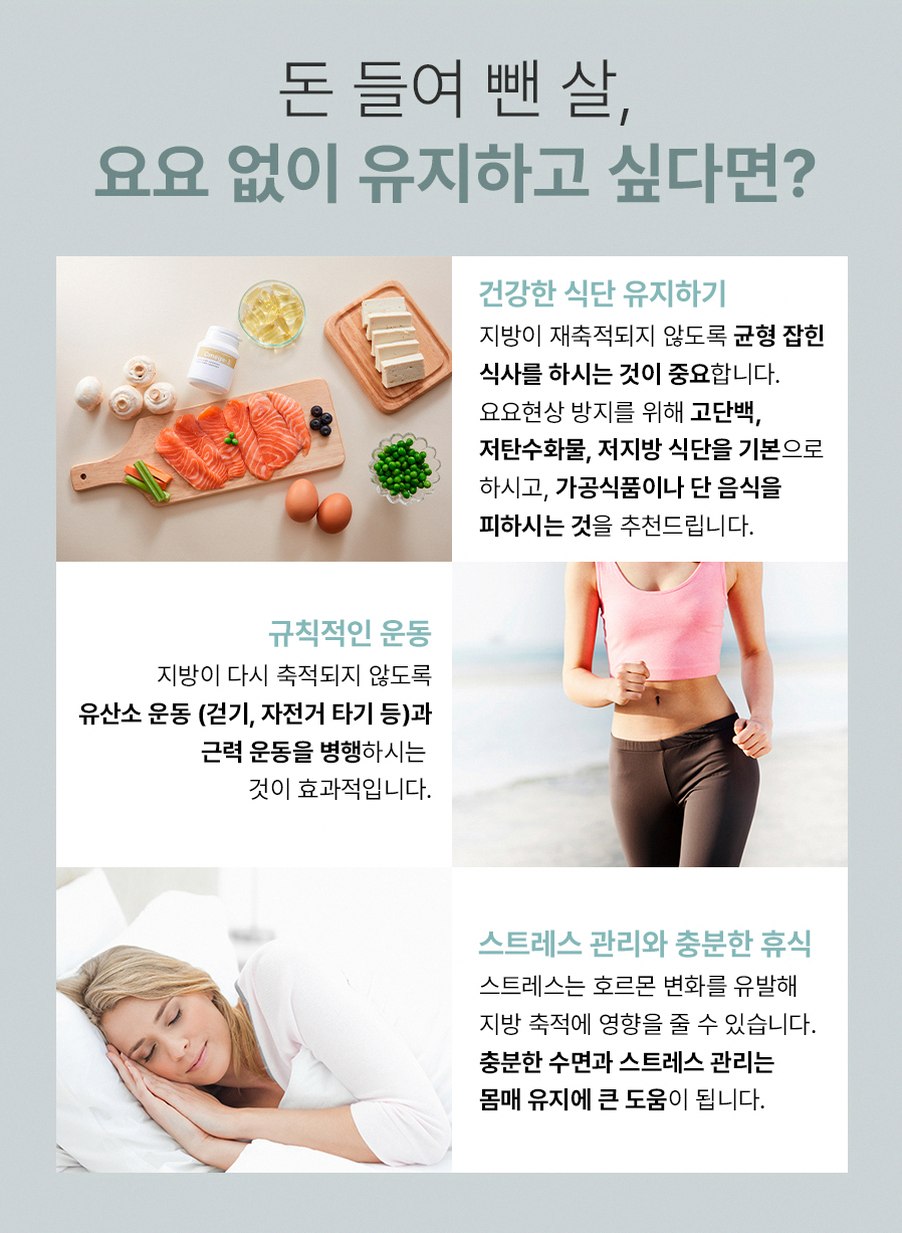
If you maintain a stable weight with balanced eating and regular activity, the contour changes from liposuction can be long-lasting. Fat cells removed by liposuction do not regenerate in the same way, but remaining fat cells can still enlarge if you gain weight overall.
Recovery timeline and aftercare for severe obesity liposuction
Immediate post-operative period
Right after the procedure, you can expect
Swelling and bruising in treated areas.
Fluid drainage from small incisions for a short time, depending on the technique.
Tightness or soreness, similar to intense muscle exercise.
Pain is usually managed with prescribed medications, and walking is often encouraged as soon as it is safe to reduce the risk of blood clots.
Compression garments
For large-volume liposuction, compression garments are an important part of aftercare. They help
Reduce swelling.
Support the new body contour.
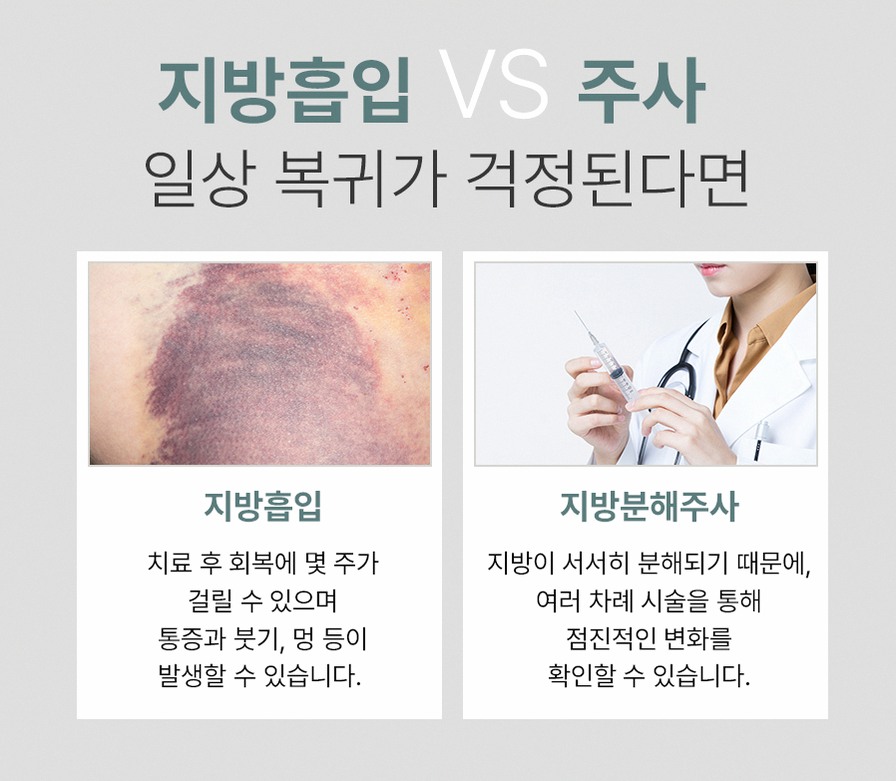
Improve skin adherence to the underlying tissue.
You may be asked to wear compression garments for several weeks, with the schedule adjusted according to your healing.
Return to activities
Light daily activities and office work may be possible after several days to one or two weeks, depending on the extent of treatment and your general condition. More intense exercise, heavy lifting, or high-impact sports are usually delayed until the doctor confirms that healing is sufficient.
Structured follow-up and body programs
Clinics that already use multi-step protocols for skin care often apply similar structure to body procedures. This can include
Scheduled follow-up visits to check healing and contour.
Guidance on wound care and scar management.
Advice on compression garment use and gradual activity increase.
Integration with diet starter programs to support continued weight management after the initial body reshaping.
For international patients, some follow-up may be done online, using photos and video calls after you return home.
Combining liposuction with other body and skin treatments
Injection-based fat extraction (LookFat)
LookFat and similar injection-based fat extraction methods can be used
Before liposuction, to test how your body responds to fat reduction in a small area.
After liposuction, to refine remaining small bulges or asymmetries.
On areas where you prefer a less invasive approach.
Stretch mark and skin texture treatments
After large weight changes or fat reduction, some patients are concerned about stretch marks or skin texture. In these cases, stretch mark laser packages or other skin treatments may be suggested as part of a long-term plan.
Facial contouring and lifting
For patients who also want facial contouring, options may include
Full-face liposuction to reduce cheek and jawline fullness.
Device-based lifting treatments to tighten skin.
Thread lifting procedures in selected cases.
Because body and face are treated together, clinics that offer both skin and body services can design a more integrated plan.
Online consultation and pre-visit preparation for overseas patients
Preparing for an online consultation
Before your first online consultation, it is helpful to prepare
Recent photos: front, side, and back views of the areas you are concerned about, taken in good lighting.
Basic health information: age, height, weight, known medical conditions, medications, allergies, and smoking status.
History of weight changes: recent weight loss or gain, past diet programs, and exercise habits.
Previous procedures: any surgeries, especially in the abdomen or thighs.
During the online consultation, you can discuss
Whether you are a potential candidate for severe obesity liposuction.
Which areas might be treated in one session.
Whether injection-based fat extraction or staged procedures are recommended.
What tests should be done at home before traveling, and which will be done in Korea.
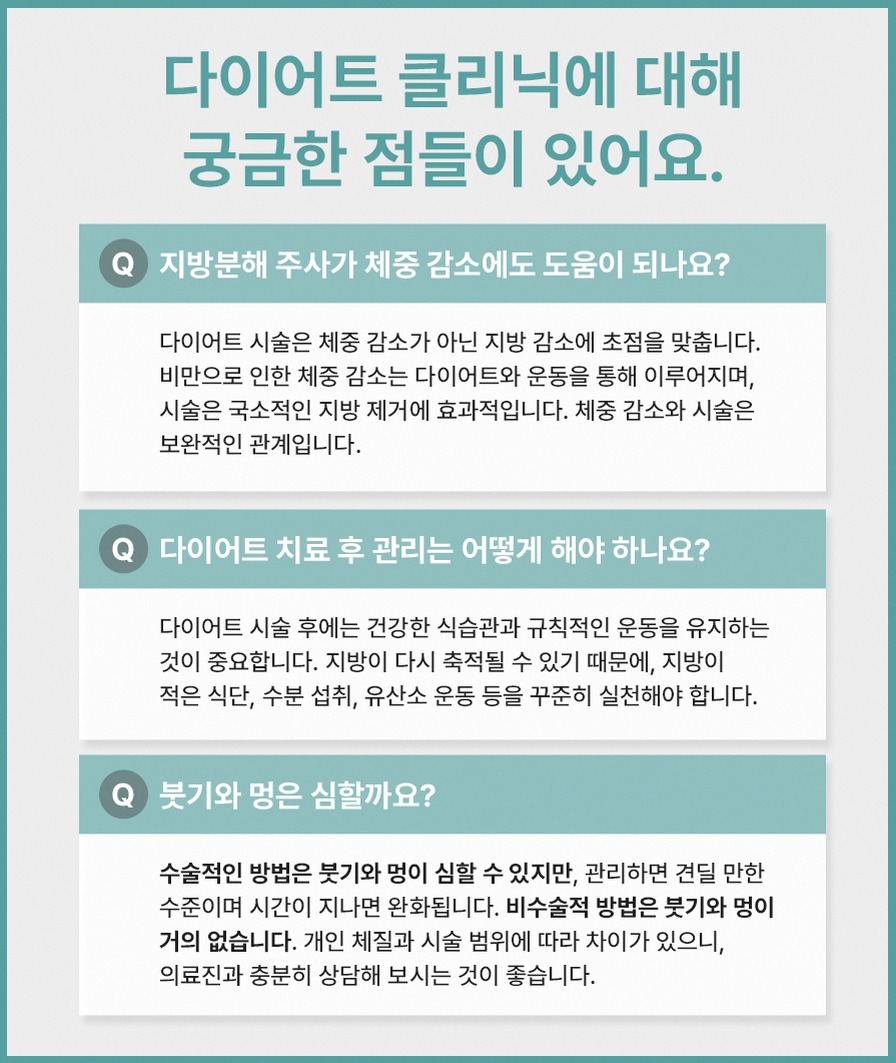
Questions to ask before deciding
To make an informed decision, consider asking
How many large-volume liposuction cases the clinic handles.
How they plan anesthesia and monitoring for high-BMI patients.
What the expected recovery timeline is for someone with your body type.
What aftercare is available for international patients after they return home.
Whether diet programs or body programs can be combined with the procedure.
Expected Korea visit timeline for severe obesity liposuction
A typical visit schedule for overseas patients may look like this, though exact timing can vary.
Day 1–2: In-person consultation and tests
Physical examination and marking of potential areas.
Pre-operative tests such as blood work and any additional checks recommended based on your health.
Detailed explanation of the plan, anesthesia, and aftercare.
Day 2–3: Procedure day
Final marking and consent.
Liposuction of planned areas and, if appropriate, injection-based fat extraction.
Observation in the clinic until you are stable enough to return to your accommodation.
Day 3–7: Early recovery in Korea
Follow-up visits to check wounds, change dressings, and adjust compression garments.

Monitoring of swelling, bruising, and any early side effects.
Basic guidance on walking, showering, and daily activities.
Day 7–14: Late early recovery and return home
Final in-person check before departure.
Instructions for ongoing care at home, including compression, activity, and diet.
Schedule for online follow-up and when to contact the clinic if concerns arise.
The exact length of stay depends on how many areas are treated and your individual recovery. Many patients plan at least one to two weeks in Korea for large-volume procedures.
Aftercare once you return home
After you leave Korea, you will usually continue
Wearing compression garments as instructed.
Gradually increasing activity while avoiding heavy exercise until cleared.
Monitoring for any unusual symptoms such as severe pain, increasing redness, or fever, and contacting the clinic or local doctor if they occur.
Some clinics offer online check-ins at set intervals, where you can send photos and ask questions about healing and contour changes.
FAQ: severe obesity liposuction
Is severe obesity liposuction a weight-loss surgery?
Severe obesity liposuction is not considered a weight-loss surgery in the same way as bariatric procedures like gastric bypass or sleeve gastrectomy. It removes subcutaneous fat to reshape the body, but it does not change how your digestive system absorbs calories or how your metabolism works. You may lose some weight due to fat removal, but the main goal is contour improvement, not a guaranteed number of kilograms.
How much fat can be safely removed in one session?
The safe volume of fat removal depends on your body size, health status, and the clinic’s protocols. There is no single number that fits everyone. For safety, many surgeons set an upper limit for total aspirate volume per session and may recommend staging the procedure if very large areas need treatment. During consultation, your doctor will explain what is considered safe in your case and whether multiple sessions might be better.
Can liposuction treat visceral fat?
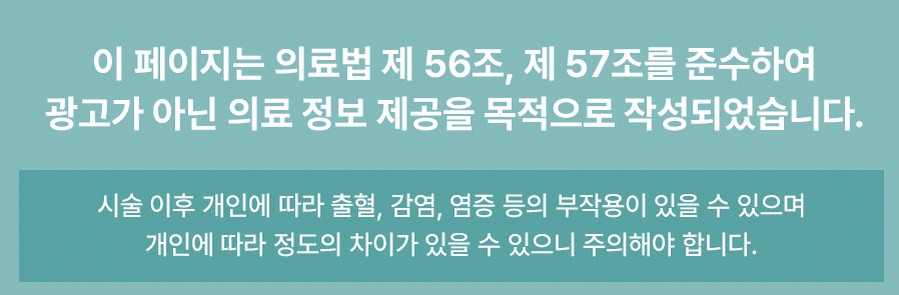
Liposuction cannot remove visceral fat, which lies deep inside the abdomen around internal organs. It only targets subcutaneous fat under the skin. If you have a firm, round abdomen mainly due to visceral fat, lifestyle changes and medical weight management are more important. Liposuction may still help contour the outer layer of fat, but it does not replace the need to address visceral fat through diet, exercise, and medical care.
How long do the results of severe obesity liposuction last?
The fat cells removed by liposuction are not expected to return in the same way. However, remaining fat cells can still enlarge if you gain weight. If you maintain a stable weight with balanced eating and regular physical activity, the contour changes can be long-lasting. Significant weight gain after the procedure can reduce the visible effect, so ongoing lifestyle management is essential.
What are the main risks and side effects of large-volume liposuction?
Common temporary side effects include swelling, bruising, numbness, and soreness in treated areas. There may also be temporary fluid leakage from small incisions. Less common but more serious risks can include infection, contour irregularities, blood clots, or complications related to anesthesia and fluid balance. This is why careful pre-assessment, an appropriate anesthesia plan, and close monitoring are important, especially for patients with severe obesity.
Soft call to action for online consultation
If you are considering severe obesity liposuction in Korea and want to understand whether large-volume body contouring, injection-based fat extraction, or a combined approach is suitable for you, an online consultation can be a helpful first step. By sharing your medical history, photos, and goals in advance, you can receive a more personalized explanation of possible treatment plans, expected recovery, and visit schedule.
Lamar Premier Clinic is located in Anyang, Dongan-gu, Gyeonggi-do, within walking distance from Beomgye Station on Line 4, and offers both body and facial contouring options along with diet starter and body programs. If you are planning a medical trip to Korea, you can contact the clinic in advance to discuss timing, pre-visit tests, and aftercare arrangements that fit your situation.
This article is for general information only and is not a substitute for a personal medical consultation. Individual suitability, risks, and outcomes must be discussed directly with qualified medical professionals before any procedure.
- 공유 링크 만들기
- X
- 이메일
- 기타 앱


댓글
댓글 쓰기