Beomgye Thread Lifting Reviews: Pain, Results & Recovery
- 공유 링크 만들기
- X
- 이메일
- 기타 앱
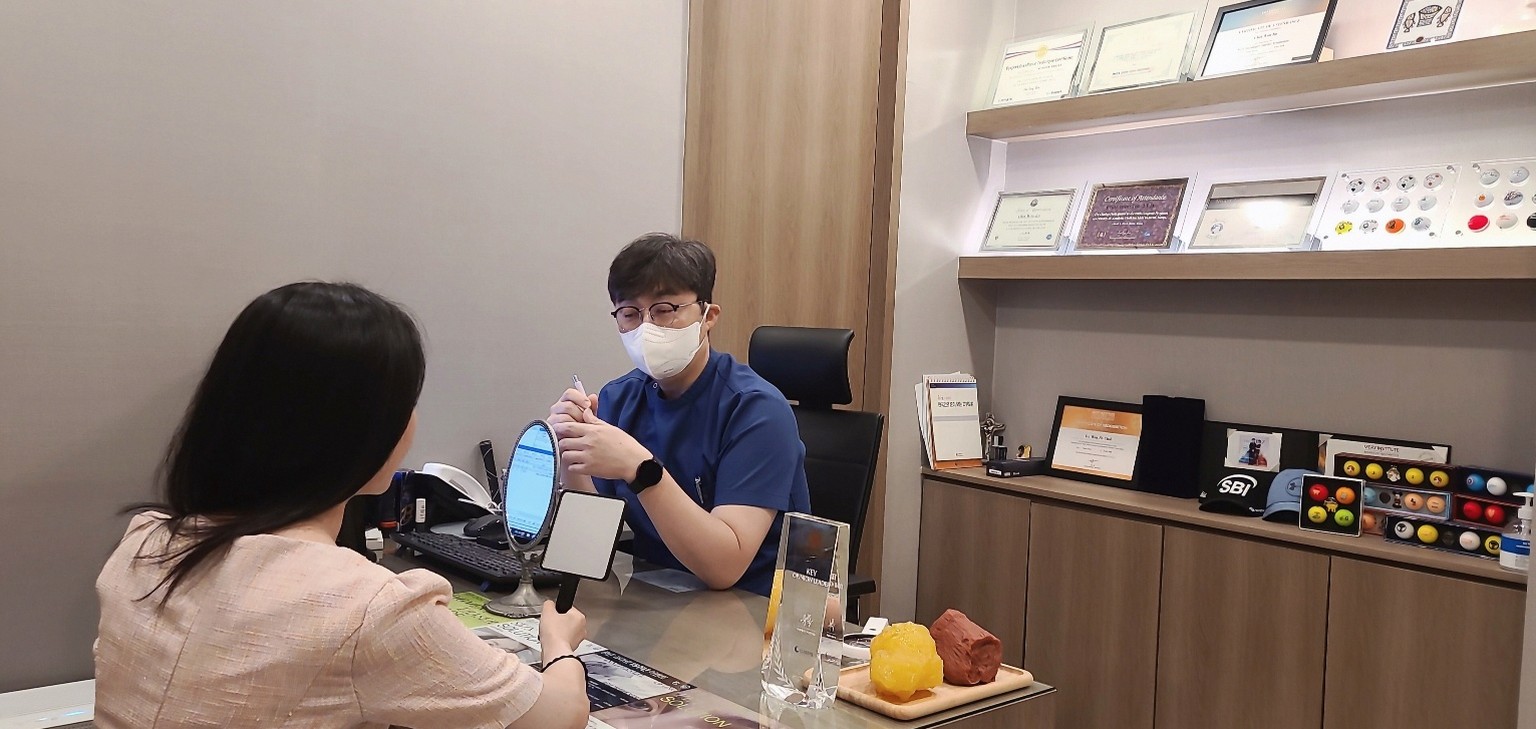
Direct answer: what Beomgye Station thread lifting reviews usually say
When people look up thread lifting reviews around Beomgye Station, they are usually trying to find out three things: how painful it really is, how natural the results look, and how long the effect seems to last. Most reviews describe thread lifting as a minimally invasive way to sharpen the jawline and lift early sagging, with a few days of swelling and tightness, and results that are most noticeable in the first months and then gradually soften. Experiences vary a lot depending on age, skin condition, thread type, and the doctor’s technique, so reviews are useful as a reference but cannot predict your personal outcome.
This guide explains what thread lifting is, how people around Beomgye Station in Anyang typically experience it, what you can learn from local reviews, and how to plan a visit to Korea as an overseas patient.
Thread lifting overview
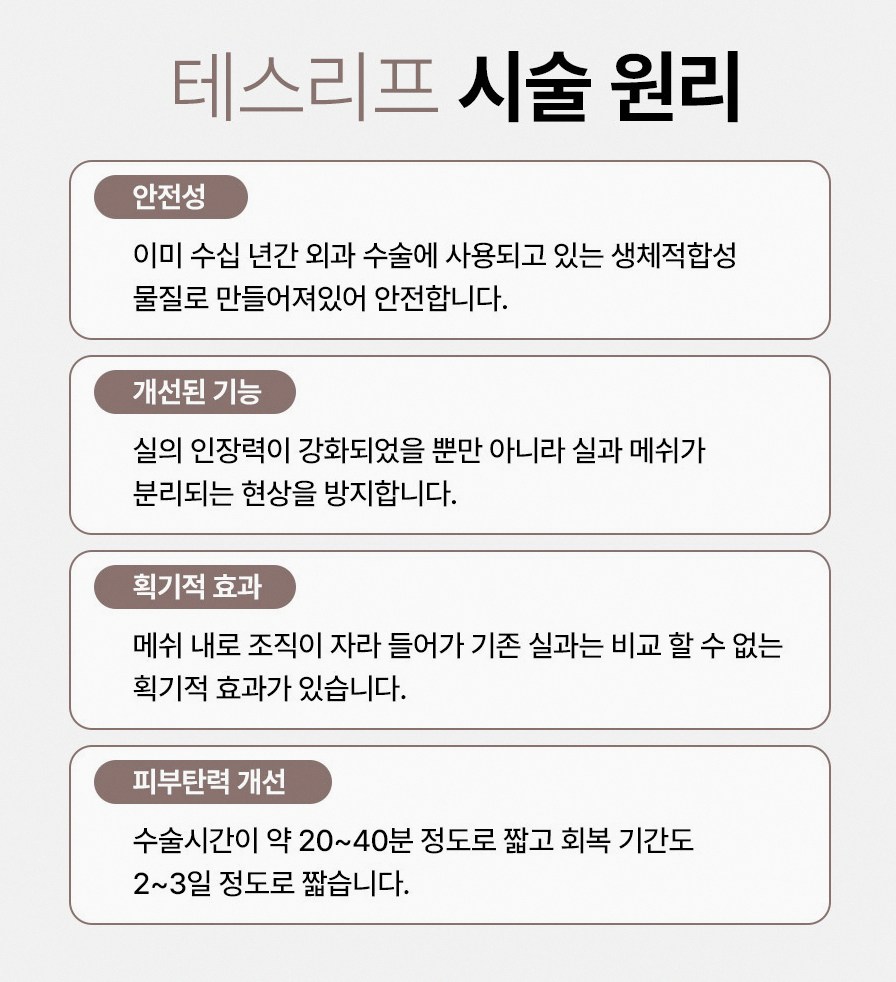
Thread lifting is a minimally invasive lifting procedure that uses absorbable threads placed under the skin to improve sagging and facial contour. The threads are usually made of materials that slowly dissolve over time while stimulating collagen.
Common treatment areas include the jawline, early jowls, nasolabial folds (smile lines), marionette lines around the mouth, cheeks, the lower face, and in some cases the brow or outer eye area. The goal is to create a slightly lifted, more defined contour rather than a dramatic change.
Thread lifting does not replace a full surgical facelift. It is generally considered for mild to moderate sagging, or for people who want some lifting and contour improvement without undergoing surgery and general anesthesia. For more advanced sagging, doctors may recommend combining threads with other treatments or considering more invasive options.
Why people near Beomgye Station search for thread lifting reviews
Around Beomgye Station on Line 4 in Dongan-gu, Anyang, there are several clinics that focus on lifting and anti-aging. Many local and visiting patients in this area are in their late 20s to 40s and start to notice early signs of aging.
Common motivations you see in reviews and questions include:
Early jowls or a slightly drooping jawline that blurs the V-line
Deepening smile lines or marionette lines
Wanting a more defined jawline or cheek contour without surgery
Looking for a quick procedure with relatively short downtime that can fit into a busy schedule or a short trip to Korea
At the same time, people have clear concerns, which is why they read many reviews before deciding:
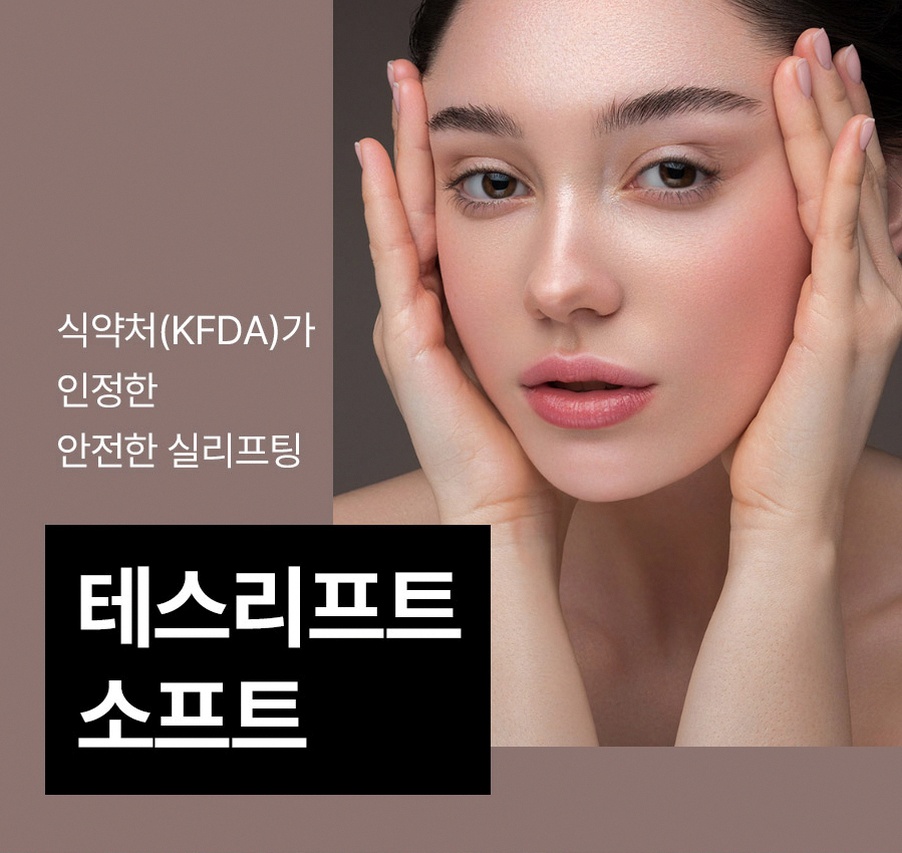
How painful is the procedure, especially the anesthesia injections
How much bruising and swelling to expect and for how long
Whether the result looks natural or “pulled” and artificial
How long the lifting effect seems to last in real life
Whether there are visible thread marks, dimpling, or asymmetry
Many people compare before-and-after photos, online reviews, and consultation experiences at more than one clinic around Beomgye Station before making a decision. They often pay attention to how carefully the doctor explains the plan, not just the price.
Example clinic context near Beomgye Station
Lamar Premier Clinic is one example of a dermatology and aesthetic clinic located within walking distance of Beomgye Station in Anyang, roughly 160 meters away. It is often mentioned by people who are comparing different lifting methods in this area.
The clinic focuses strongly on lifting and anti-aging, offering a wide lineup such as Ulthera Prime (an updated ultrasound lifting device), XERF lifting, InMode lifting, various radiofrequency lifting devices, and thread lifting. This setup allows doctors to combine threads with energy-based devices when appropriate.
According to its introduction, the medical director is a board-certified anesthesiology and pain medicine specialist, and together with other physicians provides skin and lifting treatments with an emphasis on natural-looking changes rather than very dramatic transformation. This is one example of a clinic that uses multiple lifting options and devices depending on skin condition; it is not the only choice in the area, and each patient still needs a personal consultation.
Who may consider thread lifting near Beomgye Station
Thread lifting may be considered if you:
Notice mild to moderate sagging in the cheeks or jawline
Feel your face looks more tired or heavier than before, especially in photos
Want more definition along the jawline or midface without surgery
Prefer a shorter recovery time compared with surgical lifting
Are comfortable with the idea that the effect is gradual and not permanent
You may not be an ideal candidate if you:
Have very advanced sagging or heavy skin where threads alone are unlikely to give enough lift
Have unrealistic expectations of looking 10–15 years younger from one non-surgical procedure
Have active skin infection or severe acne in the treatment area
Have bleeding disorders or uncontrolled systemic disease
In all cases, an in-person consultation with a qualified doctor is necessary to decide whether thread lifting alone, a combination approach, or a different treatment is more suitable.
How a typical thread lifting consultation and procedure may proceed
Pre-consultation discussion
During the initial consultation, most clinics around Beomgye Station will:
Ask about your main concerns, such as sagging cheeks, jawline, or deepening smile lines
Review your age, medical history, medications, and previous procedures
Listen to how much change you want and how natural or noticeable you prefer the result to be
The doctor then examines:
Skin thickness and elasticity
Degree and pattern of sagging
Facial fat distribution and volume loss
Any existing asymmetry between the two sides of the face
Based on this, the doctor explains whether thread lifting alone is likely to help or whether combining it with energy-based lifting (for example, Ulthera-type ultrasound lifting or radiofrequency lifting) or with fillers or botulinum toxin might give a more balanced result.
Treatment planning
If you and the doctor agree to proceed with thread lifting, the next step is a detailed plan. This usually includes:
Choice of thread type, such as barbed or cone threads for lifting, and sometimes finer mono threads for skin quality
Number of threads and their thickness
Insertion vectors, meaning the direction and path the threads will follow under the skin
Target areas, such as jawline, cheek, nasolabial folds, or marionette lines
The doctor should also explain:
What kind of lifting effect you can realistically expect
How long the effect may last on average for someone of your age and skin type
Possible need for maintenance or additional treatments after a certain period
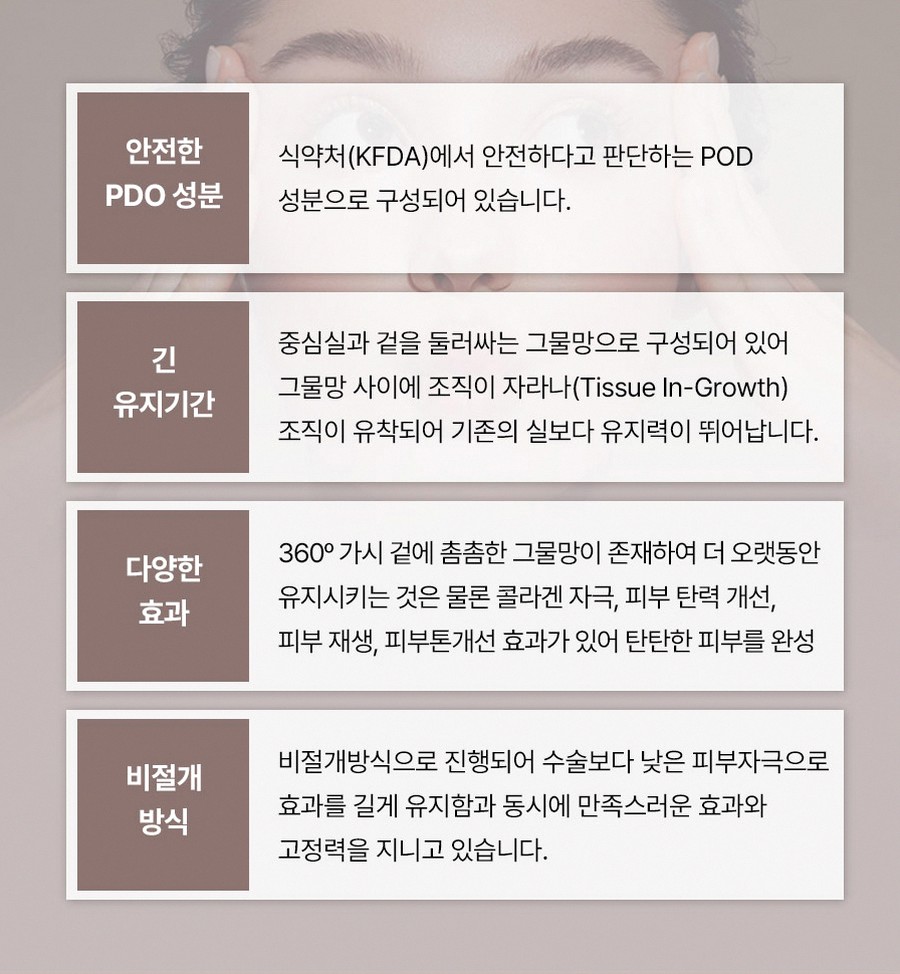
Procedure steps
While details vary by clinic, a common thread lifting flow is:
Cleansing and preparation of the skin
Marking insertion and exit points and drawing lines to show lifting vectors
Local anesthesia injections along the planned paths; some clinics may offer additional pain control depending on your sensitivity
Insertion of threads using cannulas or needles along the marked vectors
Gentle manual adjustment to create the desired lift, followed by trimming of thread ends
Cooling with ice packs or a soothing mask pack to reduce swelling and calm the skin
Some clinics, including those near Beomgye Station, follow a structured process that may include consultation, cleansing, optional basic care such as light scaling, the main treatment, and then a mask pack and finishing care. This kind of systematic approach can be helpful for overseas patients who want a clear schedule.
What real patients tend to mention in thread lifting reviews
Before the procedure
Many reviewers describe feeling nervous about two main points: pain and the fear of looking unnatural. They often ask whether their face will look too tight or “pulled” and whether other people will notice that they had a procedure.
Another common question is how long the effect will last and whether the threads will be noticeable or palpable under the skin. Some people worry about feeling the threads when they touch their face or sleep on their side.
During the procedure
Reviews often mention that the most uncomfortable part is the local anesthesia injections, which can sting or burn briefly. Once the area is numb, most people describe the feeling during thread insertion as pressure, pushing, or a tugging sensation rather than sharp pain.
When the doctor adjusts the threads to create lift, some patients feel tightness or pulling, especially around the jawline or cheek. Communication during this stage is important so that the doctor can balance the amount of lift with your comfort.
Immediately after
Right after the procedure, common experiences include:
Swelling, especially along the thread paths
Mild bruising at the entry points or along the cheeks
Tightness or discomfort when opening the mouth wide, laughing, or chewing
Slight asymmetry that often improves as swelling goes down
Some patients are pleased with an immediately sharper jawline and more lifted cheeks. Others feel the change is subtle at first and becomes more noticeable as swelling settles and collagen stimulation progresses.
Recovery period
Typical visible downtime is a few days of swelling or bruising, but this varies widely. People with sensitive skin or those who bruise easily may take longer to look fully natural.
Restrictions that appear frequently in reviews include:
Avoiding strong facial massage or beauty treatments for a certain period
Trying not to open the mouth too wide, such as when eating very hard or large foods
Avoiding intense exercise, saunas, and sleeping face-down for a while
Tightness or discomfort when chewing or smiling widely can last from several days to a couple of weeks. Some people also mention temporary dimpling or irregularities that gradually smooth out.
Longer-term impressions
In longer-term reviews, many people say the lifting effect is most noticeable in the first months and then gradually softens. Some feel that for early sagging, the improvement is worth the cost and downtime, especially if they wanted to avoid surgery.
Others feel the effect was less than expected or did not last as long as they had hoped. This difference is influenced by age, skin quality, lifestyle factors such as smoking or sun exposure, the type and number of threads used, and the doctor’s technique.
How to interpret thread lifting reviews around Beomgye Station
When you read reviews from clinics near Beomgye Station, it helps to look beyond simple star ratings. Pay attention to:
Initial condition: Was the reviewer in their late 20s with very mild sagging, or in their 40s with more advanced laxity
Exact areas treated: Jawline only, or also cheeks, nasolabial folds, or brow
Number and type of threads: More threads or stronger lifting threads may give a different effect than a minimal approach
Combination treatments: Was thread lifting combined with ultrasound or radiofrequency lifting, or with fillers and botulinum toxin
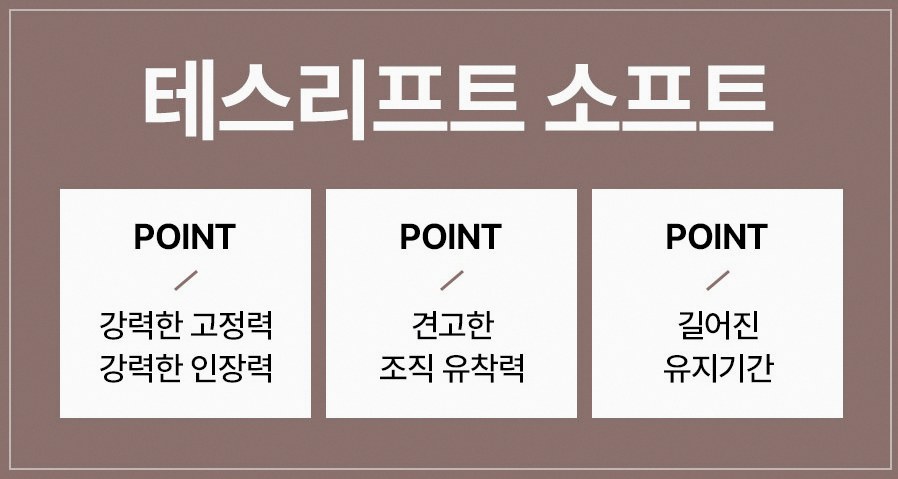
Also consider whether the reviewer seemed to have realistic expectations. Some people expect a non-surgical treatment to give facelift-level results, which can lead to disappointment even if the technical result is reasonable.
Photos in reviews can be helpful, but remember that lighting, camera angle, makeup, and facial expression can strongly influence how dramatic the result appears. Try to compare photos taken under similar conditions when possible.
Most importantly, remember that individual anatomy and healing responses differ. Another person’s excellent or poor experience is not a guarantee of your own outcome.
Choosing a clinic for thread lifting near Beomgye Station
If you are considering thread lifting in this area, especially as an overseas patient, you may want to look at the following factors:
Experience with various lifting methods
Clinics that work with both thread lifting and devices such as ultrasound or radiofrequency lifting can tailor the plan to your skin rather than recommending the same method for everyone. This is useful if you have both sagging and volume loss or if your skin is very thin or thick.
Range of devices and techniques
A clinic that offers several lifting devices and thread types can adjust energy level, depth, and thread design to your needs. For example, they may use ultrasound lifting to tighten deeper layers and threads to reposition sagging tissue.
Clear explanations and communication
During consultation, the doctor should explain:
Possible benefits and limitations of thread lifting for your specific face
Potential risks and side effects
Expected recovery timeline and aftercare instructions
You should feel comfortable asking questions and clarifying anything you do not understand.
Before-and-after photos
Look for photos taken with similar angles and lighting, and ideally with neutral facial expressions. This makes it easier to judge real changes in contour and sagging.
Systematic process and follow-up
For overseas patients, it is helpful if the clinic has a clear process for consultation, treatment, and follow-up, including how they handle questions after you return home. Some clinics offer online follow-up via messages or video calls.
Safety, side effects, and who should be cautious
Common, usually temporary side effects
Most people experience some degree of:
Swelling and bruising
Tenderness along the thread paths
Tightness or pulling sensation when moving facial muscles
Mild asymmetry or small dimples that often smooth out over time
These usually improve over days to weeks, but the exact duration varies.
Less common but more serious risks
Though less frequent, possible complications include:
Infection
Prolonged pain or significant discomfort
Visible or extruding threads
Marked asymmetry that does not improve with swelling
Nerve or blood vessel injury
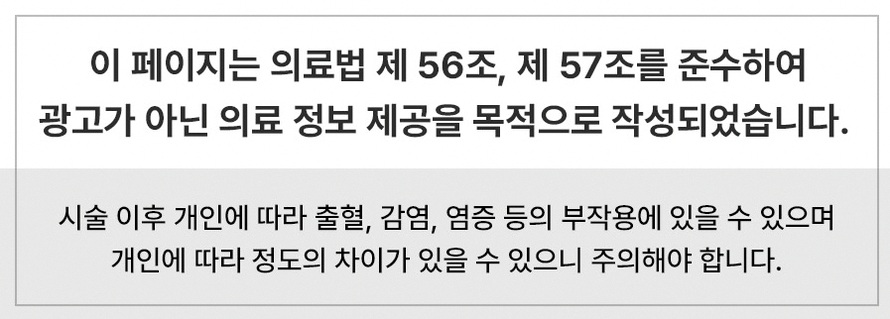
If you notice increasing redness, heat, severe pain, or discharge from the treated area, you should contact the clinic promptly.
People who should discuss carefully with a doctor
You should have a detailed discussion with your doctor if you:
Have bleeding disorders or take blood-thinning medications
Have uncontrolled systemic diseases such as poorly controlled diabetes
Have active skin infection, severe acne, or inflammatory skin disease in the treatment area
Have very high or very rigid expectations about the result
A face-to-face consultation with a qualified doctor is essential to evaluate your individual risk and decide on the safest plan.
Aftercare tips often mentioned in reviews and by clinics
After thread lifting, clinics and patients commonly mention the following care points:
Avoid rubbing or massaging the face for a certain period, and postpone strong facial treatments such as deep massage or aggressive facials.
Try to sleep on your back if possible, avoiding pressing your face into the pillow, especially during the first days.
Limit exaggerated facial movements such as very wide yawning, big bites of hard food, or intense chewing if your doctor advises it.
Follow the clinic’s instructions on using ice packs, taking prescribed medication, and attending follow-up visits. If you are traveling back home soon after treatment, clarify how to contact the clinic in case of questions.
Online consultation and pre-visit preparation for overseas patients
If you are coming from overseas to the Beomgye Station area for thread lifting, an online consultation before your trip is very helpful. Many clinics can review photos and basic information to give you a preliminary opinion.
For online consultation, prepare:
Clear photos of your face from the front, 45-degree angles, and side views, taken in natural light without heavy makeup or filters
Information about your age, medical history, medications, and previous procedures
Your main concerns and what you hope to improve (for example, jawline definition, smile lines, early jowls)
Your schedule in Korea, including arrival and departure dates
During this online step, you can ask about:
Whether thread lifting alone is likely to help your case
Possible combination with ultrasound or radiofrequency lifting
Estimated number of visits and time needed between them
Rough recovery expectations and when it is safe to fly back
Expected Korea visit timeline for thread lifting
While each clinic has its own system, a common timeline for overseas patients might look like this:
Day 1: In-person consultation and possible same-day procedure
You'll meet the doctor for a detailed examination to confirm the plan from any prior online consultation and sign consent forms. Some clinics may offer same-day procedures depending on the consultation findings and the clinic's scheduling policies. Confirm availability and any required preparations with your chosen clinic in advance.
You meet the doctor, have a detailed examination, confirm the plan made during online consultation, and sign consent forms. If everything is suitable and you agree, many clinics can perform thread lifting on the same day.
Day 2–3: Early recovery and follow-up
You may have swelling and mild bruising. Some clinics schedule a short follow-up visit to check the treated areas, reinforce aftercare instructions, and provide additional soothing care if needed.
Day 4–7: Gradual settling
Most people feel more comfortable going out and taking photos by this stage, although small bruises or tightness can still be present. If you are flying home, many clinics consider it acceptable to travel within this period, but you should confirm with your doctor.
Beyond 1–3 months: Result stabilization
The lifting effect and contour usually look more natural as swelling resolves and collagen stimulation progresses. For overseas patients, follow-up at this stage is often done via photos and online communication.
FAQ about thread lifting near Beomgye Station
How painful is thread lifting around the jawline and cheeks
Most reviews from Beomgye Station clinics say that the local anesthesia injections are the sharpest part and can sting for a short time. During thread insertion, people usually feel pressure or pulling rather than strong pain. Sensitivity varies, and some clinics offer additional pain control if you are very anxious. Mild soreness or tightness afterward is common and typically improves over several days.
How long do thread lifting results usually last
The visible lifting effect is often most noticeable in the first months and then gradually softens. Threads themselves are absorbable, and your natural aging process continues, so maintenance or combination treatments may be suggested.
Will people notice that I had thread lifting
Immediately after the procedure, swelling or bruising can be visible, so close contacts may notice that you had something done. Once swelling settles, many people report that others say they look more refreshed or slimmer in the face, without recognizing that a specific procedure was performed. If you want a very subtle change, discuss this clearly with your doctor so they can plan a conservative approach.
Is thread lifting safe for overseas patients who cannot stay long in Korea
Thread lifting is typically done as an outpatient procedure with relatively short downtime, which can suit overseas patients with limited time. However, safety still depends on proper consultation, technique, and aftercare. You should allow at least a few days in Korea after the procedure in case of early issues and make sure you know how to contact the clinic once you return home. A thorough online consultation before booking flights is highly recommended.
Soft call to action for online consultation
If you are considering thread lifting near Beomgye Station and want to understand whether it fits your face, your timeline, and your expectations, an online consultation is a practical first step. Clinics in this area, including Lamar Premier Clinic, can usually review your photos, discuss possible options such as threads and energy-based lifting, and outline a tentative schedule before you travel.
Use online consultation to ask detailed questions, compare approaches between clinics, and clarify what is realistic for your age and skin. This preparation, combined with careful reading of reviews and a clear understanding of aftercare, will help you make a more confident and informed decision about thread lifting in Korea.
- 공유 링크 만들기
- X
- 이메일
- 기타 앱


댓글
댓글 쓰기