for Overseas Patients: What to Expect in Korea
- 공유 링크 만들기
- X
- 이메일
- 기타 앱
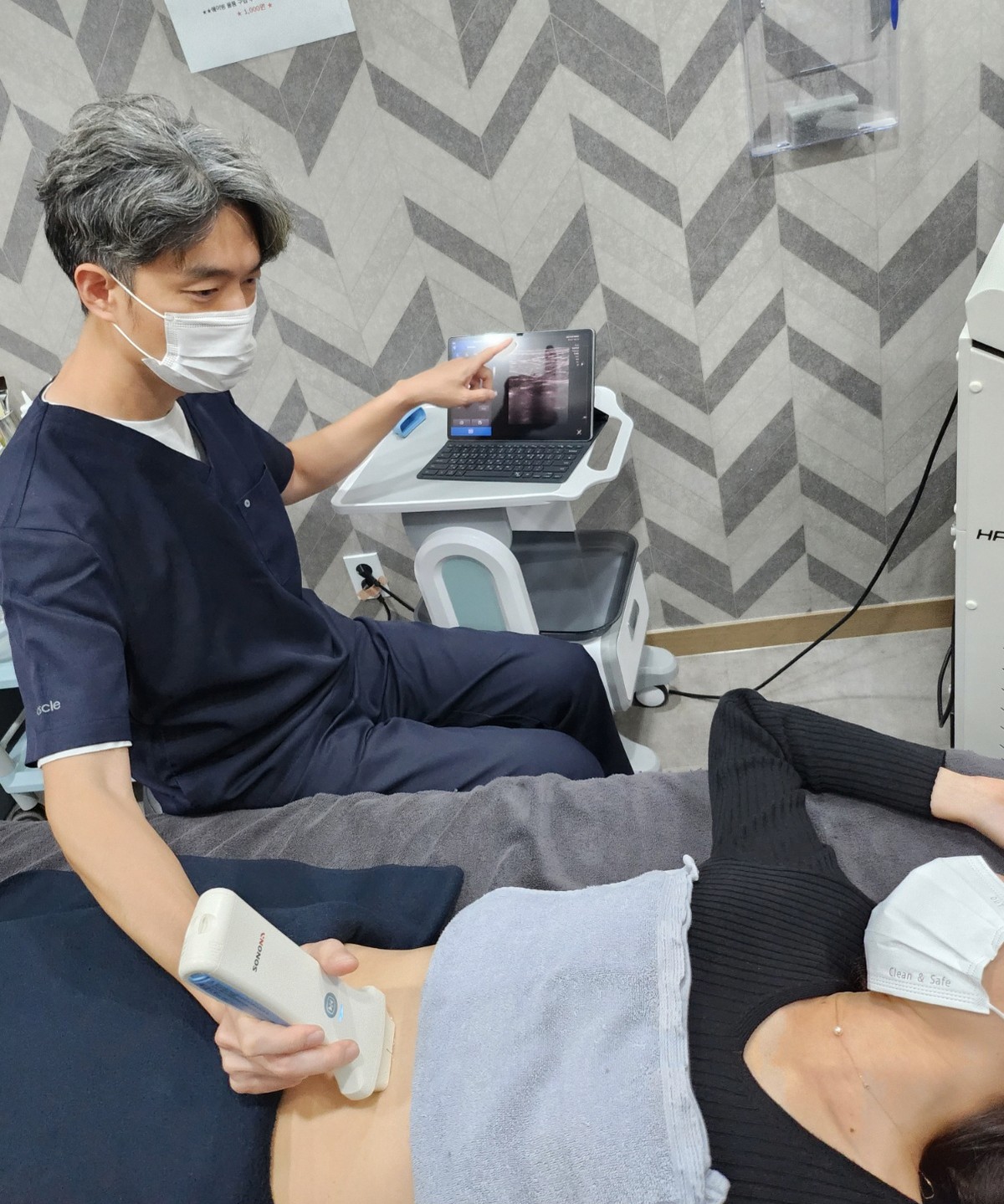
Quick summary for international patients
It is a non‑surgical treatment that uses focused radiofrequency energy to heat the deeper layers of the skin, aiming to tighten mild to moderate sagging and support a more defined facial contour over time. For international patients, it can often be done as a short outpatient visit with minimal downtime, but results and recovery differ from person to person.
This guide explains what Oligeo lifting is, who might consider it, how a typical session is performed, what to expect when visiting Korea, and how a clinic may combine Oligeo with other lifting devices after individual assessment. It is intended to help you prepare realistic questions and expectations before you book a consultation.
What is Oligeo high‑intensity focused RF lifting?
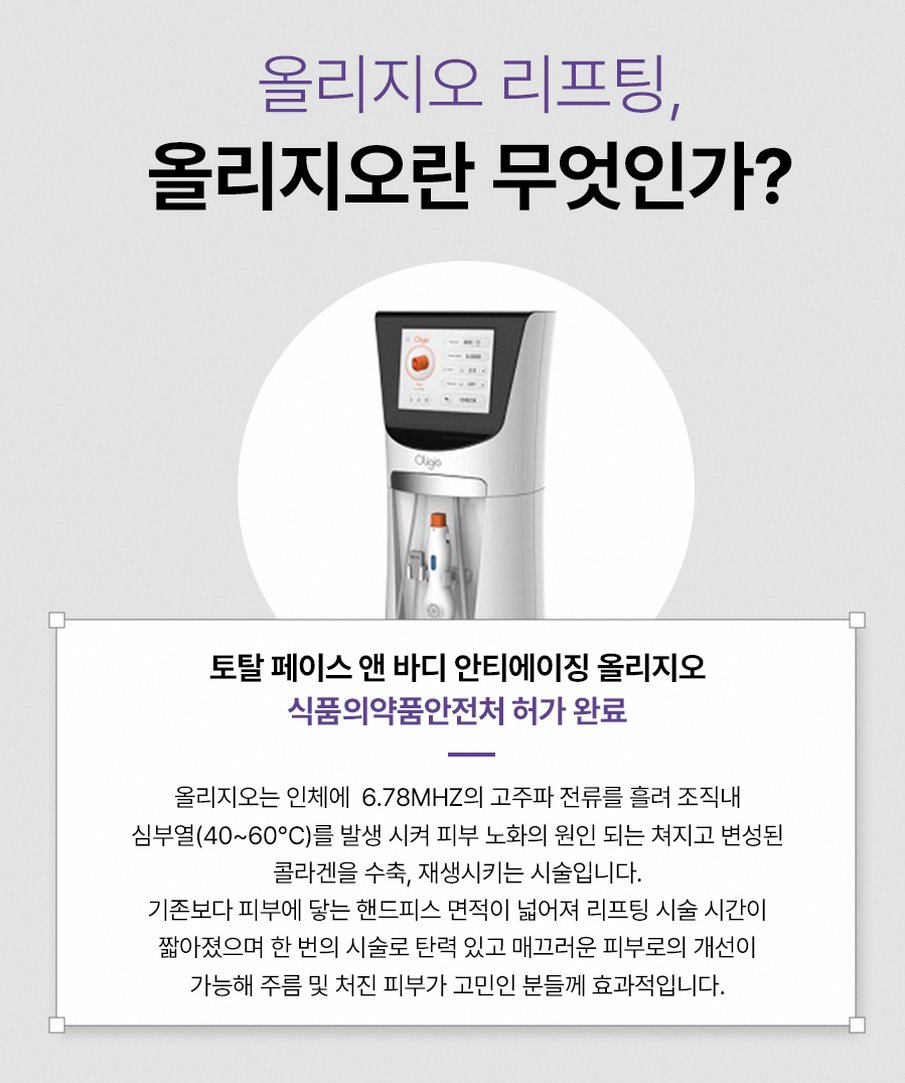
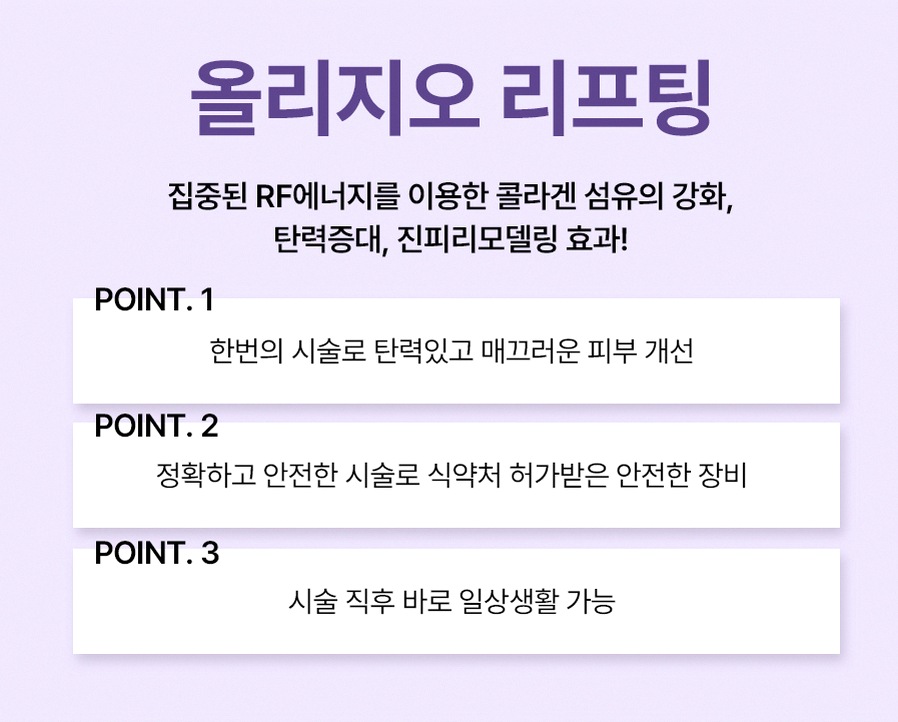
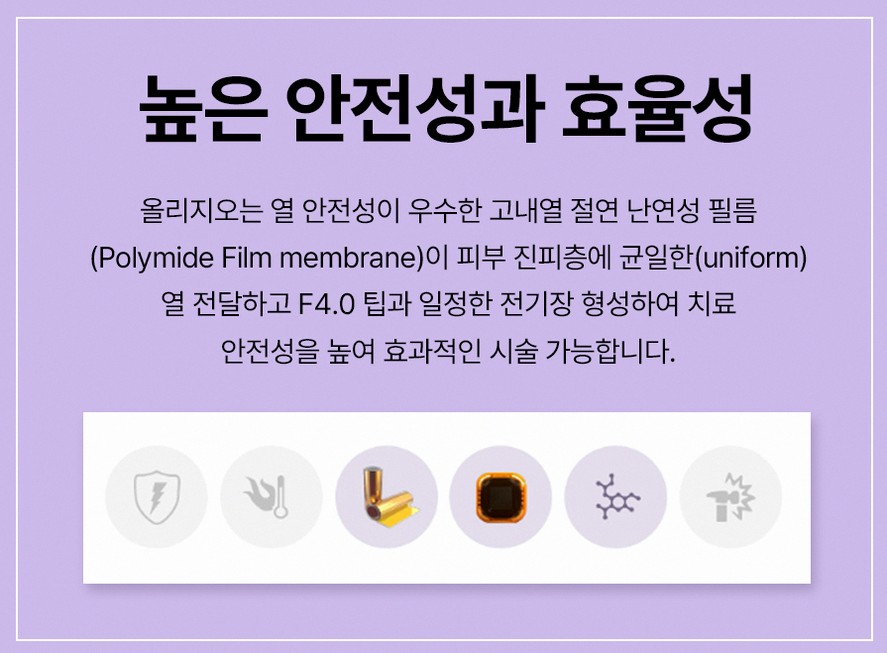
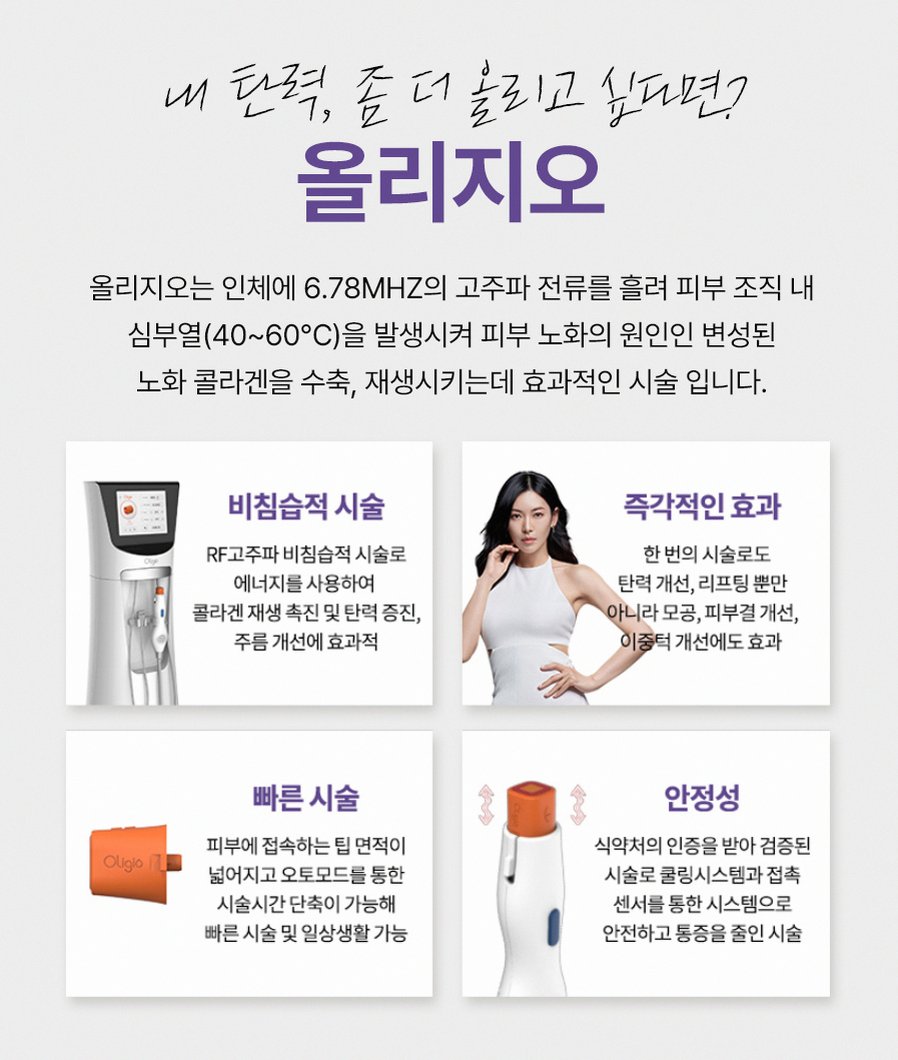
Oligeo is described as an RF‑based, non‑surgical lifting option that aims to heat deeper layers of the skin to promote tightening and lifting. Clinics offering Oligeo generally present it as a device used to stimulate tissue remodeling and improve skin firmness, but specific device mechanisms and treatment details should be confirmed with the provider.
By heating these layers to a specific temperature range, the treatment aims to cause collagen fibers to contract and to stimulate new collagen production over the following weeks and months. Collagen is one of the main structural proteins that helps keep skin firm and elastic. As collagen changes with age, the skin can look looser, with more visible nasolabial folds, early jowls, and a less defined jawline.
Oligeo is designed to target these concerns without incisions or general anesthesia. Many people choose it when they want a lifting effect but are not ready for surgery, or when they prefer a procedure with a shorter recovery period.
How Oligeo differs from other lifting devices
In the Anyang area, you may see several lifting options mentioned together, such as ultrasound‑based lifting, other RF devices, or thread lifting. These treatments are not identical, and each works at slightly different depths or with different mechanisms.
Oligeo uses focused RF energy, which tends to generate heat more broadly in the collagen‑rich layers. Ultrasound lifting devices, by contrast, often create small, precise points of heat in deeper layers, including the superficial muscular aponeurotic system (SMAS). Thread lifting involves inserting special threads under the skin to mechanically reposition tissues.
Because of these differences, some clinics may recommend Oligeo alone, or in combination with other devices, depending on your skin thickness, sagging pattern, and tolerance for discomfort and downtime. A face‑to‑face assessment is usually needed to decide which approach is reasonable for your situation.
Who may consider Anyang Oligeo lifting
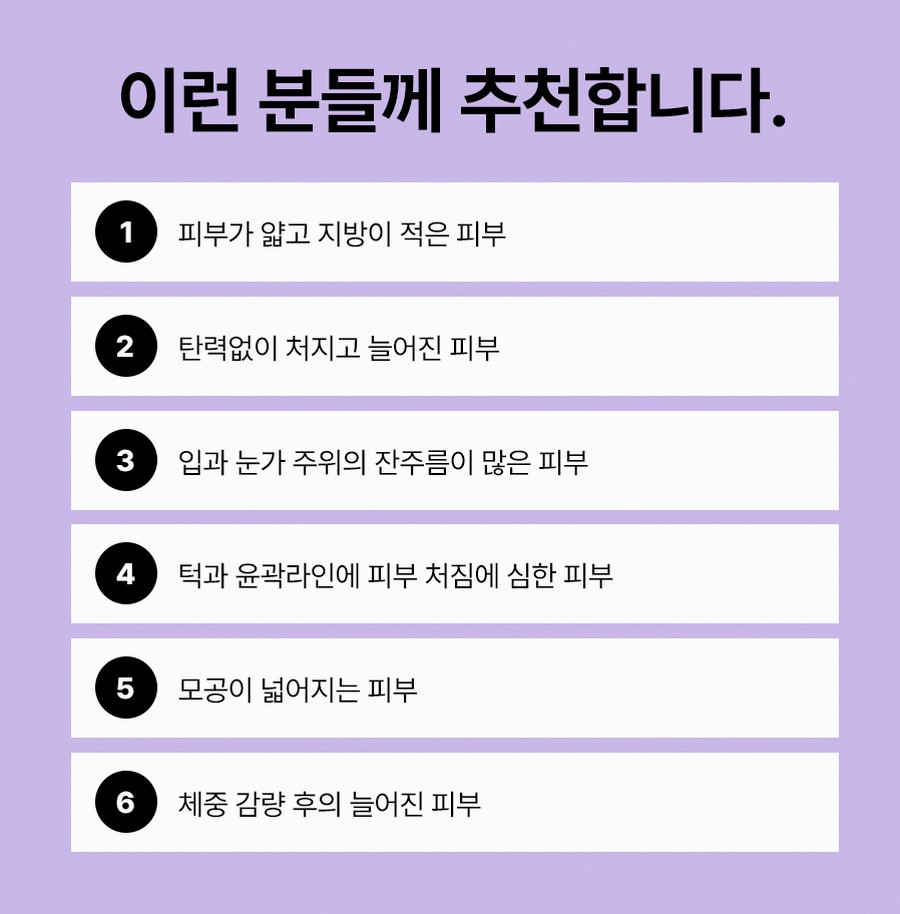
Oligeo is generally considered for adults who notice early signs of facial sagging or loss of firmness but do not yet have very severe skin laxity. It is not a replacement for surgery in all cases, but it can be an option for certain concerns.
People who often ask about Oligeo include those who:
Have mild to moderate sagging along the jawline or early jowls
Notice deepening nasolabial folds or marionette lines
Feel that their cheeks look heavier or less lifted than before
Want a more defined lower face contour without incisions
Prefer a non‑surgical option with relatively quick return to daily life
Your overall health, skin condition, and previous treatments also matter. For instance, people who have had recent energy‑based treatments, strong chemical peels, or certain medical procedures may need to wait before having Oligeo. Those with significant sun damage, very thin skin, or certain medical conditions may need a modified plan or may be better suited to another approach.
Who may not be suitable for Oligeo
Oligeo is not appropriate for everyone. In general, caution or alternative options may be considered if you:
Have a pacemaker or certain implanted electronic devices
Have active skin infections, severe inflammation, or open wounds in the treatment area
Are pregnant or breastfeeding (many clinics postpone elective energy‑based treatments in this period)
Have a history of abnormal scarring or very poor wound healing
Have very severe sagging that may respond better to surgical lifting
These are only general examples. A medical consultation is needed to review your history, medications, allergies, and previous procedures before confirming whether Oligeo is a reasonable option.
How Oligeo lifting is typically performed
The exact protocol can vary by clinic and by individual, but a standard Oligeo session usually follows several basic steps.
Consultation and assessment
Before any treatment, a clinician will usually:
Discuss your main concerns (jawline, cheeks, nasolabial folds, neck, etc.)
Review your medical history, medications, and previous procedures
Examine your skin thickness, elasticity, and pattern of sagging
Explain what Oligeo can and cannot realistically achieve
Some clinics may use facial photography or skin analysis tools to document your baseline. This helps with planning and with later comparison, although it does not guarantee a specific result.
Preparation on treatment day
On the day of the procedure, you can usually eat and drink as normal unless the clinic advises otherwise. At the clinic, the staff will typically:
Cleanse the treatment area to remove makeup, sunscreen, and oil
Apply a topical anesthetic cream, if used, and allow time for it to take effect
Explain the sensations you may feel, such as warmth or tingling
The use of numbing cream and the level of energy chosen are often adjusted based on your pain tolerance and the area being treated.
Delivery of RF energy
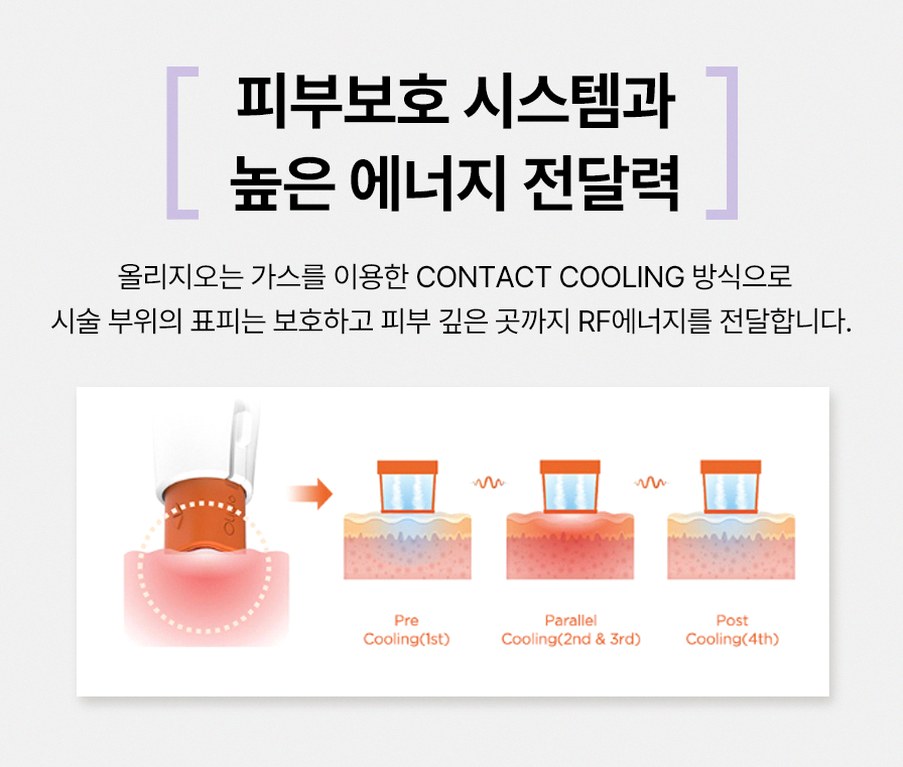
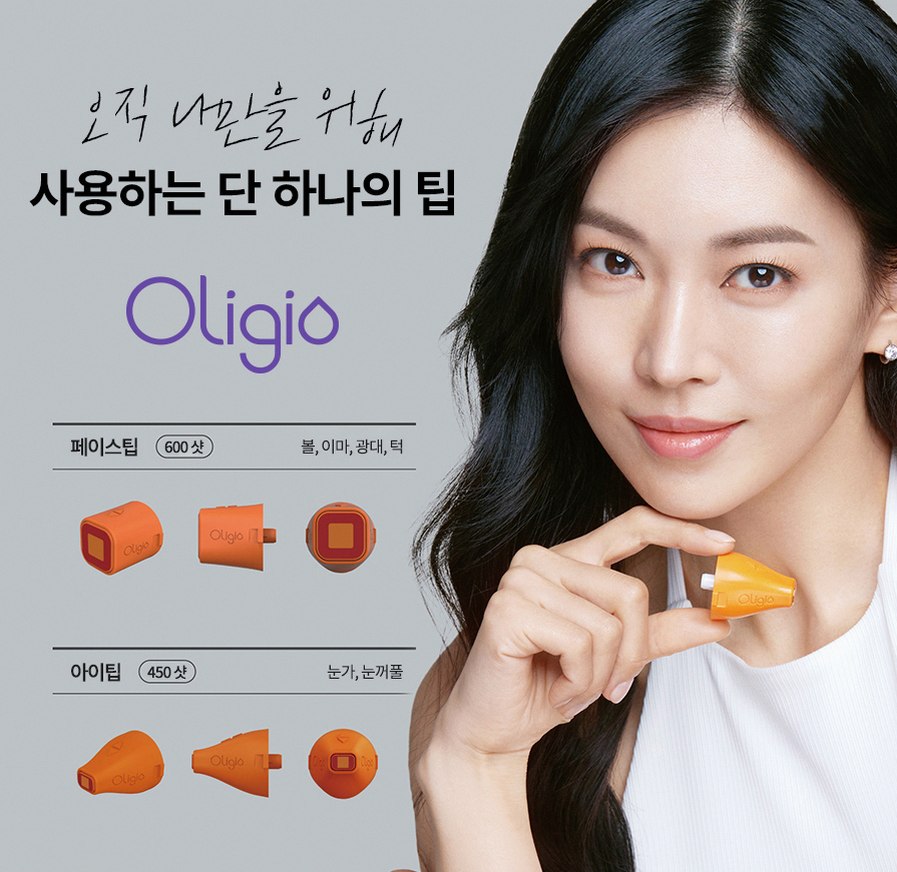
During the Oligeo procedure, the clinician places the handpiece on your skin and delivers focused RF energy in multiple passes or shots. You may feel:
A build‑up of heat in the deeper layers
Mild to moderate discomfort in certain areas, especially where the skin is thinner or closer to bone
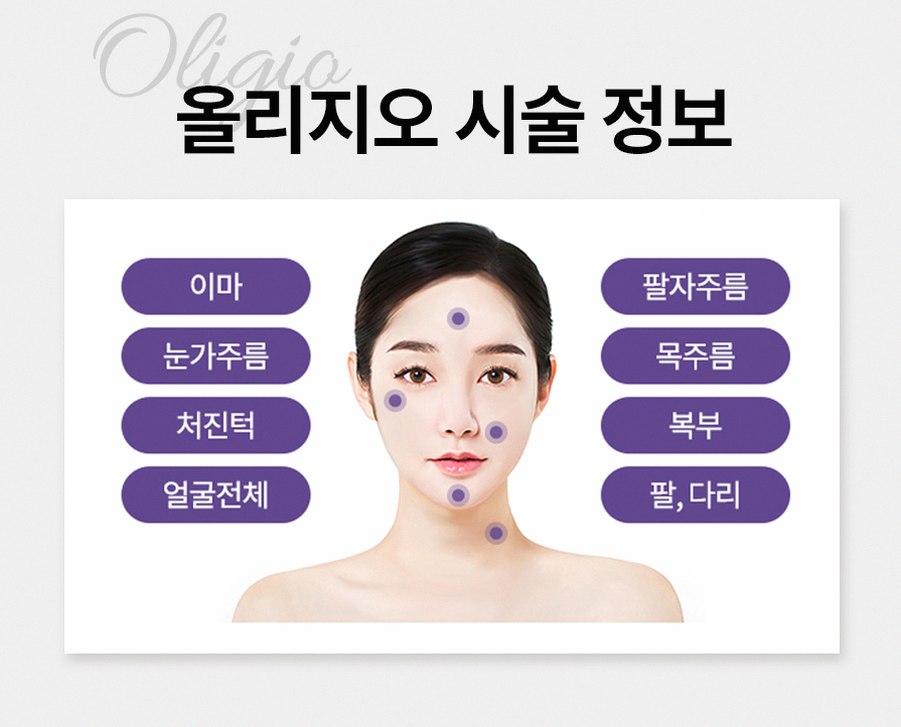
The number of shots and the pattern used depend on your treatment plan. Areas commonly treated include the cheeks, jawline, lower face, and sometimes the neck. Session length varies by clinic and treatment area; ask Lamar Premier Clinic for typical session times.
Immediately after treatment
Right after Oligeo, you may notice:
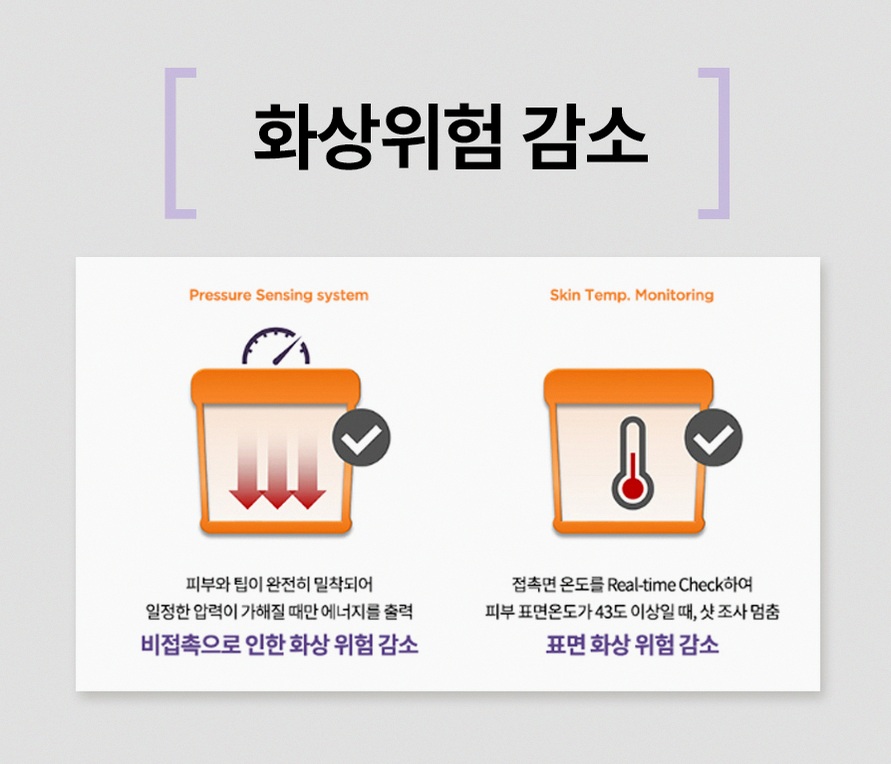
Mild redness or warmth in the treated area
Slight swelling or a feeling of tightness
These changes usually settle over a short period, often within hours to a few days, depending on your skin sensitivity. Most people can return to light daily activities soon after, but individual experiences vary.
How results may develop and how long they may last
With RF lifting treatments such as Oligeo, any immediate feeling of tightness is usually related to temporary tissue changes and mild swelling. The more meaningful changes, if they occur, tend to appear gradually as collagen remodeling takes place.
Many patients are told to expect gradual changes over several weeks to a few months. Some people choose to repeat the treatment at intervals recommended by their clinician, depending on how their skin responds and how their aging process continues.
The duration of any effect can vary widely. Factors that may influence this include:

Age and baseline skin condition
Lifestyle factors such as sun exposure and smoking
General health and nutrition
Genetic factors affecting how your skin ages
Because of these variables, no clinic can responsibly guarantee a specific degree of lifting or a fixed duration of effect for every person.
Combining Oligeo with other lifting or rejuvenation options
In Anyang, many clinics use more than one type of device or technique to address facial aging. The idea is to match the treatment depth and mechanism to the specific problem.
Examples of combination planning include:
Using RF lifting such as Oligeo for overall tightening of the dermal layer
Adding another device for deeper structural support, if appropriate
Considering volume‑focused treatments when hollowing or volume loss is a main concern
Not every patient needs multiple procedures. For some, a focused Oligeo plan may be sufficient for their current goals. For others, a staged approach over several visits might be suggested. The key is to have an honest discussion about what each method can contribute and what limitations exist.
Preparing for an online consultation
If you are overseas and considering Anyang Oligeo lifting, an online consultation can help you understand whether a visit to Korea is practical for your needs.
Before your online consultation, it is useful to prepare:
Clear photos of your face from the front and both sides, in good lighting, without filters
A list of your main concerns, ranked by priority (for example, jawline first, then nasolabial folds)
Your medical history, including chronic conditions and current medications
A list of previous facial treatments or procedures, with approximate dates
During the online consultation, you may want to ask:
Which areas of your face they recommend treating with Oligeo
Whether they suggest combining Oligeo with other devices or treatments
How many sessions they usually recommend for cases similar to yours
What kind of downtime and aftercare they expect in your situation
This information can help you plan your travel schedule, including how many days to stay in Anyang or nearby Seoul.
Expected visit timeline for overseas patients
Every clinic may have its own process, but a typical visit for an international patient might look like this.
Before travel
Complete an online consultation and send requested photos
Share your medical history and any relevant test results
Receive a provisional plan and estimated number of visits
Arrival in Korea
Many overseas patients choose accommodation in or near Anyang, or along Line 4 near Beomgye Station, for easier access. From central Seoul, Beomgye Station is usually reachable by subway.
Day 1: In‑person consultation and possible treatment
On your first clinic visit, the team will:
Confirm your identity and medical history
Re‑examine your face in person
Adjust the plan if your skin looks different from the photos
Explain the procedure again, including risks and expected recovery
If both you and the clinician agree, and if there are no contraindications, the Oligeo treatment may be performed on the same day. In some cases, the clinic may recommend scheduling it for another day, for example if additional tests or skin preparation are needed.
Day 2–3: Early follow‑up (if needed)
Some clinics may offer or recommend a short follow‑up visit within a few days to:
Check the treated area for any unusual reactions
Provide additional calming care, such as soothing packs or gentle treatments
Reinforce aftercare instructions
If your schedule is tight, ask in advance whether this follow‑up can be done online, and under what circumstances an in‑person check would be required.
After you return home
Most of the collagen remodeling process happens over time and does not require frequent in‑person visits. However, you should know how to contact the clinic if you notice unexpected symptoms or have questions.
Some clinics may schedule online follow‑ups at set intervals, such as one to three months after treatment, to discuss your progress and whether any additional sessions are advisable.
Aftercare and recovery
After Oligeo lifting, clinics generally recommend gentle care to support the skin while it recovers from the thermal effect.
Common aftercare points include:
Sun protection: Use broad‑spectrum sunscreen and avoid intense sun exposure, especially in the first days after treatment.
Gentle cleansing: Wash your face with a mild cleanser and lukewarm water, avoiding harsh scrubs or exfoliants.
Hydration: Keep the skin well‑moisturized with products that do not irritate your skin type.
Avoiding heat: For a short period, some clinics advise avoiding saunas, hot baths, or intense exercise that generates excessive heat in the face.
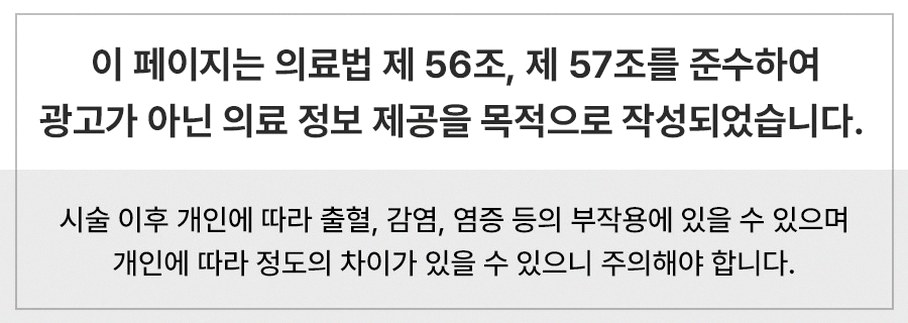
Mild redness, warmth, or slight swelling can be part of the normal response, but they usually improve gradually. If you experience strong pain, significant swelling, blisters, or any symptoms that concern you, you should contact the clinic promptly for guidance.
Possible risks and limitations
Like all medical procedures, Oligeo lifting has potential risks and limitations. While many people tolerate RF lifting well, possible issues can include:
Temporary redness, swelling, or bruising
Sensitivity or discomfort in the treated area
Rarely, changes in skin texture or pigmentation
The likelihood and severity of side effects depend on your skin type, the energy settings used, and how your body responds. A careful consultation and conservative approach can help reduce risks, but they cannot be completely eliminated.
It is also important to understand that:
Results vary: Not everyone experiences the same degree of tightening or lifting.
Aging continues: Even with successful treatment, natural aging and gravity will continue over time.
Maintenance may be needed: Some people choose periodic treatments to maintain their results, based on professional advice.
Questions to ask before you decide
When you compare Anyang Oligeo options, it can be helpful to focus on more than just price. Consider preparing a checklist of questions, such as:
Which areas of my face do you recommend treating with Oligeo, and why?
How many shots or how much energy do you usually use for cases similar to mine?
What level of discomfort should I realistically expect, and what pain control options are available?
How much downtime do your patients typically need before returning to work or social activities?
What aftercare is included, and how do you handle any unexpected reactions?
By asking these questions in advance, you can better understand the treatment plan and decide whether it matches your expectations, schedule, and comfort level.
Frequently asked questions about Anyang Oligeo lifting
Is Oligeo lifting painful?
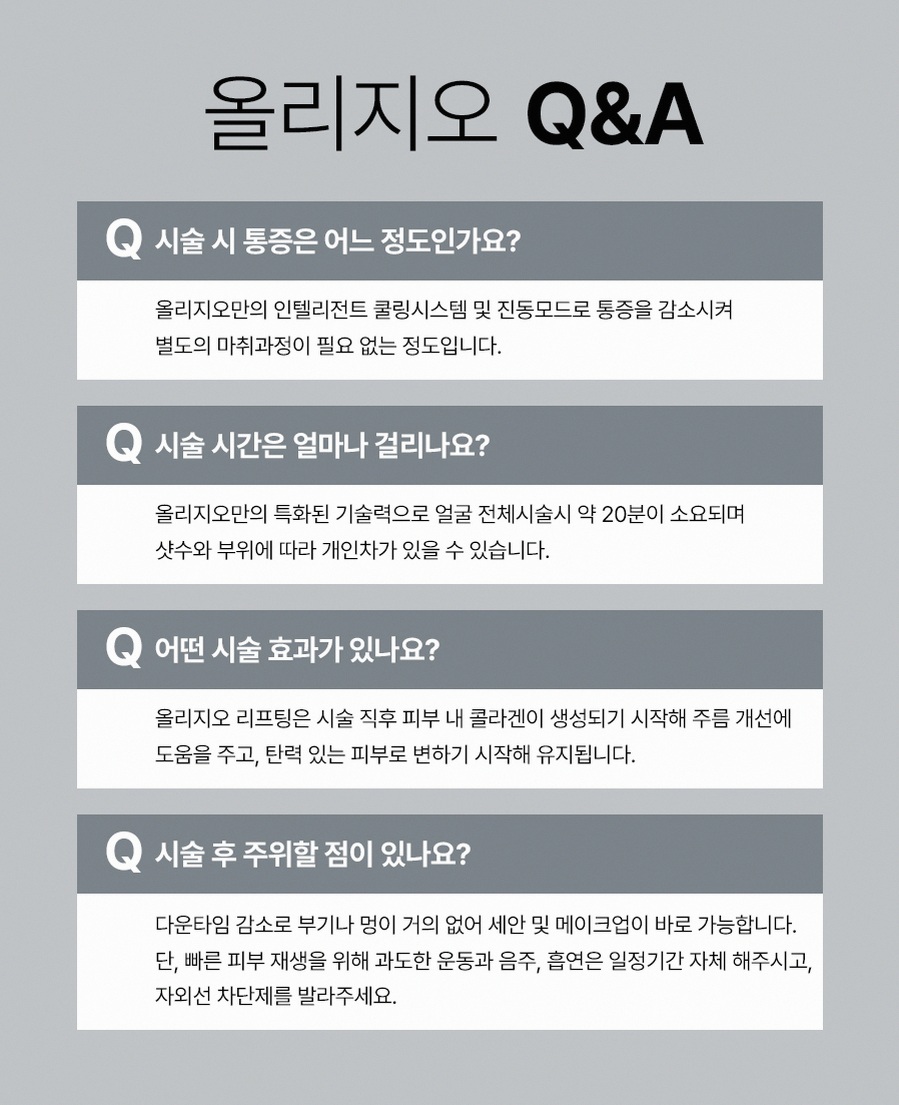
Pain perception varies from person to person. During Oligeo, you may feel heat and some discomfort, especially in bony areas like the jawline or cheekbones. Many clinics use topical numbing cream and adjust the energy level to balance effectiveness with comfort. Discuss your pain tolerance in advance so the clinician can plan appropriately.
How soon can I see results from Oligeo?
Some people notice a subtle feeling of tightness soon after treatment, but this early change is often temporary. The more meaningful changes, if they occur, usually develop gradually over several weeks to a few months as collagen remodeling takes place. Because individual responses differ, the timing and degree of visible change cannot be predicted exactly.
Can I combine Oligeo with other treatments during the same trip to Korea?
In some cases, clinics may combine Oligeo with other non‑surgical treatments, either on the same day or in a staged plan. Whether this is advisable depends on the specific procedures, your skin condition, and your travel schedule. It is important to discuss all planned treatments in advance so the clinician can design a safe sequence and allow enough recovery time between procedures if needed.
How long should I stay in Anyang after Oligeo treatment?
For many overseas patients, a short stay of a few days can be sufficient, especially if the treatment and an early follow‑up are planned efficiently. However, the ideal length of stay depends on your overall health, the extent of treatment, and how your skin typically reacts. During your online consultation, ask the clinic to suggest a minimum stay based on your specific plan, and consider adding a small buffer in case you need an extra check.
Soft call to action for online consultation
If you are considering Anyang Oligeo lifting and would like to explore whether it suits your skin and travel plans, you can start with an online consultation. By sharing clear photos, your concerns, and your medical background, you can receive a more personalized explanation of what Oligeo may offer in your case and how a visit to Korea could be organized.
Lamar Premier Clinic offers consultations for international patients who are comparing non‑surgical lifting options near Beomgye Station in Anyang. If you are planning a trip to Korea and want to include a lifting treatment in your schedule, contacting the clinic in advance will help you understand the likely number of visits, expected recovery, and practical details before you book your flights and accommodation.
This article is for general information only and does not replace a consultation with a qualified medical professional. Decisions about any medical or aesthetic procedure should be made after a direct assessment and discussion of potential benefits, risks, and alternatives for your individual situation.
- 공유 링크 만들기
- X
- 이메일
- 기타 앱


댓글
댓글 쓰기