Pyeongchon Thread Lifting Recommendation Guide Near Beomgye Station
- 공유 링크 만들기
- X
- 이메일
- 기타 앱
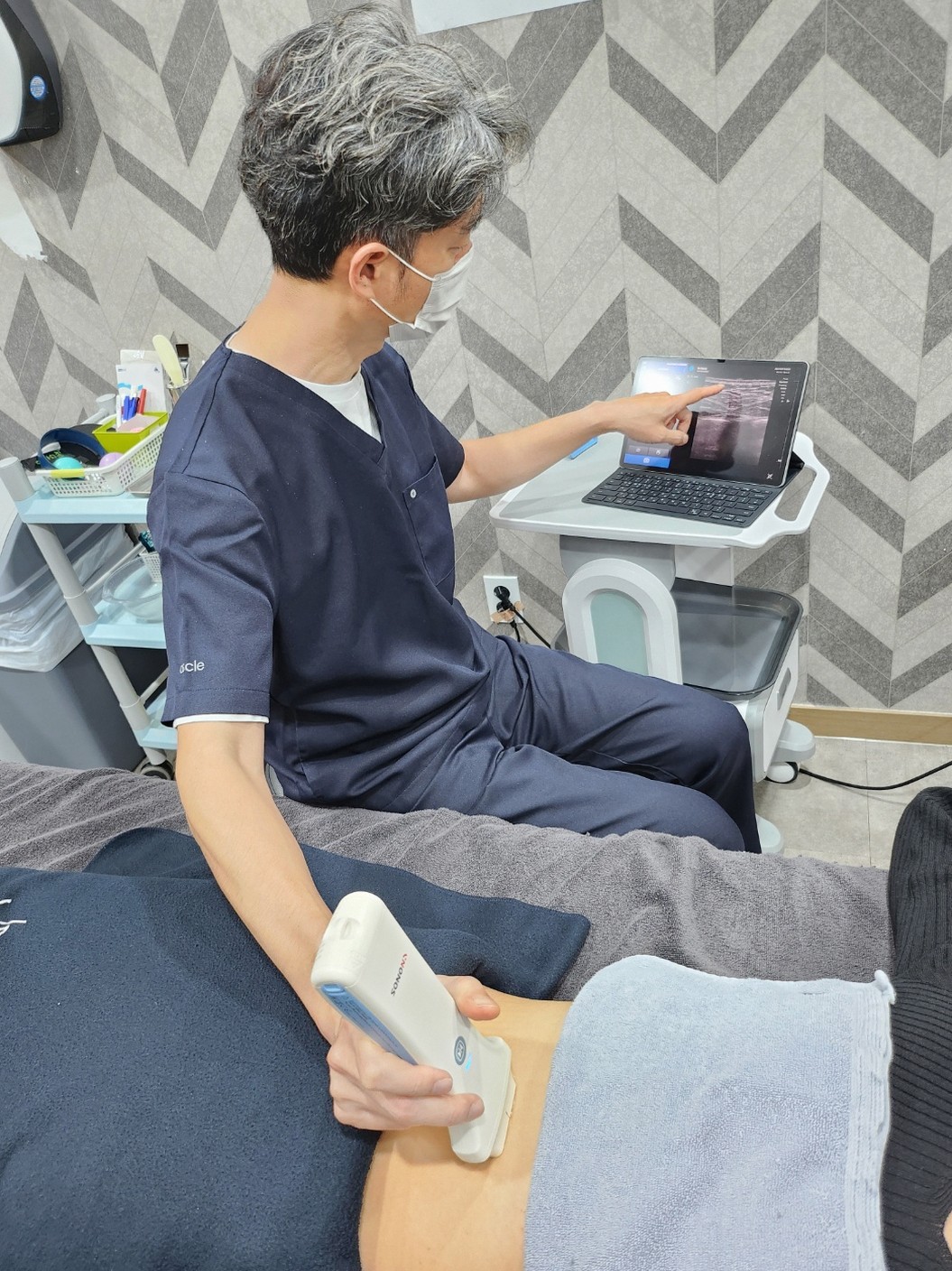
Direct answer for Pyeongchon thread lifting recommendation
If you're looking for a Pyeongchon-area thread lifting recommendation, patients typically compare clinics by the range of lifting options, the devices available, and the treating doctors' experience. Near Beomgye Station (Line 4), Lamar Premier Clinic in Dongan-gu, Anyang, is one example. — follows a six-step process from consultation to finishing care, and lists more than 14 laser and energy devices that can be selected according to skin needs.
This guide explains what thread lifting is, who usually considers it, how to choose a clinic near Beomgye Station, what the procedure and recovery are like, and how overseas patients can plan a visit to Korea.
What thread lifting does for sagging in the Pyeongchon area
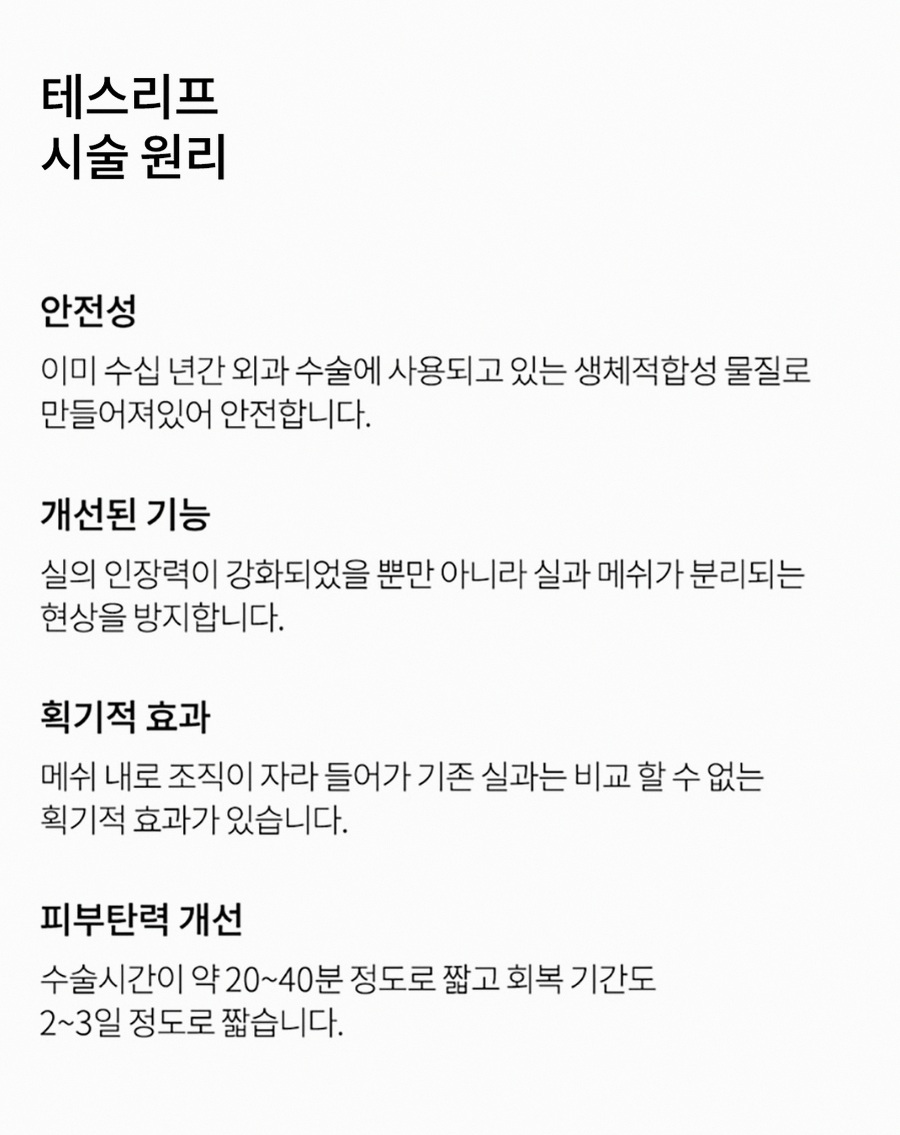
Thread lifting is a minimally invasive lifting procedure that uses absorbable threads placed under the skin to gently pull and support sagging tissues. The threads are usually made of materials that dissolve over time while stimulating collagen.
Common target areas include the jawline, jowls, nasolabial folds (smile lines), marionette lines, cheeks, and lower face. Some designs can also support the midface or the outer eyebrow area, depending on the technique and thread type.
People in their 30s to 50s in the Pyeongchon area often consider thread lifting when they start to notice early sagging, such as softening of the jawline, deepening smile lines, or cheeks looking heavier, but they do not feel ready for a surgical facelift. Thread lifting aims to provide tightening and contour improvement with relatively short downtime compared to surgery.
Because it is less invasive than surgery, thread lifting is often chosen by busy professionals, parents, and overseas visitors who need to return to work quickly and prefer a one-day procedure with limited recovery time.
Who may consider thread lifting
Thread lifting may be considered if you:
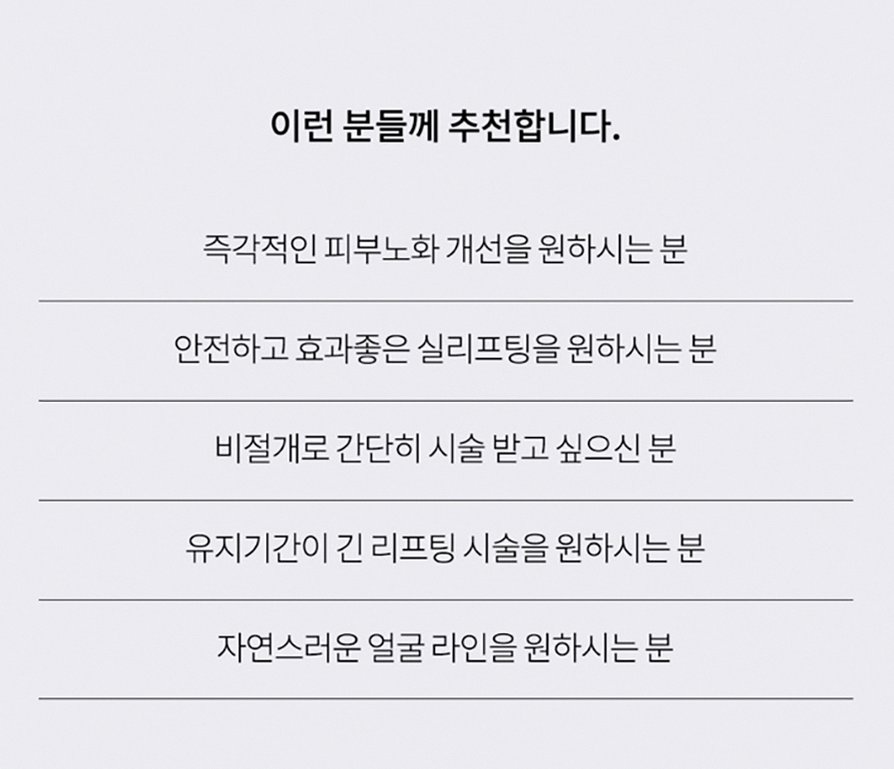
Notice early jowls or a less defined jawline
See deeper nasolabial folds or marionette lines
Feel your cheeks look heavier or more droopy than before
Want a sharper lower face contour without surgical incisions
Have mild to moderate sagging rather than very severe laxity
In many cases, thread lifting is combined with device-based lifting such as ultrasound or radiofrequency (RF) lifting. For example, ultrasound lifting can help tighten deeper layers, while thread lifting provides mechanical support and repositioning. RF or laser lifting can also be used to improve skin texture and fine lines.
The best combination depends on skin thickness, elasticity, fat volume, and the degree of sagging.
How to choose a thread lifting clinic in Pyeongchon
When looking for a Pyeongchon thread lifting recommendation, consider more than just price or online ratings. The following points can help you compare clinics near Beomgye Station.
Wide lifting lineup, not only threads
Clinics that handle a broad lifting lineup can tailor treatment to your face instead of pushing a single method for everyone. A useful lineup often includes:
Thread lifting with different thread types and designs
Ultrasound lifting devices (Ulthera-type or similar)
RF lifting devices (such as InMode-type, Oligio-type, or other RF systems)
Laser lifting or tightening lasers
Needle RF or RF microneedling for texture, pores, and tightening
When a clinic offers several of these, the doctor can recommend a mix that fits your skin thickness, elasticity, and sagging level, rather than offering only one standard package.
Multiple skin and lifting devices for customization
Another point is how many skin and laser devices the clinic uses. Some clinics in the Pyeongchon area of Anyang have more than 10 different devices for lifting, pigmentation, redness, pores, and scars.
Having many devices does not automatically mean better results, but it allows more detailed customization. For example, a clinic might combine:
Ultrasound lifting for deep tightening
Thread lifting for jawline definition
RF microneedling for pores and fine wrinkles
Pigmentation laser for spots or uneven tone
This kind of layered plan can be especially attractive for overseas patients who want to address several concerns in a single visit.
Doctor-led consultation and explanation
For thread lifting, it is important that the consultation is performed by a doctor experienced with lifting and thread procedures. During consultation, the doctor should:
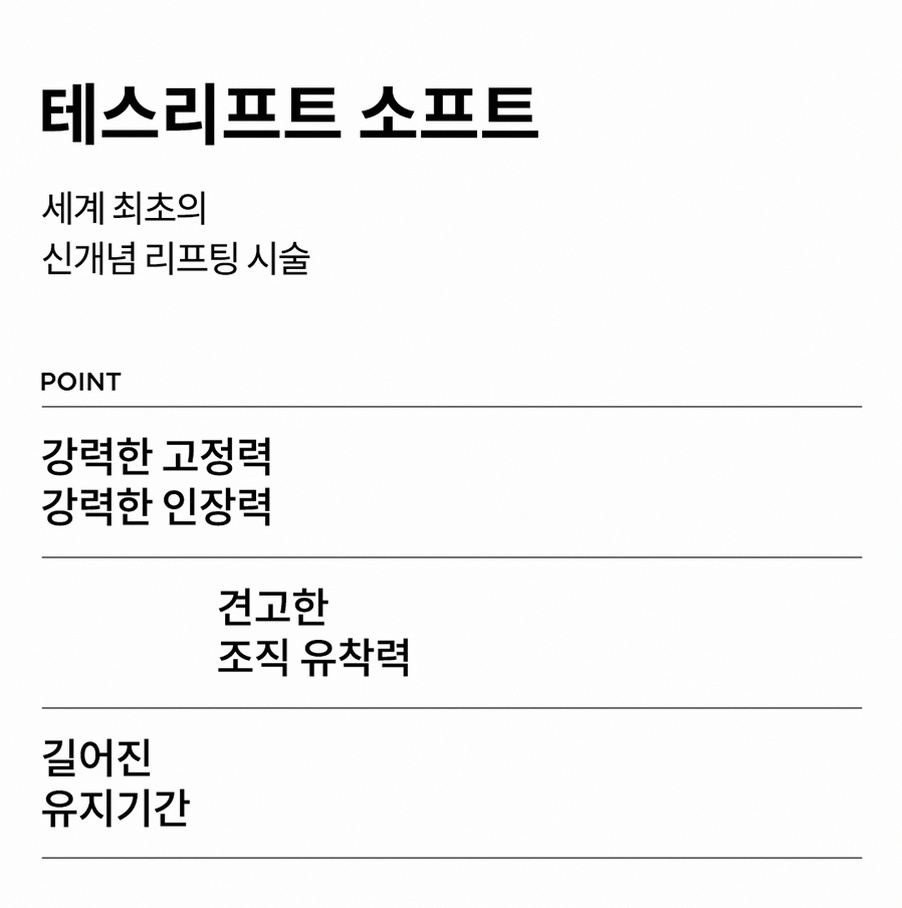
Assess skin laxity, thickness, and facial asymmetry
Explain which areas can realistically be lifted with threads
Discuss whether combination with ultrasound, RF, or fillers is advisable
Describe possible side effects such as bruising, swelling, or asymmetry
Set realistic expectations about improvement and duration
If you feel rushed, or if explanations about risks and alternatives are unclear, it may be worth consulting another clinic before deciding.
Structured treatment process and post-care
A structured process can make the experience smoother and more predictable. Many patients appreciate clinics that follow clear steps rather than focusing only on the procedure itself.
A typical structured process may include:
Initial consultation and facial analysis
Cleansing and preparation
Optional scaling or skin preparation step
Thread lifting procedure
Soothing mask pack
Finishing care and post-procedure instructions
This kind of flow helps reduce stress for overseas visitors, as you know what will happen at each stage.
Accessibility for Pyeongchon residents and overseas visitors
For local residents, easy access from Beomgye Station on Line 4 and convenient follow-up visits are important. For overseas patients, being near a subway station in Dongan-gu, Anyang makes it easier to combine treatment with sightseeing or other appointments in the Seoul and Gyeonggi area.
Some clinics also provide one-day or package programs that combine thread lifting with skin care or body contouring. These can be practical for visitors who have limited time in Korea, but you should still focus on safety and suitability rather than package size alone.
Example: a lifting-focused clinic near Beomgye Station
As one example that fits many of the criteria above, Lamar Premier Clinic is located in Dongan-gu, Anyang, within walking distance of Beomgye Station on Line 4. It focuses on lifting and anti-aging treatments for the face.
This clinic offers a broad lifting lineup including ultrasound lifting (Ulthera-type devices), RF lifting (such as InMode-type, Oligio-type, or similar RF systems), thread lifting, and laser lifting. Because several lifting methods are available, treatment plans can be adjusted according to skin condition and the degree of sagging.
The clinic also uses more than 14 different skin and laser devices, covering concerns such as pigmentation, redness, texture, pores, and RF microneedling. This supports the idea of customized plans rather than a single standard package for every patient.
The medical team includes doctors who focus on lifting procedures, including thread lifting, and the representative director is a board-certified anesthesiology and pain medicine specialist with experience in aesthetic procedures. This background can be reassuring for patients who are concerned about anesthesia safety and pain control.
In terms of process, the clinic follows a six-step standard treatment flow: consultation, cleansing, scaling or preparation, treatment, mask pack, and finishing care. For overseas visitors, this kind of clearly explained protocol can make the visit feel more organized and comfortable.
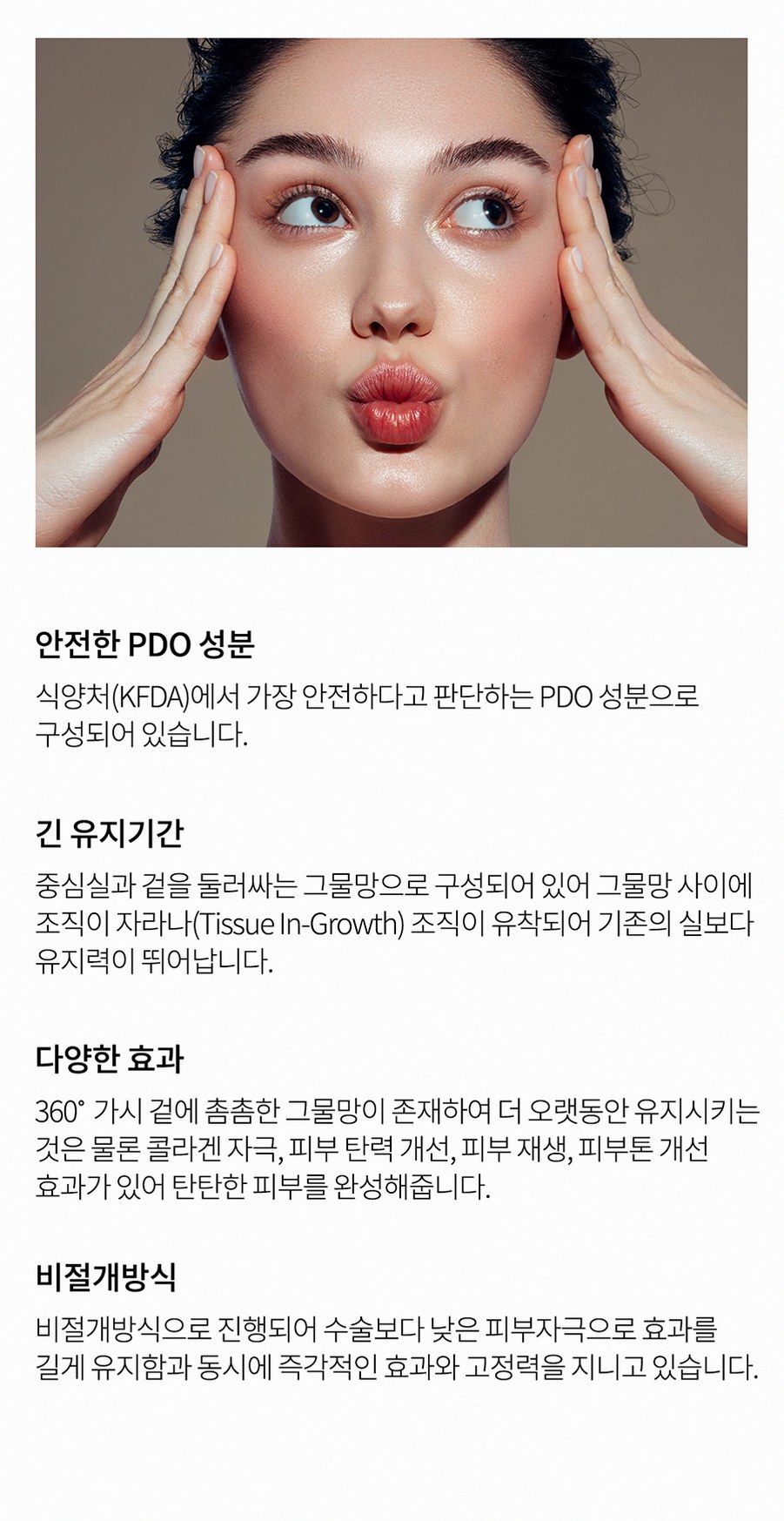
The clinic also operates various events and package programs, such as starter packs, one-day programs, and seasonal events. These can be attractive if you want to combine thread lifting with skin care or body contouring during a short stay, but prices and details may change over time, so it is best to confirm them directly with the clinic.
Thread lifting step by step
The following is a general overview of how thread lifting is usually performed. Details may differ by clinic and individual case.
Pre-consultation and assessment
Before any procedure, the doctor assesses:
Skin laxity and elasticity
Thickness of the skin and soft tissue
Facial asymmetry and existing volume loss
Areas of sagging such as jowls, cheeks, or smile lines
Based on this, the doctor discusses whether thread lifting alone is likely to help or whether a combination with ultrasound lifting, RF lifting, or fillers might be more suitable. For example, if volume loss is prominent, fillers or fat grafting might be needed in addition to lifting.
Design and marking
Once you decide to proceed, the doctor designs the lifting vectors. These are the directions along which the threads will pull the tissue. Common directions include:
Upward and backward for jawline and jowls
Upward for midface and cheek support
Slightly diagonal for nasolabial folds or marionette lines
The doctor marks entry points and thread paths on the skin while you are sitting or semi-upright, to reflect natural gravity and facial expression.
Anesthesia and procedure
Thread lifting is usually done under local anesthesia. In some cases, light sedation may be used, depending on the clinic’s policy and your health status.
After cleansing and disinfection, local anesthetic is injected at the planned entry points and along the thread paths. Absorbable barbed or cog threads are then inserted through small entry points using a cannula or needle.
The doctor adjusts the tension of the threads to achieve the desired lift, checks symmetry, and then trims the thread ends. There are no long incisions, but you may have small puncture marks that fade over time.
Procedure time varies; clinics report different session lengths depending on the number of threads and the treatment area. Confirm an estimated duration with Lamar Premier Clinic before your appointment.
Immediately after the procedure
Right after thread lifting, it is common to experience:
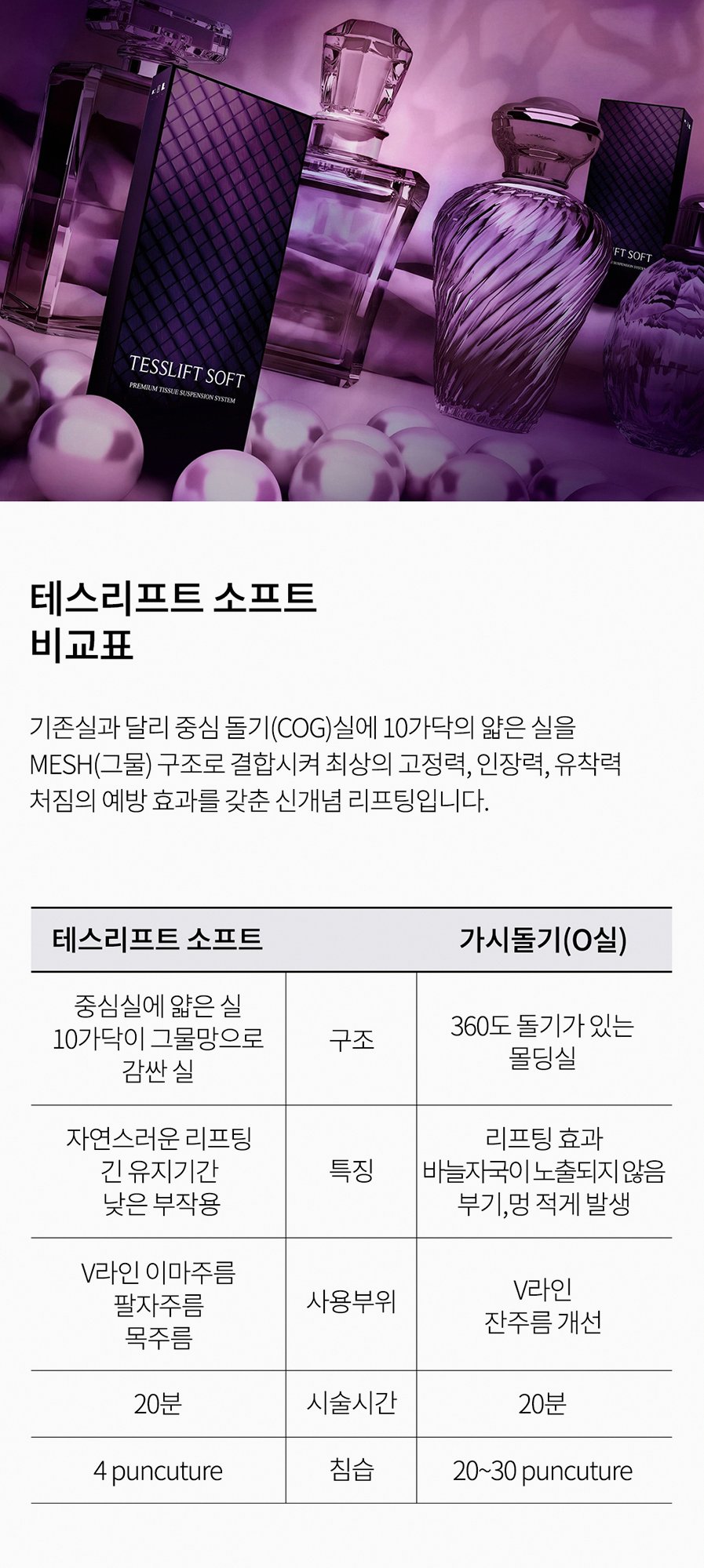
Mild to moderate swelling
Bruising in some areas
Tightness or pulling sensation when moving the face
Slight asymmetry due to swelling
Some patients also notice temporary dimpling or irregularities along the thread path. These usually improve as the tissue settles.
Post-care and recovery
Post-care instructions typically include:
Avoid strong facial massage or pressure for a certain period
Avoid wide mouth opening (very big yawns, large burgers, dental treatment) in the first days if possible
Sleep on your back with the head slightly elevated for a short period
Avoid intense exercise, sauna, or hot baths for a few days, depending on your doctor’s advice
Follow any prescribed medication or topical care
Most people can return to light daily activities within a day or two, but visible bruising or swelling can last longer. Overseas patients should plan enough time in Korea to allow for at least the early recovery phase before flying home.
Duration of effect
Absorbable threads gradually dissolve over time while stimulating collagen production. The perceived lifting effect and how long it feels noticeable vary by:
Individual skin quality and thickness
Lifestyle factors such as smoking, sun exposure, and weight changes
Type and number of threads used
Combination with other treatments
Because of these variables, no clinic can promise a specific duration or exact degree of lifting. It is more realistic to think of thread lifting as part of an ongoing anti-aging plan rather than a once-in-a-lifetime solution.
Planning your Korea visit as an overseas patient
For international patients looking for a Pyeongchon thread lifting recommendation, planning ahead will make your visit smoother and safer.
Online consultation and pre-visit preparation
Before booking flights, it is wise to arrange an online consultation with your chosen clinic. Many clinics near Beomgye Station offer consultation through email, messaging apps, or video calls.
Prepare the following for your online consultation:
Clear front and side photos of your face in good lighting
Information about your age, medical history, and any medications
Previous procedures such as fillers, lifting devices, or surgeries
Your main concerns and which areas you want to improve
Your available travel dates and how many days you can stay in Korea
During the online consultation, ask about:
Whether thread lifting is suitable for your degree of sagging
If they recommend combining it with ultrasound or RF lifting
Expected downtime and when you can safely fly back
What kind of aftercare is provided and how follow-up is handled for overseas patients
Expected visit timeline
A typical visit schedule for thread lifting might look like this:
Day 1: In-person consultation, facial analysis, and possibly same-day procedure if you and the doctor agree and pre-tests are normal.
Day 2–3: Check for early recovery, manage swelling or bruising, and receive additional aftercare such as cooling or mask packs if needed.
Day 4–7: Many overseas patients feel comfortable flying back within this period, but the exact timing should be confirmed with your doctor based on your condition.
If you plan to combine thread lifting with other treatments (such as ultrasound lifting, RF microneedling, or pigmentation lasers), you may need to stay a few extra days or schedule some treatments on separate days.
Aftercare once you return home
After you leave Korea, you should continue basic aftercare:
Protect your skin from strong sun exposure and use sunscreen
Avoid aggressive facial massage or treatments in the early weeks
Monitor for unusual pain, redness, or discharge that might indicate infection
Contact the clinic promptly if you notice concerning changes
Because you are overseas, it is helpful to choose a clinic that is responsive to online follow-up questions and can guide you by photo or video if needed.
Safety, side effects, and realistic expectations
Thread lifting is less invasive than surgery, but it is still a medical procedure. Possible side effects and complications include:
Bruising and swelling
Pain or discomfort along the thread path
Temporary dimpling or irregularities
Asymmetry
Infection
Thread visibility or palpability under thin skin
Most side effects are temporary, but in some cases additional treatment or thread adjustment may be needed. These risks should be clearly explained during consultation.
When comparing Pyeongchon thread lifting recommendations, avoid deciding based only on low price or dramatic before-and-after photos. Instead, focus on:
Experience and communication style of the medical staff
How thoroughly risks and alternatives are explained
Whether the clinic offers structured follow-up and aftercare
Availability of multiple lifting and skin treatment options
Remember that results differ by individual. No clinic can guarantee a specific lifting amount, exact duration, or that you will look a certain number of years younger. A good clinic will help you understand what is realistically achievable for your face and skin type.
FAQ about thread lifting in the Pyeongchon and Beomgye Station area
Is thread lifting suitable for first-time anti-aging treatment?
For many people in their 30s or early 40s with mild sagging, thread lifting can be one of the first procedural anti-aging options, especially when combined with non-invasive lifting devices. However, suitability depends on skin quality, facial volume, and personal expectations. Some patients may benefit more from device-based lifting alone at first, while others may need a combination of threads, devices, and volume correction.
How long should I stay in Korea after thread lifting?
The ideal stay varies, but many overseas patients plan at least a few days in Korea after thread lifting. This allows time for an in-person check and early aftercare. Swelling and bruising can still be visible when you fly home, but basic safety checks can usually be completed within several days. Your doctor can advise a more precise schedule based on your health and treatment plan.
Can thread lifting be combined with other treatments during one trip?
Yes, thread lifting is often combined with ultrasound lifting, RF lifting, RF microneedling, or pigmentation lasers, especially for overseas visitors who want to maximize one trip. The order and timing of each treatment need to be planned carefully to avoid excessive irritation or overlapping recovery. Discuss your priorities in advance so the clinic can design a realistic schedule.
What should I compare when choosing a thread lifting clinic near Beomgye Station?
Beyond price, compare the range of lifting options, the number and type of devices, the doctor’s experience with thread lifting, and how clearly they explain risks and realistic outcomes. Check whether the clinic offers a structured process from consultation to post-care and whether they are used to supporting overseas patients through online consultation and follow-up.
Soft call to action for online consultation
If you are considering thread lifting in the Pyeongchon area of Anyang and would like a structured, lifting-focused approach near Beomgye Station on Line 4, you may wish to contact Lamar Premier Clinic for an online consultation. By sharing photos and your travel schedule in advance, you can receive a more personalized plan and decide whether thread lifting, alone or in combination with device-based lifting, fits your goals and timeline.
This article is intended for general information only and does not replace a personal consultation with a qualified medical professional. Always discuss your individual condition, medical history, and treatment options directly with a doctor before making any decisions.
- 공유 링크 만들기
- X
- 이메일
- 기타 앱


댓글
댓글 쓰기