Questions to Ask Anyang Clinics Before Traveling
- 공유 링크 만들기
- X
- 이메일
- 기타 앱
Direct answer: thread lifting in Anyang
If you are searching for an Anyang thread lifting recommendation, you will find several options around Dongan-gu and Beomgye Station. For international patients, the most important points are not only location, but also how carefully the clinic plans the lifting procedure, what kind of thread and lifting devices are available, and how clearly they explain the expected results and limitations.
This guide explains what thread lifting is, who it may suit, what to check before choosing a clinic in Anyang, and how a visit to Korea for thread lifting typically proceeds, from online consultation to aftercare.
Thread lifting overview
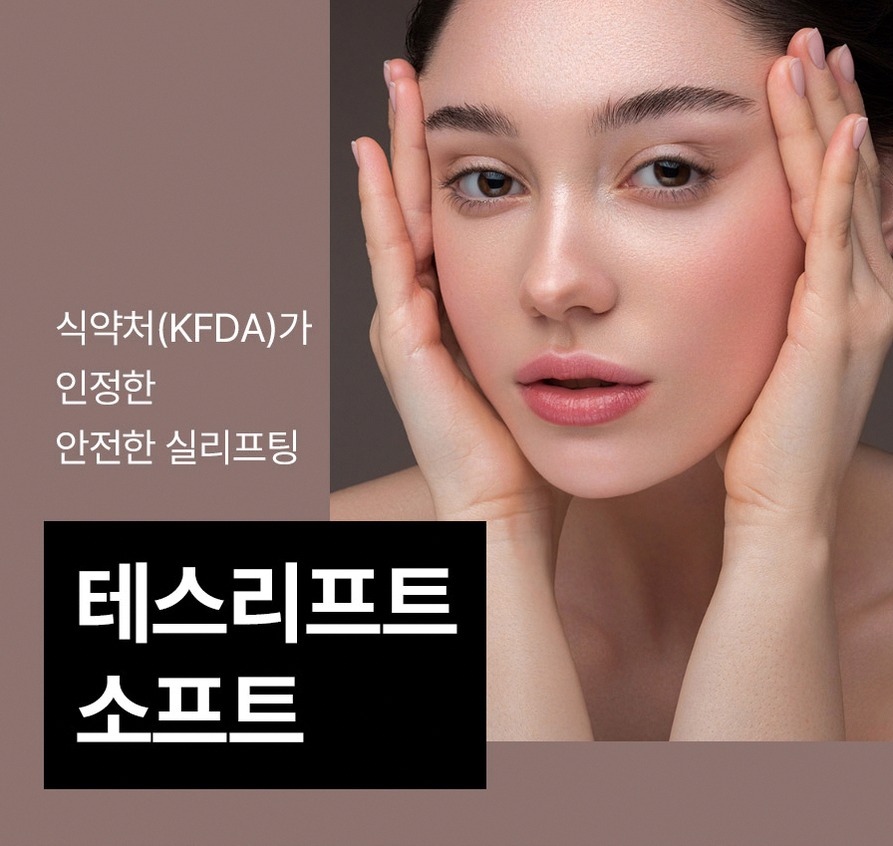
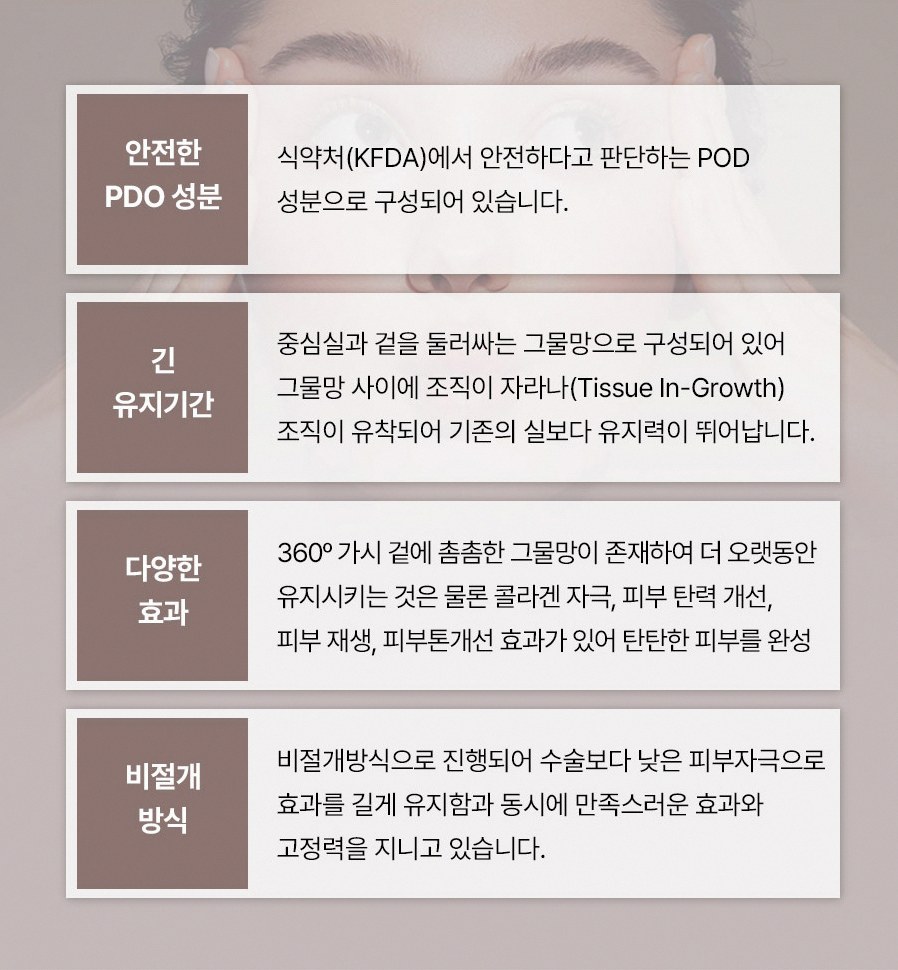
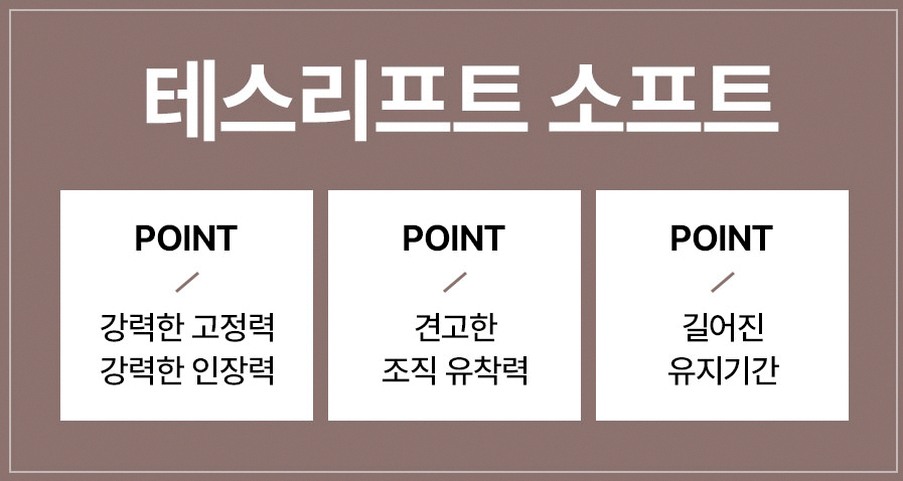
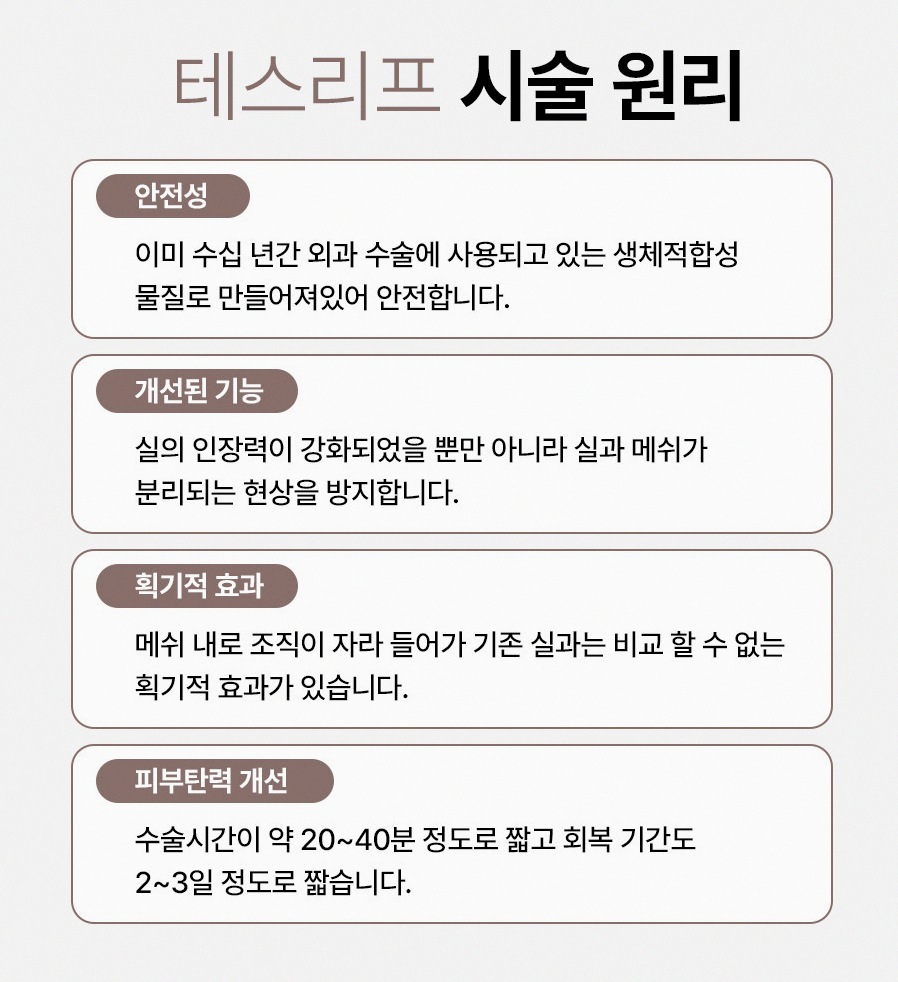
Thread lifting is a minimally invasive lifting procedure that uses fine, absorbable threads placed under the skin to improve sagging and facial contours. The threads often have tiny barbs or cones that anchor into the tissue. By placing and gently tightening these threads, the doctor can lift areas such as the cheeks, jawline, or lower face.
This collagen support may help maintain the improved contour for a period even after the thread itself has dissolved.
Thread lifting is usually performed under local anesthesia. Many people appreciate that it can be done in a clinic setting without general anesthesia and with relatively short downtime compared to surgical lifting. However, it is still a medical procedure with possible side effects, and the results are more subtle and shorter lasting than a surgical facelift.
Common treatment areas
In Anyang clinics near Beomgye Station, thread lifting is commonly used for:
Cheek sagging and midface
To gently lift flattened cheeks and improve the transition between the lower eyelid and cheek.
Jawline and jowls
To create a more defined jawline and reduce the appearance of early jowls.
Nasolabial folds
To give indirect support to the folds that run from the nose to the corners of the mouth.
Marionette lines and lower face
To improve the downward pull around the mouth corners and the early sagging of the lower face.
Neck and under-chin area
In some cases, threads are used to support mild sagging under the chin or along the neck, often combined with other lifting or tightening treatments.
Who may consider thread lifting in Anyang
Thread lifting may be considered by adults who notice mild to moderate sagging and want a lifting effect without surgery. Typical candidates include people in their 30s to 50s who are starting to see changes such as a less defined jawline, deeper nasolabial folds, or tired-looking midface.
You may consider thread lifting if:
You have early sagging but do not yet want or need surgical lifting.
You prefer a minimally invasive approach with local anesthesia.
You can accept a gradual, natural-looking change rather than a dramatic transformation.
You are able to follow aftercare instructions and attend follow-up checks.
On the other hand, thread lifting may be less suitable if you have very advanced sagging, very heavy tissues, or unrealistic expectations. In these cases, a doctor may recommend alternative or combined approaches, such as energy-based lifting devices, volumizing treatments, or in some situations, surgical consultation.
What to look for in an Anyang thread lifting clinic
When comparing thread lifting options in Anyang, especially around Dongan-gu and Beomgye Station, consider the following practical points.
Variety of lifting options
A clinic with a broad lifting lineup can adjust the plan to your individual needs. For example, they may combine:
Different types of threads for deeper lifting and finer surface support.
Energy-based devices such as ultrasound or radiofrequency lifting for skin tightening.
Volume-balancing treatments if volume loss is contributing to a sagging look.
When you ask about thread lifting, notice whether the clinic suggests only one fixed package or explains several lifting tools and how they can be combined for your face.
Structured consultation and planning
A careful clinic usually follows a structured process:
Listening to your main concern in your own words, such as “jawline definition” or “cheek sagging”.
Examining your face at rest and in movement, from the front and side.
Explaining which tissues are sagging (skin, fat, or deeper support) and how much lifting is realistic with threads.
Discussing different thread types, insertion directions, and how many threads are planned.
Reviewing potential side effects and what you may feel during and after the procedure.
During your online or in-person consultation, you can check whether the doctor explains these points in a clear, understandable way.
Experience with international patients
If you are visiting from overseas, it is helpful to choose a clinic that is familiar with international patients. Practical signs include:
Staff who can communicate in English or provide translation support.
Clear written instructions in English for preparation and aftercare.
Experience arranging tight treatment schedules for short stays.
Location and access
For visitors staying in Seoul or southern Gyeonggi-do, Anyang Dongan-gu near Beomgye Station on Line 4 is convenient. When you plan your trip, check:
Travel time from your hotel or airport.
Whether the clinic is easy to reach by subway or taxi.
If they can coordinate same-day consultation and procedure when medically appropriate.
How thread lifting is typically done
The exact method can vary by clinic, but most thread lifting procedures in Anyang follow a similar sequence.
Pre-procedure design
The doctor will usually mark your face while you are sitting up. These markings show the entry points and the direction of thread placement. At this stage, you can confirm which areas you want to focus on, such as jawline or midface.
Anesthesia
Local anesthetic is applied to the planned entry points and along the thread paths. Some clinics also use topical numbing cream before injections to increase comfort.
Thread insertion
Using a fine needle or cannula, the doctor inserts the threads under the skin following the pre-drawn lines. You may feel pressure or pulling, but sharp pain should be minimized by the local anesthetic.
Lifting and adjustment
Once the threads are in place, the doctor gently lifts and adjusts the tissue along the thread path. You may be asked to sit up so the doctor can check the symmetry and the effect in a natural position.
Trimming and final check
The external ends of the threads are trimmed, and the doctor checks for symmetry, dimpling, or irregularities. Small dressings or cooling packs may be applied.
Who performs the procedure and how they explain each step are important factors when choosing a clinic.
Online consultation and pre-visit preparation
For international patients considering thread lifting in Anyang, online consultation is an important first step.
Sharing photos and concerns
Before your visit, most clinics will ask for clear facial photos. To help them plan:
Send front, 45-degree, and side views with neutral expression.
Include photos in good natural light without heavy makeup or filters.
Describe your main concerns in simple terms, such as “my jawline looks less sharp” or “my cheeks look saggy”.
Questions to ask before booking
To compare clinics more objectively, prepare a short checklist of questions, for example:
Which areas do you recommend lifting for my face, and why?
What types of threads do you use, and how many threads are typically used in a case like mine?
Do you often combine thread lifting with other lifting treatments, and would you recommend that for me?
How long should I stay in Korea for the procedure and follow-up?
What are the common side effects and how are they managed?
By asking the same questions to two or three clinics, you can compare how specific and realistic their explanations are.
Medical and travel information
When you confirm your appointment, provide:
Your age and general health conditions.
Any history of facial procedures or treatments.
Medications, supplements, or blood thinners you are taking.
Your planned travel dates and accommodation area.
The clinic can then advise whether your schedule is realistic and if you need to adjust any medications in consultation with your local doctor.
Expected Korea visit timeline for thread lifting
The schedule below is an example only. Availability, medical clearance, and recommended recovery time vary by clinic and by patient, so confirm exact timing with your chosen clinic and obtain any travel or post-procedure instructions in writing before you book flights.
Day 1: Arrival and initial rest
- Arrive, rest, and use this day to recover from travel. If you have pre-visit paperwork, complete it and prepare any medical history or medication lists for your consultation.
Day 2: Consultation (and possible same-day procedure)
- Consultation typically includes medical assessment, discussion of goals and risks, and planning the procedure. If both you and the physician agree and the clinic’s policy and your medical status allow it, some clinics may offer same-day thread lifting. Plan several hours for consultation, preparation, the procedure, and a short recovery period.
- Important: Do not assume same-day treatment is guaranteed. Ask the clinic in advance whether same-day procedures are offered for international patients, what medical checks are required, and how long you should wait before flying after the procedure. Request that their guidance on same-day eligibility and recommended post-procedure flight timing be provided to you in writing.
Day 3–5: Early recovery and follow-up
- Expect some swelling or bruising in the first days; follow all aftercare instructions from the clinic. Many clinics schedule an early follow-up within the first week to check healing and answer questions.
Return travel timing
- Recommended timing for flying after thread lifting depends on the procedure details and your clinical recovery. Some clinics advise waiting a few days to a week or longer before long-haul flights; others may permit earlier travel for low-risk cases. Confirm the clinic’s specific recommendation for your situation and get that advice documented before you finalize travel plans.
Every case is different, but many international patients follow a similar timeline when visiting Anyang for thread lifting.
Day 1: Arrival and rest
Arrive in Korea and settle into your accommodation. If you arrive late, it is usually better to schedule the clinic visit from the next day onward, so you are not rushed or tired during consultation.
Day 2: Consultation and possible procedure
You visit the clinic in Dongan-gu, near Beomgye Station. The doctor reviews your medical history, examines your face in person, and confirms whether the previously discussed plan is still suitable.
If both you and the doctor agree, and there are no medical reasons to delay, the thread lifting procedure may be done on the same day after consultation. Plan several hours for consultation, preparation, procedure, and rest.
Day 3 to 4: Early recovery and follow-up
Mild swelling, tightness, or bruising can appear during the first few days. Many clinics schedule a short follow-up visit to check the thread positions, symmetry, and healing. If you are staying near Anyang or in southern Seoul, you can usually travel comfortably by subway or taxi.
Day 5 to 7: Return home
Many international patients feel comfortable flying home within a few days after thread lifting, but this can vary by individual and by the extent of treatment. Before booking your ticket, confirm with the clinic how many days they recommend you stay in Korea based on your specific plan.
Aftercare and recovery
Proper aftercare is important to help the threads settle and to reduce the risk of complications.
Immediately after the procedure
You may experience:
Tightness or pulling sensation along the thread paths.
Mild swelling or bruising, especially around the entry points.
Slight asymmetry due to swelling, which usually improves as healing progresses.
Cold compresses may be recommended for the first day or two to reduce swelling. The clinic will tell you how to clean the treated area and whether to avoid makeup for a short period.
Activity restrictions
For a certain period after thread lifting, clinics often advise:
Avoid strong facial massage or beauty treatments on the treated area.
Avoid opening your mouth very widely, heavy chewing, or very strong facial expressions for several days.
Sleep on your back with your head slightly elevated if possible, especially in the first days.
Avoid intense exercise, saunas, or hot baths for a short time as advised.
These recommendations help prevent thread displacement and support smoother healing.
Monitoring and follow-up
If you are returning overseas, ask the clinic how to contact them if you have concerns later. You can also:
Take clear photos at set intervals, such as 1 week, 1 month, and 3 months after the procedure.
Share these photos during online follow-up if the clinic offers remote check-ins.
If you notice unusual pain, strong redness, or visible thread exposure, contact the clinic promptly and also consult a qualified medical professional in your home country.
Realistic expectations and limitations
Thread lifting can improve mild to moderate sagging and sharpen facial contours, but it has limitations.
Duration of effect
The visible effect and the feeling of tightness are often most noticeable in the first months. Over time, as swelling subsides and tissues settle, the result becomes more natural. The supportive effect of the threads and the collagen they stimulate may last for a period, but this varies by individual, thread type, and lifestyle.
Need for combination treatments
In some cases, thread lifting alone may not fully address all concerns. For example, if volume loss in the cheeks is significant, or if skin quality is reduced by sun damage, a doctor may suggest combining threads with other treatments. When you compare Anyang clinics, pay attention to whether they discuss these possibilities openly rather than presenting thread lifting as a single solution for every issue.
Individual differences
Age, skin thickness, facial structure, and lifestyle (such as smoking or heavy sun exposure) can affect both the result and its duration. A careful clinic will explain that your outcome may differ from photos or examples you have seen and will avoid promising a specific result.
How Lamar Premier Clinic approaches thread lifting
In the Anyang Dongan-gu area, some clinics focus strongly on lifting and contouring, offering a wide lineup of lifting options. At places like Lamar Premier Clinic, the emphasis is often on matching the lifting method to the individual face rather than using a single fixed pattern.
When you contact such a clinic, you can expect discussion about:
Which lifting tools are most suitable for your degree of sagging.
How threads can be combined with other lifting devices or supportive treatments.
How to schedule consultation, procedure, and follow-up within your travel dates.
For international patients, clear communication, realistic planning, and structured follow-up are especially important.
Frequently asked questions about Anyang thread lifting
How long should I stay in Korea for thread lifting in Anyang?
For most international patients, a stay of about 3 to 5 days is often recommended for thread lifting in Anyang. This allows time for in-person consultation, the procedure, and at least one follow-up check. However, the ideal length can vary depending on your individual treatment plan and how your body typically heals. Discuss your travel dates with the clinic in advance so they can advise a suitable schedule.
Is thread lifting painful and what does it feel like?
During the procedure, local anesthetic is used to reduce pain. You may feel pressure, pulling, or a strange sensation as the threads are placed and adjusted, but sharp pain should be limited. After the procedure, some tightness, soreness, or mild discomfort along the thread paths is common for a few days. Clinics usually provide guidance on how to manage these sensations with cold packs or medication if needed.
Can I fly soon after thread lifting in Anyang?
Many patients are able to fly a few days after thread lifting, once the initial swelling and discomfort have started to settle. Flying itself does not usually harm the threads, but you may feel more comfortable if you allow at least a short recovery period before a long flight. Always confirm the timing with your doctor, as they can consider the extent of your procedure and your general health.
How do I choose between thread lifting and other lifting treatments?
Thread lifting is one option among several lifting methods. It may be more suitable if you have mild to moderate sagging and want a minimally invasive approach with visible contour change. Energy-based lifting devices may be preferred when the main issue is skin laxity without much tissue descent, or when you want to avoid threads. Surgical lifting is usually considered for more advanced sagging. During consultation, ask the doctor to explain which layer of tissue is causing your concern and why a particular method or combination is recommended for you.
Soft call to action for online consultation
If you are considering thread lifting in Anyang and planning a visit to Korea, an online consultation can help you understand whether this treatment suits your face and schedule. By sharing clear photos and your travel plans, you can receive a more personalized outline of possible options and an estimated timeline.
Clinics such as Lamar Premier Clinic in Dongan-gu, near Beomgye Station, can guide you through this process, from initial online questions to in-person consultation and follow-up. Before you decide, take time to compare explanations from different clinics, prepare your questions, and choose a team that communicates clearly and respects realistic expectations.
This article is for general information only and does not replace a personal consultation with a qualified medical professional. Always discuss your individual health conditions, expectations, and treatment options directly with a doctor before making a decision.
- 공유 링크 만들기
- X
- 이메일
- 기타 앱


댓글
댓글 쓰기