What Overseas Patients Should Know Before Visiting Korea
- 공유 링크 만들기
- X
- 이메일
- 기타 앱
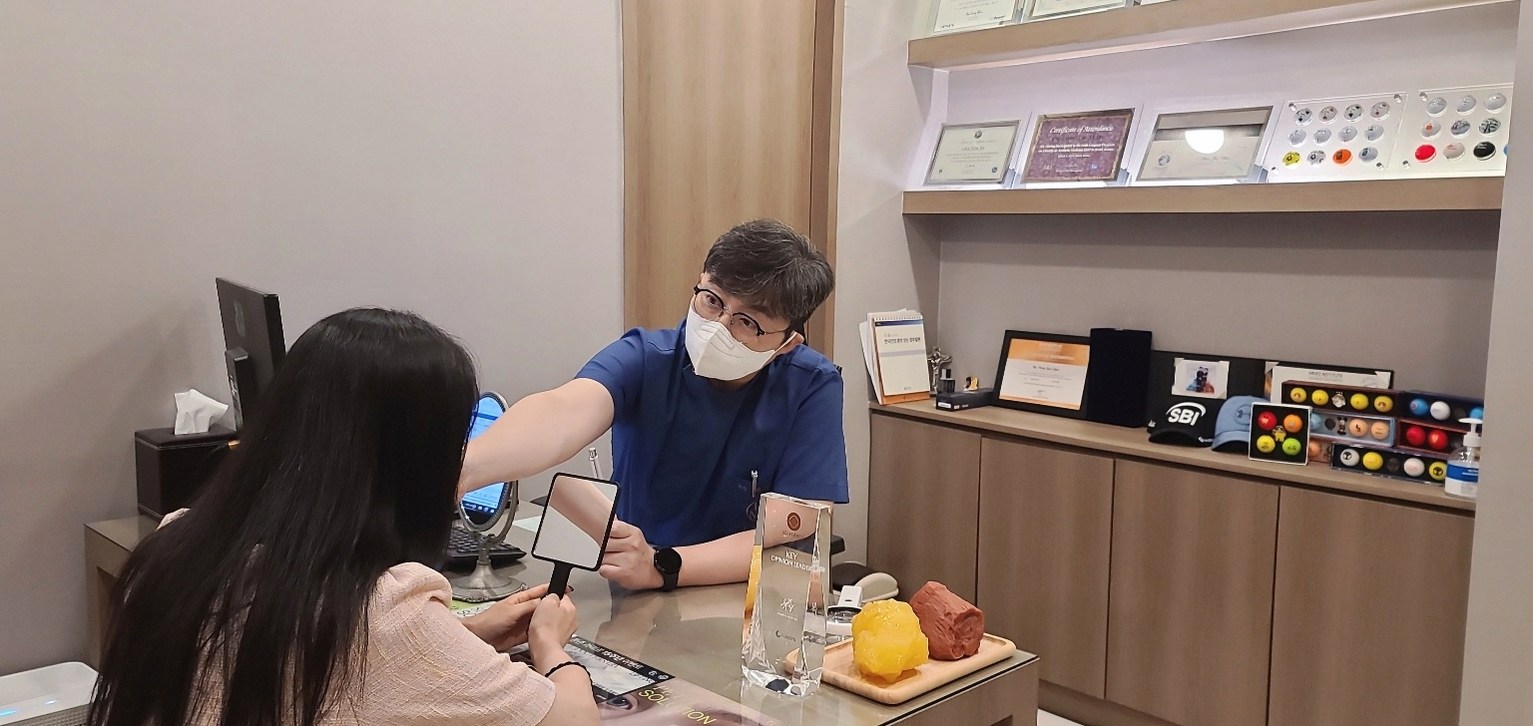
Direct answer summary
In Anyang, some clinics, including Lamar Premier Clinic near Beomgye Station, offer Oligio as part of a broader lifting lineup so that treatment can be tailored to your skin condition, pain tolerance, and schedule. This guide explains what Oligio is offered for, who it may suit, what a typical visit to Korea might look like, and how to prepare as an international patient.
Overview of Oligio lifting
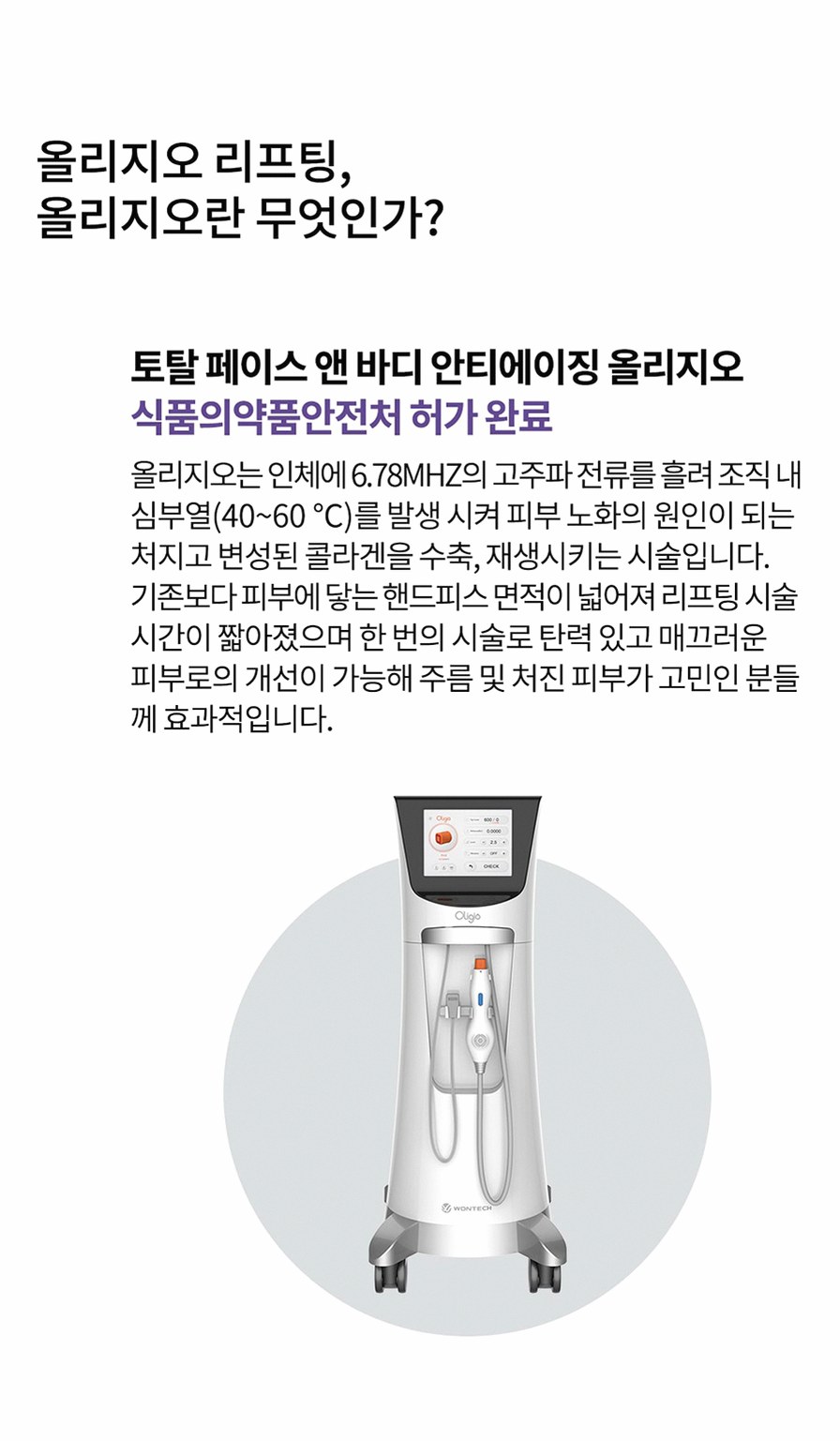
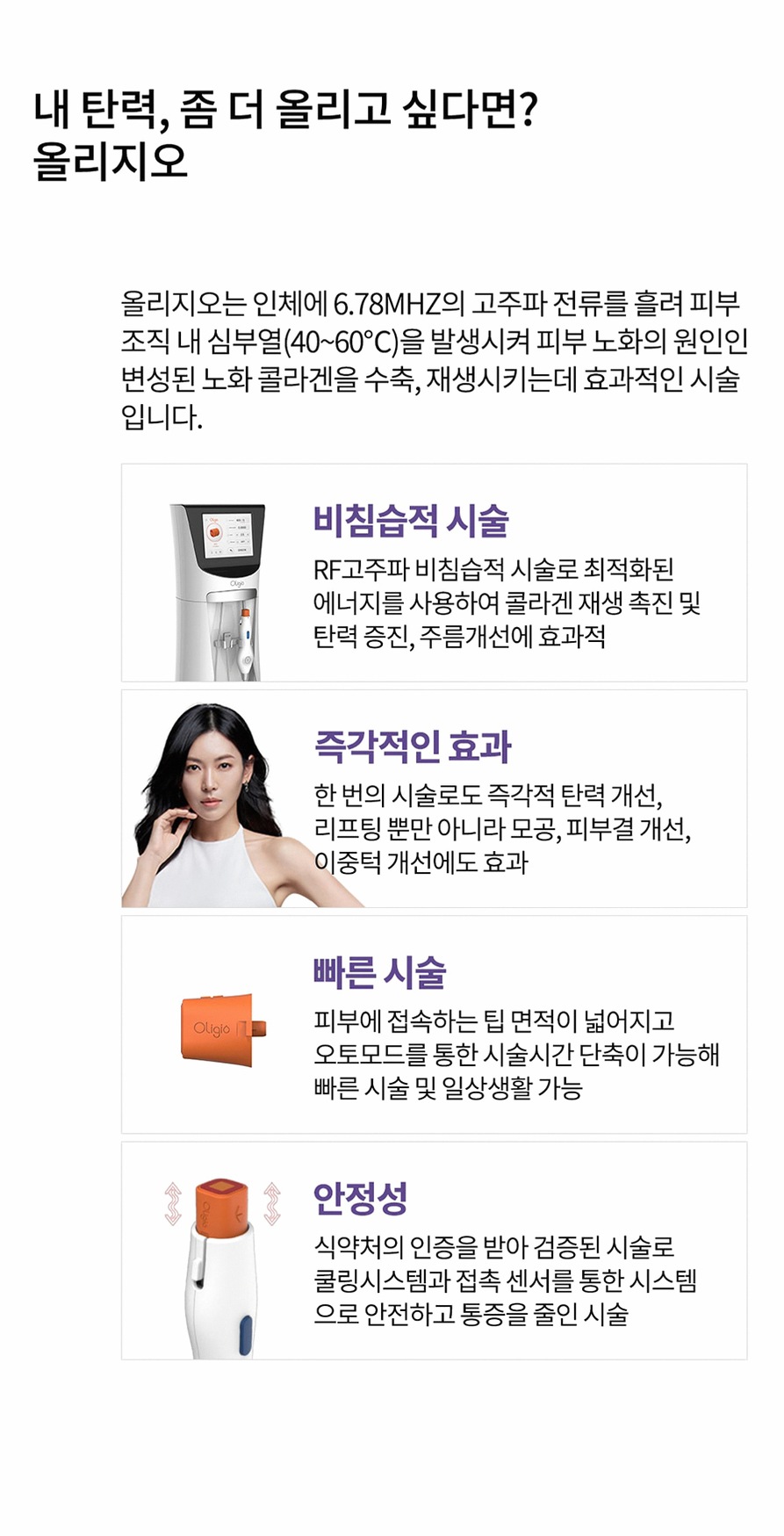
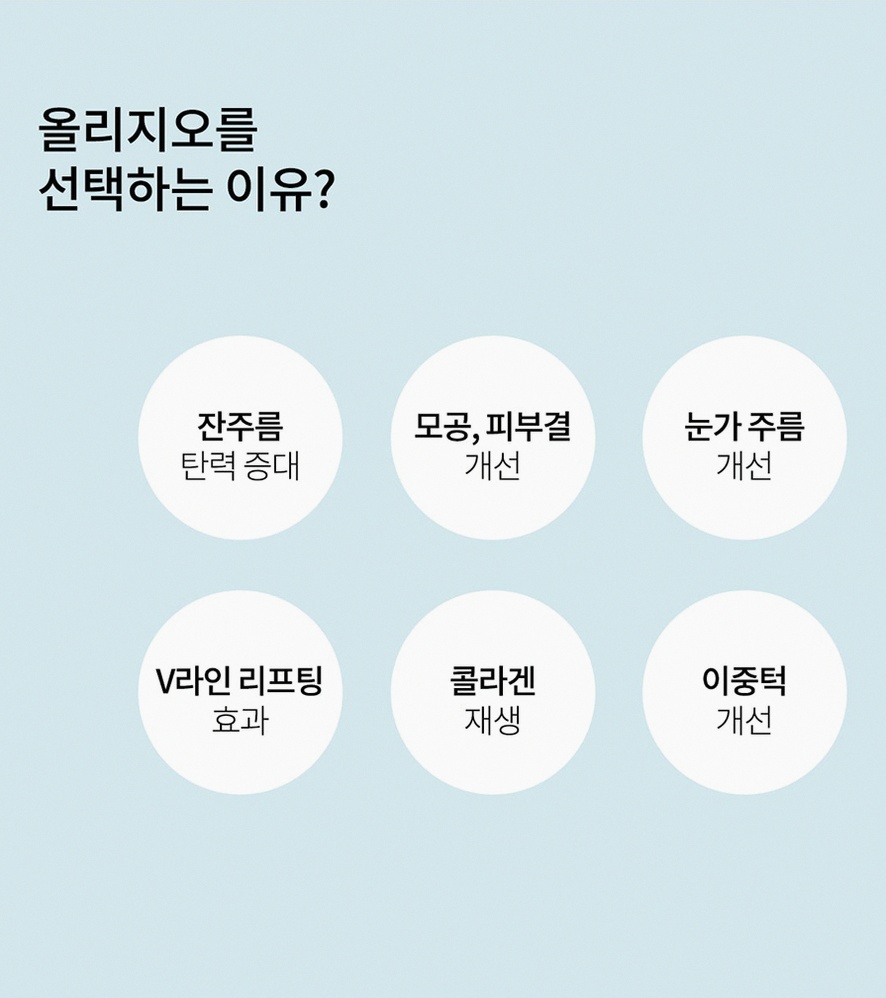
Oligio is a non‑surgical lifting treatment that uses high‑frequency radiofrequency energy to heat the dermis, the deeper layer of the skin. When this layer is warmed to a controlled temperature, it can trigger collagen remodeling. Over the following weeks, this process may lead to firmer, more elastic skin and a slightly more defined facial contour.
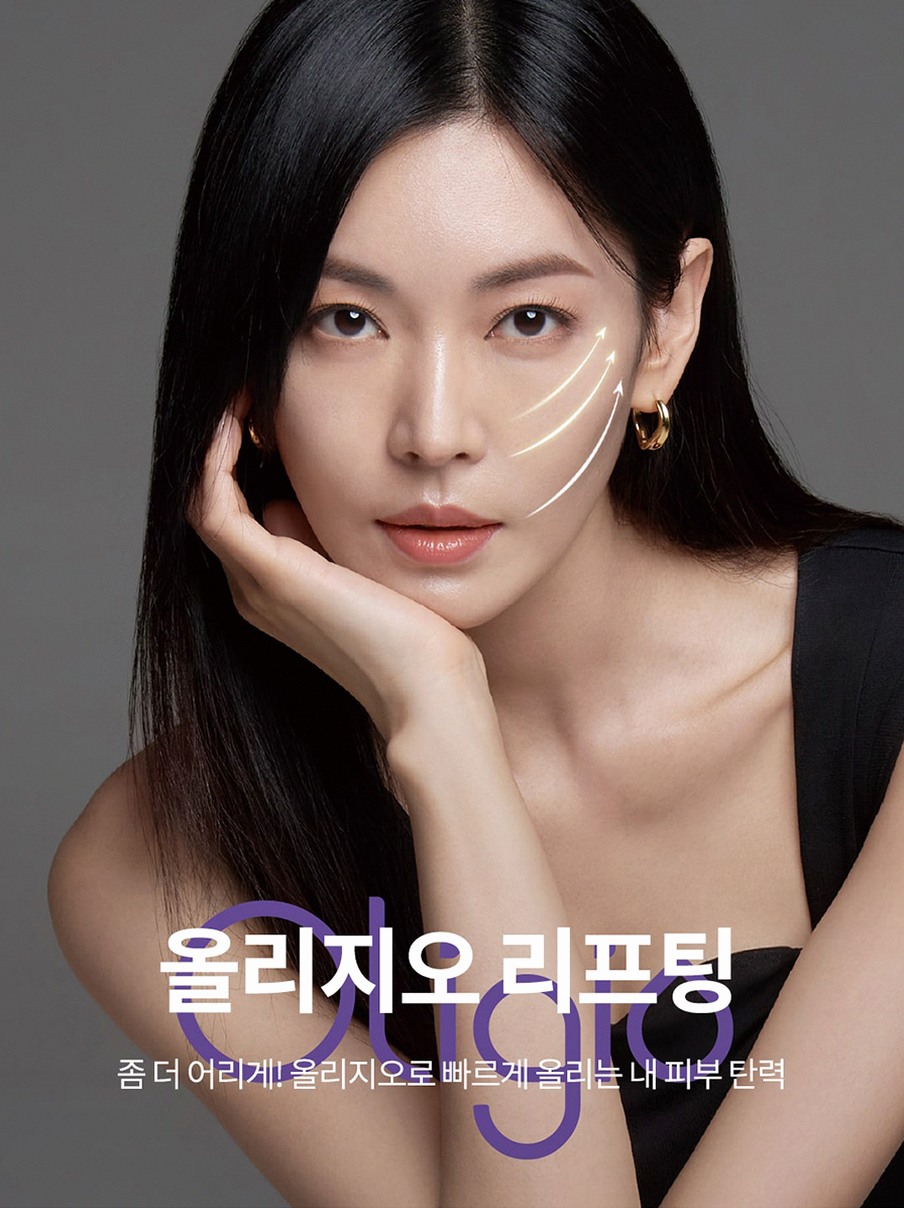
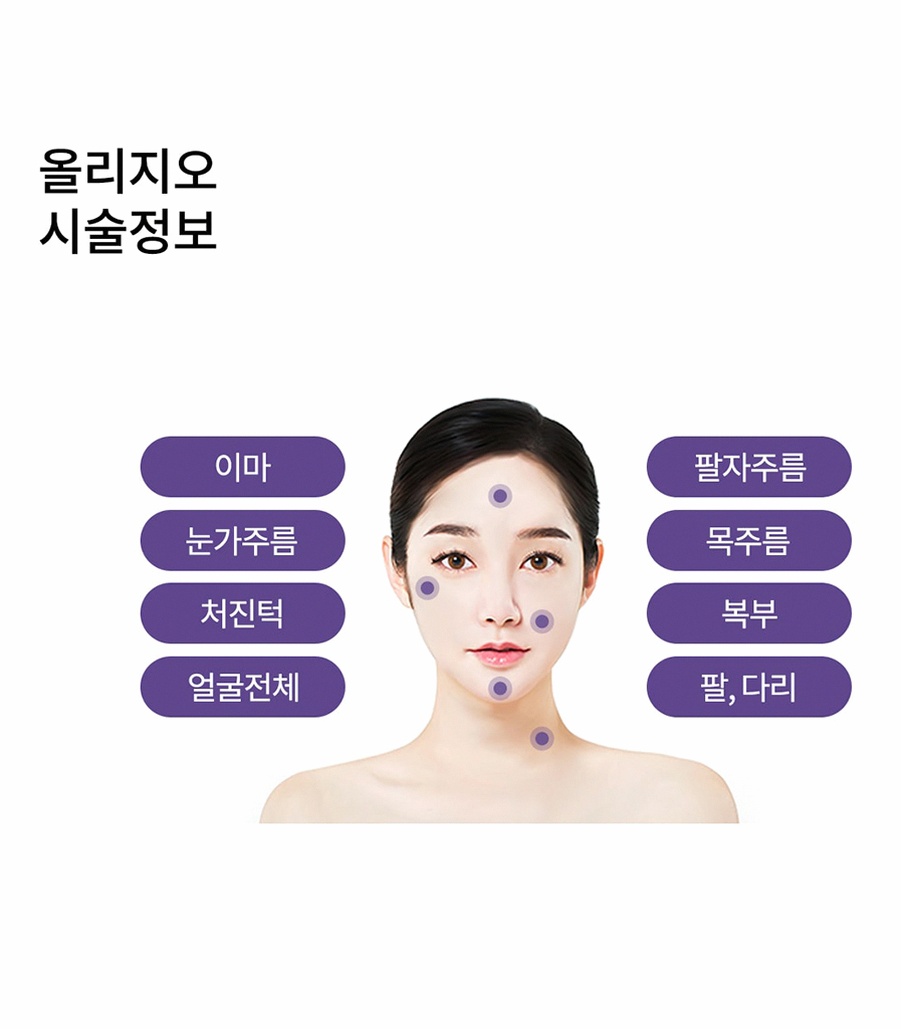
Typical target areas for Oligio include the jawline, jowls, cheeks, nasolabial folds, marionette lines, and sometimes the neck. Many people consider it when they notice early sagging or fine wrinkles but are not ready for invasive procedures.
Oligio is different from ultrasound lifting devices, which focus on deeper structures such as the SMAS layer. RF treatments like Oligio tend to concentrate on the superficial to mid‑dermal layers, focusing more on skin quality, elasticity, and fine lines rather than dramatic lifting. Because of this, Oligio is often used either alone for mild to moderate laxity or combined with other lifting methods in a personalized plan.
Who may consider Oligio in Anyang
Oligio can be an option for adults who want visible but non‑surgical improvement in skin firmness, especially in the lower face. People who often consider Oligio include those with mild to moderate skin laxity in the cheeks or jawline, early jowling, or a feeling that their face looks more tired or less defined than before.
It may also suit individuals with fine to moderate wrinkles around the mouth and lower face that are not yet severe enough to justify surgery. Because Oligio is non‑invasive and does not require incisions, it can appeal to people who are hesitant about thread lifting or surgical lifting procedures.
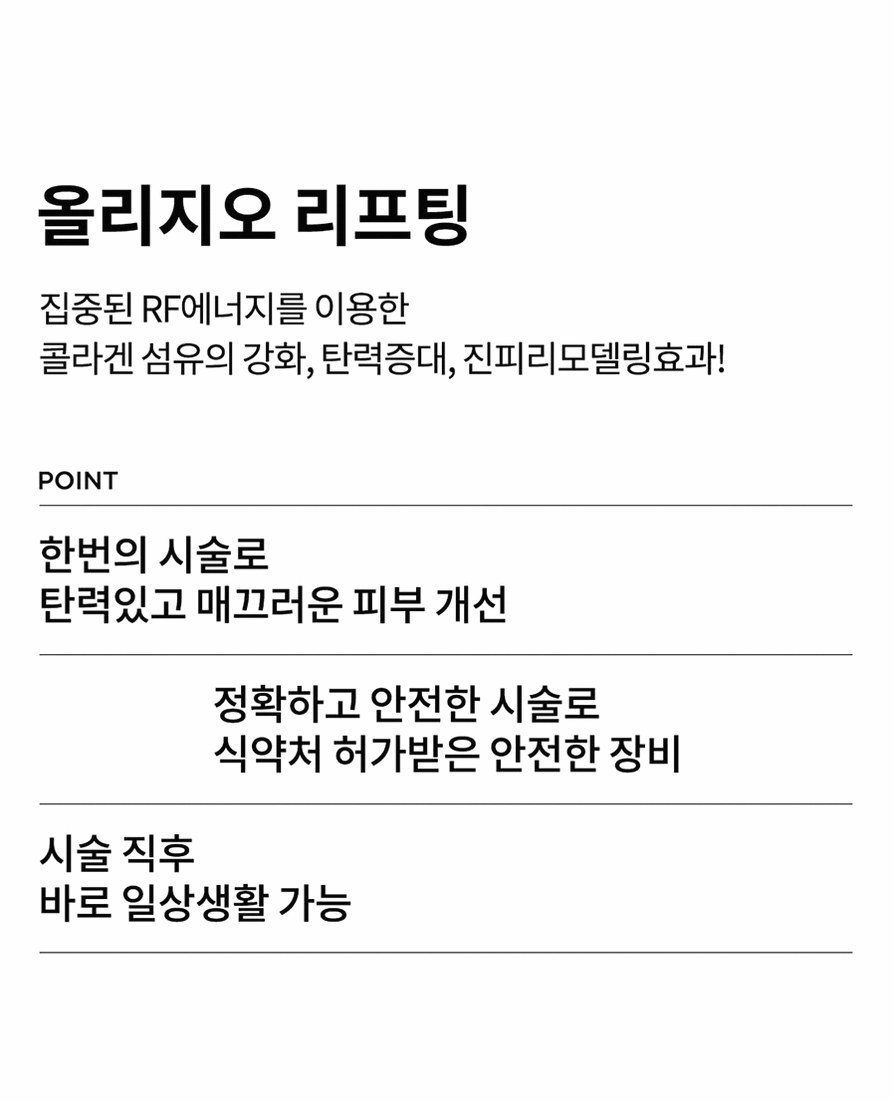
For international patients, Oligio is often attractive because downtime is usually short. Many visitors plan it during a short stay in Korea, combining treatment with sightseeing or business, as long as they can manage basic aftercare and sun protection.
However, Oligio is not suitable for everyone. People with implanted pacemakers or certain metal implants in the treatment area, those who are pregnant, or those with active skin infections or severe skin diseases in the target zone may be advised to avoid RF lifting. During consultation, it is important to share your full medical history, including any autoimmune conditions, previous energy‑based treatments, and tendency to scar.
How Oligio works on the skin
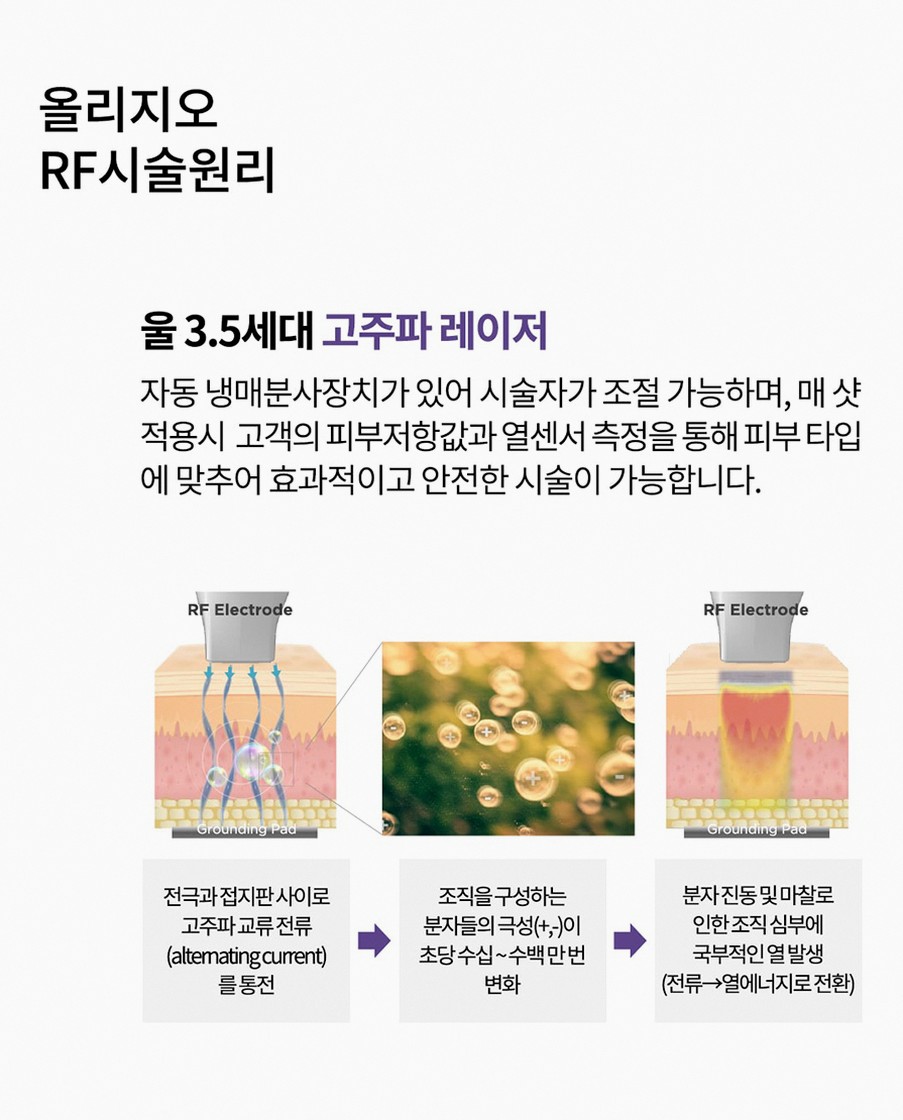
Oligio uses radiofrequency energy delivered through a handpiece placed on the skin. As the energy passes through the tissue, it generates heat in the dermis. This controlled heating can cause existing collagen fibers to contract slightly and can stimulate fibroblasts to produce new collagen over time.
The immediate effect some people notice is a mild tightening or “snug” feeling in the treated area. The more meaningful changes, such as improved elasticity and smoother texture, usually develop gradually over several weeks to months as collagen is remodeled.
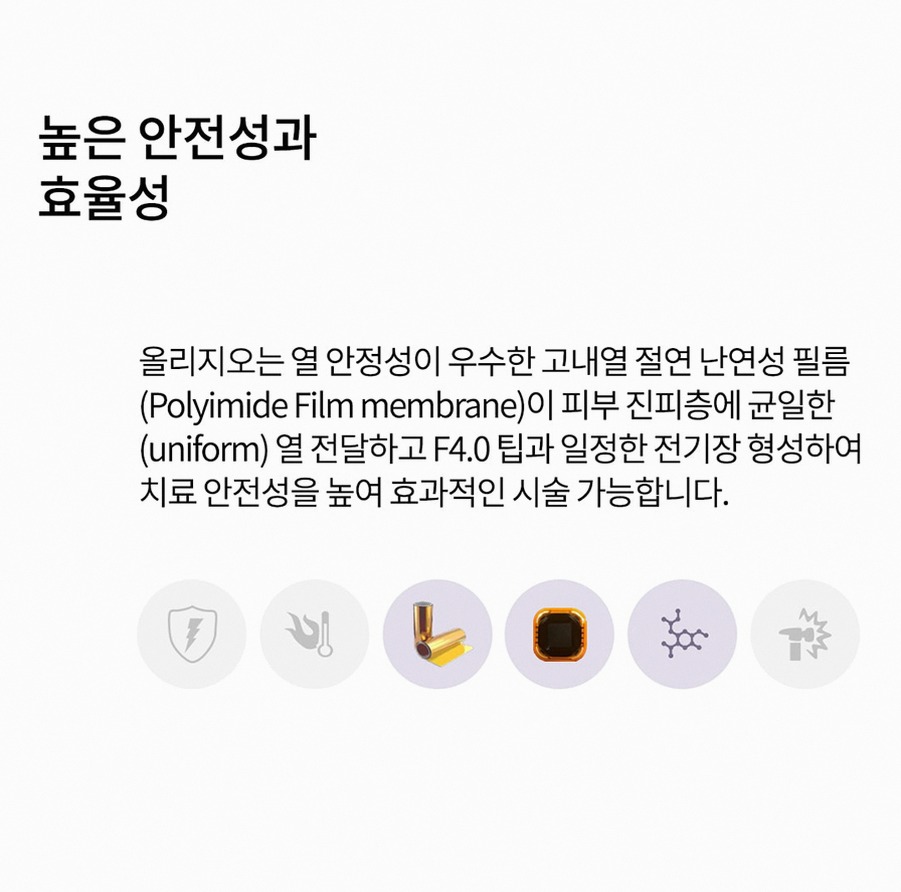
Because RF energy can be adjusted in terms of power, pulse duration, and number of passes, the treatment can be customized according to skin thickness, laxity level, and pain tolerance. In clinics that use Oligio alongside other devices, doctors may fine‑tune settings or combine Oligio with other technologies to match your specific concerns.
Oligio compared with other lifting options in Anyang
In Anyang, some clinics offer several lifting technologies in one place. Understanding how Oligio differs from other options can help you ask better questions during online consultation.
Compared with ultrasound lifting devices, Oligio focuses more on the dermis, while ultrasound can target deeper layers such as the SMAS. Oligio, on the other hand, is often selected when the main goals are skin tightening, texture improvement, and fine wrinkle softening.
Compared with thread lifting, Oligio is non‑invasive. Thread lifting involves inserting special threads under the skin to provide mechanical lift, which can give a more immediate contour change but also carries risks such as bruising, swelling, and a longer recovery period. Oligio uses heat rather than physical threads, so there are no incisions, but results tend to be more subtle and gradual.
Compared with other RF platforms such as InMode or XERF lifting, Oligio is one of several technologies in the RF family. Different RF devices vary in how deeply they deliver energy, whether they use monopolar or bipolar modes, and whether they provide bulk heating or fractional patterns. The key point for patients is not the brand name alone, but whether the device and settings are appropriate for your skin thickness, laxity, and sensitivity.
In a clinic that has multiple lifting devices, Oligio can be used alone or as part of a combined plan. For example, some patients might receive ultrasound lifting for deeper support and Oligio for superficial tightening and texture, scheduled either on the same day or in stages depending on skin condition and doctor judgment.
Treatment process at a lifting clinic in Anyang
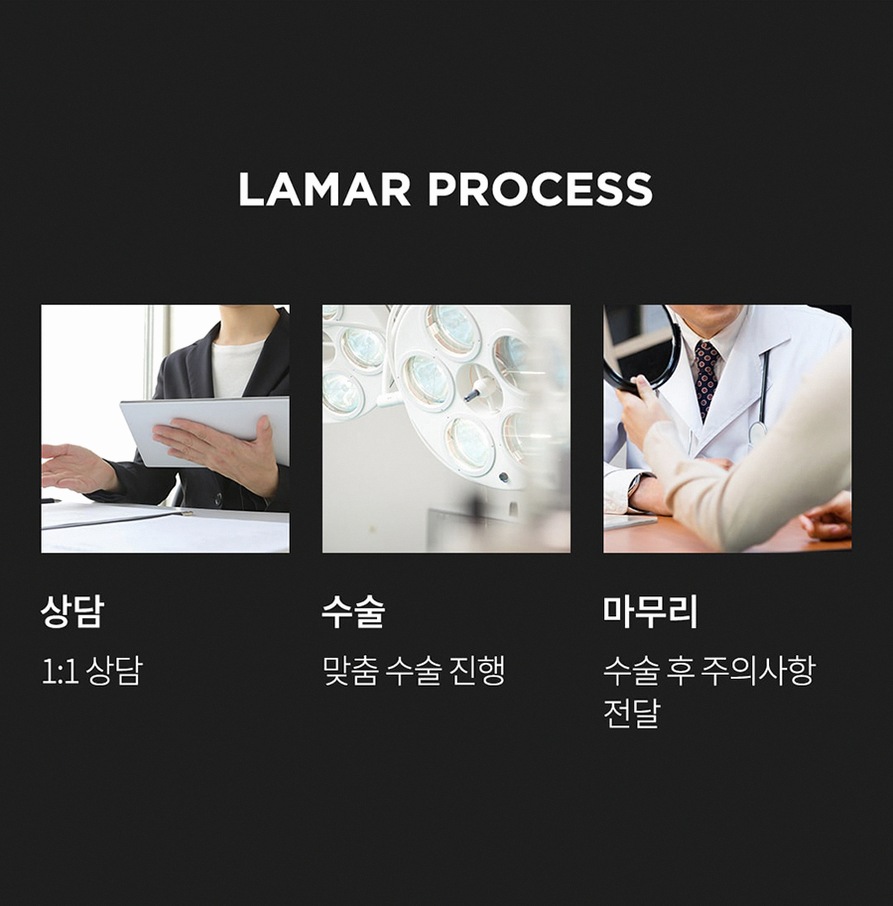
While each clinic has its own style, many Anyang clinics follow a structured process for Oligio and other skin procedures. A typical visit may include several steps from consultation to finishing care.
The first step is consultation. The doctor or medical staff will ask about your main concerns, such as sagging around the jawline, smile lines, or overall loss of facial definition. They will also ask about your general health, medications, previous lifting or laser treatments, and any history of abnormal scarring or pigment changes.
Next is skin assessment. The practitioner examines your skin thickness, degree of laxity, presence of pigmentation, redness, or active acne. This helps determine whether Oligio is suitable now or whether other treatments should be done first or instead.
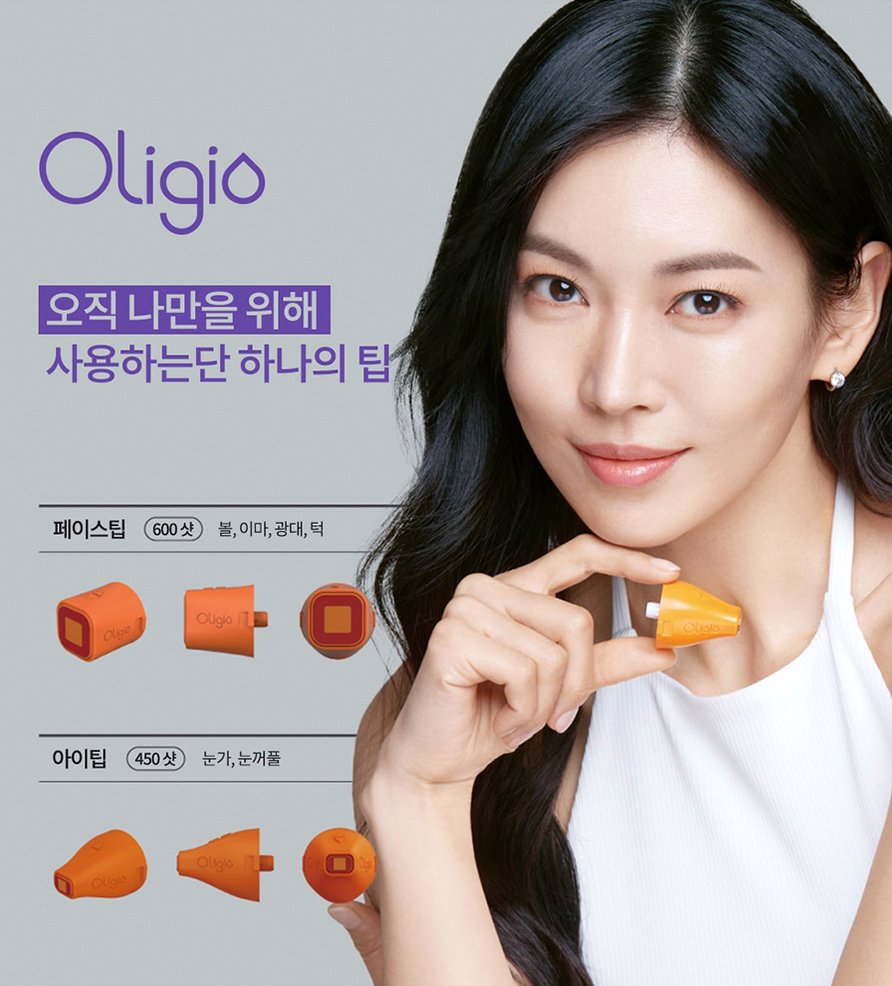
Once Oligio is chosen, the plan is explained. This usually includes target areas, approximate number of shots or passes, estimated pain level, and whether topical anesthetic cream or cooling will be used. For overseas patients, it is helpful to clarify how many sessions are planned and how they fit into your travel schedule.
On treatment day, the process often looks like this. After a brief confirmation of the plan, the skin is cleansed to remove makeup, sunscreen, and oil. Some clinics may perform light scaling or basic preparation if needed, though this can vary. Then topical numbing cream is applied and left on for a set time to reduce discomfort.
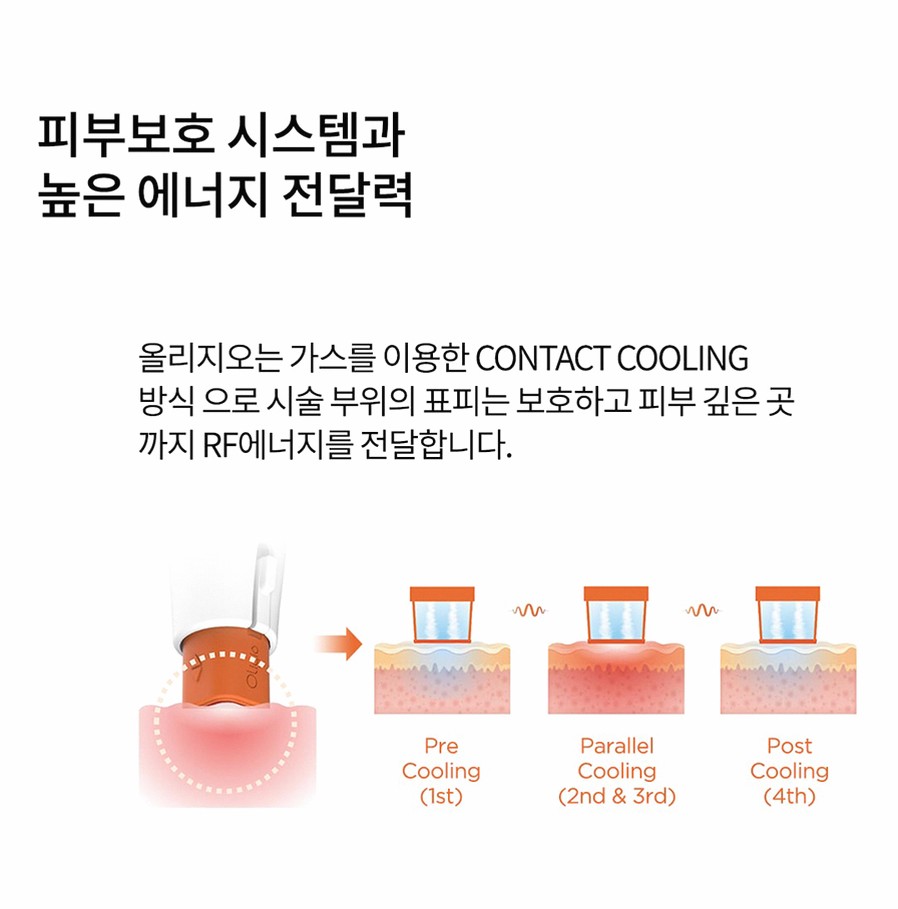
The Oligio RF treatment follows. The handpiece is applied to the skin in a systematic pattern, delivering controlled heat. You may feel warmth, tingling, or brief spikes of heat, especially over bony areas such as the jawline. Cooling methods may be used during or after treatment for comfort.
After the RF passes are completed, a soothing mask pack or calming products are applied. This helps reduce redness and support the skin barrier. Finally, finishing care such as moisturizer and sunscreen is applied, and post‑treatment instructions are given.
Depending on the size of the area and whether other procedures are combined, the entire visit may take around 30 to 60 minutes, sometimes slightly longer for more complex plans.
Pain, downtime, and aftercare
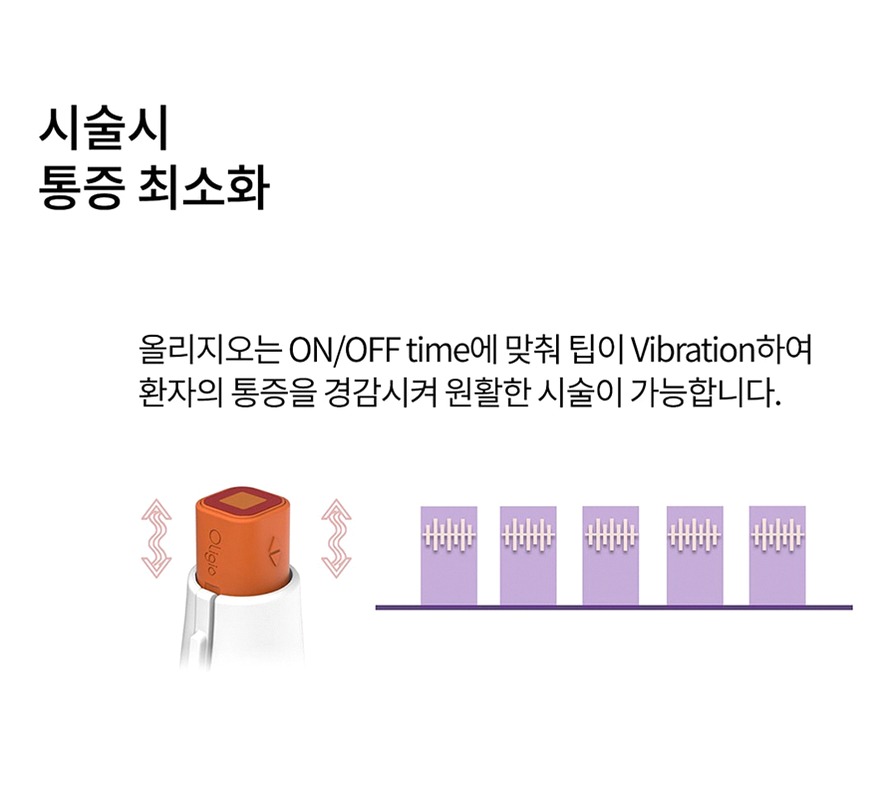
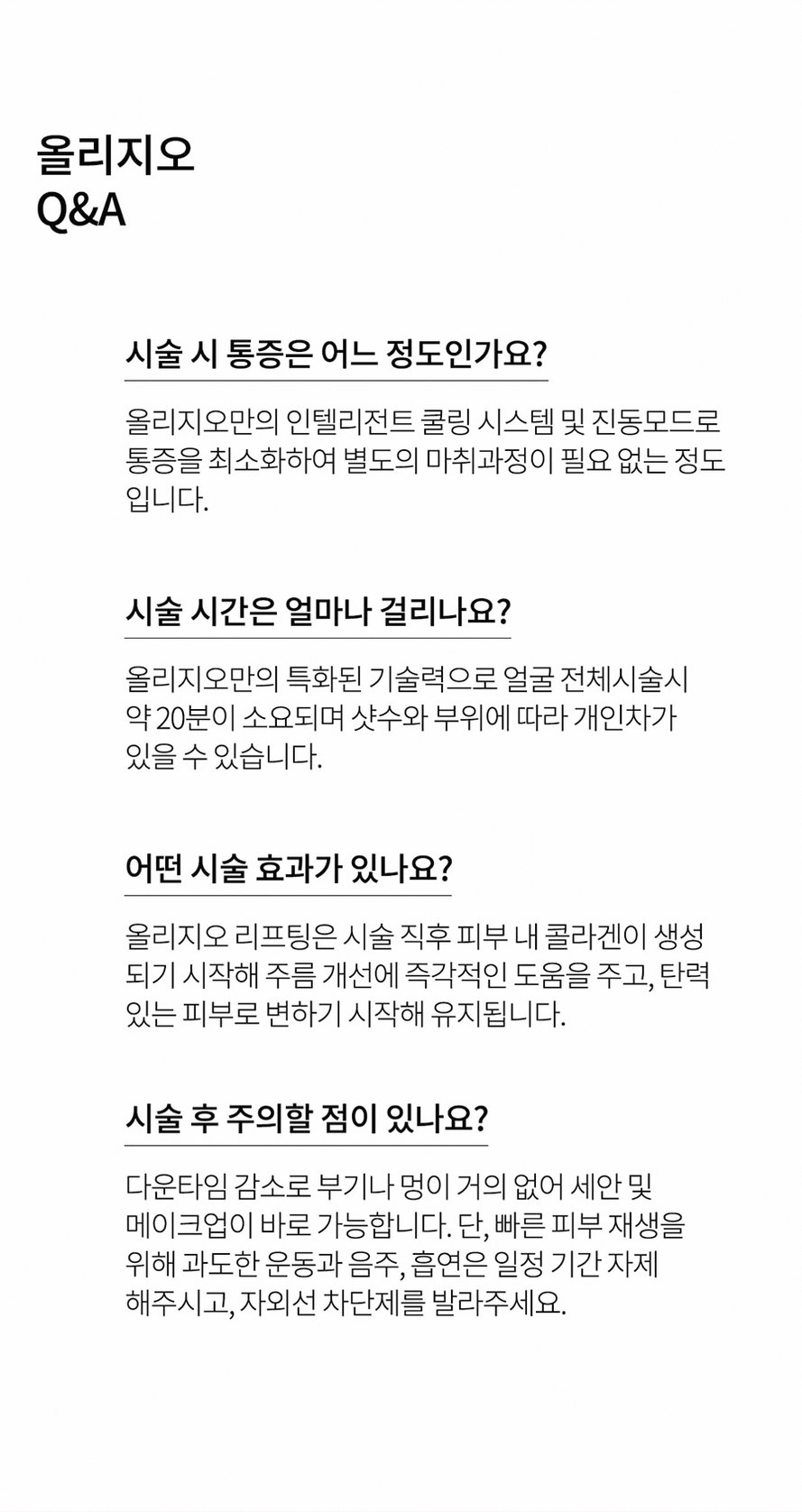
Pain perception during Oligio varies from person to person. Many people describe the sensation as heat and tingling, with more sensitivity over thin or bony areas. Topical anesthetic cream is commonly used, and some clinics also use cooling or adjust energy levels to make the procedure more tolerable.
Downtime is usually short. Immediately after treatment, you may notice redness, warmth, or mild swelling. These effects often improve within a few hours to a couple of days. Most people can return to daily activities, work, or light sightseeing the same day, as long as they protect the skin and avoid strong irritation.
Aftercare generally includes avoiding hot baths, saunas, and intense exercise for a short period as advised by the clinic. Alcohol may also be limited for a day or two, since it can increase flushing and swelling. Gentle cleansing and adequate moisturizing are important to keep the skin comfortable.
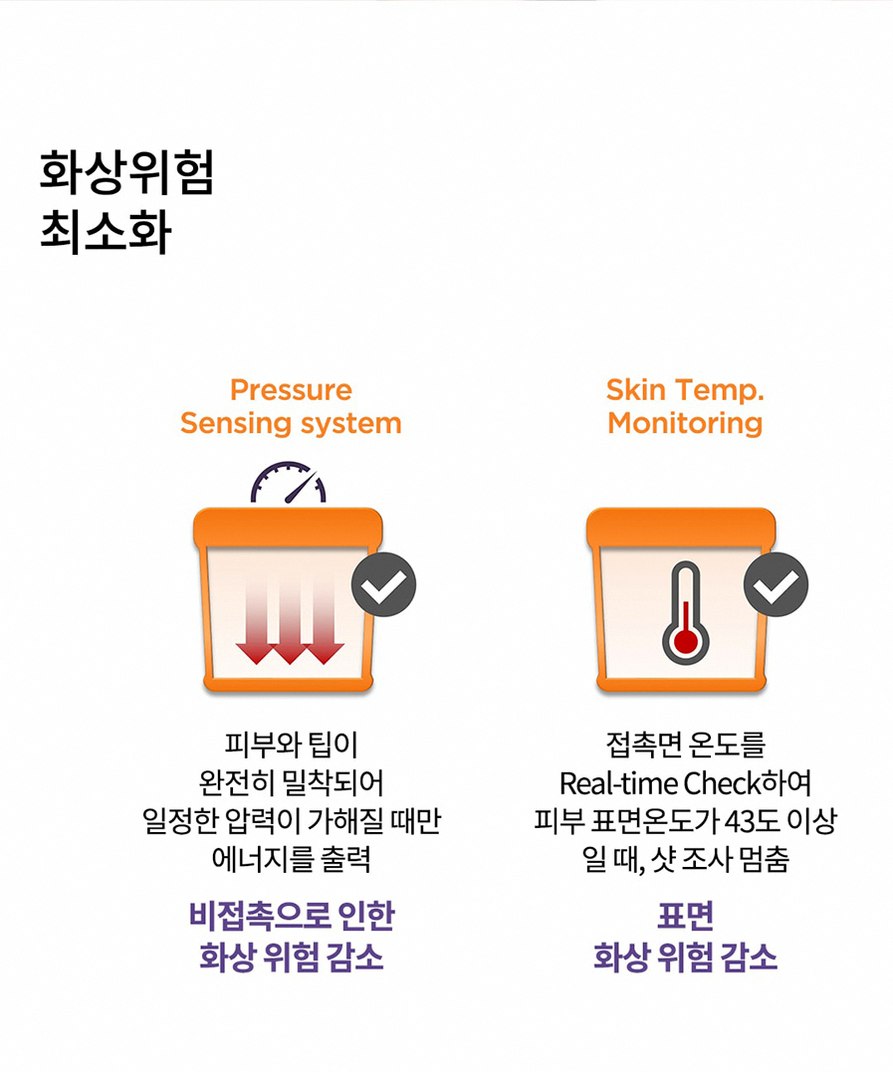
Sun protection is essential after Oligio. Newly treated skin can be more sensitive to ultraviolet light, so daily broad‑spectrum sunscreen, hats, and shade are recommended. This not only protects against pigmentation but also supports collagen remodeling.
It is also wise to avoid combining Oligio with very strong procedures such as deep chemical peels or aggressive lasers too close together, unless your doctor has carefully planned the sequence. Overlapping intense treatments can increase the risk of irritation or delayed healing.
When results appear and how long they may last
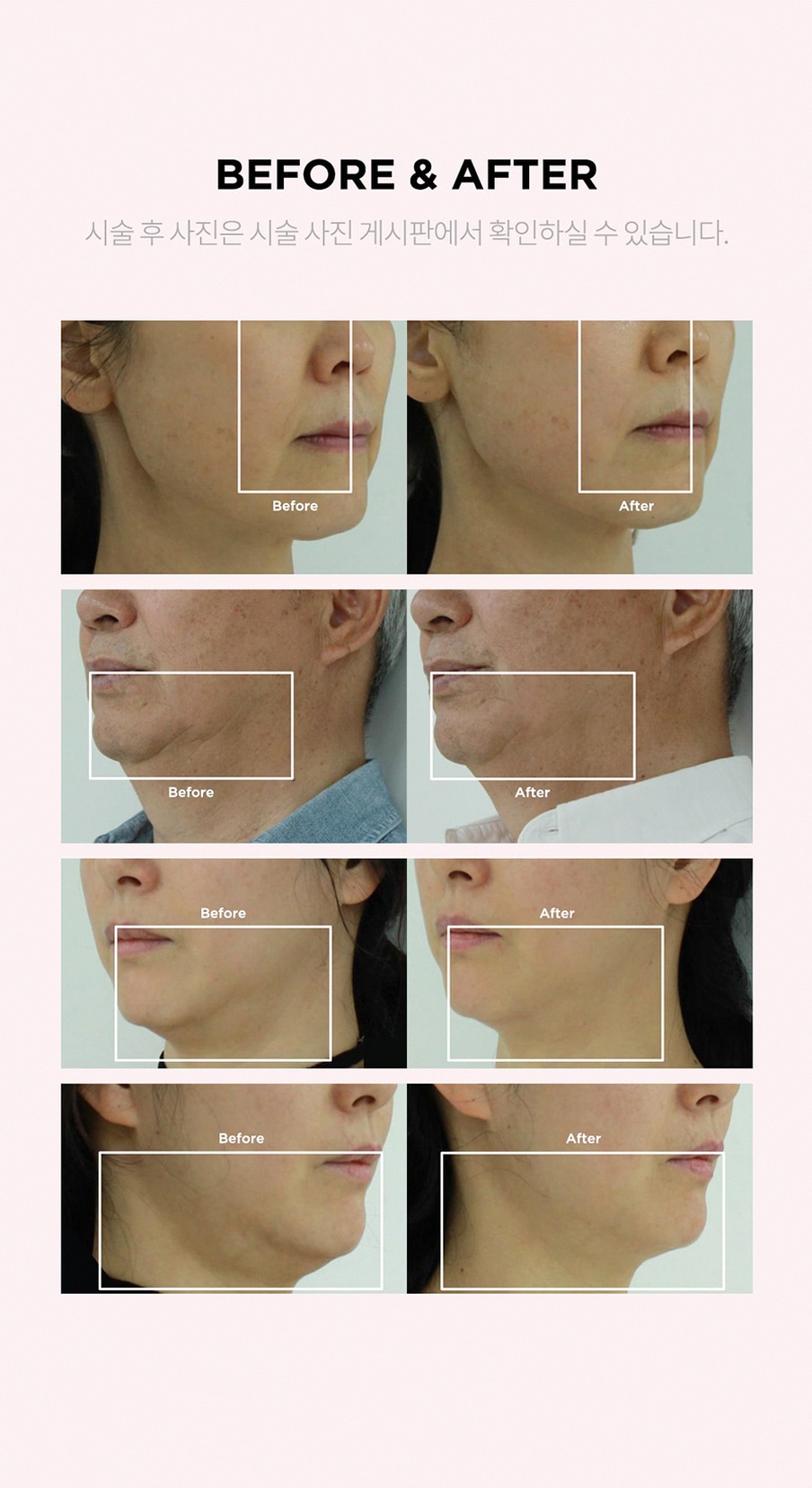
Some people notice a mild tightening effect immediately after Oligio, due to temporary contraction of collagen fibers from heat. However, the more meaningful changes usually appear gradually.
Collagen remodeling takes time. Visible improvement in firmness, elasticity, and fine wrinkles often develops over several weeks, with
How long the results last depends on age, lifestyle, sun exposure, smoking status, and overall skin condition. Many people choose to repeat RF lifting at intervals recommended by their doctor, which might range from several months to about once a year, to help maintain the effect.
It is important to understand that Oligio is not a substitute for surgical facelift. While it can improve skin quality and provide a lifting effect, the degree of change is typically more subtle than surgery. Setting realistic expectations during consultation will help you feel more satisfied with your outcome.
Preparing as an overseas patient
For international visitors planning Oligio in Anyang, careful preparation can make your trip smoother. Before you travel, it is helpful to arrange an online consultation with the clinic. Some clinics offer English or translation support; check with the clinic in advance.
During online consultation, you can share photos of your face from the front and sides in good lighting, without filters. This helps the doctor assess your skin laxity and discuss whether Oligio, or a combination of treatments, is likely to match your goals.
You should also prepare a list of your medications and supplements, including blood thinners, acne medications, and any recent injections or energy‑based treatments. If you have underlying health conditions such as autoimmune disease, heart conditions, or a history of keloids, mention these clearly.
It is wise to ask about the recommended interval between Oligio and any other procedures you are considering, such as fillers, botulinum toxin injections, or ultrasound lifting. This helps you plan your schedule and avoid doing too much in a short time.
Expected visit timeline for Oligio in Korea
Many overseas patients combine Oligio with a short stay in the Seoul metropolitan area. Anyang, and specifically Dongan‑gu near Beomgye Station, is easily accessible by subway on Line 4. Lamar Premier Clinic is located on the second floor of Anyang Trade Center on Simin‑daero, about 160 meters from Beomgye Station, which can be convenient if you are staying in Seoul or nearby.
A simple visit plan might look like this. On day one or two of your arrival, you attend an in‑person consultation and, if appropriate, receive treatment on the same day. This allows time for any mild redness or swelling to settle before you return home. Over the following days, you can generally continue with light tourism or business, following aftercare instructions.
If you are planning multiple procedures, your schedule may need more days. For example, some people combine Oligio with pigment lasers, toning, or skin boosters, spaced out over several days. Discuss this in advance so your itinerary is realistic.
Choosing an Oligio clinic in Anyang
When comparing clinics in Anyang for Oligio, it can be helpful to look beyond price alone and consider the overall lifting and skin‑care system. One point to check is whether the clinic offers multiple lifting devices such as RF, ultrasound, thread lifting, laser lifting, and needle RF. This makes it more likely that Oligio will be selected because it suits your case, not because it is the only option available.
Another factor is whether the clinic has a structured consultation and treatment process. A clear explanation of diagnosis, device choice, energy settings, pain control, and aftercare suggests a more individualized approach than a one‑size‑fits‑all protocol.
It can also be useful if the clinic has a range of pigment, vascular, and skin‑texture devices, as well as injectables and body contouring options. If you have concerns such as pigmentation, redness, or acne in addition to laxity, a clinic with multiple technologies can address several issues in a coordinated plan.
Some clinics in Anyang, such as Lamar Premier Clinic, provide Oligio within a broader lifting and anti‑aging lineup that includes ultrasound lifting, RF lifting, thread lifting, needle RF, and various lasers. In such settings, the doctor can recommend a combination or staged approach based on your age, skin type, and travel schedule.
Before confirming, you may want to ask who will perform the procedure, what their medical background is, and what kind of follow‑up is available if you experience delayed reactions after returning home.
Key questions to ask before Oligio
To support your decision‑making, it can be helpful to prepare a checklist of questions before you contact a clinic. This is especially important when you are traveling from overseas and have limited time in Korea.
You might ask which lifting options the clinic offers and why Oligio is being recommended for you. Ask how many shots or passes are usually used for your age and laxity level, and whether the plan can be adjusted if you are more sensitive to pain.
Clarify what level of improvement you can realistically expect and over what time frame. Ask how many sessions are usually suggested for someone with your skin condition, and how far apart they should be scheduled.

It is also useful to ask about pain control methods, such as numbing cream or cooling, and what to do if you feel too much discomfort during the procedure. Discuss possible side effects, such as redness, swelling, rare risk of burns, or pigment changes, and what steps the clinic takes to minimize these.
Finally, ask about aftercare instructions, including sun protection, skincare products to use or avoid, and when you can safely have other treatments such as peels, lasers, or injectables.
Safety considerations
Oligio is a medical procedure that uses heat energy, so it should be performed under appropriate medical supervision with proper device settings. While many people undergo RF lifting without serious problems, side effects are possible.
Common temporary effects include redness, warmth, swelling, and tenderness in the treated area. These usually resolve within a short period. Less common but more serious risks include burns, blisters, or pigment changes, especially if parameters are not well matched to the skin type or if aftercare is not followed.
If you have a history of keloids, hypertrophic scars, or unusual reactions to energy‑based devices, share this clearly with your doctor. Also inform them about any recent sunburn, tanning, or use of photosensitizing medications, as these can affect your risk profile.
For overseas patients, it is wise to keep written records of your treatment, including device type, areas treated, and date. This can be helpful for your local doctor at home if you need follow‑up or plan future treatments.
Frequently asked questions about Oligio in Anyang
Is Oligio lifting painful?
Most people feel warmth and tingling during Oligio, with more sensitivity over bony areas such as the jawline. The level of discomfort varies from person to person. Clinics commonly use topical anesthetic cream and cooling to make the procedure more comfortable. If you are very sensitive, energy settings and pain control methods can often be adjusted during treatment.
How many Oligio sessions do I need?
The number of sessions depends on your age, skin laxity, and goals. Some people receive a single session and then monitor results over several months, while others may be advised to repeat treatment at intervals to maintain or enhance the effect. During consultation, the doctor can suggest a schedule that fits your condition and travel plans.
Can I combine Oligio with other lifting treatments?
In clinics that offer multiple lifting options, Oligio can be combined with ultrasound lifting, thread lifting, or laser lifting. Sometimes treatments are done on the same day in different layers, and in other cases they are staged over weeks or months. The exact combination should be customized to avoid excessive irritation and to match your skin’s ability to recover.
Is there any downtime after Oligio?
Downtime after Oligio is usually short. Mild redness, warmth, or swelling may appear but often subsides within hours to a couple of days. Most people can return to work, meetings, or light sightseeing the same day, as long as they follow basic aftercare instructions and protect their skin from the sun.
Soft call to action
If you are considering Oligio lifting during a visit to Korea and would like a tailored plan that reflects your age, skin condition, and travel schedule, you can start with an online consultation. Clinics in the Anyang area, including Lamar Premier Clinic near Beomgye Station, can review your concerns, recommend whether Oligio alone or in combination with other technologies may be appropriate, and help you design a realistic treatment timeline for your stay.
This article is intended for general information only and does not replace a personal consultation with a qualified medical professional. Individual suitability, risks, and expected outcomes should always be discussed directly with a doctor before deciding on any procedure.
- 공유 링크 만들기
- X
- 이메일
- 기타 앱


댓글
댓글 쓰기