Anyang Thread Lifting Reviews and What Overseas Patients Can Expect
- 공유 링크 만들기
- X
- 이메일
- 기타 앱
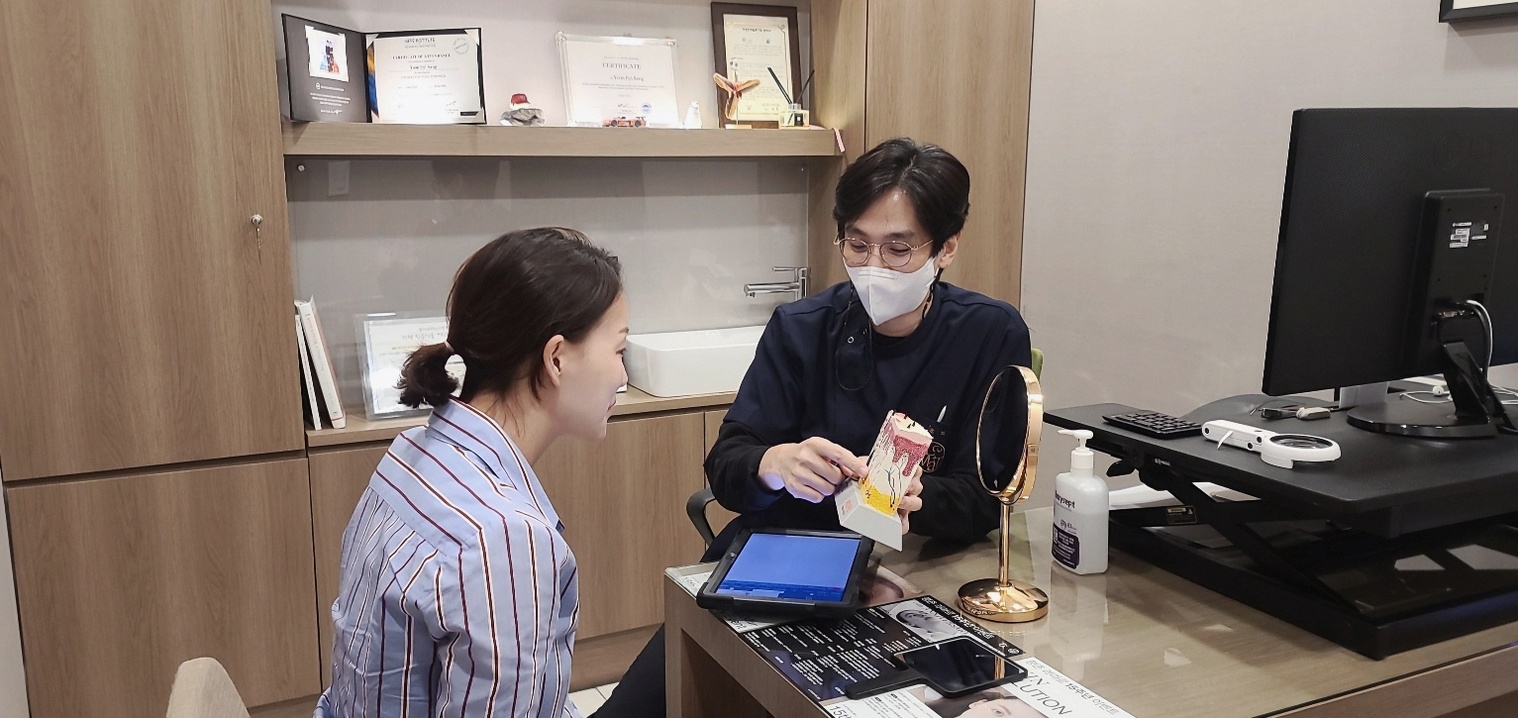
If you are reading reviews about thread lifting in Anyang, many patients describe it as a minimally invasive lifting option that offers noticeable yet natural-looking improvement, with a few days of social downtime and some tightness or soreness that typically eases over time. Satisfaction tends to be highest among people with mild to moderate sagging who understand that thread lifting differs from a surgical facelift, produces temporary results, and that individual outcomes vary. Lamar Premier Clinic follows a six-step process—consultation, cleansing, scaling, treatment, calming mask pack, and finish—to tailor care to each patient.
This guide brings together the kinds of questions and impressions you often see in Anyang thread lifting reviews, and adds practical information for overseas visitors who are considering having the procedure in Korea.
What thread lifting actually is
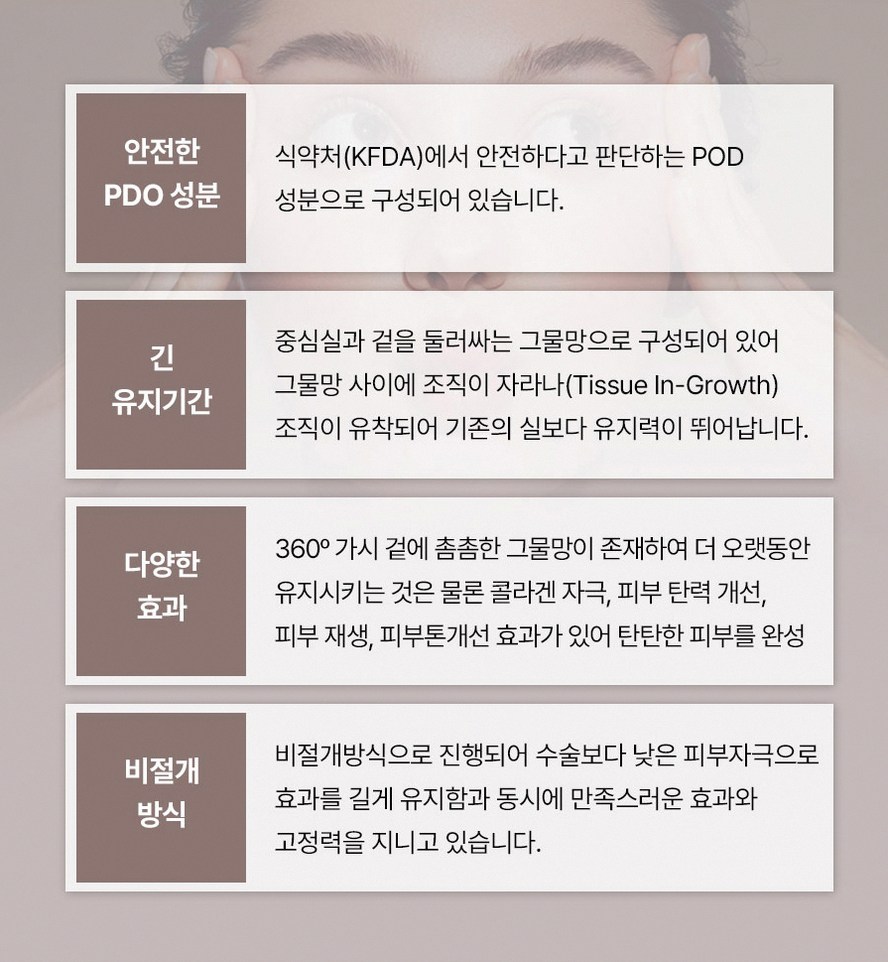
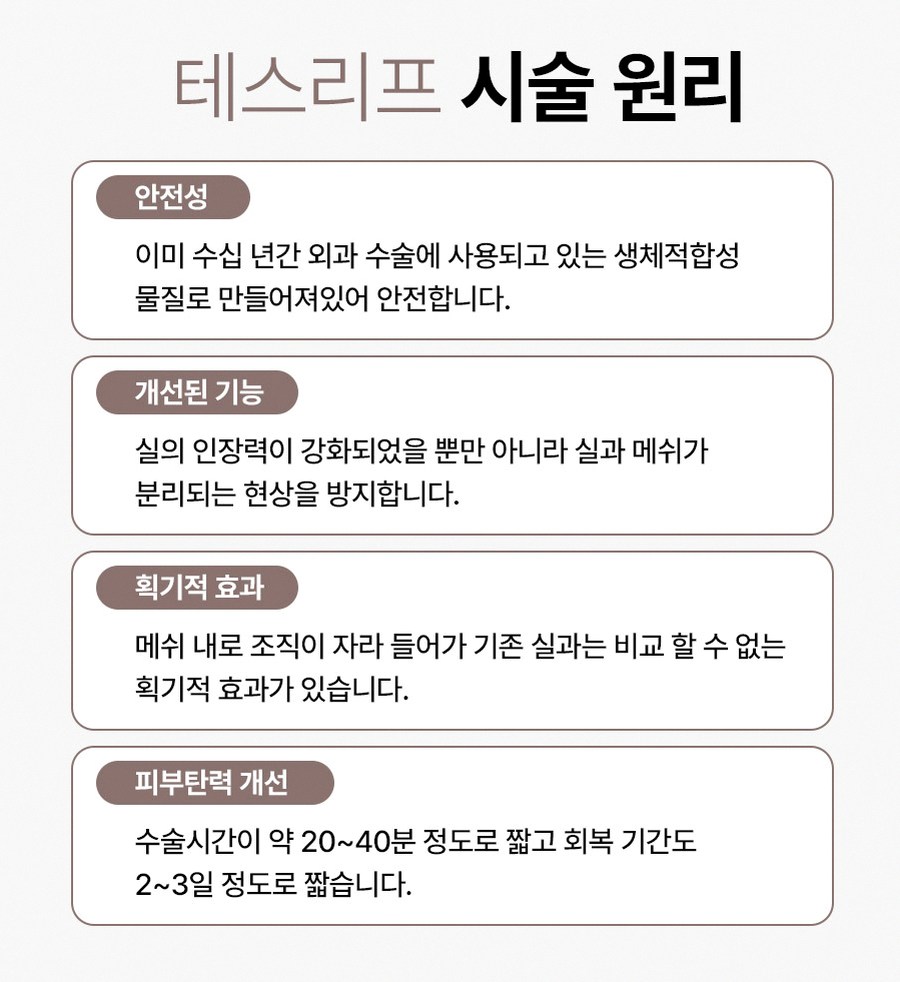
Thread lifting is a minimally invasive procedure that uses dissolvable threads placed under the skin to gently lift sagging tissue and improve facial contours.
Typical treatment areas include the jawline, early jowls, nasolabial folds (smile lines), marionette lines around the mouth, sagging in the lower face, and in some cases the midface or neck. The aim is usually a fresher, less tired look rather than a dramatic change.
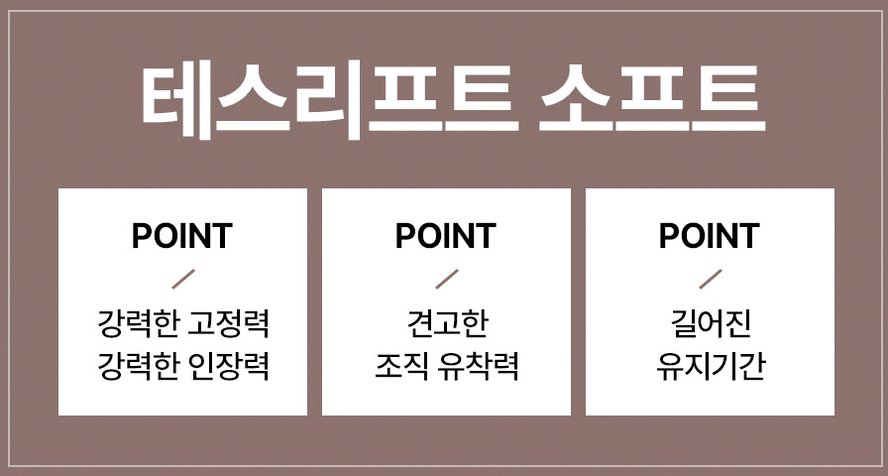
Thread lifting is different from a surgical facelift. There are no long incisions, and the threads are inserted through small needle or cannula entry points. Downtime is usually shorter, with less swelling and bruising compared to surgery, and the result is generally more subtle. On the other hand, the lifting effect is more limited and temporary, and it is not suitable for very severe sagging.
Why people in Anyang consider thread lifting
People in or near Anyang often look for thread lifting when they start to notice early signs of aging but do not feel ready for surgery. Common motivations that appear in reviews include early jowls, a jawline that looks less defined in photos, deepening smile lines, and a general tired or droopy expression.
Many patients say they want something stronger than skincare and basic laser treatments but cannot take long time off work or travel. Thread lifting can be attractive because it is often completed in a single, relatively short clinic visit with local anesthesia, allowing most people to return to light daily activities fairly quickly.
Some reviewers mention combining thread lifting with device-based lifting such as ultrasound or radiofrequency treatments, or with skin texture procedures. In these cases, threads are used to reposition sagging tissue, while devices or lasers help tighten the skin surface or improve fine lines and pores. However, the core lifting effect in these stories still comes from the threads themselves.
What the process feels like according to reviews
When you read Anyang thread lifting reviews, you will often see similar descriptions of the overall journey. Below is a typical sequence, which can help you imagine what to expect if you travel to Korea for this treatment.
Pre-consultation and facial analysis
At the first consultation, the doctor usually examines your face from the front and side, sometimes taking photos. They check where the sagging is most noticeable, how thick or thin your skin is, and how much elasticity remains.
You can expect a discussion about your main concerns, such as jawline blurring or sagging around the mouth. The doctor should also explain what thread lifting can and cannot do, how long the effect may last in your case, and whether you might benefit from combining threads with other lifting devices.
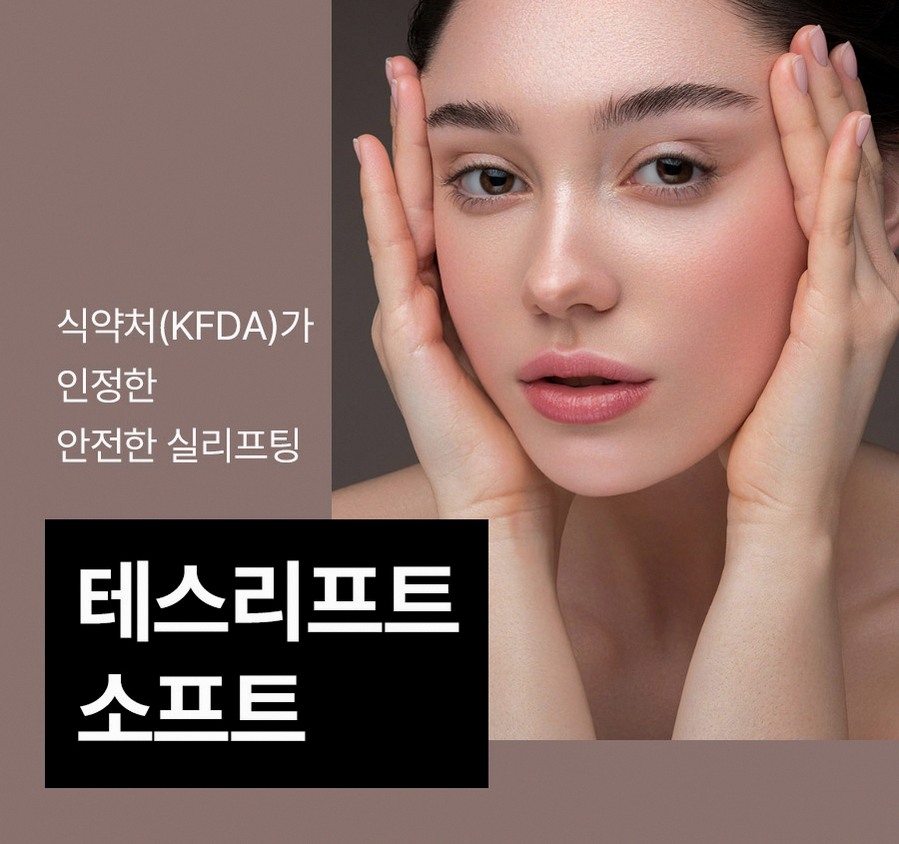
For overseas patients, this conversation often starts online. Many clinics in Anyang offer photo or video consultations before you arrive, so you can get an initial idea of the plan and whether you are a suitable candidate.
Treatment day steps
On the day of the procedure, reviews commonly describe a structured process that looks roughly like this:
First, consultation and design. The doctor confirms your plan, sometimes drawing lines on your face to mark the lifting vectors. These show the direction in which the skin will be lifted and where the threads will be placed.
Second, cleansing and preparation. Your skin is cleansed to reduce the risk of infection. In some clinics, basic pre-treatment photos are taken for medical records.
Third, anesthesia. Most patients receive local anesthesia injections along the planned thread paths, and sometimes topical numbing cream beforehand. Many reviews comment that this is the part where you feel the most sting, but it is brief.
Fourth, thread insertion. The doctor inserts the threads using fine cannulas or needles, following the planned lifting vectors. Patients often describe feeling pressure, movement, or a tugging sensation rather than sharp pain, thanks to the anesthesia.
Finally, symmetry check. After the threads are in place, the doctor checks both sides of the face and may make small adjustments. You might be asked to sit up so the contour can be evaluated under gravity.
Pain and discomfort impressions
Reviewers usually describe thread lifting as uncomfortable at certain moments, but generally bearable with proper anesthesia. The main sensations mentioned are:
A brief sting from the local anesthesia injections.
A feeling of pressure or pulling as the threads are passed under the skin.
A tight or stretched feeling immediately after, especially when moving facial muscles.
Pain tolerance varies widely. Some people say they felt almost nothing after the numbing took effect, while others report mild to moderate discomfort during thread insertion. Many emphasize that choosing a clinic that takes time with anesthesia and explains each step helps reduce anxiety and perceived pain.
Aftercare and recovery as described in reviews
Immediately after the procedure, patients often notice swelling, mild redness, and sometimes small needle marks. A tight or pulling sensation is very common, especially when opening the mouth wide, chewing harder foods, or making big facial expressions.
Swelling and bruising
Many reviews report that swelling is most visible in the first few days and often subsides over several days to a couple of weeks, though experiences vary. Bruising is highly individual: some people have almost none, while others develop small purple or yellowish marks along the thread paths.
For overseas patients planning a short trip, it is wise to assume that you may not look fully natural in photos for about one to two weeks, even if you feel fine physically.
Common aftercare instructions
Patients frequently mention similar aftercare advice given by clinics in Anyang:
Avoid strong facial massage, facial rollers, or other treatments that press or pull the skin for a certain period.
Avoid wide mouth opening and very chewy foods in the first days, to reduce discomfort and protect the threads.
Sleep on your back and avoid pressing your face into the pillow, especially on the sides where threads were placed.
Follow specific instructions on when you can wash your face, use skincare products, and apply makeup again.
Avoid intense exercise, saunas, and very hot baths for a short time, as these can increase swelling.
Many reviewers say that carefully following aftercare instructions made their recovery more comfortable and helped the lifting effect feel more stable.
Results and satisfaction patterns
When results appear
Most people notice some lifting right away because the threads physically reposition the tissue. However, the face may look a bit swollen or uneven in the first days, so the early appearance is not the final result.
Over the next several weeks, as swelling subsides and collagen forms around the threads, the contour often looks more natural and refined. Many reviews mention that they liked their appearance best around one to three months after the procedure.
How long the effect may last
In reviews, people describe a wide range of durations, from several months to over a year. This depends on many factors, including:
Type and thickness of threads used.
Number and placement of threads.
Age, skin quality, and degree of sagging.
Lifestyle factors such as smoking, sun exposure, and weight changes.
Because of this variation, it is safer to think of thread lifting as a temporary, adjustable procedure rather than a one-time permanent solution.
What people are usually happy about
Positive feedback in Anyang thread lifting reviews often includes:
A sharper or cleaner jawline in photos.
Less drooping around the mouth and nasolabial folds.
A more lifted, less tired look without looking like a different person.
Feeling that the face looks fresher with minimal time away from work or social activities.
What people sometimes regret or dislike
On the other hand, some reviewers report dissatisfaction for reasons such as:
Expecting a surgical facelift level of lifting from threads alone.
Feeling or seeing small irregularities or palpable threads under the skin.
Asymmetry or a sense that one side lifted more than the other.
Feeling that the effect faded faster than they hoped.
These patterns highlight the importance of realistic expectations, clear communication with the doctor, and understanding that minor irregularities or tightness are common in the early recovery period.
How to read and use Anyang thread lifting reviews
When you search for Anyang thread lifting reviews online, you will see a mix of very positive and very negative stories. It is helpful to read them with a few points in mind.
Look for reviews that describe the consultation in detail, including how well the doctor explained pros and cons, possible side effects, and realistic outcomes.
Pay attention to reviews that show a timeline, such as photos or descriptions from day one, one week, and one month, rather than only final results.
Notice how the clinic responded if the patient had concerns, discomfort, or needed follow-up. Did they offer check-ups, explanations, or adjustments?
Be cautious about relying only on extreme reviews. Very enthusiastic or very angry posts can be influenced by personal expectations, communication style, or unrelated issues.
For overseas patients, reviews that mention translation support, clear instructions in English, and help with scheduling can be especially useful.
Choosing a thread lifting clinic in Anyang
Anyang, especially Dongan-gu near Beomgye Station on Line 4, has several aesthetic clinics that provide thread lifting and other anti-aging treatments. When comparing options, consider the following aspects that often appear in more detailed reviews.
Range of lifting options
Some clinics focus mainly on thread lifting, while others offer a broad lifting lineup that includes ultrasound or radiofrequency device-based lifting and laser-based tightening. A broader range can allow for more customized plans, such as using threads for structural lifting and devices for skin tightening.
Lamar Premier Clinic, for example, is located in Dongan-gu, within walking distance of Beomgye Station, and offers thread lifting alongside device-based lifting and laser lifting. For some patients, this type of environment makes it easier to design a plan that suits their skin condition and degree of sagging, rather than relying on a single method.
Medical team and approach
When reading clinic information, look at how the medical team presents their experience with aesthetic procedures and pain control. At some clinics, including Lamar Premier Clinic, the representative doctor is a specialist in anesthesiology and pain medicine, and the clinic lists multiple doctors. For thread lifting, this can be relevant to how anesthesia is managed, how safety is prioritized, and how procedures are planned.
Customized planning
A good consultation should include an assessment of your sagging severity, skin thickness, facial structure, and lifestyle. Based on this, the doctor can recommend whether threads alone are likely to meet your goals, or whether a combination with other lifting devices or skin treatments might be more appropriate.
Many patients appreciate a stepwise, structured process: consultation, cleansing, treatment, and post-care. Reviews often mention feeling more at ease when the clinic clearly explains each step and provides written aftercare instructions.
Safety, candidacy, and precautions
Who may be suitable
Thread lifting is generally considered for adults with mild to moderate sagging who want noticeable but non-surgical improvement. It can be a good option if you:
Want to improve jawline definition or early jowls.
Prefer a minimally invasive procedure with shorter downtime.
Understand that results are temporary and individual.
Are willing to follow aftercare instructions carefully.
Who should be cautious
Thread lifting may not be ideal or may require special caution if you:
Have very severe sagging that might be better addressed by surgery.
Have certain medical conditions, bleeding disorders, or are on medications that affect clotting.
Have unrealistic expectations or want a dramatic change that threads cannot safely provide.
Have a history of keloid or problematic scarring, or very thin, fragile skin.
For overseas patients, it is especially important to share your full medical history and medication list in advance, ideally during an online consultation before booking flights.
Possible side effects and risks
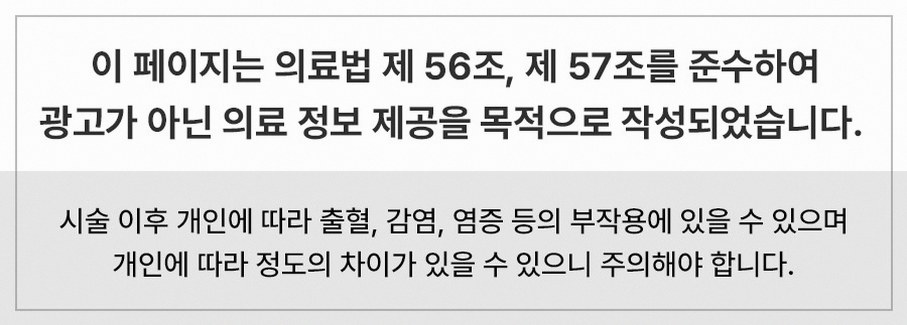
Reviews and medical explanations commonly mention potential side effects such as:
Swelling and bruising.
Tenderness, tightness, or discomfort when moving facial muscles.
Temporary dimpling or irregularities in the skin surface.
Thread visibility or palpability under the skin in some cases.
Asymmetry or uneven lifting.
Infection or inflammation along the thread path, which requires medical attention.
Temporary nerve irritation causing numbness or unusual sensations.
A careful in-person consultation with a qualified doctor in Anyang is essential to discuss these possibilities and how they are managed at the clinic you choose.
Online consultation and pre-visit preparation for overseas patients
Before traveling to Korea, most international patients now start with an online consultation. This usually involves sending clear photos of your face from the front and both sides, in good lighting without filters. Some clinics may also ask for a short video to see how your face moves.
During online consultation, useful topics to cover include:
Which areas bother you most and what kind of change you hope for.
Whether the doctor recommends threads alone or a combination with device-based lifting.
How many threads and which types are commonly used for someone like you.
Expected downtime and when you can safely fly back.
What kind of follow-up is realistic for overseas patients.
It can help to prepare a written list of questions about thread types, anesthesia, aftercare, and what happens if you are not satisfied with the result. This preparation makes your in-person visit smoother and helps avoid misunderstandings.
Expected Korea visit timeline for thread lifting in Anyang
For international visitors, a common schedule might look like this:
Day 1: Arrival in Korea, rest, and adjust to the time zone if needed.
Day 2: In-person consultation at the clinic in Anyang, facial analysis, and final decision on the plan. In some cases, treatment can be done on the same day if both sides agree.
Day 2 or 3: Thread lifting procedure. You can usually return to your accommodation the same day.
Days 3 to 5: Initial recovery period. Swelling and tightness are most noticeable. Light sightseeing or work is often possible, but you may prefer quieter activities.
Days 5 to 7: Follow-up check at the clinic if scheduled. Many people feel comfortable flying home during this period, though some swelling or mild bruising may still be visible.
If possible, try to stay in Korea for at least several days after the procedure so you can have a follow-up visit before returning home, especially if this is your first time having thread lifting.
Aftercare tips for overseas patients
After you leave Korea, you will be responsible for most of your own aftercare. To prepare, you can:
Ask the clinic for written aftercare instructions in English.
Clarify what is normal during recovery and what signs mean you should contact them.
Ask how to reach the clinic by email or messaging app if you have questions later.
Arrange gentle skincare products at home, as harsh exfoliants or strong active ingredients are usually not recommended immediately after thread lifting.
If you have a local doctor at home, consider informing them in advance that you will be having thread lifting abroad, in case you need medical support.
Frequently asked questions about Anyang thread lifting reviews
How painful is thread lifting according to Anyang reviews?
Most reviews describe thread lifting as tolerable with proper local anesthesia. The numbing injections can sting briefly, and some patients feel pressure or pulling as the threads are inserted, but sharp pain is usually limited. After the procedure, mild soreness or tightness is common for several days, especially when chewing or making big facial expressions. Pain levels vary by individual, so discussing anesthesia options with your doctor is important.
How much downtime should I plan for if I visit Korea for thread lifting?
Many people in Anyang say they return to daily life within a few days, but visible swelling or bruising can last one to two weeks. If you are traveling from overseas, it is wise to allow at least several days in Korea after the procedure for a follow-up visit and to make sure there are no early complications.
Are results from thread lifting in Anyang permanent?
Thread lifting results are not permanent. The threads are made of dissolvable materials that gradually break down over time while stimulating collagen. Many reviewers report that they enjoy the effect for several months to over a year, but the exact duration depends on thread type, number of threads, your skin condition, and lifestyle. It is better to think of thread lifting as a temporary, repeatable option rather than a once-in-a-lifetime procedure.
How can I choose a clinic in Anyang if I only have online reviews?
Use reviews as a starting point, but not the only factor. Look for patterns across multiple reviews, especially about consultation quality, explanations of pros and cons, and aftercare support. Then arrange an online consultation with one or more clinics to compare how clearly they answer your questions and how realistic their recommendations sound. Clinics like Lamar Premier Clinic, located in Dongan-gu near Beomgye Station, can be one option to consider if you prefer a place that offers both thread lifting and other lifting devices, so your plan can be tailored to your facial structure and skin condition.
Soft call to action for online consultation
If you are considering thread lifting in Anyang and have been reading many reviews, the next practical step is to arrange an online consultation with a clinic that matches your needs. Share clear photos, describe your concerns honestly, and ask specific questions about expected changes, downtime, and aftercare for someone with your skin type and travel schedule.
By combining what you learn from Anyang thread lifting reviews with professional advice from a qualified clinic, you can make a more confident decision about whether this minimally invasive lifting option is right for you and how to plan your visit to Korea safely and efficiently.
- 공유 링크 만들기
- X
- 이메일
- 기타 앱


댓글
댓글 쓰기