Beomgye Thread Lift: Clinic Choice Tips
- 공유 링크 만들기
- X
- 이메일
- 기타 앱
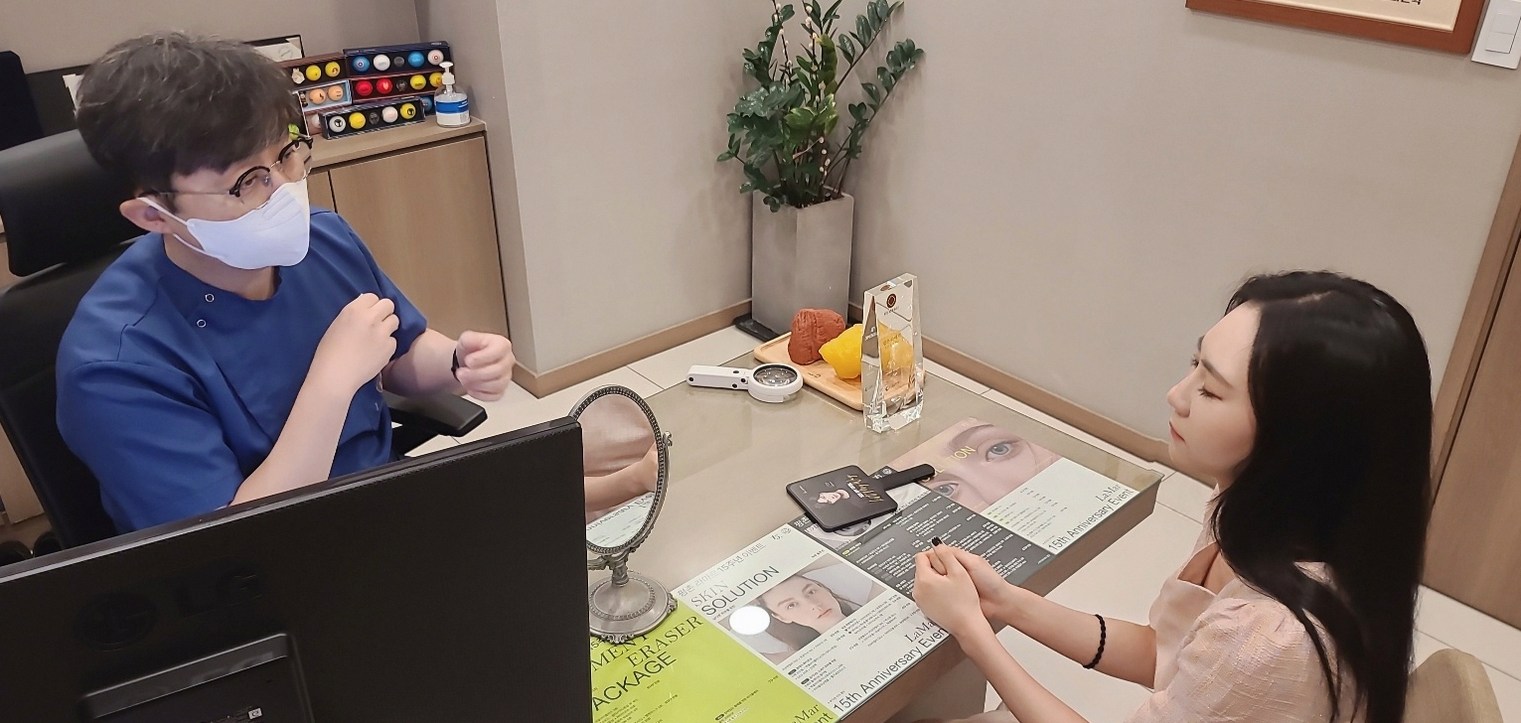
If you're seeking a Beomgye thread-lifting recommendation, this article explains what to look for in a clinic, the basics of the procedure, and key safety considerations.
If you are looking for thread lifting near Beomgye Station, the most important points are not just price or online reviews. For a safe and satisfying lifting experience, focus on how carefully the doctor evaluates your face, whether the clinic offers multiple lifting options (threads, HIFU, RF, laser), and how structured their procedure and aftercare process is. Around Beomgye Station in Anyang, there are several aesthetic clinics, so it helps to compare them calmly based on these objective criteria.
Lamar Premier Clinic, located within walking distance of Beomgye Station, can be used as an example of a clinic that offers a broad lifting lineup and a structured multi-step care process. This article will explain what thread lifting is, who it may suit, how to choose a clinic near Beomgye, what the typical procedure and recovery look like, and how overseas patients can plan a visit to Korea.
What is thread lifting and who is it for?
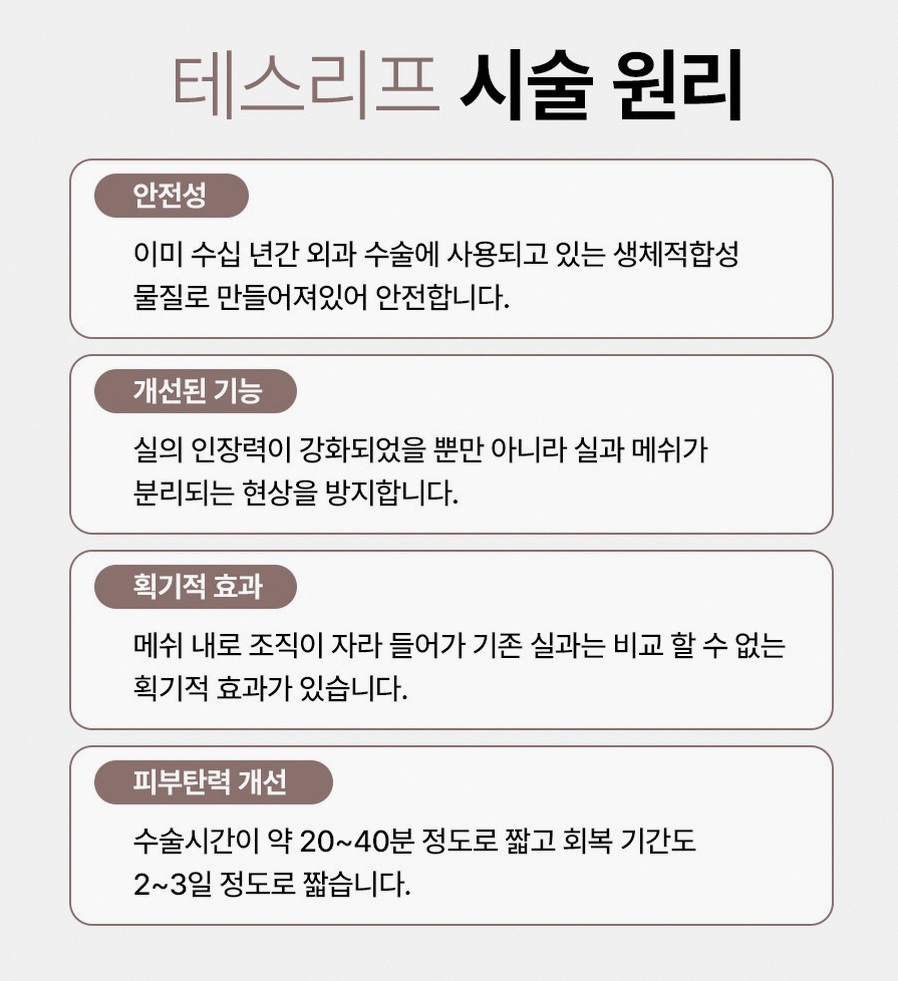
Thread lifting is a minimally invasive procedure that uses absorbable medical threads placed under the skin. The threads provide mechanical support to lift sagging tissue. The goal is to improve facial sagging and redefine contours without a full surgical facelift; speak with the clinic for clinic-specific explanations of tissue response.
Common target areas include the jawline that is starting to blur, early jowls, nasolabial folds around the nose and mouth, marionette lines, and mid-face sagging in the cheek area. Some people also use thread lifting to slightly elevate the outer cheeks or to support the lower face when they feel their skin is starting to droop.
Thread lifting is often considered by women and men in their 30s to 50s who notice sagging but want to avoid surgical lifting. It may suit those who want a relatively quick recovery, subtle but visible improvement, and are comfortable with small entry points for thread insertion rather than large incisions. People who have already tried device-based lifting such as HIFU or RF and want an additional mechanical lift sometimes consider adding threads.
The exact thread type, thickness, length, and insertion direction should be chosen according to your skin thickness, degree of laxity, fat volume, and facial structure. For example, a heavier lower face with more fat may need stronger or more numerous threads than a slim face with mild sagging. Results and how long they last vary widely by individual condition, lifestyle, aging speed, and whether you combine threads with other treatments. No clinic can guarantee a fixed duration or identical results for everyone.
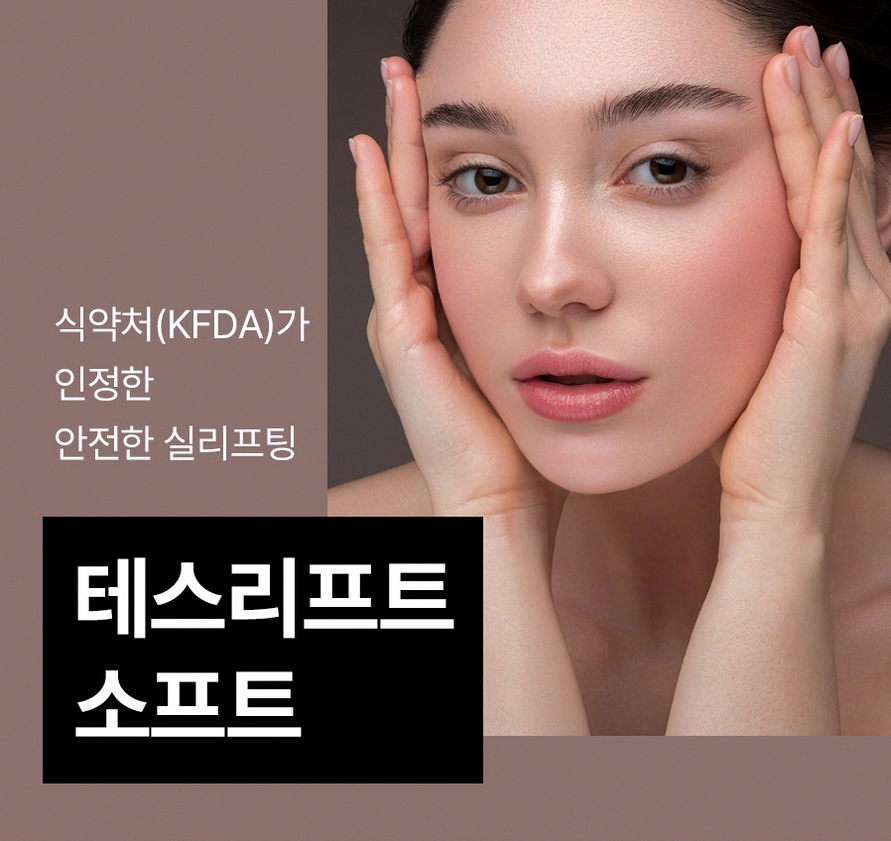
How to choose a thread lifting clinic around Beomgye
When you search for Beomgye thread lifting recommendation, you will see many advertisements, before-and-after photos, and price promotions. To choose more safely, try to check objective points rather than relying only on star ratings or the lowest fee.
First, look at the medical team’s experience with lifting procedures. It is useful if the doctor is familiar not only with thread lifting but also with device-based lifting such as HIFU and RF. This makes it easier to receive balanced advice on whether threads alone are enough for your case or if a combination would be more reasonable.
Second, check whether the clinic offers multiple lifting options. A clinic that only has one type of lifting device or only offers one thread brand may tend to recommend the same approach to everyone. In contrast, a clinic with threads, HIFU-type devices, RF lifting, and laser lifting can select or combine methods based on your skin thickness, degree of sagging, and pain tolerance.
Third, confirm that the clinic provides sufficient consultation time. Before planning a thread design, the doctor should check your skin laxity, fat distribution, facial asymmetry, and previous procedures. A rushed consultation where the plan is decided in a few minutes based only on your age or a photo may not be ideal.
Fourth, ask about their procedure steps and post-care. A structured process often includes cleansing, preparation, the thread procedure itself, cooling or mask pack, and finishing care with clear aftercare instructions. This kind of organized flow can help reduce confusion and support recovery.
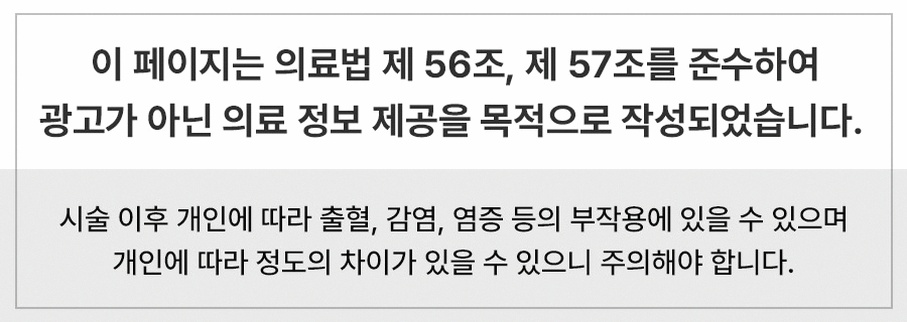
Fifth, see how clearly the clinic explains possible side effects. Common issues after thread lifting can include bruising, swelling, temporary dimpling, asymmetry, and discomfort when moving facial muscles. The clinic should explain these in advance and tell you how they monitor and manage them, rather than only emphasizing positive points.
Finally, consider accessibility. For thread lifting, you may need follow-up visits for checks or additional care. A clinic within easy walking distance of Beomgye Station is convenient, especially if you are commuting from work or planning multiple visits.
Lamar Premier Clinic can be taken as an example of a clinic near Beomgye Station that offers various lifting and anti-aging options, along with a standardized multi-step process. When you compare clinics in the area, you can use such features as a reference point.
Thread lifting at a clinic with a broad lifting lineup
One advantage of choosing a clinic with a broad lifting lineup is the ability to design layered lifting plans. Thread lifting mainly provides mechanical support and lifting of sagging tissue. However, sagging and aging do not occur only at one layer of the face. Skin elasticity, fat volume, and deeper supporting structures all play roles.
In such cases, a clinic that has HIFU-type devices like Ultherapy Prime, RF lifting such as InMode or Oligio, and laser lifting can combine them with threads. For example, threads can be used to pull and fix the sagging jawline, while HIFU or RF can tighten deeper layers such as the SMAS and dermis. Laser or needle RF devices like Flora Cell can then be used to improve skin texture, pores, and fine lines.
This multi-layer approach may be considered for people with both laxity and texture concerns, or for those who want to support thread results over time. Lamar Premier Clinic holds more than 14 types of devices, including Ultherapy Prime, XERF lifting, InMode lifting, Oligio, various laser lifting options, Volnumer, Flora Cell, and other toning and vascular lasers. With this kind of equipment pool, the clinic can design tailored plans after examining your skin rather than applying a single formula.
However, more devices do not automatically mean a better plan. The key is whether the doctor recommends a combination based on your individual diagnosis and explains why each step is suggested. It is important to avoid one-size-fits-all packages and instead rely on face-to-face consultation.
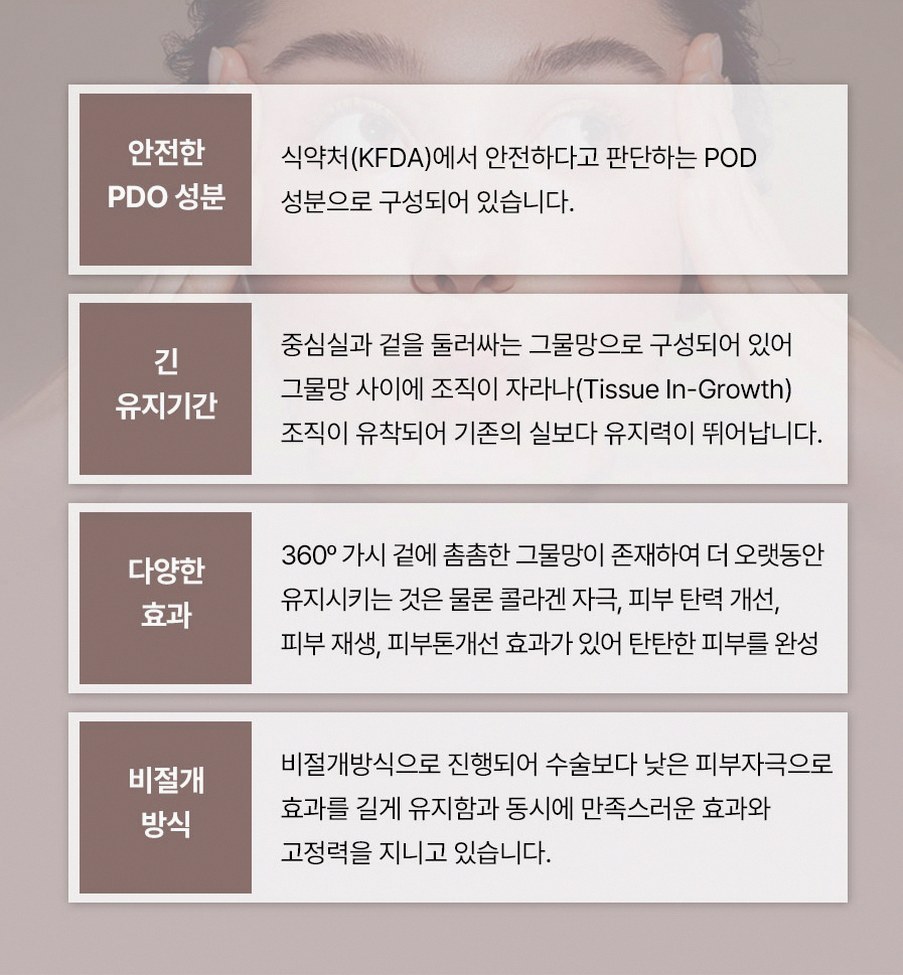
Typical thread lifting process near Beomgye (example flow)
Each clinic has its own detailed protocol, but many follow a structured flow similar to the six-step process used for general treatments at some clinics. Below is an example of how a thread lifting day might proceed.
Step 1: Consultation. The doctor asks about your medical history, current medications, allergies, and previous procedures. You discuss your main concerns, such as jawline sagging, nasolabial folds, or mid-face drooping, and your expectations for how much change you hope to see. The doctor assesses skin laxity, fat distribution, facial symmetry, and bone structure, and may suggest whether threads alone or a combination with HIFU or RF is reasonable.
Step 2: Cleansing and preparation. At the clinic, staff remove your makeup and cleanse the skin. In some cases, light scaling or basic skin preparation is done, depending on the overall plan. This helps maintain cleanliness and prepares the skin for anesthesia and thread insertion.
Step 3: Design and anesthesia. The doctor marks thread insertion vectors and entry points on your face, taking into account natural expression lines and gravity direction. Local anesthesia or numbing is applied so that the procedure is more comfortable. For overseas patients, this is a good time to ask any last questions through an interpreter if needed.
Step 4: Thread insertion. The doctor inserts absorbable threads along the pre-designed vectors. The number of threads and treated areas determine how long this step takes. You may feel pressure or pulling sensations, but anesthesia usually reduces sharp pain. The doctor checks symmetry during the procedure and adjusts tension as needed.
Step 5: Cooling and mask pack. After the threads are placed, cooling or a soothing mask pack may be applied to reduce heat, swelling, and discomfort. This can also be combined with simple finishing care depending on the clinic’s protocol.
Step 6: Finishing and aftercare guidance. The doctor performs a final check of your facial balance and lifting effect. You receive explanations about what to expect in the next few days, how to sleep, when to resume exercise and makeup, and when to return for follow-up. Overseas patients should confirm how to contact the clinic if they have concerns after returning home.
This is only an example of a structured approach. Actual steps, sequence, and duration will differ by clinic and by individual case.
Who may consider thread lifting when visiting Korea
International patients often combine a short stay in Korea with aesthetic procedures. Thread lifting can appeal to those who want visible lifting but have limited time and wish to avoid surgery.
You may consider thread lifting during your Korea visit if you are in your late 20s to 50s, notice early to moderate sagging, and are comfortable with a few days of swelling or bruising. It can also be an option if you have already experienced device-based lifting in your home country and are curious about adding mechanical support.
However, thread lifting may be less suitable for very severe sagging or for those expecting dramatic, surgical-level changes. In such cases, doctors may suggest that expectations be adjusted or that other options be considered. A detailed online consultation before you book flights is strongly recommended.
Online consultation and pre-visit preparation
Before traveling to Korea, it is wise to arrange an online or remote consultation with your chosen clinic. Many clinics near Beomgye Station can communicate via email, messaging apps, or video calls. This step helps you understand whether thread lifting is appropriate for you and how to plan your schedule.
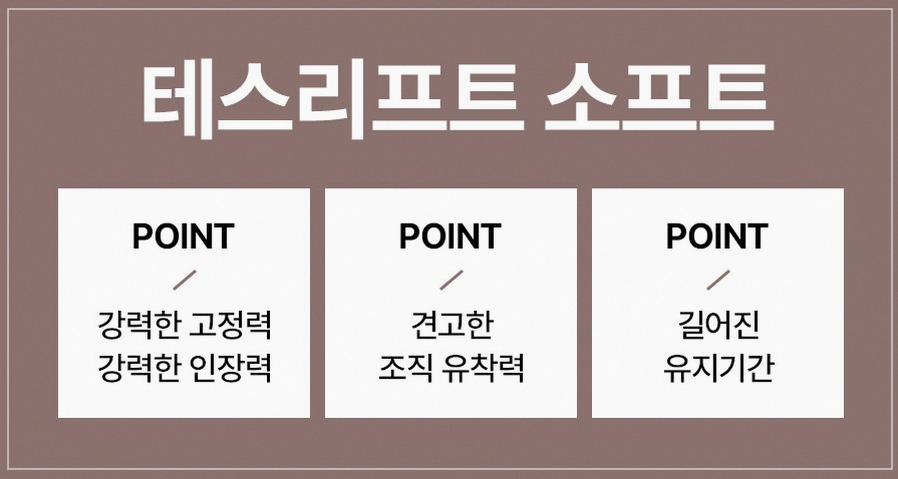
To prepare for online consultation, you can
Collect clear photos of your face from the front, 45-degree angles, and sides in neutral expression. Good lighting is important.
List your main concerns in order of priority, for example “jawline sagging,” “nasolabial folds,” or “cheek volume loss.”
Prepare your medical history: medications, allergies, chronic diseases, and previous facial procedures or injections.
Think about your schedule in Korea: arrival and departure dates, and how many days you can rest after the procedure.
During the online consultation, ask which thread types are used, how many threads are typically applied in cases similar to yours, and whether the doctor recommends combining threads with HIFU, RF, or other treatments. Also ask about expected downtime, follow-up visits, and what to do if you notice any unusual symptoms after you return home.
Expected Korea visit timeline for thread lifting
For overseas patients, a simple timeline might look like this.
Day 1: Arrival in Korea. If your flight is long, it can be more comfortable to schedule the procedure on the next day. You can use this day to rest and adapt to the time zone.
Day 2: In-person consultation and procedure. At the clinic, the doctor confirms the plan based on your actual skin condition and facial structure. If both sides agree, thread lifting can often be done on the same day after consultation.
Days 3 to 4: Early recovery. Swelling, tightness, and possible bruising are common. Many people can move around normally but may prefer to avoid important meetings or photos. You can usually attend light sightseeing with care, but avoid heavy exercise or strong facial expressions.
Days 5 to 7: Follow-up visit. If your stay allows, a follow-up check is useful so the doctor can confirm healing and answer questions. Some patients schedule this just before departure.
After departure: Remote follow-up. It is helpful to keep in touch with the clinic via email or messaging for any concerns. Take photos under similar lighting if you want the doctor to review your progress.
The exact schedule depends on your individual plan, the number of treatments combined, and your travel constraints. Discuss this in detail during online consultation.
Aftercare and precautions following thread lifting
After thread lifting, it is normal to experience some swelling, bruising, tightness, or mild pain, especially when moving facial muscles. You might also notice temporary dimpling or irregularities along the thread paths, which often improve as the tissues settle.
General precautions usually include avoiding strong facial massage, excessive mouth opening, or sleeping face-down for a certain period. It is often recommended to sleep on your back with your head slightly elevated for several days. Intense exercise, sauna, and hot baths are typically restricted for a time specified by the clinic.
Cleansing and skincare should be gentle. Your clinic will tell you when you can wash your face normally, apply skincare products, and resume makeup. Sunscreen is important to protect healing skin.
If you experience severe pain, persistent asymmetry, signs of infection such as redness and heat, or thread exposure, you should contact the clinic promptly. For overseas patients, clarify in advance how to reach the clinic and what to do if you need medical help after returning home.
Clinics such as Lamar Premier Clinic also provide skin care, skin boosters, and trouble-care packages that can be used before or after lifting to support overall skin condition. These can be discussed during your consultation if you want to combine lifting with texture or hydration improvement.
Why consider a clinic near Beomgye Station for thread lifting?
Choosing a clinic near a convenient subway station is practical, especially for procedures that may require follow-up. Beomgye Station on Line 4 is surrounded by commercial buildings and medical facilities, making it easy to access from other parts of the Seoul metropolitan area.
A clinic located within about 160 meters of Beomgye Station, such as one on the second floor of the Anyang Trade Center on Simin-daero, is convenient for both local residents and visitors staying nearby. Short walking distance is helpful on the day of the procedure when you may feel slightly uncomfortable after treatment.
Some clinics in this area, including Lamar Premier Clinic, offer not only facial lifting but also body contouring options such as fat extraction injections, liposuction of areas like thighs, abdomen, flank or full face, and diet starter packages. This allows patients who are interested in overall anti-aging and body-line management to discuss multiple concerns in one place.
When comparing Beomgye thread lifting options, consider consultation quality, clarity about risks and realistic results, and how well the proposed plan suits your lifestyle and schedule. Distance and promotional events are secondary to safety and communication.
FAQ about thread lifting near Beomgye
Is thread lifting enough on its own, or should I combine it with other lifting treatments?
For mild sagging, some patients may consider thread lifting alone. Threads can provide mechanical support and contour improvement, especially along the jawline and mid-face. However, for more pronounced laxity or when deeper structures are loose, doctors may suggest combining threads with HIFU, RF, or laser lifting.
The decision depends on your skin thickness, fat volume, degree of sagging, and expectations. A face-to-face assessment is necessary to decide whether a single procedure or a layered approach is more suitable. It is better to ask the doctor to explain why a combination is recommended rather than accepting a package without understanding the reasoning.
How long do thread lifting results usually last?
The duration of thread lifting effects varies. It depends on the type of thread used, the number of threads, how they are placed, your skin quality, aging speed, and lifestyle factors such as smoking, sun exposure, and weight changes. Some people feel improvement for a shorter period, while others feel support for longer.
Any time range mentioned by a clinic should be understood as approximate and not guaranteed. Maintenance with other treatments, good skincare, and healthy habits may help support the results, but individual responses differ. Discuss expected duration in your specific case with your doctor.
Is thread lifting very painful and how long is the downtime?
Local anesthesia is typically used for thread lifting, so many patients find the pain during the procedure tolerable, though sensations of pressure or pulling are common. Pain perception is highly individual, and some may feel more sensitive than others.
Downtime also varies. Swelling and bruising can appear and may take several days to a couple of weeks to settle. Many people resume daily activities within a few days, but it is wise to avoid major events or photo sessions immediately after the procedure. Your doctor can give a more personalized estimate based on the planned number of threads and treated areas.
What should I ask during a thread lifting consultation near Beomgye?
During consultation, you can ask about the doctor’s experience with thread lifting and how often they perform it. It is useful to ask which thread types and brands are used, why they are chosen for your case, and how many threads are planned.
You should also ask about possible side effects and how the clinic manages them, realistic expectations for lifting degree and duration, and whether combination with HIFU, RF, or other treatments is recommended for you. For overseas patients, add questions about timing, how many days you should stay in Korea, and how remote follow-up is handled.
Soft call to action for international patients
If you live abroad and are considering thread lifting during a visit to Korea, it is wise to start with an online consultation rather than deciding only from online recommendations. Clinics near Beomgye Station, including Lamar Premier Clinic, offer consultations where you can discuss thread lifting together with other lifting options and skin treatments, based on your facial structure and skin condition.
Before contacting a clinic, prepare your questions about procedure details, possible side effects, aftercare, and scheduling. This will help you use consultation time efficiently and make a more informed decision. A calm, well-explained plan is more important than any single recommendation post when it comes to your face and long-term satisfaction.
- 공유 링크 만들기
- X
- 이메일
- 기타 앱


댓글
댓글 쓰기