Clinic Choice & What to Expect
- 공유 링크 만들기
- X
- 이메일
- 기타 앱
Thumbnail: https://iwriting.co.kr/media/transformed/9eddf40b109f47ceb2a3ce22805fce3f.jpg
If you're considering thread lifting near Beomgye Station, begin with an in-person consultation to assess your facial concerns and whether threads, device-based lifting, or a combination is most appropriate; Lamar Premier Clinic is one nearby example that offers a range of lifting options and a structured treatment process.
If you are searching for thread lifting near Beomgye Station, it helps to look beyond simple “recommendation” lists. Thread lifting is a minimally invasive lifting procedure using absorbable threads, and the result depends greatly on your skin condition, the lifting design, and the clinic’s overall approach. Around Beomgye Station in Anyang, you can find clinics that combine thread lifting with device-based lifting such as ultrasound or radiofrequency.
This guide explains what thread lifting is, who may consider it, how it differs from other lifting options, how clinics near Beomgye Station typically approach lifting, and what overseas patients can expect when planning a visit to Korea.
What is thread lifting
Thread lifting is a non-surgical facial lifting procedure that uses absorbable threads placed under the skin to lift sagging tissue and stimulate collagen.
During the procedure, fine threads made of absorbable material are inserted through small entry points. These threads have structures such as barbs or cones that anchor into the tissue. They provide two main effects. First, a mechanical lift that can improve the contour of the jawline, cheeks, or lower face. Second, a gradual collagen-stimulating effect as the threads are absorbed by the body over time.
Common treatment areas include the jawline and early jowls, sagging cheeks, nasolabial folds, marionette lines around the mouth, the lower face contour, and in some cases the brow or lateral eye area. The exact design, direction, and number of threads are usually customized according to the person’s facial structure and degree of sagging.
Who may consider thread lifting
Thread lifting is generally considered for adults with mild to moderate skin laxity who want visible lifting without undergoing a surgical facelift.
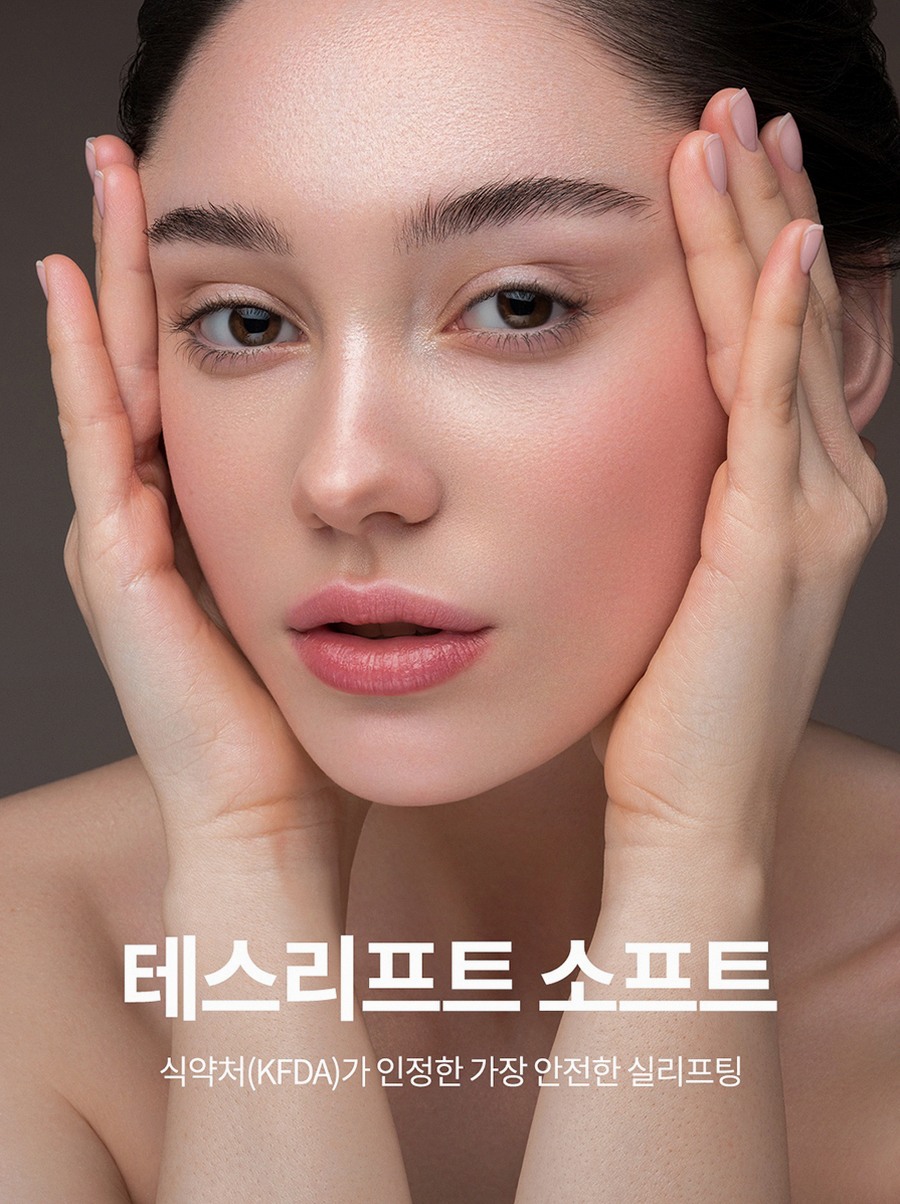
Typical candidates include people in their 30s to 50s who notice early sagging of the cheeks or jawline, deepening nasolabial folds, or marionette lines. It can be suitable for those who want to sharpen the jawline, improve early jowling, or support the midface without long downtime.
It may also be considered by people who have already tried device-based lifting such as ultrasound or radiofrequency and want a stronger contour change, or by those who prefer a stepwise anti-aging plan combining different methods.
Who should be cautious
Thread lifting is not ideal for everyone. Certain situations require caution or a different approach.
People with very thin, fragile skin or very severe sagging may not achieve the desired effect with threads alone. In these cases, a combination with device lifting, volume restoration, or even surgical options may be more appropriate. A careful consultation is needed to set realistic expectations.
Those with bleeding disorders, uncontrolled systemic diseases, or active skin infections in the planned treatment area should inform the doctor in advance. Medications that affect blood clotting, such as anticoagulants, also need to be discussed, as they can increase the risk of bruising.
People who have unrealistic expectations or expect permanent results from thread lifting may also need more detailed counseling. The threads are absorbable, and while they can stimulate collagen, the effect naturally softens over time.
Expected effects and limitations
Thread lifting can offer an immediate lifting effect because the threads mechanically reposition sagging tissue. Many patients notice a change in contour right after the procedure, especially along the jawline or midface.
Over the following months, the threads gradually stimulate collagen production around them. This can help support the skin and contribute to a more refined texture and firmness. However, the degree of change varies by individual.
The results are not permanent. The threads are designed to be absorbable, and as they dissolve, the direct mechanical support decreases. The duration of effect depends on factors such as the type of thread used, the person’s skin thickness and elasticity, lifestyle factors like smoking or sun exposure, and how the face moves in daily life. Because of these variables, it is more accurate to say that thread lifting offers a temporary improvement rather than a fixed, guaranteed time frame.
Thread lifting vs device-based lifting
Many people near Beomgye Station compare thread lifting with device-based lifting such as ultrasound or radiofrequency when they search for a clinic.
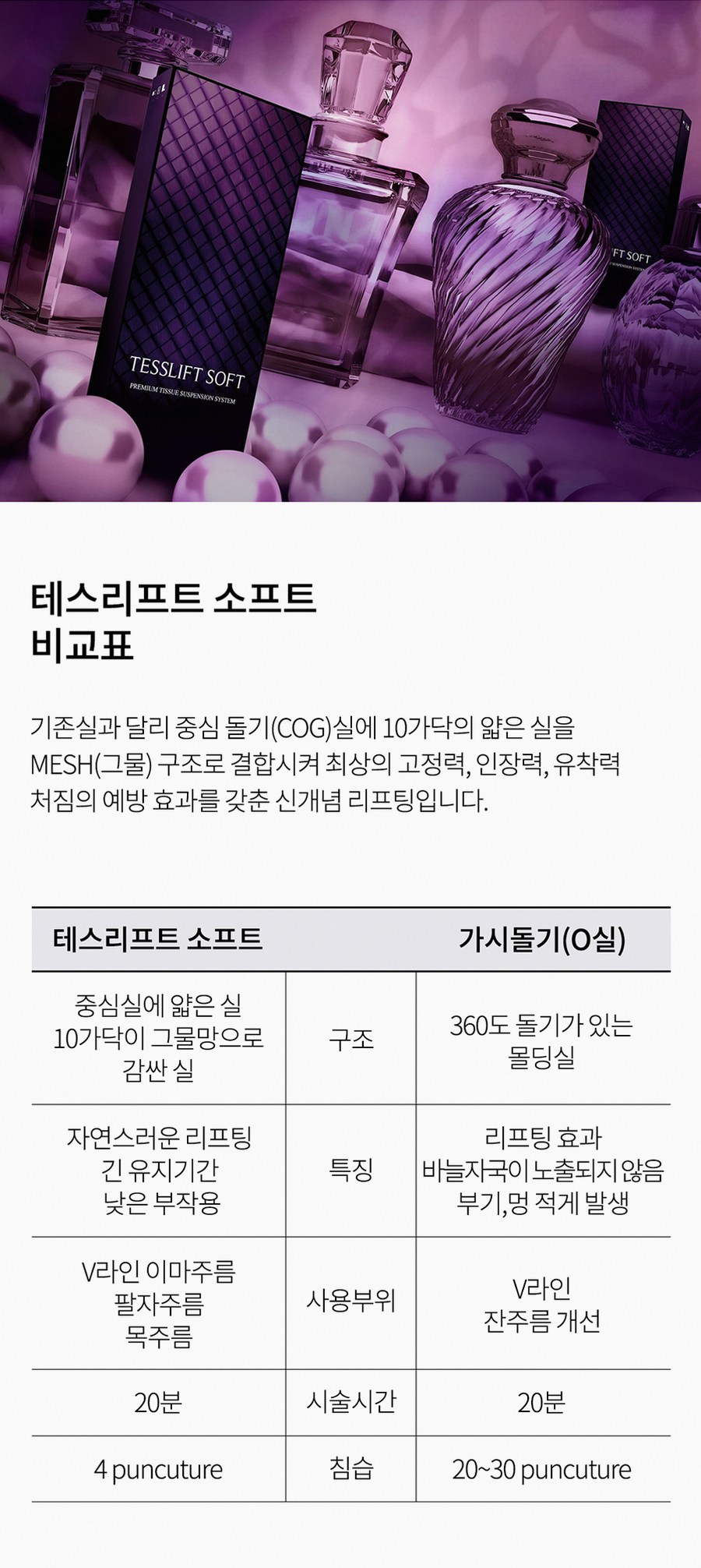
Thread lifting involves inserting threads under the skin, so it is more invasive than device treatments but still non-surgical. It tends to provide a stronger mechanical lift and more noticeable contour change, especially for the jawline and lower face. On the other hand, it can involve temporary swelling, bruising, and a feeling of tightness or pulling. There is also a small risk of dimpling or asymmetry that needs to be monitored.
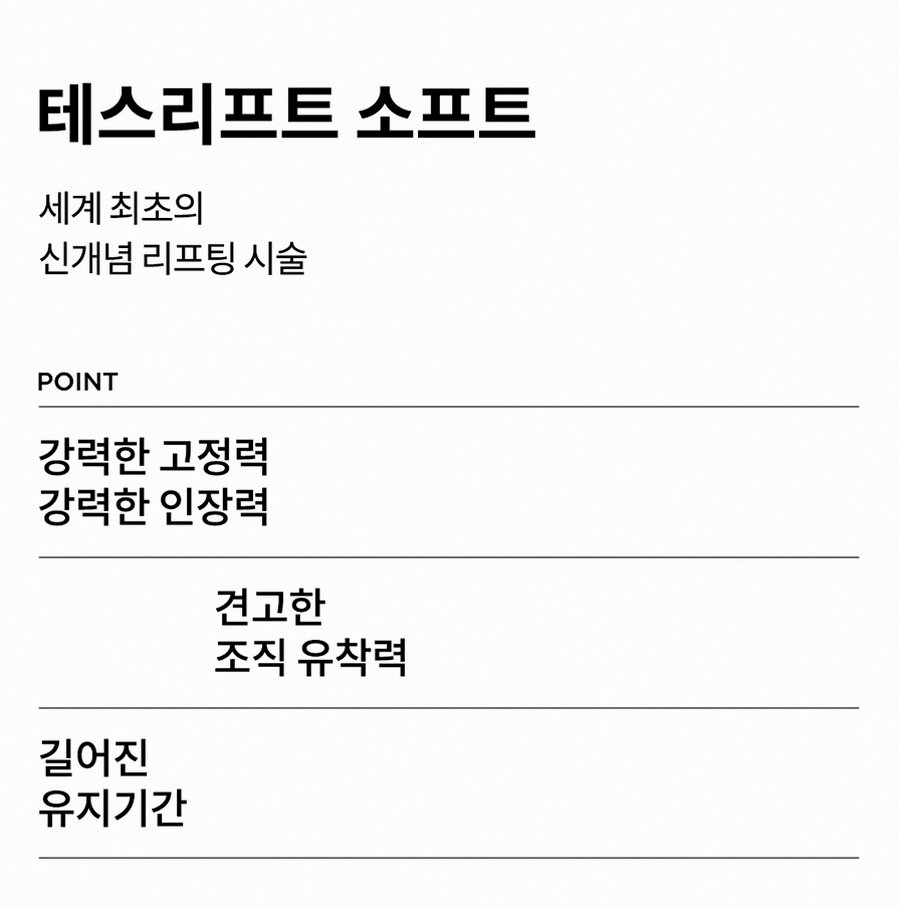
Device-based lifting, such as ultrasound or radiofrequency lifting, focuses more on heating deeper layers of the skin to stimulate collagen and tighten tissue. These treatments are performed from outside the skin without inserting threads. They usually have less downtime, and side effects are often limited to temporary redness or mild swelling. However, the contour change may be subtler compared to thread lifting.
Because each method has strengths and limitations, many clinics, including Lamar Premier Clinic, do not rely on only one technique. Instead, they may combine thread lifting with ultrasound lifting, RF lifting, or laser lifting according to the person’s skin thickness, fat volume, sagging pattern, age, and preference.
How clinics near Beomgye Station may approach lifting
Around Beomgye Station in Anyang, some clinics focus on lifting and anti-aging with a broad lineup of treatments. Lamar Premier Clinic is one example of a clinic located on the second floor of Anyang Trade Center in Dongan-gu, about 160 meters from Beomgye Station on Line 4, making it convenient for people specifically searching for thread lifting in this area.
The representative director, Choi Wonjin, has a background in anesthesiology and pain medicine and experience working in aesthetic-focused clinics. The clinic’s stated focus includes lifting procedures using both devices and thread lifting, with an emphasis on natural-looking, not overly excessive results. Multiple doctors are registered at the same address and phone number, indicating a team-based practice.
In terms of equipment, the clinic reports having more than 14 types of skin and lifting devices, including ultrasound lifting such as Ulthera Prime, RF and laser lifting devices such as XERF and InMode, volumizing devices like Volumer, and needle RF such as Floracell. There are also lasers for pigmentation, toning, redness, vascular issues, acne, pores, and body contouring treatments.
This variety allows the medical team to select different modalities or combinations according to the individual’s skin condition and degree of sagging, rather than applying a single fixed protocol to everyone.
Customized lifting design
A key point when considering thread lifting near Beomgye Station is whether the clinic offers a customized design rather than a one-pattern treatment.
A thoughtful lifting plan usually considers several factors. These include skin thickness and elasticity, the amount and position of facial fat, the direction and degree of sagging, facial asymmetry, and overall facial harmony. For example, someone with heavier lower face volume may need a different thread direction and combination with device lifting compared to someone with a thin face and early midface sagging.
Some clinics apply a similar logic across different skin concerns. For redness, they may differentiate by cause and vessel thickness. For pigmentation, they may adjust treatment according to the type and depth of pigment. In the same way, for thread lifting, a careful assessment helps decide whether to focus on the jawline, midface, or both, and whether to add ultrasound or RF lifting for deeper tightening.
Structured procedure steps
When you look at clinics around Beomgye Station, pay attention to whether they follow a structured procedure rather than a quick, one-step approach. A standardized multi-step process can help maintain consistency and safety.
A typical structured process for thread lifting may include the following steps.
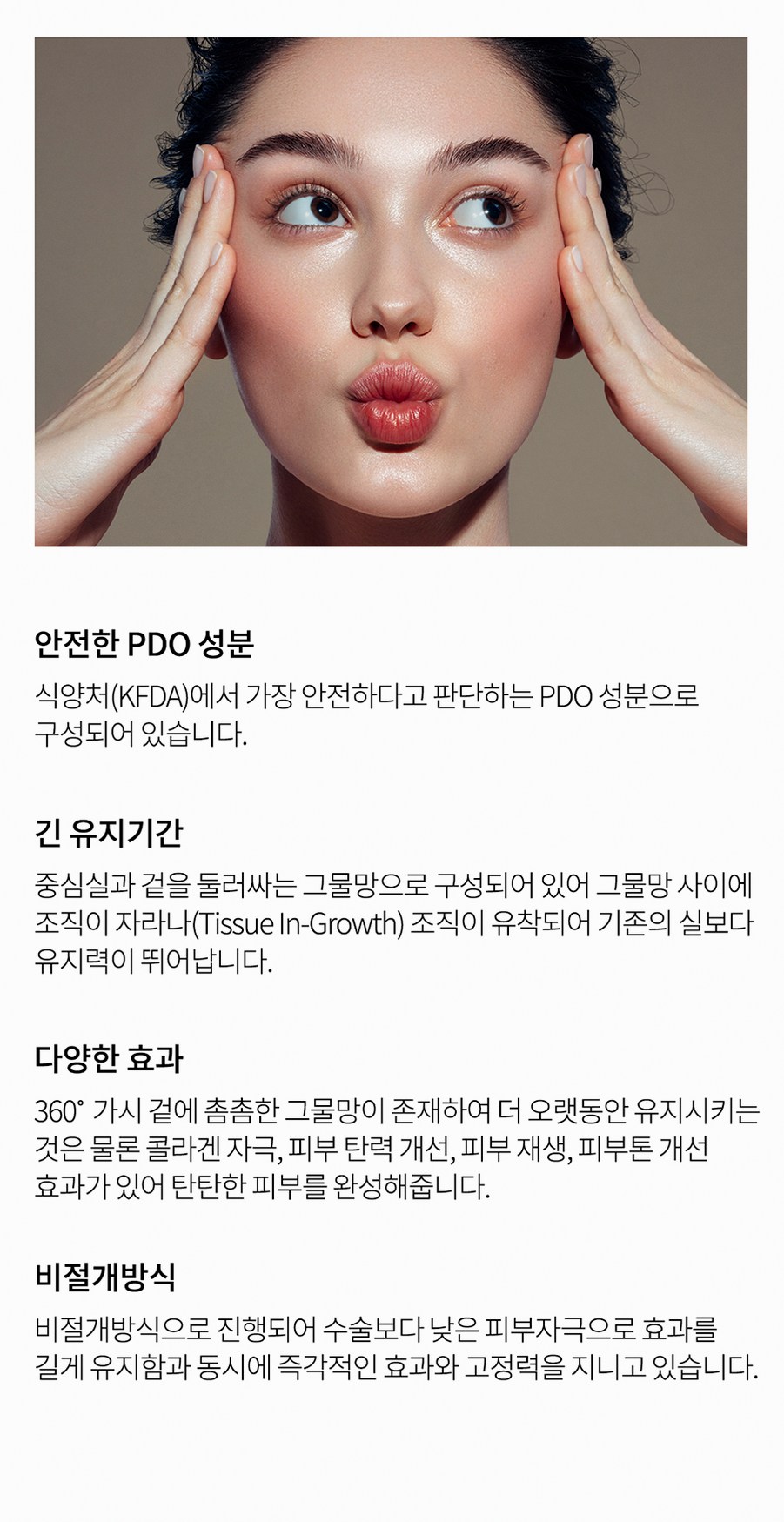
Cleansing. The skin is thoroughly cleansed to remove makeup, sunscreen, and surface impurities.
Basic skin preparation. Depending on the clinic, gentle scaling or basic skin preparation may be performed to ensure the skin is clean and ready for the procedure.
Main treatment. For thread lifting, this includes marking the lifting vectors, administering local anesthesia, and inserting the threads under sterile conditions. For overseas patients, the doctor may explain each step in English as they proceed, to reduce anxiety.
Post-treatment soothing care. After the threads are placed, a soothing mask or cooling care may be applied to help reduce swelling and calm the skin.
Final check and instructions. The doctor checks the symmetry and lifting effect, then provides aftercare instructions, follow-up plans, and guidance on what to avoid in the early recovery period.
How to choose a thread lifting clinic near Beomgye Station
Instead of relying only on online ratings or short reviews, consider objective criteria when choosing a thread lifting clinic in the Beomgye Station area.
First, check the range of lifting options. Clinics that offer both thread lifting and device-based lifting, such as ultrasound, RF, and laser lifting, can tailor a plan more precisely to your needs. This is helpful if you are unsure whether you need threads, devices, or a combination.
Second, confirm the doctor’s experience with lifting procedures. During consultation, see if the doctor explains the indications, possible side effects, and limitations of thread lifting in a clear and realistic way. You should feel that your questions are being answered without pressure.
Third, look for a clear consultation process. The doctor should assess your skin laxity, facial asymmetry, and overall balance, not just one wrinkle or fold. Ask how they decide the number and direction of threads, and whether they recommend supporting treatments such as ultrasound lifting or skin boosters.
Fourth, ask about anesthesia methods, aseptic technique, and post-procedure care. For example, which type of local anesthesia is used, how they maintain sterility, and what kind of follow-up visits or emergency contact options are available.
Fifth, make sure the clinic explains potential side effects such as bruising, swelling, temporary dimpling, asymmetry, or thread visibility, and how they are managed if they occur. A clinic that openly discusses these points is usually more focused on safety and realistic outcomes.
Lamar Premier Clinic can be considered as one example that fits many of these criteria, given its location close to Beomgye Station, wide range of lifting devices plus thread lifting, a representative director with anesthesiology and pain medicine background, and a structured, stepwise treatment process.
Online consultation and pre-visit preparation for overseas patients
If you are an overseas patient planning thread lifting near Beomgye Station, starting with an online consultation can save time and help set expectations before you travel.
Before contacting a clinic, prepare clear photos of your face from the front and both sides, taken in good lighting without heavy makeup or filters. Some clinics may also request a short video to see how your face moves when you talk or smile.
Write down your main concerns, such as sagging jawline, deep nasolabial folds, or overall lower face drooping. Include your age, general health status, any chronic illnesses, and a list of medications and supplements you are taking, especially blood thinners or antiplatelet drugs.
It is also useful to mention any previous procedures you have had on the face, such as fillers, previous thread lifting, laser treatments, or surgeries. This information helps the doctor understand your skin condition and plan safely.
During online consultation, ask the clinic about suitable options for your case, whether they recommend thread lifting alone or in combination with device lifting, and what kind of downtime you should expect. Clarify how many in-person visits are needed and whether follow-up can be partly handled online after you return home.
Expected Korea visit timeline for thread lifting
For international patients, planning the schedule in Korea is important. While the exact plan depends on the clinic and your personal situation, the following is a common outline.
Day 1. Arrival and rest, or a light skin consultation if timing allows. Some patients prefer to arrive a day earlier to recover from flight fatigue before undergoing any procedure.
Day 2. In-person consultation and procedure. The doctor re-evaluates your face, confirms the plan discussed online, and explains the procedure again. If you agree, thread lifting can often be performed on the same day. Expect to spend several hours at the clinic for consultation, preparation, procedure, and immediate post-care.
Days 3 to 5. Early recovery period. Swelling, bruising, and a tight or pulling sensation can be more noticeable during this time. Many patients stay in Korea for at least a few days after the procedure so they can attend a short follow-up visit if needed.
Days 5 to 7. Follow-up visit and return home. Depending on your condition, the clinic may schedule a check-up to monitor healing, adjust aftercare instructions, and answer any questions before you leave. Some patients feel comfortable flying earlier, but it is wise to discuss this with the doctor in advance.

Because individual healing varies, it is best to keep your schedule slightly flexible and avoid planning intense sightseeing or important events immediately after the procedure.
Aftercare basics
Proper aftercare can support recovery and help reduce the risk of complications after thread lifting.
In the early days, it is common to experience swelling, bruising, mild pain, or a tight feeling when moving the face. Cold compresses may be recommended by the clinic to help with swelling, but you should follow the specific instructions they provide.
Patients are usually advised to avoid strong facial massage, vigorous rubbing when washing the face, or beauty treatments that involve heavy pressure on the skin for a certain period. Excessive mouth opening, such as during very large bites of food, and sleeping face-down are also commonly discouraged in the early phase.
You may receive instructions about gentle cleansing, when to resume makeup, and which skincare products to avoid temporarily. It is important to attend scheduled follow-up visits or contact the clinic if you notice unusual pain, redness, or asymmetry.
Remember that some irregularities, such as slight dimpling or unevenness, can be temporary and improve as the tissues settle. However, if you have concerns, it is better to check with the medical team rather than waiting in silence.
Safety, risks, and realistic expectations
Thread lifting is considered minimally invasive compared to surgery, but it is still a medical procedure with potential risks.
Possible complications include infection, prolonged pain, bruising, swelling, asymmetry, thread palpability or visibility, dimpling, or an unsatisfactory aesthetic result. In rare cases, a thread may need to be adjusted or removed.
Choosing an experienced medical team, ensuring sterile technique, and attending follow-up visits can help reduce risks and allow early management if issues arise. Being honest about your medical history and medications is also essential for safety.
Realistic expectations are important. Thread lifting can improve sagging and contour, but it does not stop the natural aging process or permanently fix all wrinkles. Many people use it as part of a broader anti-aging plan that may also include device lifting, skincare, and lifestyle changes.
Frequently asked questions
Is thread lifting near Beomgye Station suitable for first-time lifting patients
For many people in their 30s or 40s with mild to moderate sagging, thread lifting around Beomgye Station can be a reasonable first lifting option, especially if they want visible contour change without surgery. However, some first-time patients may be better suited to device-based lifting alone or in combination with a small number of threads. A face-to-face consultation is necessary to decide which approach is more appropriate.
How long do thread lifting effects usually last
The duration of effect varies widely and depends on factors such as thread type, skin quality, age, facial movement, and lifestyle. Because the threads are absorbable, the direct lifting effect gradually softens over time. Some people choose to repeat thread lifting or support the result with ultrasound or RF lifting later on. It is more accurate to think of thread lifting as a temporary improvement rather than a permanent change.
Can I combine thread lifting with other treatments during my Korea trip
In many cases, thread lifting can be combined with other treatments such as ultrasound lifting, RF lifting, laser toning, or skin boosters, either on the same day or in a staged plan. However, not all combinations are suitable for everyone, and timing needs to be arranged carefully to avoid excessive irritation or overlapping downtime. Discuss your travel schedule and priorities with the clinic so they can propose a realistic and safe combination.
What should I ask a clinic before booking thread lifting near Beomgye Station
Before booking, ask about the doctor’s experience with thread lifting, what kind of threads they use, and how they decide the lifting design. Confirm whether they offer device-based lifting as well and how they choose between threads and devices. Ask about expected downtime, possible side effects, follow-up arrangements for overseas patients, and what to do if you have concerns after returning home. It is also useful to clarify communication options in English and how to contact the clinic in case of urgent questions.
Soft call to action for online consultation
If you are considering thread lifting during a visit to Korea and want a clinic near Beomgye Station, starting with an online consultation can help you understand your options and plan your schedule. Clinics such as Lamar Premier Clinic, located within walking distance of Beomgye Station and offering a range of lifting methods including thread lifting, can review your photos and medical history in advance and suggest a personalized approach.
Take time to compare clinics, ask detailed questions, and choose a medical team that communicates clearly and sets realistic expectations. A thoughtful decision made before you travel will help you feel more comfortable and prepared when you arrive in Anyang for your lifting treatment.
- 공유 링크 만들기
- X
- 이메일
- 기타 앱


댓글
댓글 쓰기