Pyeongchon Nasolabial Fold Filler for Natural Smile Line Softening
- 공유 링크 만들기
- X
- 이메일
- 기타 앱
Direct answer summary
If you are noticing deeper smile lines around your nose and mouth and you live or work near Pyeongchon or Beomgye Station, nasolabial fold filler can be a non-surgical way to soften these lines. A soft gel filler is injected to gently support the area, reduce shadows, and refresh the midface without making you look overfilled. At clinics such as Lamar Premier Clinic in the Pyeongchon area, treatment is usually planned after a detailed assessment of whether your folds come mainly from volume loss, skin laxity, or muscle movement, and the goal is a natural, rested look rather than erasing every line.
Introduction
Many people in their late 20s to 50s begin to notice that their smile lines, also called nasolabial folds, look deeper in photos or at the end of a long day. These lines can make the face appear tired or older than you feel, even when you are in a good mood.
This guide explains how nasolabial fold filler works, who might consider it, what to expect when visiting Korea for treatment, and how a structured, natural approach can help you feel more confident.

What are nasolabial folds and why they deepen
Nasolabial folds are the curved lines that run from the sides of the nose down toward the corners of the mouth. They appear when you smile, but over time they can remain visible even when your face is at rest.
Several factors contribute to deeper nasolabial folds. With age, the fat pads in the midface slowly move downward and lose volume, so the area next to the fold becomes flatter while the fold itself looks deeper. Skin elasticity also decreases, so the skin does not bounce back as easily after repeated facial movements like smiling or laughing. In some people, the underlying bone structure or stronger facial muscles can make these lines more prominent even at a younger age.
Because nasolabial folds sit in the center of the face, they strongly influence first impressions. When they become deep or shadowed, the face can look tired, sad, or even slightly angry, regardless of how you actually feel. For many people, softening these lines is one of the most effective ways to look fresher with a relatively small change.
How nasolabial fold filler works
Nasolabial fold filler uses an injectable gel, most commonly based on hyaluronic acid, a substance that naturally exists in the skin. The filler is placed strategically around or under the fold to restore some of the lost support and volume.
The main goal is to reduce the depth and shadow of the line, not to erase every crease. Completely flattening the area can look unnatural or heavy, especially when you smile. A careful approach aims to keep the natural movement of your face while making the fold appear softer and less sharp.
Different filler products have different levels of firmness and thickness. Firmer fillers may be used deeper near the base of the fold or in the midface to support sagging tissue, while softer fillers may be used more superficially to smooth fine lines. Injection depth and product choice are usually adjusted according to your skin thickness, the severity of the fold, and your overall facial structure.

Who may consider nasolabial fold filler
Nasolabial fold filler may be suitable if you have mild to moderate folds mainly due to volume loss rather than very heavy sagging. People in their late 20s to 40s often notice early changes, such as folds that look deeper when they are tired but are not yet very heavy at rest.
It can be a good option if you want a quick, non-surgical improvement with limited downtime. Most people can return to daily activities soon after treatment, although some temporary swelling or bruising is possible.
Filler is also appealing if you prefer a reversible or adjustable treatment. Hyaluronic acid fillers can be gradually broken down by the body over time, and in some situations they can be adjusted or dissolved by a medical professional if needed.
However, if your midface shows significant sagging or your tissue is heavy, filler alone may not be enough. In those cases, a doctor may recommend combining filler with lifting devices such as ultrasound or radiofrequency, or with thread lifting, to reposition tissue before or together with filler. An in-person consultation is important to decide whether filler alone or a combination approach is more appropriate.
Consultation and assessment process
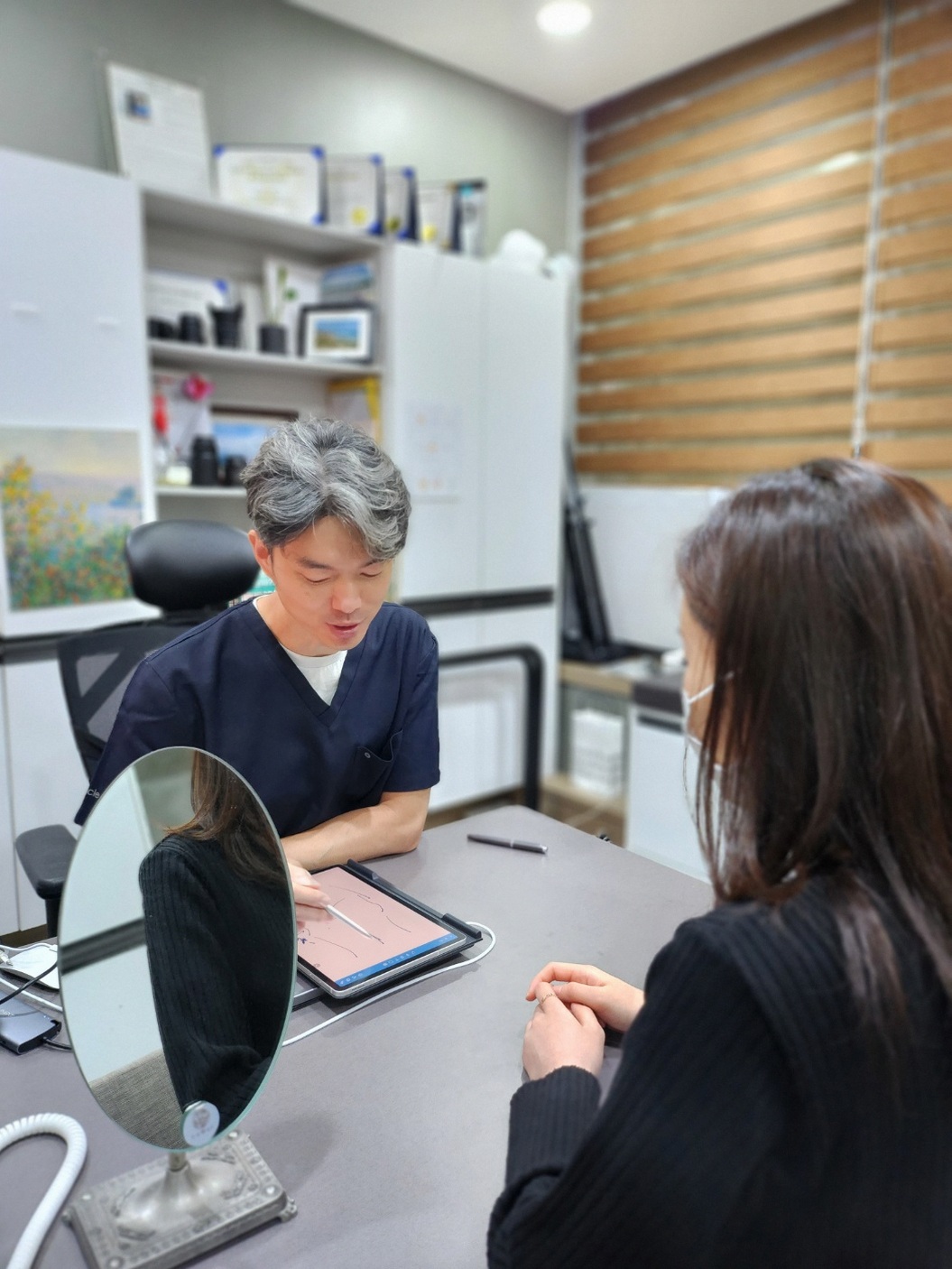
A proper consultation is the starting point for a natural-looking result. During this step, the doctor will usually examine your face from different angles, both at rest and when you smile or talk. They will check your skin elasticity, the amount and position of facial fat, the depth of the folds, and the balance between your cheeks, nose, and mouth.
Because nasolabial folds can have different main causes, the treatment plan is often customized. If the main issue is volume loss in the upper cheek, the doctor may suggest placing some filler in the midface to lift and support the fold indirectly, instead of injecting only into the line itself. If the skin is thin and creased, a softer filler or skin booster might be added to improve texture. If muscle movement is strong, some people may benefit from combining filler with other injectables, depending on the assessment.

Clinics that use multiple lifting and anti-aging devices, such as ultrasound lifting, radiofrequency lifting, thread lifting, laser lifting, skin boosters, and other injectables, often design a tailored plan that fits your skin condition and expectations. A physician with training in anesthesiology and pain medicine can contribute to patient comfort and procedural safety. Many overseas patients appreciate a conservative philosophy that focuses on subtle, natural changes rather than dramatic volume increases.
Step-by-step treatment process
Pre-treatment preparation
After checking in, you will usually have a consultation and then move to a treatment room. Makeup is removed from the lower face, and the skin is cleansed thoroughly to reduce the risk of infection. Many clinics take standardized photos before treatment so that changes can be evaluated more accurately.
If needed, a topical numbing cream is applied to the treatment area and left on for a short time. Some filler products also contain a local anesthetic, which helps reduce discomfort during injection.
Marking and planning
The doctor may mark key points on your skin to guide injection depth and direction. At this stage, they often explain where filler will be placed, for example directly along the fold, slightly above it in the midface, or in supporting areas. This is a good time to ask final questions about the plan and confirm that your priority is a natural, not overfilled, result.

Injection technique
Filler can be injected using a fine needle or a blunt-tipped cannula. A needle allows very precise placement in small areas, while a cannula may help reduce the number of entry points and can sometimes lower the risk of bruising. The choice depends on your anatomy and the doctor’s preferred technique.
The doctor will slowly inject small amounts of filler and may ask you to move your face or sit up during the procedure. This helps them see how the filler behaves with gravity and expression, and to adjust the amount for symmetry on both sides.
Shaping and symmetry check
After the filler is placed, the doctor usually performs gentle molding with their fingers to smooth the product and blend it with the surrounding tissue. You may be asked to look in a mirror to check the overall impression. The aim is to see a softer, less shadowed fold while keeping your natural facial character.
Post-care and finishing steps
Once injections are complete, cooling packs or a soothing mask may be applied to calm the skin. A light layer of post-treatment cream or sun protection is often used before you leave.
You will receive instructions on what to avoid for a short period. This commonly includes avoiding strong pressure or massage on the treated area, very hot saunas or baths, and intense exercise for a day or two. Alcohol and blood-thinning supplements may also be restricted around the time of treatment, depending on the doctor’s advice. Many clinics in the Pyeongchon area follow a structured sequence of consultation, cleansing, treatment, mask, and finishing care, which can be reassuring for first-time patients.
Expected effects, duration, and maintenance
The area can look smoother, with less harsh shadowing from the nose to the mouth. Because the midface is better supported, the overall impression can be more rested and slightly lifted.

Some mild swelling is common in the first few days, so the final result is usually judged after this settles. As the filler integrates with the surrounding tissue, the effect may look even more natural.
The doctor may suggest a follow-up visit to check the result and discuss if and when a maintenance session would be helpful.
Maintenance does not always mean repeating the exact same amount. Sometimes a smaller touch-up is enough, and in other cases the focus may shift to supporting areas like the cheeks if your facial structure changes over time.
Safety, side effects, and precautions
Like any medical procedure, nasolabial fold filler has potential side effects and risks. Common temporary reactions include redness, swelling, mild bruising, and tenderness at injection sites. These usually improve over several days.
Less common but more serious risks include vascular complications, where filler unintentionally enters or compresses a blood vessel, as well as significant asymmetry or visible lumps. These situations require prompt medical attention. Choosing a medically qualified practitioner who understands facial anatomy and filler safety is important to reduce these risks.

Before treatment, you should inform the clinic about your medical history, current medications, allergies, and any previous filler or other procedures in the same area. You may be advised to pause certain blood-thinning supplements or medications, if medically appropriate, to reduce bruising. After treatment, following all instructions regarding pressure, heat exposure, exercise, and skincare products helps support safe healing.
If you notice severe pain, sudden color change of the skin, visual disturbances, or any unusual symptoms after filler, you should contact the clinic or seek medical attention immediately.
Natural result philosophy
Many people hesitate to try nasolabial fold filler because they are worried about looking unnatural or obviously filled. A conservative, natural-focused approach aims to avoid this.
Instead of injecting large amounts directly into the line, the doctor may use small, precise doses and respect the natural proportions of your face. Overfilling the nasolabial area can make the lower face look heavy or swollen, especially when you smile. To prevent this, some of the support may be placed in the midface or cheek area, which can indirectly reduce the fold by lifting the tissue above it.
A natural result also considers how your face moves. The goal is for you to look like yourself, just more rested and refreshed. Subtle improvement is often more satisfying over time than a dramatic change that draws attention.
Comparison with other options
While this guide focuses on filler, many clinics in the Pyeongchon and Beomgye area also offer other anti-aging options that can be combined or used as alternatives, depending on your needs.

Lifting devices such as ultrasound or radiofrequency are designed to tighten and lift the skin and deeper tissues. They can be helpful if your main issue is skin laxity rather than volume loss. However, they do not replace volume in deeper folds as effectively as filler.
Thread lifting uses fine threads placed under the skin to reposition sagging tissue. It can provide a more noticeable lifting effect for some people but is more invasive than filler and has different indications and recovery considerations.
Skin boosters and laser-based treatments can improve skin texture, hydration, and fine lines, which can make the area around the nasolabial folds look healthier. However, they usually do not add enough volume to significantly change a deep fold on their own.
In many cases, filler remains the main tool for directly softening nasolabial folds, while lifting devices, threads, and skin treatments are used as complementary options when needed.
Online consultation and pre-visit preparation for overseas patients
If you are visiting Korea from overseas, an online consultation before your trip can help you plan more efficiently. Many clinics offer the option to send clear photos of your face from the front and sides, both at rest and smiling. This allows the doctor to get a first impression of your nasolabial folds, midface volume, and skin condition.

During an online consultation, you can explain your main concerns, any previous treatments, and your preferred style of result. It is helpful to mention if you strongly want a very subtle change, or if you are open to combining filler with lifting or other procedures. The clinic can then suggest a tentative plan and approximate visit schedule, which can be adjusted after an in-person examination.
Before you travel, prepare a list of questions, such as how many sessions might be needed, how much downtime to expect, and what aftercare will be required. If you take regular medications or have medical conditions, ask whether any special precautions are needed.
Expected Korea visit timeline for nasolabial fold filler
For many overseas patients, nasolabial fold filler can often be completed during a relatively short visit to Korea, depending on the clinic’s protocol and scheduling.
On the first day, you will usually have an in-person consultation, facial analysis, and treatment on the same day if you decide to proceed. Plan at least a couple of hours at the clinic to allow for consultation, cleansing, numbing, treatment, and post-care.
Mild swelling or small bruises may appear within the first few days. If possible, it is wise to stay in Korea for at least a few days after treatment so you can return to the clinic if you have questions or need a quick check.
If you are also considering lifting devices or other procedures, the schedule may be adjusted. Some treatments can be done on the same day, while others may be spaced out depending on your skin condition and the clinic’s protocol.

Aftercare and follow-up
After nasolabial fold filler, gentle care of the treated area supports a smoother recovery. You will usually be advised to avoid pressing or massaging the folds, sleeping face-down, or using very hot saunas in the first days. Light daily activities are generally fine, but intense exercise and alcohol may be limited for a short time.
Use sunscreen regularly, as UV exposure can affect skin quality over time. If you use active skincare ingredients such as strong acids or retinoids, ask the clinic when it is safe to restart them around the treated area.
A follow-up visit may be scheduled within a week or two, especially if you are still in Korea, to check symmetry and integration of the filler. If you return home sooner, some clinics can offer follow-up by photo or video, although this does not replace an in-person examination.
Frequently asked questions
How long does nasolabial fold filler usually last?
The duration of nasolabial fold filler varies from person to person. Many hyaluronic acid fillers in this area can last several months to over a year, depending on the product, your metabolism, facial movement, and lifestyle. The effect gradually softens rather than disappearing overnight. Your doctor can suggest when to consider a touch-up based on how your folds change over time.
Will nasolabial fold filler make my face look unnatural?
When done with a conservative, natural-focused approach, nasolabial fold filler does not have to look unnatural. The key is using appropriate amounts, placing filler in the right layers, and sometimes supporting the midface instead of only filling the line. Communicating clearly that you want a subtle, natural result helps the doctor plan your treatment accordingly.
Is nasolabial fold filler painful and what is the downtime?
Most people feel only mild discomfort during treatment. Topical numbing cream and fillers that contain local anesthetic are commonly used to reduce pain. After the procedure, you may experience temporary swelling, tenderness, or small bruises, which usually improve over several days. Many patients return to work and daily activities soon, while avoiding intense exercise or heat for a short period as advised.

Can filler alone fix very deep or sagging nasolabial folds?
In cases of very deep folds or significant sagging, filler alone may not provide the best result. Adding more and more filler directly into the line can make the area look heavy. For these situations, doctors may recommend combining filler with lifting devices, thread lifting, or other supportive treatments to reposition tissue and then refine the fold. A face-to-face consultation is important to decide the most suitable combination.
Soft call to action
If you are considering nasolabial fold filler while visiting the Pyeongchon or Beomgye Station area of Anyang, arranging an online consultation with a clinic can help you understand your options before you travel. By sharing photos and your concerns in advance, you may receive a preliminary plan focused on natural, balanced improvement. When you are ready, you can schedule an in-person visit in Korea to confirm the assessment and proceed with treatment if it feels right for you.
- 공유 링크 만들기
- X
- 이메일
- 기타 앱


댓글
댓글 쓰기