Pyeongchon Rejuran reviews for overseas patients
- 공유 링크 만들기
- X
- 이메일
- 기타 앱
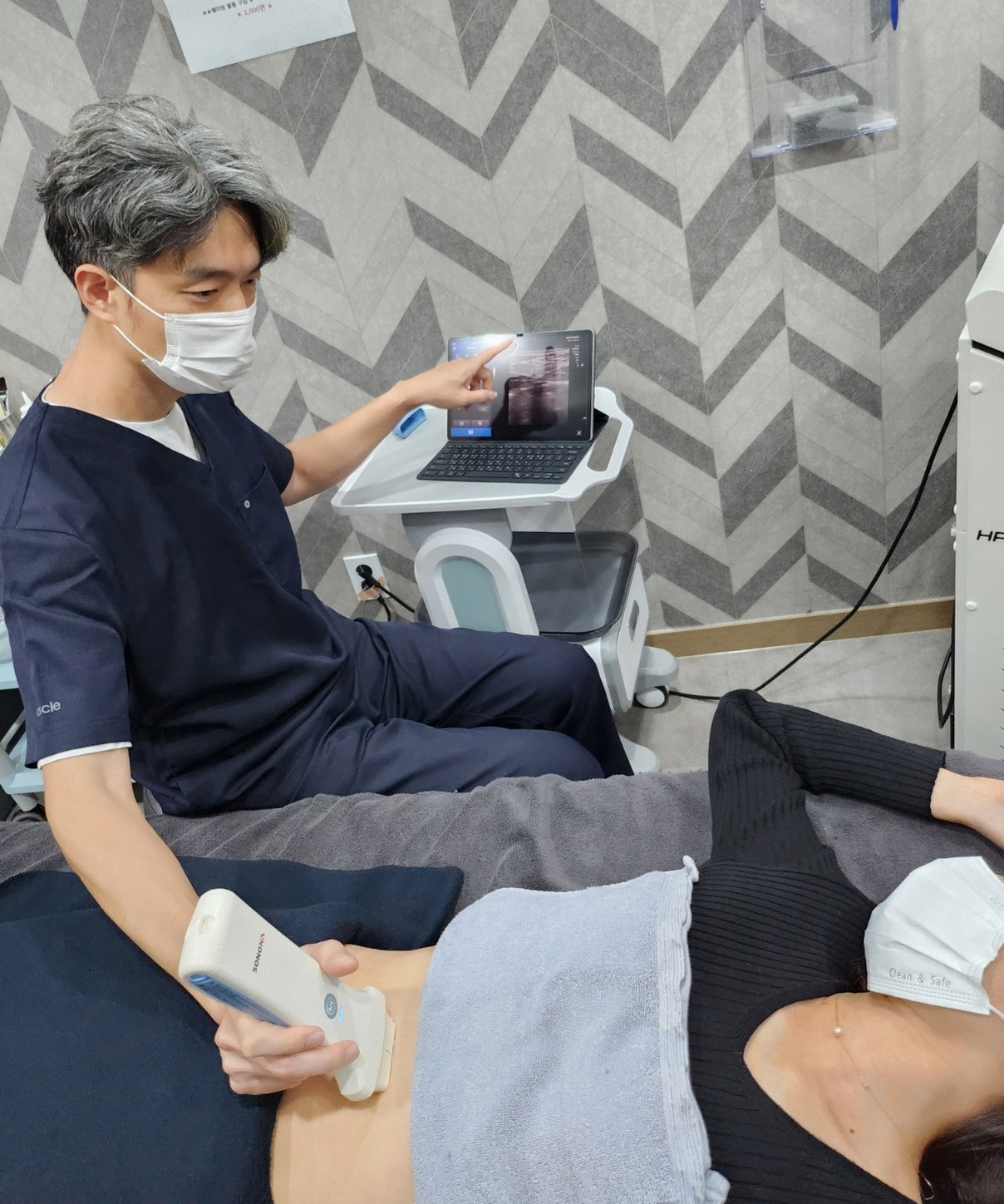
Pyeongchon Rejuran Healer reviews: what to expect from consultation to aftercare
If you searched for “Pyeongchon Rejuran Healer reviews,” you are probably not just looking for a textbook definition.
This guide is written for international patients considering Rejuran Healer in the Pyeongchon and Beomgye Station area of Anyang. Using the example of a structured visit at a local clinic such as Lamar Premier Clinic, it walks through the process from online inquiry to in‑clinic treatment and aftercare, in a review-style but factual way.
Direct answer summary
however, exact composition, mechanisms, and expected outcomes should be confirmed with your chosen clinic or the product manufacturer. Clinic visits often follow each facility’s standard process (consultation, cleansing, scaling, treatment, calming mask, and finish), but specific steps and protocols vary. Some patients report sensations like pinpricks or mild pressure during treatment, while others describe different experiences. Clinical effects and timelines differ by individual skin condition and the agreed treatment plan—only a face‑to‑face consultation can provide an estimate of likely results.
Treatment overview: what Rejuran Healer actually is
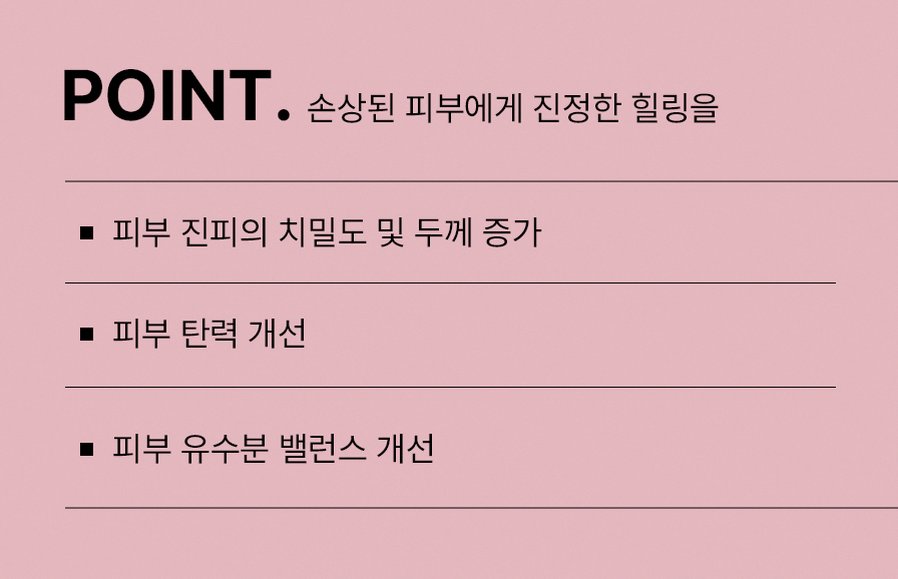
Rather than filling lines like a volumizing filler, it aims to improve the quality of the skin itself.
This article focuses on the injection treatment performed by doctors in a clinical setting.
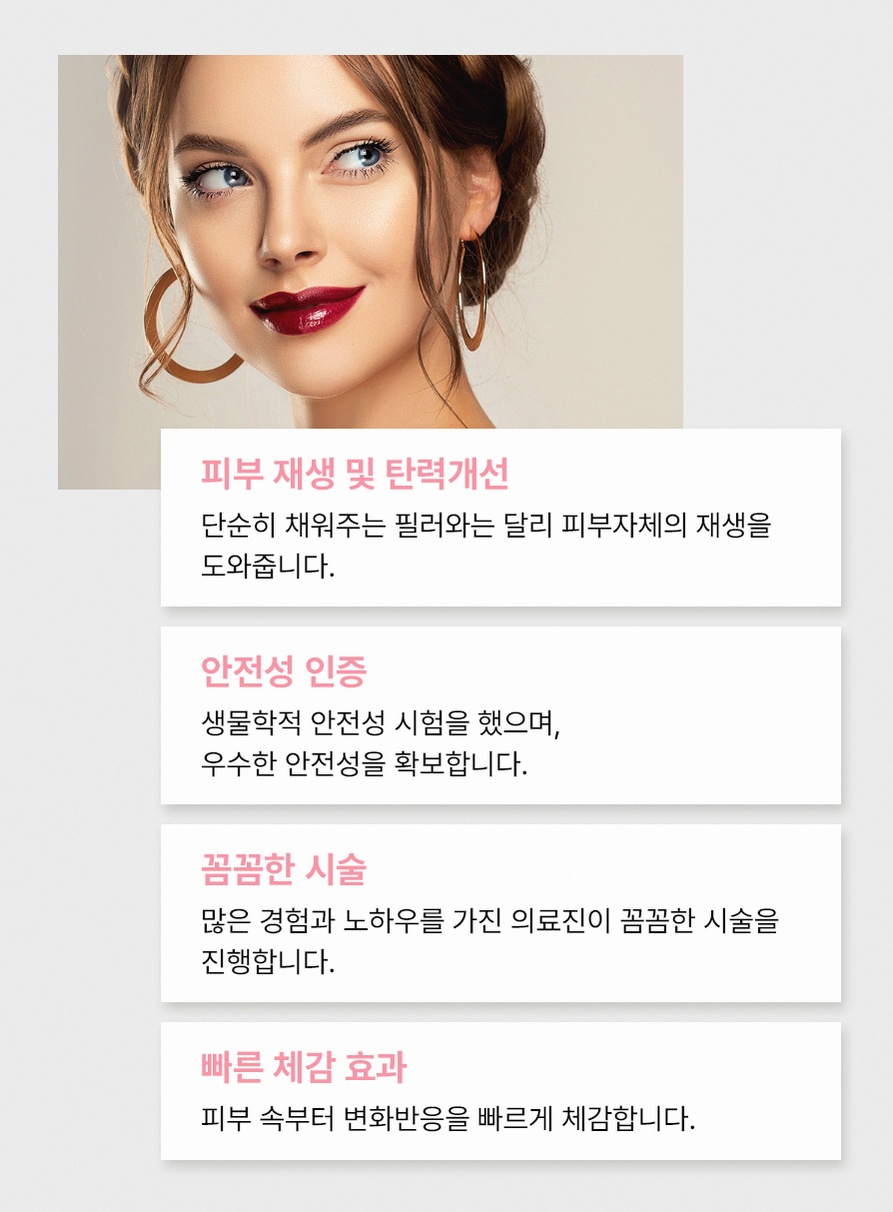
The goals of Rejuran Healer are usually subtle but meaningful improvements in skin quality. Common target concerns include dullness, fine lines, loss of elasticity, enlarged pores, and rough or uneven texture. Many people in their late 20s to 40s use it as a preventive or early anti‑aging option rather than waiting for deep wrinkles.
Rejuran Healer is different from hyaluronic acid fillers that add volume to specific areas such as the cheeks or lips. It is also different from simple moisturizing injections that mainly focus on hydration. Instead, Rejuran is often chosen when someone wants the skin to feel stronger, smoother, and more elastic over time.
Response to Rejuran Healer can vary. The exact product type, injection depth, injection pattern, and combination with other treatments can all influence the experience. Individual factors such as age, baseline skin condition, lifestyle, and healing capacity also play a role.

Why people in Pyeongchon look up Rejuran Healer reviews
Pyeongchon, in Dongan‑gu, Anyang, is a mixed residential and commercial area with many office workers and families. Around Beomgye Station, there are shopping malls, cafes, and clinics, so it is convenient for people in their 20s to 40s to stop by after work or on weekends.
People in this area often look for anti‑aging options that fit into a busy schedule. They may not want surgery or dramatic changes, but they do want the skin to look fresher and more refined. Rejuran Healer fits this interest because it focuses on quality rather than drastic transformation.
When searching for “Pyeongchon Rejuran Healer reviews,” most readers want details such as:
How painful are the injections in real life
How long the bumps and redness are visible
Whether there is swelling or bruising and how noticeable it is
How many sessions are commonly recommended
How soon people start to feel or see changes in their skin
Since these aspects are not fully explained in simple treatment descriptions, review-style information can help set realistic expectations before booking a visit.
Who may consider Rejuran Healer in Pyeongchon
Rejuran Healer may be considered by adults who are concerned about one or more of the following:
Fine lines and early wrinkles, especially in the mid‑face
Dull or tired‑looking skin despite regular skincare
Enlarged pores and rough texture
Mild acne marks or unevenness
Loss of elasticity or “bounce” in the skin
It is often chosen by people who want a gradual, natural‑looking improvement rather than a dramatic change. It may also appeal to those who have tried basic skincare and simple facials but feel they need something more active.
However, Rejuran Healer is not automatically suitable for everyone. People with certain medical conditions, active skin infections, or allergies may not be good candidates. Only an in‑person consultation with a doctor can determine whether this treatment is appropriate for your situation.
Example of a Rejuran Healer journey at a Pyeongchon clinic
In the Pyeongchon and Beomgye Station area, some clinics offer a structured, multi‑step process for Rejuran Healer. Lamar Premier Clinic, for example, is a clinic in Anyang, Dongan‑gu, within walking distance of Beomgye Station, offering a wide range of lifting, anti‑aging, skin laser, and body contouring treatments. The description below uses this kind of structured system as a model to help you imagine the typical flow.
Step 1 – Consultation and skin assessment
Your visit usually begins with reception and a brief form about your medical history. This may include questions about previous procedures, allergies, medications, and your current skincare routine. You will also be asked about your main concerns, such as fine lines, pores, redness, acne marks, or overall dullness.
In a clinic with many devices and treatment options, the doctor may compare Rejuran Healer with other possibilities. For example, they might discuss lasers for pigmentation, radiofrequency for tightening, or other skin boosters. The goal is to decide whether Rejuran is the right focus or whether it should be combined with other treatments.
During the skin assessment, the doctor looks at your skin thickness, sensitivity, oiliness, redness, and any scars or pigmentation. Based on this, they can adjust the depth of injection, spacing of injection points, and whether to treat the whole face or focus on certain areas.
For international patients, this consultation is also the time to discuss schedule limitations. If you are staying in Korea for only a short period, the doctor may suggest what is realistic within that time frame and how to plan follow‑up sessions if needed.
Step 2 – Cleansing and basic preparation
Once the treatment plan is agreed, you are usually taken to a treatment room. The staff typically start with gentle cleansing to remove makeup, sunscreen, and sebum. In some clinics, a mild scaling or exfoliation step may be included to prepare the skin surface, depending on the protocol and your skin condition.
Some clinics may apply a topical anesthetic cream to the treatment area depending on their protocol; the use and duration vary by practice. This can make the procedure more comfortable for some patients but may not eliminate all sensation. Ask your clinic what they use and how long it will be applied.
During this waiting time, staff may explain the expected sensations, immediate appearance after injections, and basic aftercare rules, so you know what to expect when you look in the mirror later.
Step 3 – Rejuran Healer injection experience
After any topical anesthetic is removed, the treatment area is disinfected. Clinics administer Rejuran Healer via injection, but the specific tools and injection technique vary by clinic and practitioner. Discuss with your clinic what to expect during treatment, including immediate skin reactions and appropriate aftercare.
The technique usually involves multiple micro‑injections across the face or target area. Each injection deposits a small amount of the product at a specific depth. From a patient’s perspective, this feels like a series of pinpricks. Some points may feel sharper or more sensitive, especially around the forehead, nose, or near the eyes.
Many people describe a brief stinging or pressure with each injection. The intensity of discomfort depends on individual pain tolerance, the quality of numbing, and the injection method. Some patients find it easily manageable, while others feel more sensitive.
Right after the injections, you will likely see small bumps, often called papules, at each injection point. This can look like a grid of tiny mosquito bites or raised dots across the treated area.
Step 4 – Immediate post‑treatment care
Immediately after the injections, the treated area may show:
Small raised bumps where the product was placed
Mild to moderate redness
Occasional pinpoint bleeding at injection sites
A feeling of tightness or mild soreness
To calm the skin, clinics often apply soothing measures such as a cooling mask pack, hydrating sheet mask, or cryo care. This step can feel refreshing and helps reduce the initial heat or tingling sensation.
Some individuals may experience mild swelling or small bruises, especially if they bruise easily or if the injection pattern is dense. The degree of these effects varies widely. Staff usually provide a mirror check and explain what is normal and what signs would require contacting the clinic.
Step 5 – Short‑term recovery and daily life
In the hours and days after treatment, the visible bumps gradually flatten as the product spreads and the skin absorbs it. Redness and any mild swelling also settle over time, but the exact pace is different for each person.
Most clinics give clear aftercare instructions, which may include:
Avoiding heavy makeup for a certain period after treatment
Refraining from hot saunas, hot baths, or intense exercise for a while
Limiting alcohol intake temporarily
Not touching or pressing the treated area unnecessarily
Using gentle, non‑irritating skincare and sunscreen
If you are an overseas visitor, it is important to discuss your travel and activity schedule in advance. For example, you may want to avoid scheduling important photos, events, or business meetings immediately after the procedure, in case your skin remains visibly bumpy or red for longer than expected.
Step 6 – When people usually start to feel changes
Rejuran Healer is not an instant transformation treatment. Many people report that improvements feel gradual and subtle at first. Common feedback includes the skin feeling more hydrated from within, smoother to the touch, or slightly firmer over time.
Some notice that makeup sits more evenly or that pores look less obvious when they look closely in the mirror. Fine lines may appear softer rather than dramatically erased. The degree and speed of these changes differ by age, lifestyle, and baseline skin condition.
Multiple sessions are often planned to build up results. However, the exact number of sessions, the interval between them, and whether maintenance sessions are recommended must be decided in consultation with the doctor. There is no single schedule that suits everyone.
How a multi‑device clinic approaches Rejuran Healer
In the Pyeongchon and Beomgye area, some clinics have a broad lineup of lifting and skin devices, such as Ulthera Prime, XERF lifting, InMode lifting, thread lifting, and various laser lifting options. They may also have more than 14 types of skin and laser devices for different concerns.
In such settings, Rejuran Healer is often one part of a larger anti‑aging or skin‑quality plan. The advantage of having many devices is that the doctor can choose:
To perform Rejuran alone when the skin is sensitive or when the main goal is regeneration
To combine Rejuran with lasers or radiofrequency when targeting pores, scars, or pigmentation, if judged safe and appropriate
To adjust the order and timing of treatments to reduce irritation and support recovery
For example, if pigmentation is a major concern, the doctor might recommend pigment‑targeting lasers or toning first, and then consider Rejuran to support overall skin quality. If redness or flushing is the main issue, vascular lasers may be prioritized, with Rejuran added later depending on how the skin responds.
The key point is that treatment design is based on the underlying cause of each concern. Factors such as pigment type, cause of redness, skin thickness, and sensitivity guide the choice of devices and whether Rejuran Healer is central or supportive in the plan.
Some clinics in this area also provide body‑related treatments such as LookFat injections, liposuction, and diet programs. For patients who want both facial rejuvenation and body contouring, this can offer one‑stop care in a single location. However, facial and body plans are usually discussed separately to avoid overloading the body with too many procedures at once.
Online consultation and pre‑visit preparation for overseas patients
If you are visiting from overseas, you will likely start with an online consultation. Many clinics accept photos and basic information through email or messaging apps. To make this step more effective, consider preparing the following:
Clear photos of your face in natural light from the front and both sides
A brief summary of your main concerns and what you hope to improve
Information about previous procedures, especially injections or lasers
A list of regular medications and any known allergies
Your planned travel dates and how many days you can visit the clinic
During online consultation, you can ask whether Rejuran Healer is likely to be part of your plan, or whether the doctor anticipates combining it with other treatments. You can also ask about the typical downtime appearance, so you can schedule sightseeing or meetings accordingly.
Expected Korea visit timeline for Rejuran Healer
Every patient’s schedule is different, but a simple example timeline for a short trip might look like this:
Day 1: In‑person consultation and skin assessment, followed by Rejuran Healer treatment if both you and the doctor agree to proceed. Plan to spend at least a few hours at the clinic to allow for consultation, numbing time, injections, and soothing care.
Day 2–3: Light recovery period. You may still see some bumps, redness, or mild swelling. Many people can move around the city and do everyday activities, but you might prefer low‑key plans and minimal makeup.
Day 4 onward: Gradual settling of the skin’s surface. If your stay is longer, you may schedule a brief follow‑up visit so the clinic can check your skin and answer any questions before you leave.
For longer stays or repeated visits to Korea, the clinic may suggest a multi‑session plan spread over several weeks or months. It is important to confirm what is realistic for your travel pattern and whether any follow‑up can be coordinated with your future trips.
Aftercare and monitoring once you return home
After you leave Korea, you will continue your normal skincare routine at home. Most clinics recommend gentle cleansing, regular use of sunscreen, and avoiding harsh exfoliants for a certain period after treatment.
If you notice anything that worries you, such as prolonged redness, unusual pain, or signs of infection, you should contact the clinic where you had the procedure and also consult a local doctor in your country. Sending clear photos and a description of your symptoms can help the original clinic give more precise guidance.
Because Rejuran Healer works over time, you may want to take your own before‑and‑after photos under similar lighting conditions every few weeks. This can help you and your doctor evaluate changes in texture, pores, and overall tone during future consultations.
What to check before booking Rejuran Healer in Pyeongchon
Before you confirm your appointment, it is helpful to prepare a small checklist. Points you may want to clarify include:
Whether the clinic uses genuine Rejuran Healer products
Which doctor will perform the injections and their experience with skin boosters
Whether Rejuran is recommended as the main treatment or as part of a combination plan
How many sessions the doctor tentatively recommends and at what intervals
What typical short‑term side effects to expect, such as redness, swelling, bumps, or bruising
How aftercare is handled, especially if you are returning overseas soon after treatment
How the clinic will communicate with you after you go home, if needed
Having these questions written down before consultation can make your visit smoother and help you compare different clinics in the Pyeongchon and Beomgye area.
Frequently asked questions about Rejuran Healer
Is Rejuran Healer mainly for anti‑aging, or can it help with acne scars and pores
Rejuran Healer is often used for overall anti‑aging because it may support skin regeneration and improve texture and elasticity. Some patients with mild acne scars and enlarged pores also receive Rejuran as part of their plan. In such cases, doctors may combine it with other treatments like lasers or radiofrequency, depending on the type and depth of the scars. Whether it is suitable for your specific acne scars or pores can only be decided after a direct evaluation of your skin.
How is Rejuran Healer different from hyaluronic acid skin boosters or simple moisture injections
Hyaluronic acid skin boosters mainly focus on hydration and sometimes a mild plumping effect. They attract water and can make the skin look more dewy. Rejuran Healer, on the other hand, uses polynucleotide to support skin regeneration processes. The aim is more about improving the structure and quality of the skin over time rather than just adding moisture. Some treatment plans use both types in different areas or at different times, but the choice depends on your skin condition and goals.
How painful is Rejuran Healer, and what kind of anesthesia is usually used
Most clinics apply topical anesthetic cream before Rejuran Healer injections to reduce discomfort. With numbing, many people describe the feeling as tolerable but not completely painless. It can feel like multiple pinpricks with brief stinging or pressure. Sensitivity varies by person and by area of the face. If you are very sensitive to pain, you should mention this during consultation so the clinic can discuss options to make you more comfortable.
Can Rejuran Healer be combined with lifting devices like Ulthera or thread lifting
Rejuran Healer is sometimes combined with lifting treatments such as Ulthera, XERF lifting, InMode lifting, or thread lifting in broader anti‑aging plans. The order and timing are decided by the doctor based on your skin thickness, degree of sagging, and sensitivity. In some cases, lifting is done first and Rejuran later to support skin quality; in other cases, the sequence may be adjusted. It is important not to self‑design complex combinations without professional guidance.
Are there people who are not suitable candidates for Rejuran Healer
Yes. People with certain medical conditions, active skin infections, specific allergies, or those who are pregnant or breastfeeding may be advised to avoid or postpone Rejuran Healer. Individuals taking particular medications or with a history of abnormal scarring also need careful evaluation. Only a face‑to‑face consultation with a qualified doctor who can review your medical history and examine your skin can determine whether this treatment is appropriate for you.
Soft call to action for online consultation
Rejuran Healer is a PN‑based injectable treatment that aims to improve skin quality from within, and the Pyeongchon and Beomgye Station area offers clinics with structured processes and multiple devices to design personalized plans. Online reviews can give you a sense of typical experiences, but they cannot replace a direct consultation.
If you are considering Rejuran Healer during a visit to Korea, you may find it helpful to contact a clinic in advance with photos, your concerns, and your travel schedule. A clinic such as Lamar Premier Clinic can then advise whether Rejuran Healer is likely to fit your needs and timing, and what kind of combined approach might be considered. Use reviews as a reference point, but rely on professional medical evaluation to make final decisions about suitability, treatment design, and detailed aftercare for your skin.
- 공유 링크 만들기
- X
- 이메일
- 기타 앱


댓글
댓글 쓰기