What to Check for Pores and Acne Scars
- 공유 링크 만들기
- X
- 이메일
- 기타 앱
Direct answer for people searching Beomgye Juvelook recommendation
In the Beomgye and Anyang area, it is helpful to choose a place that not only offers Juvelook injections, but also has multiple skin devices, a clear step‑by‑step care system, and realistic explanations about what Juvelook can and cannot do.
This guide explains what Juvelook is, who it may suit, how a typical session goes, what to prepare if you are visiting Korea, and what to check when choosing a clinic near Beomgye Station.
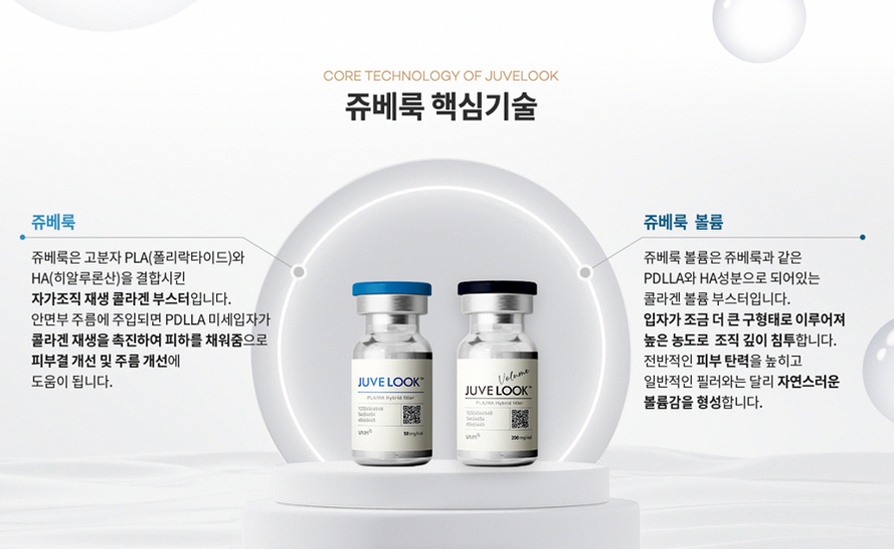
What is Juvelook and how does it work
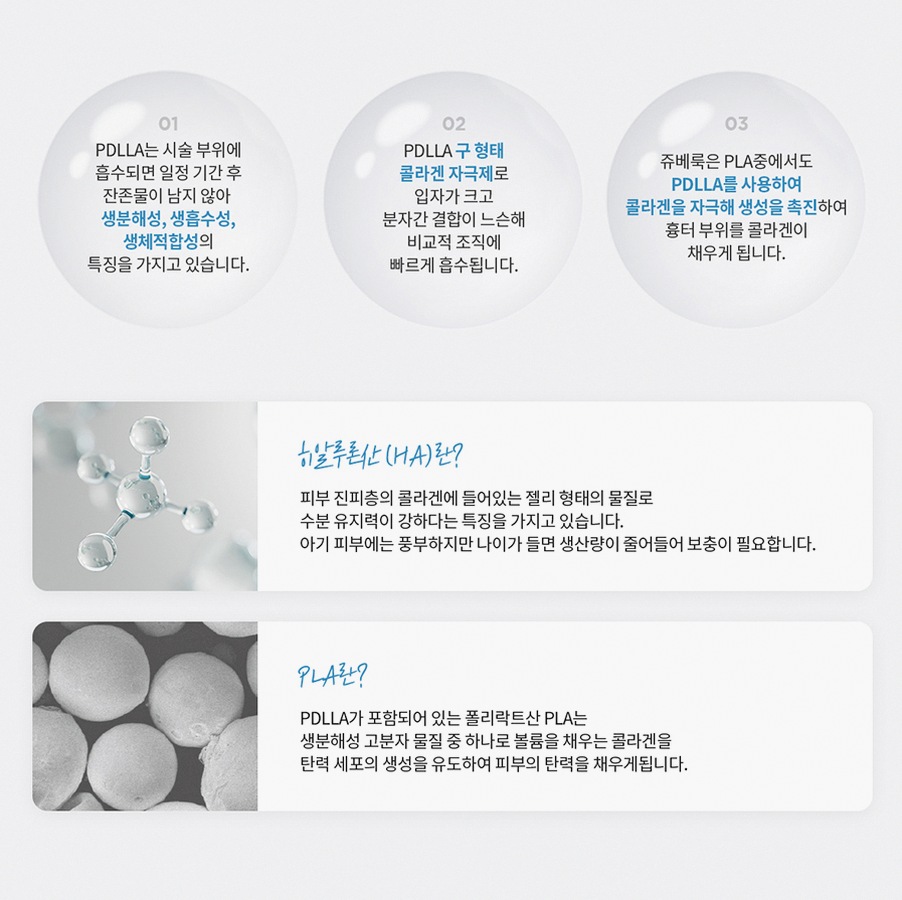
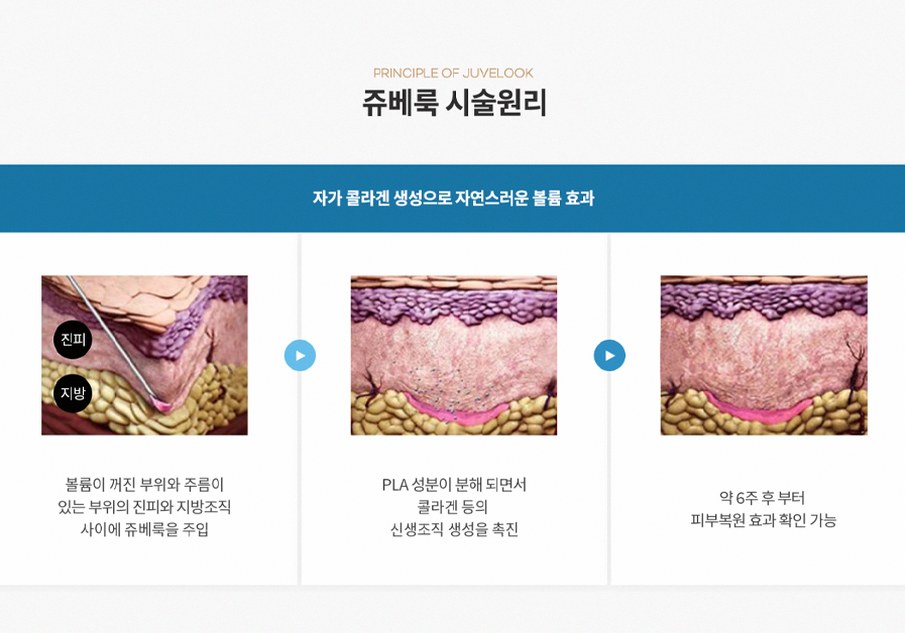
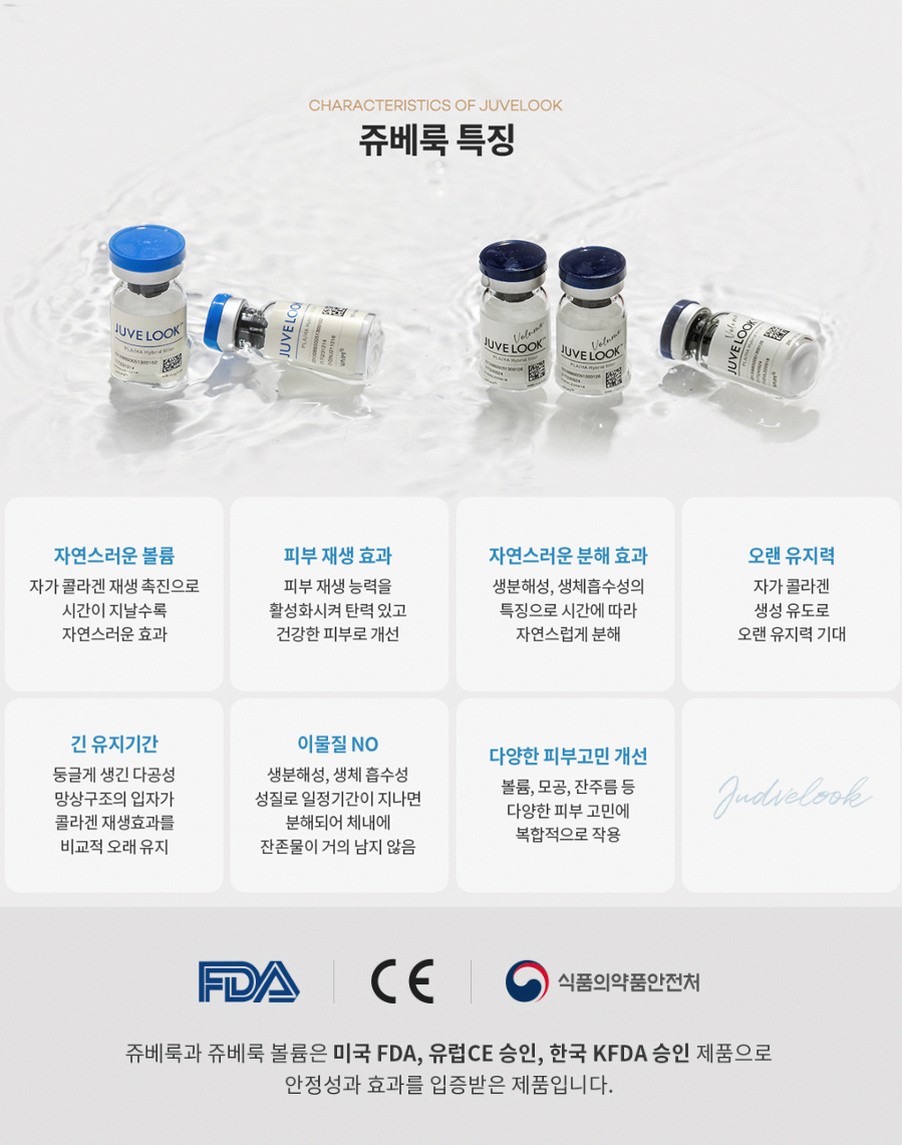
Some product descriptions describe Juvelook as combining stimulatory and hydrating components; exact formulation can vary, so confirm specifics with the clinic or the product manufacturer. It is marketed as a skin booster intended to improve skin quality gradually, often by supporting the skin's own collagen production over time.
Because of this mechanism, Juvelook is often used for concerns such as enlarged pores, mild to moderate acne scars, fine wrinkles, and generally dull or uneven skin.
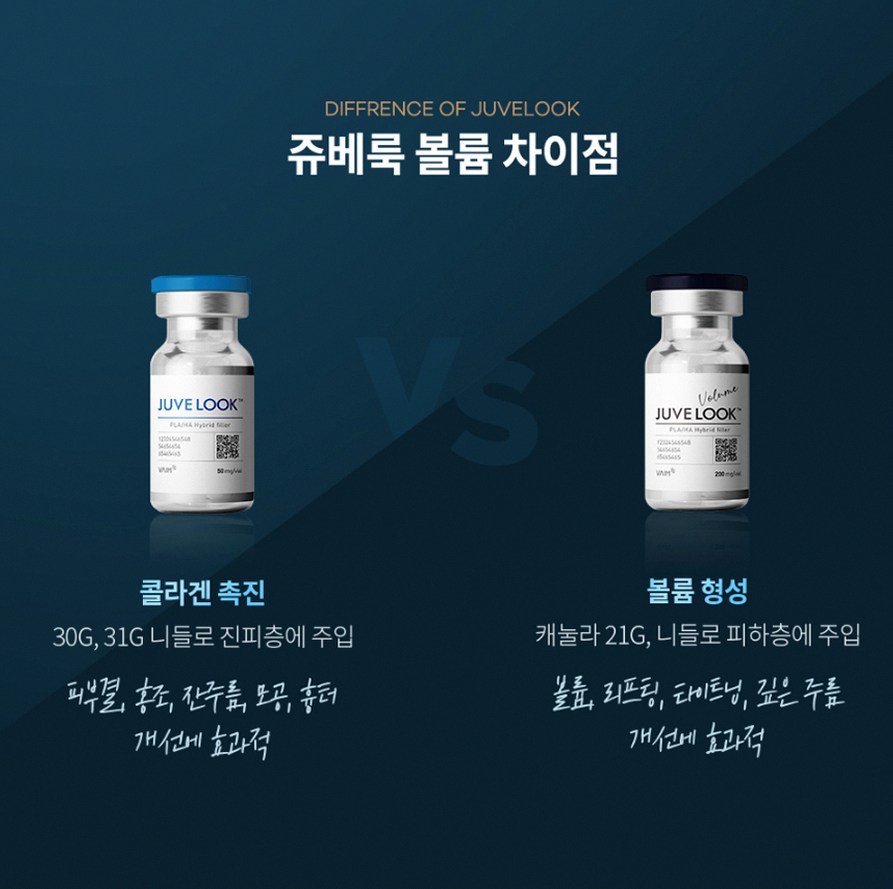
How Juvelook is placed in the skin
Juvelook is an injectable skin booster rather than a topical cream or surface treatment. Technique, injection depth, and the devices used can vary by clinic and practitioner, so these procedural details should be explained during your consultation.
Small amounts are placed evenly across the treatment area. In many cases, the full face is treated, with extra attention to areas with obvious pores or scars, such as the cheeks. Some people may also treat the neck or other specific areas after discussion with the doctor.
Typical treatment areas
Common Juvelook treatment areas include the central and full face for pores and fine lines, the cheeks and acne‑scarred zones, and sometimes the neck for texture and fine wrinkles. The exact plan is usually decided after an in‑person skin assessment.
Who may consider Juvelook near Beomgye Station
Juvelook is generally considered for adults who want gradual, natural‑looking improvement rather than a dramatic change in facial shape.
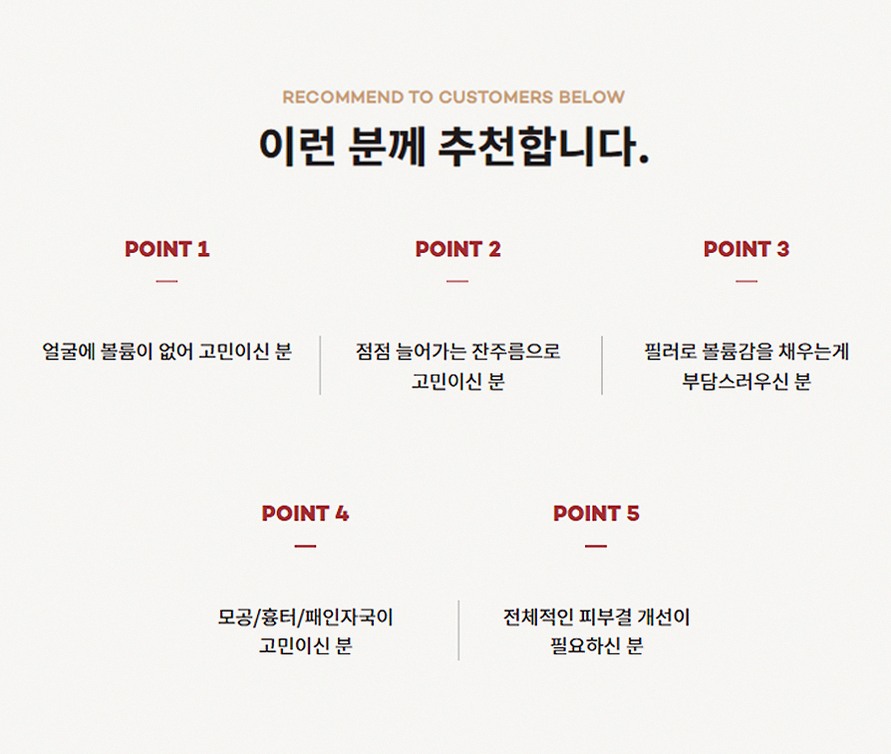
People who might discuss Juvelook with a doctor include those with visible pores and uneven texture that do not respond well enough to basic skincare, those with mild to moderate acne scars that create a bumpy surface, people noticing early signs of aging such as fine lines and reduced elasticity, and those who prefer a diffuse skin quality improvement instead of strong volume from classic fillers.

Situations where extra caution is needed
As with any injection‑based treatment, Juvelook is not suitable for everyone. In general, caution is needed if there is active skin infection or severe inflammatory acne in the planned treatment area, a known allergy or sensitivity to any component of the product, or pregnancy or breastfeeding. In these cases, an individual medical consultation is essential, and the doctor may recommend postponing or avoiding the procedure.
People with serious medical conditions, those taking blood‑thinning medications, or those who have had recent strong laser or peeling procedures should also discuss timing and safety with the treating doctor in detail.
How a typical Juvelook session works
While each clinic may have its own protocol, the overall steps for a Juvelook session around Beomgye Station are usually similar.
Consultation and skin assessment
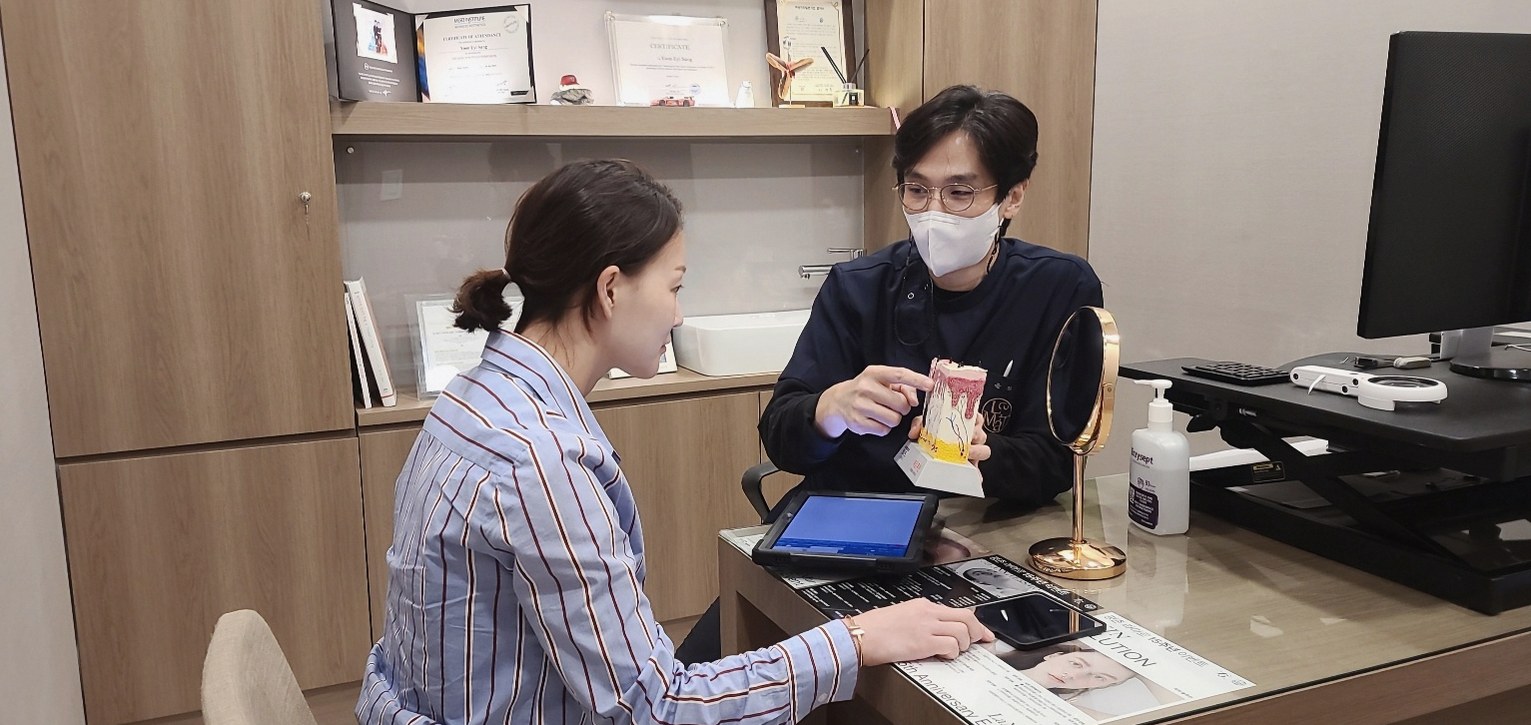
The first step is a face‑to‑face consultation. The doctor assesses your skin condition, including pores, acne scars, fine wrinkles, elasticity, and skin thickness. They may also ask about your previous treatments, such as laser toning, peeling, or other injectables.
During this time, you can discuss your main concerns and what kind of change you are hoping for. The doctor will usually explain how many sessions might be reasonable for your skin, how far apart they should be, and whether it makes sense to combine Juvelook with other treatments like lasers, radiofrequency microneedling, or lifting devices.
Cleansing and preparation
On the treatment day, makeup and sunscreen are removed. The skin is cleansed thoroughly to reduce the risk of infection. Some clinics add a simple scaling or light prep step before injections.
Depending on your pain tolerance and the clinic’s technique, a numbing cream may be applied for a certain time. This can reduce discomfort during the injections.
Injection phase
Juvelook is then injected into the dermis using fine needles or an injector device. The doctor or practitioner usually works systematically across the face, placing small amounts evenly.
Areas with more visible pores or scars, such as the cheeks or temples, may receive a bit more attention. You may feel mild pressure or stinging, but the level of discomfort varies from person to person and depends on numbing and technique.
Immediate post‑care
After the injections, the clinic often applies cooling packs, a soothing mask, or calming products to reduce redness and swelling. Staff usually explain what to expect over the next few days and how to care for your skin at home.
It is common to experience temporary redness, slight swelling, or tiny bumps at the injection points. These usually settle over a few days, but the exact course is different for each person.
Home care after Juvelook
In the first few days, you are usually advised to avoid very hot environments such as saunas and hot baths, avoid intense exercise and alcohol for a short period, and not rub or press the treated areas.
Gentle cleansing and adequate moisturizing are important. Sun protection is also essential: use sunscreen and, if possible, a hat or shade when outdoors. Harsh exfoliants, strong acids, or irritating products are typically avoided until the skin feels fully settled.
If you notice unusual symptoms such as severe pain, worsening swelling, prolonged redness, or signs of infection, you should contact the clinic or medical staff promptly.
Treatment plan, sessions, and expectations
When you might notice changes
Some people feel that their skin looks more hydrated and slightly brighter relatively soon after treatment, mainly due to the hyaluronic acid and improved moisture.
The collagen‑related changes from PLA are slower. They tend to develop gradually over weeks to months as the skin responds and produces new collagen. This is why Juvelook is often described as a gradual, building process rather than an instant transformation.
Duration and maintenance
How long the effects last and how often maintenance is needed can vary widely. Factors include age, baseline skin condition, lifestyle, sun exposure, and whether you combine Juvelook with other supportive treatments.
Some patients may consider maintenance sessions after the initial course, but the exact interval should be decided together with the doctor after observing how your skin responds.
It is important to understand that no clinic can guarantee a specific result, exact duration, or identical outcome for everyone. Individual response always plays a major role.
Juvelook compared with other options
When you search for Beomgye Juvelook recommendation, you may also see other skin boosters and fillers. Understanding basic differences can help you ask better questions during consultation.
Juvelook versus typical hyaluronic acid skin boosters
Traditional hyaluronic acid skin boosters mainly focus on hydration and a short‑term glow. They can improve dryness and fine lines on the surface, but they do not always strongly stimulate collagen.
Some practitioners describe Juvelook as intended to address skin texture and pore concerns in addition to hydration. Expected outcomes and timelines vary between individuals; discuss realistic goals, possible results, and any risks with your clinician. Individual results are not guaranteed.
Juvelook versus fillers
Fillers are usually used to add volume or contour specific areas such as the cheeks, nasolabial folds, or lips. Their goal is to fill lines or shape the face.
Juvelook, in contrast, is injected more diffusely and in smaller amounts across the skin. It is not meant for strong volumizing or reshaping. Instead, it targets the quality of the skin itself: pores, fine lines, scars, and elasticity.
Juvelook with energy‑based devices
In clinics that have multiple devices, Juvelook is sometimes combined with treatments like ultrasound lifting, radiofrequency lifting, RF microneedling, or various lasers for scars, redness, or pigmentation.
For example, RF microneedling may help remodel acne scars from a structural angle, while Juvelook supports collagen production and texture from within. However, not everyone needs combination therapy. The right mix depends on your skin type, concerns, and tolerance for downtime.
Any combination plan should be customized after a proper medical evaluation, and it is important to understand the total downtime, cost, and number of visits involved.
How to choose a Juvelook clinic near Beomgye Station
If you are focusing on the Beomgye and Anyang area, there are several practical points you can use as a checklist when selecting a clinic.
Check who does the consultation and explanation
It is helpful when a doctor directly examines your skin and explains whether Juvelook is appropriate, what its limitations are, and what kind of realistic changes you might expect.
During consultation, you can ask how many sessions they usually recommend for concerns similar to yours, what kind of improvement is realistic, and whether they advise combining Juvelook with other treatments or starting with Juvelook alone.
Look for a variety of devices and treatment options
For pores, scars, and texture, many people benefit from a combination of approaches over time. Clinics that have several types of lasers and lifting devices can often tailor a plan based on your specific issues rather than relying on a single procedure.
In the Beomgye area, some clinics emphasize their lifting and anti‑aging focus, with options like ultrasound lifting, RF lifting, thread lifting, laser lifting, and more than ten types of skin devices, including toning lasers, pigment lasers, RF microneedling, and machines for redness and texture.
A clinic with this kind of lineup can, in principle, choose tools according to your redness type, pigmentation depth, or scar pattern, and then fit Juvelook into that bigger picture.
Ask about the full process and aftercare
Before you decide, it is reasonable to ask the clinic to walk you through the whole process: consultation, cleansing, any scaling or prep, the injection itself, mask pack or cooling, and finishing care.
You can also ask what kind of aftercare is included in the package, how many follow‑up visits are recommended, and what you should do if you experience side effects.
Pay attention to how they talk about results
Clinics that provide realistic, balanced explanations and avoid phrases like guaranteed results or absolute outcomes are often taking a more cautious, individualized approach.
It is a positive sign if the staff clearly say that results and duration vary from person to person and emphasize the need for in‑person assessment and follow‑up.
Example of a clinic near Beomgye with a broad device lineup
Lamar Premier Clinic is located in Anyang, Gyeonggi‑do, within walking distance of Beomgye Station on Line 4, at roughly 160 meters from the station. This kind of location can be convenient if you are commuting or visiting from other parts of Seoul or Gyeonggi.
The clinic is led by a representative director who is a board‑certified anesthesiology and pain medicine specialist with experience in aesthetic procedures and a preference for natural‑looking results. Several doctors are listed at the same address and phone number, suggesting a team‑based practice.
Their focus includes lifting and anti‑aging, with various device‑based lifting methods such as ultrasound lifting, RF lifting, thread lifting, and laser lifting. They also provide skin and body contouring treatments, and use more than 14 types of lasers and devices for toning, pigmentation, pores, texture, and redness.
They promote a structured, multi‑step treatment process, typically including consultation, cleansing, scaling or preparation, the main treatment, mask pack, and finishing care. This kind of system can be applied around Juvelook sessions to support the skin before and after injections.
For international patients, it can be helpful that such a clinic offers event or package‑based programs, like starter packs, one‑day programs, or seasonal events, which may include skin boosters or be combined with other treatments. However, the exact contents and suitability should always be checked directly with the clinic.
Preparing for Juvelook as an overseas patient
If you are traveling from another country to the Beomgye and Anyang area for Juvelook, planning ahead will make your visit smoother.
Online consultation before you fly
Before booking flights, many overseas patients arrange an online consultation. You can usually send clear photos of your face in natural light, without heavy makeup, and share your main concerns and treatment history.
Useful information to prepare includes your age, medical history and current medications, any allergies, previous cosmetic procedures (lasers, peels, injections), and your available dates in Korea and how many days you can stay.
This allows the clinic to suggest whether Juvelook seems reasonable for you, how many sessions might be realistic during your stay, and whether they recommend combining it with other procedures or keeping it simple.
Suggested visit timeline in Korea
If you are planning a short trip mainly for Juvelook, a common structure might look like this:
Day 1: In‑person consultation and, if suitable, first Juvelook session. You should allow enough time for paperwork, consultation, numbing, and the procedure itself.
Days 2–3: Light recovery period. You may have mild redness, swelling, or small bumps. Many people can do sightseeing or light activities, but you should avoid intense exercise, saunas, and heavy alcohol.
Days 4–7: Most visible signs usually calm down for many people, though this can vary. If needed, you might schedule a brief follow‑up check before leaving Korea.
If you plan multiple Juvelook sessions, you may need to stay longer or visit Korea more than once, because sessions are often spaced several weeks apart. Discuss this clearly with the clinic in advance.

Aftercare once you return home
When you go back to your country, continue gentle skincare: mild cleanser, adequate moisturizer, and daily sunscreen. Avoid aggressive treatments like strong peels or high‑energy lasers on the same area until your skin feels stable and your doctor agrees.
If you plan to receive other cosmetic treatments at home, inform your local provider that you had Juvelook and when it was done. This helps them avoid overlapping procedures that might irritate the skin.
If you experience any concerning symptoms after returning home, contact the clinic where you received Juvelook, and, if needed, see a local doctor for in‑person evaluation.
Frequently asked questions about Juvelook near Beomgye
How many Juvelook sessions do I usually need for pores and acne scars?
There is no single fixed number for everyone. Many people undergo two to three sessions or more, spaced several weeks apart, especially when targeting enlarged pores and mild to moderate acne scars. The exact plan depends on how deep and wide your scars are, your skin type, and how your skin responds to the first session. Your doctor will usually reassess after each treatment and adjust the number and interval as needed.
What is the typical downtime after Juvelook?
Most people experience mild redness, slight swelling, or small bumps at injection points for a few days. Makeup may be possible after a certain period, depending on the clinic’s instructions. While many patients can return to daily activities quickly, you are usually advised to avoid saunas, very hot baths, intense workouts, and alcohol for a short time. Because individual recovery varies, your doctor’s specific guidance should take priority.
Can Juvelook be combined with laser or RF treatments on the same day?
In some clinics, Juvelook is combined with treatments like RF microneedling or certain lasers, either on the same day or in a planned sequence. The decision depends on your skin condition, the type and strength of the device, and your tolerance for downtime. Combining too many strong procedures at once can increase irritation, so a careful plan is important. Always ask the doctor to explain why they recommend a certain order and schedule.

Is Juvelook completely safe, and are results guaranteed?
No medical procedure is completely risk‑free, and Juvelook is no exception. While many people undergo the treatment without serious problems, potential risks such as infection, prolonged redness, or unevenness exist, even if they are not common. Results and duration also vary widely among individuals, and no clinic can guarantee a specific outcome. A thorough consultation, honest medical history, and proper aftercare can help reduce risks, but they cannot remove them entirely.
Soft call to action for online consultation
If you are considering Juvelook near Beomgye Station and want a structured approach that looks at pores, scars, and lifting together, you can contact a clinic such as Lamar Premier Clinic for an online consultation before you visit Korea. By sharing your photos, medical background, and travel schedule in advance, you can receive more personalized information about whether Juvelook is suitable for you, how many sessions might be realistic, and how it could be combined with other treatments.
This article is for general information only and does not replace a face‑to‑face consultation with a qualified medical professional. Always discuss your individual situation, risks, and alternatives directly with a doctor before deciding on any treatment.
- 공유 링크 만들기
- X
- 이메일
- 기타 앱


댓글
댓글 쓰기